8 Expert Tips On Mindful Eating Practices For Busy Life

Did you ever notice yourself gulping down lunch while checking emails, barely realizing you were eating the food? This is a common habit for many busy professionals. A report indicates a 40% increase in workers who never stop for a midday meal because they are too busy to finish their work, so they just eat while working or skip it at all. 

Being an executive myself I know we struggle with low energy levels and high stress, often exacerbated by unhealthy eating habits. These issues are deeply interconnected: high stress leads to poor food choices, which in turn causes fatigue, weight gain, anxiety, and many other health problems. This cycle becomes even more pronounced during business travel, where stress peaks and convenient, unhealthy food options are more tempting.

But what if I tell you that mindful eating practices can break this vicious cycle? Mindful eating practices transform your relationship with food and improve your overall well-being. Here are eight expert tips to help you incorporate mindful eating into your hectic schedule.

What Exactly is Mindful Eating?

Mindful eating is all about paying close attention to what you eat and drink. It means slowing down during meals, enjoying every bite, and really noticing when you’re hungry or full. When you eat mindfully, you focus on the taste, smell, and texture of your food, and you learn to recognize when you eat for reasons other than hunger. This helps you make better food choices and feel more satisfied with your meals. It’s also about appreciating your food and how it fuels your body.

This way of eating can be a real game-changer for the problems we talked about. By lowering stress and making it easier to pick healthier foods, mindful eating can break the cycle of bad eating habits and feeling tired. If you eat mindfully often, your digestion will get better, you’ll have more energy, and you’ll generally feel better. This makes it easier to stay focused and get things done.

Even for executives who travel a lot, mindful eating has easy tips for managing stress and eating healthy on the go. By paying more attention to what and how you eat, you can handle the temptations and disruptions that come with traveling. This way, you’ll stay fueled and energized no matter where you are. Let’s read those mindful eating practices in detail.

Tip #1. Embrace Presence 

Mindful Eating Practices
Click on the image to see a full infographic (opens in new tab)

Being fully present during meals is a foundational aspect of mindful eating. It involves giving your full attention to the act of eating, allowing you to truly savor your food and be aware of the sensations, thoughts, and feelings that arise during the meal. This practice can help you develop a healthier relationship with food and improve your overall eating experience.

Simple Practices to Enhance Presence

  • Taking Deep Breaths
    • One effective way to practice presence before a meal is to take a few deep breaths. This simple act can help shift your body from a state of stress (sympathetic dominance) to a state of ‘rest and digest’ (parasympathetic dominance). According to research, this transition is crucial for optimal digestion and nutrient absorption. When you’re in a relaxed state, your body can better focus on the digestive process, which enhances the overall effectiveness of your meals.
  • Mindful Eating Rituals
    • Developing small rituals around mealtime can also help you stay present. This might include setting the table, saying a short prayer, expressing gratitude for the food, and consciously focusing on the colors, smells, and textures of the meal before you take your first bite. These rituals create a mental and emotional space that prepares you to engage fully with the meal. Think of it as your mini-vacation in the middle of the day – no travel insurance required!
Mindful Eating Practices

Tip #2. Chew Thoroughly 

Mindful Eating Practices
Click on the image to see a full infographic (opens in new tab)

Chewing your food thoroughly is a simple yet powerful practice that can significantly enhance your mindful eating experience. This practice not only helps you appreciate the flavors and textures of your food but also plays a crucial role in the digestive process.

Research backs up the benefits of chewing thoroughly. A study in the American Journal of Clinical Nutrition found that increased chewing led to less food intake and improved digestion. Participants who chewed each bite 40 times ate 12% less than those who chewed only 15 times, showing how chewing more can aid in portion control and feeling full.

Simple Practices to Chew Thoroughly

  • Count Your Chews
    • Counting the number of times you chew each bite can help ensure you are chewing thoroughly.  Experts emphasize the importance of chewing. A common recommendation is to chew each bite an average of 32 times before swallowing. This practice can slow down your eating pace, improve digestion, and allow you to fully enjoy the flavors and textures of your food.
  • Put Down Your Utensils Between Bites
    • Putting your fork or spoon down between bites is a simple technique that encourages thorough chewing and slower eating. This practice can help you focus on each bite, promote mindfulness, and prevent overeating.

Tip #3. Create a Distraction-Free Zone

Mindful Eating Practices
Click on the image to see a full infographic (opens in new tab)

One of the most effective ways to practice mindful eating is by creating a distraction-free zone. Eating while distracted can lead to mindless eating, where you consume food without paying attention to what or how much you’re eating. This can result in overeating and poor digestion. The research found that people who eat while distracted tend to consume more calories and have trouble recognizing their body’s signals of fullness.

Simple Practices to Create a Distraction-Free Zone

  • Designate a Specific Eating Area
    • Setting up a specific area in your home or workplace dedicated solely to eating can help create a distraction-free zone. This designated space should be free from common distractions.
  • Turn Off Electronic Devices
    • One of the most effective ways to ensure a distraction-free eating environment is to turn off electronic devices such as televisions, phones, and computers during meals. This helps you stay focused on your food and the eating experience.

Tip #4. Pause Mid-Meal

Mindful Eating Practices
Click on the image to see a full infographic (opens in new tab)

Pausing mid-meal is a powerful technique in mindful eating that allows you to check in with your body’s hunger and fullness signals. Taking a break halfway through your meal provides an opportunity to evaluate how you feel. Are you still hungry, or are you beginning to feel satisfied? This mindful check-in can help you decide whether to continue eating or stop.

Research shows that mindful eating practices, such as pausing during meals, can lead to better portion control and reduced calorie intake. Think of it as a halftime show for your stomach.

Simple Practices to Pause Mid-Meal

  • Set a Timer
    • Using a timer is a straightforward method to remind yourself to take a mindful pause halfway through your meal. This technique helps ensure you regularly check in with your body’s hunger and fullness signals.
  • Reflect on Your Meal
    • Take a moment to reflect on the food you’ve eaten so far. Consider the flavors, textures, and how your body feels. This can help you become more aware of your eating experience and make a conscious decision about whether to continue eating.
Mindful Eating Practices

Tip #5. Engage All Senses

Mindful Eating Practices
Click on the image to see a full infographic (opens in new tab)

Engaging all your senses while eating is a key component of mindful eating. By focusing on the sensory aspects of your food—sight, smell, taste, touch, and even sound—you can develop a deeper appreciation for what you are eating and create a more satisfying and fulfilling mealtime experience.

Simple Practices to Engage All Senses 

  • Visualize 
    • Before eating, take a moment to observe your food. Notice the colors, shapes, and presentation. Appreciate the effort put into creating the meal. 
  • Smell
    • Bring the food close to your nose and inhale deeply. Identify the different aromas and how they make you feel. 
  • Taste
    • As you chew, focus on the flavors. Identify the herbs and spices. Is it sweet, salty, sour, bitter, or savory? 
  • Feel
    • Pay attention to the texture of the food in your mouth. Notice the different textures and how they change as you chew. 
  • Listen
    • Be aware of the sounds your food makes as you eat. The crunch of a vegetable or the pop of a seed can add to your enjoyment.

Tip #6. Start with Gratitude

Mindful Eating Practices
Click on the image to see a full infographic (opens in new tab)

Starting your meal with a moment of gratitude can transform your eating experience. This simple practice helps you appreciate the food in front of you and the effort that went into its preparation. By expressing gratitude, you set a positive tone for the meal, which can make you more aware of what and how you eat.

Simple Practices to Start with Gratitude

  • Reflect on the Journey
    • Think about all the steps that brought the food to your table. Consider the farmers who grew the ingredients, the workers who harvested and transported them, and the cooks who prepared the meal. This reflection can enhance your appreciation for the food and the effort involved.
  • Savor the Moment
    • As you eat, continue to reflect on your gratitude. This ongoing mindfulness can help you stay present and fully engaged with your meal.

Tip #7. Listen to Your Body’s Signals

Mindful Eating Practices
Click on the image to see a full infographic (opens in new tab)

Listening to your body’s signals of hunger and fullness is a crucial aspect of mindful eating. This practice involves paying close attention to how your body feels before, during, and after eating, allowing you to better understand your hunger and fullness cues. By tuning into these signals, you can make more informed decisions about when to start and stop eating, which can help you maintain a healthy relationship with food and avoid overeating.

A study found that individuals who practiced mindful eating were better able to regulate their food intake according to their body’s hunger and fullness signals, leading to improved eating habits and weight management.

Simple Practices to Listen to Your Body’s Signals

  • Check-in Before Eating
    • Before you start eating, take a moment to check in with your body. Are you eating because you are truly hungry, or are you eating out of boredom, stress, or habit? Recognizing the difference can help you eat more mindfully.
  • Assess Your Fullness During Meals
    • As you eat, periodically pause and assess your level of fullness. Are you still hungry, or are you starting to feel satisfied? Use a hunger and fullness scale from 1 to 10, where 1 means extremely hungry and 10 means uncomfortably full, to gauge your body’s signals. Aim to stop eating when you reach a level of comfortable fullness, around 7 or 8 on the scale.
Mindful Eating Practices

Tip #8. Be mindful of your choices

Mindful Eating Practices
Click on the image to see a full infographic (opens in new tab)

Mindful choices involve choosing food that nourishes your body and eating it with full awareness and intention. This practice helps prevent mindless munching and ensures that your food contributes positively to your overall well-being. By selecting healthy food and eating it mindfully, you can maintain your energy levels and avoid the pitfalls of unhealthy snacking habits.

Research published in the Journal demonstrated that mindful snacking practices can help reduce the likelihood of overeating and improve overall diet quality. 

Simple Practices to Practice Mindful Snacking

  • Choose Nutrient-Dense Food
    • Select foods that are rich in nutrients and provide sustained energy. Examples include fresh fruits, vegetables with hummus, nuts, seeds, yogurt, or whole-grain crackers. These options can help you stay energized and satisfied between meals.
  • Portion Control
    • Instead of eating directly from a package, portion out a serving of your snack into a bowl or plate. This helps you become more aware of how much you’re eating and prevents overeating.

How These Practices are Helpful For a Busy Life?

Travel and meetings can disrupt mindful eating. Plan ahead with healthy snacks like nuts and fruits. Choose water over sugary drinks and opt for salads or grilled proteins at airports. During meetings, select lighter options and eat slowly, savoring each bite.

Busy professionals can practice mindful eating with quick exercises. Take deep breaths before eating to shift to a ‘rest and digest’ state. Chew thoroughly and focus on flavors and textures, even during short breaks.

High stress can significantly impact eating habits, often leading to emotional eating and poor food choices. Stress triggers the release of cortisol, a hormone that can increase appetite and cravings for high-fat, sugary foods. 

By incorporating mindfulness practices, such as deep breathing and being present during meals, you can manage stress more effectively. This helps you make healthier food choices and prevents overeating. 

Final Thoughts

Start small and integrate these mindful eating practices into your daily routine. Even minor adjustments can make a significant difference. Try to incorporate one or two strategies at a time and gradually build them into your regular habits.

Remember, mindfulness is a journey, not a destination. Be patient with yourself and allow these practices to evolve naturally over time. Mindful eating practices offer long-term benefits that extend beyond the table. 

By transforming mealtime into a moment of mindfulness, you can nourish both your body and mind. This not only enhances personal well-being but also boosts professional success by reducing stress, improving focus, and fostering better decision-making.

Imagine turning every meal into a mini-retreat, a moment of calm amidst the chaos of a busy life. By embracing mindful eating, you can create a balanced, healthy relationship with food that supports your career growth and enhances your leadership abilities. Start today and experience the profound impact mindful eating can have on your overall well-being and professional journey.

Show what you know! Take this quick quiz to evaluate how much you’ve learned from the post.

0

Mindful Eating Practices

Test if you actually know mindful eating practices.

1 / 10

What is the primary goal of mindful eating?

2 / 10

How can taking deep breaths before a meal help with digestion?

3 / 10

What is a recommended practice to ensure you chew your food thoroughly?

4 / 10

Why is it important to create a distraction-free zone while eating?

5 / 10

What is the benefit of pausing mid-meal?

6 / 10

What is the benefit of pausing mid-meal?

7 / 10

How can engaging all your senses while eating enhance your meal experience?

8 / 10

What practice can you start before a meal to cultivate gratitude?

9 / 10

Why is portion control important for mindful snacking?

10 / 10

How can mindful eating help busy professionals during travel?

Your score is

The average score is 0%

0%

Maximize Your Productivity and Well-Being with Mindful Eating at Work

Healthy eating at work can be challenging. It’s difficult to make good food choices when unhealthy options are so easily accessible. Many professionals struggle with low energy levels throughout the day, often resorting to quick, unhealthy fixes that only provide temporary relief and can lead to energy crashes. This cycle not only affects productivity but also overall well-being.

Instead of resorting to quick fixes, try focusing on mindful eating. With the power of mindfulness and eating combined, you can unlock the full potential of your meals.

You will have higher energy; and higher productivity, and you’ll even look better – because you will be healthier. 

You will learn to avoid cravings and stress eating and develop a healthy relationship with your food. This approach not only supports better physical health but also reduces stress, leading to a more balanced and satisfying work life.

How Mindful Eating Can Help Executives and Managers Reach Peak Performance?

Managers and executives, are you ready to take your productivity and energy levels to the next level? 

Say hello to mindful eating! By approaching how you eat in a more mindful way, you enable yourself to unlock your true potential as well as the wholesome benefits of the food you eat. Mindful eating helps you develop a positive relationship with food and your body. 

Research has shown that mindful eating can lead to greater psychological well-being, increased pleasure, and increased body satisfaction. Not to mention a reduction in stress, improved self-esteem, and a greater sense of empowerment.

It will help you make the right food choices to fuel your body and mind for maximum productivity and energy. Imagine feeling energized and focused all day long. Able to tackle any task easily and achieve success in your business and personal life.

Mindful eating is the smart way to elevate your game and be successful and happy.

Mindfulness vs. mindful eating

But what exactly do we mean by mindful eating? First, let’s take a quick look at what mindfulness is. 

Mindfulness is the practice of being present and fully engaged in the current moment. Free of any judgment or preconceived ideas. Similarly, mindful eating is the practice of paying attention to the food you’re consuming, particularly how it makes you feel. 

With mindful eating, you take the time to savor each bite. You respond to your body’s signals of hunger and fullness. And finally, it also means being mindful of the foods you choose. Understanding how they nourish your body and help keep you balanced.

It is complete awareness of what you eat, why you eat, and how it serves your body. By eating mindfully, you learn to avoid responding to cravings and stress eating and, in general, make healthier food choices. Food choices that will truly benefit your body in the long run versus an immediate emotional fix.

Understanding the Psychology of Eating

By understanding how our brains influence our food choices, we can make more conscious decisions about what we eat. We can work on replacing problem eating with healthier eating habits. But first, we must recognize any problem eating and coping mechanisms. 

The Hunger Games: Understanding the psychology behind our cravings.

We’ve all been there: it’s 3 PM, the afternoon slump hits, and suddenly, that chocolate bar in the office vending machine is calling your name.

But have you ever stopped to wonder why certain foods hold such a powerful pull over us? It all comes down to the psychology of eating. It is a complex and fascinating subject that can shed light on why we make our food choices.

When it comes to cravings, it’s essential to understand that they are not simply a matter of willpower. A complex interplay of hormones, emotions, and past experiences drives our cravings. 

Initially, the hormone ghrelin, also known as the “hunger hormone,” triggers feelings of hunger in the body. Then, certain emotions, such as stress or boredom, can lead to cravings for comfort foods. And finally, past experiences with certain foods can be the ultimate influence to fuel our cravings. 

For example, suppose you associate ice cream with happy memories from childhood. In that case, you may find yourself craving it during times of stress as an adult.

How do You Recognize Problem Eating?

For some people, eating can become a coping mechanism for dealing with emotions such as stress, anxiety, or sadness. Problem eating can manifest in various ways, such as overeating, undereating, or binging. 

If you rely on food to cope with emotions, it’s important to recognize this as a problem and seek help.

The Importance of Taking Time to Eat

In today’s fast-paced society, it’s easy to eat on the run or multitask while eating. But it’s important to remember that sitting down and enjoying your food can ultimately impact your overall well-being. 

By taking the time to eat, you’ll be more aware of the food and nutrition you’re consuming. And you’ll also be more likely to feel satisfied and full after a meal.

To help you integrate this practice into your routine, here are some best practices for mindful eating. 

Best practices for mindful eating

Focus on mindful eating best practices and be more aware of your food choices and how they make you feel. Some of these include:

  1. Eating without distractions: Avoid eating while doing other activities, such as watching TV or working on the computer. It will help you pay more attention to your food and how you’re feeling while eating.
  2. Chewing thoroughly: Take the time to chew your food, which will help you savor each bite and aid digestion.
  3. Paying attention to hunger and fullness: Listen to your body’s signals of hunger and fullness. Only eat when you’re truly hungry, and stop eating when you’re full.
  4. Eating slowly: Eating slowly can help you become more aware of your food and how it makes you feel. It will also help make you feel more satisfied with your meal.
  5. Be mindful of your choices: Be mindful of the foods you choose. Avoid eating mindlessly and try to make conscious choices about what you eat.
  6. Avoiding emotional eating: Identify the emotions that lead you to eat and find alternative ways to cope.
  7. Eating with gratitude: Take a moment before eating to express gratitude for the food and the people who made it possible.
  8. Take pleasure in eating: Eating should be a pleasure, not a chore. Enjoy the flavors, textures, and smells of the food you consume.

By incorporating these best practices into your daily routine, you can become more mindful of your food choices. Subsequently, you will also learn how to make healthier and more satisfying choices.

Bottom line

Who says eating has to be boring? Mindful eating is the ultimate way to elevate your food game and get the most out of every meal. Not only does it lead to greater psychological well-being, but it also makes eating more enjoyable and satisfying. 

With mindful eating, you’ll be able to make healthier choices, reduce your risk of chronic diseases, and promote a healthy body. It’s a win-win situation!

Healthy eating at work: a simple how-to. Plus, bonus expert advice for meetings.

Meetings are a necessary part of running a business. In fact, some people can spend as much as 5.5 hours a week in meetings. And business executives like you may spend a lot more time in a chair hearing reports, planning strategies, and chewing on tasteless, mass-produced food. But how can you start practicing healthy eating at work, even with these time constraints?

Beat the post-lunch slow-down by making crucial food choices.

Did you know that the food served in business meetings can change the tone and productivity of the meeting? And it’s not always for the better!

How many of those powdered sugar-covered doughnuts have you eaten or stared at? Sit there long enough, and you know you will eat them.

How many times have you left a meeting feeling like you’ve been hit by a lunch truck? This kind of food drags you down and keeps you from being productive for quite a while afterward.

Your time is important. You need to make the most of it. When meeting food drags you down, you are not getting the most bang for your buck from meetings.

healthy eating at work

Eat Better. Work Smarter

Some meetings do require food. Early morning, lunchtime, and evening meetings need something to draw people to the meeting and keep them there.

But make sure you do so with the right food choices; after all, better food means more productive meetings. It also means better health for you, which means you are much more effective at your job.

Obviously, you don’t want food that will slow everybody down. So, don’t choose foods that signal the body to slow down and focus on digestion.

According to Huffington Post, junk food that contains a lot of gluten and sugar is to blame. And doughnuts are packed with both! If you look at the science behind this, you’ll see the parasympathetic nervous system reacts to a load of sugar and gluten like Wall Street reacts to The Fed raising interest rates. Everything slows down.

How to practice healthy eating at work (Even with busy meetings)

Eat before you go to meetings

You’ve got two choices when it comes to meetings and food: Eat before or eat during.

I suggest you don’t go to your meeting hungry. If you show up hungry, you’ll be tempted to eat. The best thing you can do to avoid eating in meetings is to eat before the meeting.

Take your own food

If someone questions this, explain it’s part of a nutrition program and that you are trying to improve your health and get more done in the office.

Organize short meetings

Short means things get done quickly. You do not waste time and you can get back to business.

If a meeting is less than 30 minutes, people don’t need to waste time grazing at a table of food. They spend time looking for plates and napkins. Then they have to hunt for a trash can when they’ve finished. It’s a waste of time.

Regardless of when the meeting is scheduled, make sure you only drink water.

Cut the sugar

Avoid fruit juice or carbonated sodas. Sugar is not good for you and fruit drinks are packed with sugar. And carbonation, especially in a short meeting, can lead to feeling bloated because of the CO2 build-up in your stomach. In a short meeting, most people will try to drink the whole drink because they don’t want to waste it.

Don’t drink calories

Do provide some water, especially for people who are speaking. They may need something to lubricate their vocal cords. For everyone else, stick to water and coffee with non-sugar sweeteners, says the Center for Total Health. If it is an early morning meeting, coffee is pretty much a requirement.

If you can handle it, drink it black. Dumping in sugar engages the parasympathetic nervous system. Energy is diverted from the brain to the digestive system. Anyone who really needs coffee will drink it black or with artificial sweeteners.

Sometimes, green tea is a good choice too, but that’s harder to come by than coffee.

Politely decline

If you are in a meeting with a food table, coffee, and sugary beverages, politely decline. In some cultures, especially the Southern United States, it’s considered rude to turn down food. Be polite but still, say no. Come up with a reason to avoid the food while not insulting the host.

Other tips:

Put the food to the side. If the food is in the middle of the meeting table, people will be reaching across. It’s a distraction. If put to the side, people will be reluctant to get up from the meeting table.

Final thoughts on healthy eating at work

It’s easy to start healthy eating at work today! While these tips are predominately related to business meetings the practices go beyond the boardroom. You can apply these lessons to all your office meals – both in and out of meetings.

Get more healthy ideas on our top diet books selected with executives in mind.  Start building healthy eating habits in your executive life.

healthy diet books

What other strategies would you add to this list? Please, share your ideas with us in the comments!

Proven Foods That Improve Memory And Concentration. An executive’s guide to better lunches

    Did you know there are foods that can improve memory and concentration?

    So, if you’ve ever found yourself wiped out because you just cannot concentrate after lunch? Maybe it’s time to take a look at what you’re eating.

    If you find yourself:

    • continuously switching between several half-finished projects
    • jumping from one task to another
    • having trouble focusing.

    The culprit is most likely something you ate. If you want to improve your focus and concentration it could be as simple as making some better food choices when you head out for your lunch break.

    foods that improve memory


    Top foods that improve memory and concentration

    As a busy executive, you should be aware of these key foods that improve memory and concentration.

    water with a slice of lemon or with some lemon juice will give you a brain boost
    leafy green lunch
    foods that improve memory

    Avocado

    avocado one of the best foods for the brain


    Dr. Axe, certified doctor of natural medicine and clinical nutritionist, ranks avocado as No. 1 on his list of the 15 Best Foods for the Brain. Often, the avocado gets a bad rap for being high in fat, but it is monounsaturated fat, that’s the good kind. It helps keep your sugar levels steady, which is a critical part of maintaining your mental edge throughout the day.

    Lemon


    Drink water with lemon. Mix the lemon juice with water to make it more palatable. A tablespoon or two in an eight-ounce glass of water is quite effective.

    Drink this a few times a day and you should soon see a marked difference in a lot of areas.

    A glass of water with a slice of lemon or with some lemon juice will give you a brain boost.
    Sugary drinks spike your glucose levels with a burst of energy, only to crash later when you burn it up. While lemon does have fructose (fruit sugar), the amount is so low it has a negligible effect.

    Lemon also contains potassium which is critical for energy levels. People who take diuretics often have to monitor their potassium levels to make sure it does not drop too low.
    Salmon

    salmon lunch


    The old saying, “fish is brain food” has a basis in reality.

    About two-thirds of your brain is a “fatty acid” called docosahexaenoic acid (DHA). The problem is the human body can’t make DHA this essential fatty acid. We have to get from the food we eat. And as it turns out, salmon is loaded with DHA.

    But why do we need DHA? ScienceLine calls DHA “neuronal insulation.” You can think of DHA like the insulation on the electrical and power cords that run things in your office.

    The insulation makes sure the copper lines stay intact and keeps them from shorting out. DHA does the exact same thing for the neurons of your brain. Better insulation means better functioning lines. Better neuronal insulation, better functioning brain!

    Do you want to learn easy office recipes and work healthier? Do you search for recipes based on their effects rather than their ingredients? Our selected Books are aimed at keeping you healthy so you stay at your maximum performance levels. Have a look at our cookbooks for executives who care about eating healthy to be more productive at work.

    Leafy greens


    Kale is often considered the new superfood, but it has close cousins that are just as effective at boosting brain power and keeping you running strong throughout the day.

    Spinach, collards and mustard greens (which are not the same thing as the mustard you put on your burger) deliver a vitamin K boost to your brain.

    Science Daily took a look at the science behind vitamin K and delivered this cerebral punch, “People who ate one to two servings per day (of these greens) had the cognitive ability of a person 11 years younger than those who consumed none.”

    What would you give to have a brain 11 years younger?

    Green tea


    Like tea? Need a caffeine boost? Green tea is what you need to be drinking. Green tea is not “fermented” like black tea and so keeps more of the stuff that gives you a brain boost.

    Mercola reported on a small study that showed “… those who received a beverage containing 27.5 grams of green tea extract showed increased connectivity between the parietal and frontal cortex of the brain compared to those who drank a non-green tea beverage.”

    We say just add some lemon to that tea!

    Chewing gum

    foods that improve memory


    You read that correctly. Recent research is showing chewing gum provides a brain boost. The Daily Mail in Great Britain hits these three high points:

    • Gum chewers have a faster reaction time.
    • Chewing gum pumps more blood to the brain.
    • Champion chewer in Great Britain, Sir Alex Ferguson, will be very happy with the news.

    While No. 3 won’t help you keep your mental edge keen, the first two points certainly will.

    7. Dark Chocolate

    foods that improve memory


    We’ve saved the best for last! Dark chocolate is in the University of Michigan’s “healing foods pyramid.”

    More importantly, it increases blood flow to the brain and other parts of the body, says Be Brain Fit.

    When it comes to chocolate, dark chocolate is the best kind because it does not have added milk and sugars, both of which can slow your brain down.

    8. Extra Tip: Avoid Problem Foods

    foods that improve memory


    Avoid problem foods during the workday. High-carbohydrate, high-bad-fat and high-sugar stuff like doughnuts, cake and pie and other foods that are similarly packed are to blame for slowing you down. And at lunch, pass on dessert.

    In addition to having little nutritional value, the high levels of the good-tasting stuff actually tell your body to slow down. The parasympathetic nervous system in your small intestine senses that stuff and tells your body it’s time to digest the meal, says a report at The Huffington Post.

    That’s also why you shouldn’t serve junk food at meetings. People will eat and when the overload hits their stomachs, they slow down. In fact, food at business meetings may actually make you less productive.

    LEARN HOW TO SURVIVE THE MEETING FOOD AT WORK!

    GET MORE

    Start making better food choices today, to keep on top of your game. By selecting from this list of foods that improve memory and concentration, you’re giving yourself a competitive advantage.

    We bring you information-packed articles with actionable items. No fluff, and no wasted time in our articles. You read, You implement. You get better. We’re also going to bring you ways to improve and show you how a healthier lifestyle translates directly into a more efficient you. We do the research. You reap the benefits.

    What other foods would you add to this list? Feel free to leave a comment.

    13 high fiber, low carb foods to keep your waistline and health issues in check

    It can be disheartening to realize that you have gained weight. After putting in long hours at work, sometimes by the time you notice it might seem too late. It’s never too late to start taking care of your health though, and it’s incredibly easy to make some simple high fiber, low carb dietary changes.

    The sedentary work style of executives can take its toll on the body. Cutting corners when it comes to eating, unhealthy snacks and fast food all have their part to play.

    Maybe the latest company health check-up revealed that your cholesterol is high or that you’re at risk for type 2 diabetes.

    Whatever the reason, if you’re worried about your health but don’t know how to change your diet because you’re a busy executive, we’ve got some great ideas for you on the easiest ways to get quick results and start resolving your health issues.

    Take care of your health to be the best executive you can be. Eat high fiber low carb foods.

    By eating high fiber and low carb foods, you can manage both your expanding waistline and your health no matter how many hours you spend pinned behind your desk.

    Keep reading to find out how high fiber low carb foods benefit you. Plus, discover which high fiber low carb foods to add to your diet to start the change toward your best health!

    Why sedentary people need high fiber low carb foods?

    • Executives like yourself by default lead a less active lifestyle.
    • You spend most of your day sitting, trapped for hours and hours at the office toiling away. Health often slips their mind when thinking of things that must get done. This situation can increase your chances of dying by as much as 50%.
    • You have a greater risk of heart disease and weight problems.
    • Sedentary executives typically have unhealthy diets which lead to type 2 diabetes, digestive issues, and other health concerns.
    • With ever-present vending machines or convenience foods during travels, you’re exposed to high carbs that drop your energy levels while at work.

    These are the reasons why you’re gaining weight in your executive position. You’re also finding that your sedentary lifestyle leads to health issues like constipation, high cholesterol, or even type 2 diabetes.

    Executives never want to hear about the problems though. That’s why we’re here to help you focus on the solution. This is to increase your intake of high fiber low carb foods and keep your waistline and health issues in check!

    Now let’s get started with the basics first.

    What is dietary fiber?

    Dietary fiber is the roughage found in the food we eat. It’s found mainly in fruits, vegetables, whole grains and legumes. Unlike other food components, such as fats, proteins or carbohydrates, fiber does not get digested by your body. It simply passes through the body. And while it might seem insignificant, it carries a lot of health benefits.

    Fiber can either be soluble or insoluble. Soluble dissolves in water, while insoluble, doesn’t dissolve.

    Eating more fiber isn’t difficult, it’s as simple as making better food choices.

    The benefits that fiber has on your body depend on the quantity that you eat and whether you eat soluble or insoluble fiber. The more dietary fiber you consume the greater the benefits. Although pay attention, you can’t just add more fiber all at once, introduce it slowly to avoid digestive discomfort -but more on that later.

    What are dietary carbohydrates?

    Dietary carbohydrates are the carbohydrates that are found in the food you eat. They include sugars, starches, celluloses and gums. While carbohydrates are a major energy source, too many carbohydrates can have adverse effects.

    One of the major problems when it comes to dietary carbohydrates is understanding how much you are consuming versus how much you actually need.

    What are the benefits of high fiber and low carb foods for sedentary people, like executives?

    Technically speaking, dietary fiber is a carb. But there’s a key difference between them. Fiber doesn’t spike blood sugar and simple carbs do. Fiber drastically reduces your body’s absorption of carbs. When that happens, both insulin and blood glucose levels drop. Why you should care: insulin spikes lead to obesity which in turn, makes you more prone to diabetes.

    With fiber, you gain control of your weight and your health.

    Apart from that, dietary fiber comes from plants and is the indigestible part. It moves through your body rather than becoming absorbed. Luckily, that really benefits you because no matter how sedentary you are as an executive, fiber fills up your digestive system in your intestines, making you feel full. When you feel full, you are less likely to overeat or snack when you aren’t actually hungry.

    Because fiber helps you feel good and full, it’s the right choice for executives like you.

    Keep reading and you’ll find out even more about the benefits of eating high fiber low carb foods have plus which of those foods to eat!

    1. Low carb foods help manage your weight

    Low carbs reduce blood glucose and insulin levels and, therefore, fat storage. Fiber also gives you that full feeling to help keep you from overeating.

    2. Soluble fiber is a natural appetite suppressant

    Because fiber isn’t absorbed into your body or digested, it fills the gaps in your intestines. This makes you feel full for longer, this is a great way to ward of those afternoon snack craving. It will help you stay away from the snack machine or snatching a sneaky donut from the lunchroom. It will also save you from overeating on your business trips when you work high fiber low carb foods into your diet.

    Forget dangerous diet pills! Soluble fiber is the natural way to suppress your appetite!

    3. Fiber help you lose belly fat

    In fact, soluble fiber can help you lose that belly fat. It works by stopping the fat gain. In this study, they found a link with increasing daily soluble fiber and reduced belly fat.

    It’s not the only study either. This study (and this one too) proved that those who eat more soluble fiber daily have less chance for gaining belly fat.

    Get More Tips and Tricks for Battling Belly Fat!

    4. High fiber low carb foods keep your heart healthy

    By eating high fiber and low carb foods, you lower your risk of heart disease. A Harvard study showed that the higher the dietary fiber intake, the lower the risk for coronary heart disease. In fact, the more fiber the subjects had the risk was 40% lower.

    While that study was conducted on men only, another similar study, also at Harvard, focusing on female nurses had nearly identical results.

    5. High fiber foods watch your digestive health

    When you take in more fiber, it helps keep things moving along in your digestive system. This reduces your chances for colorectal cancer.

    Plus, the gut is the second brain and it keeps your body healthy with gut-friendly bacteria. That bacteria is responsible for creating short-chain fatty acids. These fatty acids guard your colon and in turn, reduce inflammatory diseases from IBS and Crohn’s disease to heart disease.

    6. High fiber low carb foods reduce your chances for type 2 diabetes

    Fiber slows down how fast your body absorbs digestible carbs, keeping blood sugar on an even keel. Your lifestyle may be busy, but you don’t want to have to make time to take care of this disease in your life. Eat more fiber instead!

    7. High fiber foods avoid constipation

    No one wants that bloated, feeling that comes with constipation. It’s one of the biggest gastrointestinal complaints in America. More fiber is the answer to this dilemma. How can you lead a meeting with confidence when you feel like you have a pile of bricks stuck inside of you?

    Find Out Foods that Relieve Constipation Naturally Now!

    In a nutshell, high fiber low carb foods benefit you in many ways. As a busy executive with health and weight issues, you can take control and feel better than ever when you eat fiber and low carb foods.

    What Is the Amount of Fiber You Need Per Day? Find It Out Here!

    Best high fiber low carb foods for sedentary people

    Wondering what busy executives should eat to get plenty of fiber without bottoming out on carbs? Try the foods listed below.

    Plus, below that, we have handy tips on how to make them fit into your hectic schedule.

    13 Super foods with high fiber, low carbs 

    1. Avocados

    foods to improve your memory and concentration

    Not only does this fabulous fruit taste amazing, but it’s versatile too. There’s no end to the things you can make with it. It’s a winner simply spread on whole grain toast!

    With tons of benefits including a major roster of vitamins and healthy fats, avocados have more potassium than bananas! One standard-size avocado gives you 7 grams of fiber. That’s 27% of your recommended your daily fiber intake.

    Interested in more low carb fruits? Have a look at these proposals:

    15 Best Low Carb Fruits To Eat As Much As You Want

    2. Almonds

    High in protein, almonds help stabilize blood sugar. While they might not be the lowest carb nuts out there, you don’t need a large serving. In just one ounce, you’ll enjoy 3.5 grams of fiber. It’s important not to eat salted almonds to ensure you’re not destroying their health benefits.

    With antioxidants and cholesterol-lowering properties, almonds make for a perfect snack you can take with you to munch between meetings or when you’re traveling.

    3. Leafy Greens

    foods to improve your memory and concentration

    For a high fiber low carb diet, executives can choose salads made of leafy greens to maximize good health despite the sedentary lifestyle. With tons of nutrition, the possibilities are endless for these fiber-filled veggies. Plus, you can mix them up with collard greens, turnip greens, kale, spinach, and Swiss chard.

    FoodPortionAmount of Fiber
    Brussels sprouts (cooked)1 cup6 grams
    Broccoli (cooked)1 cup5 grams
    Collard greens (cooked)1 cup5 grams
    Turnip greens (cooked)1 cup5 grams
    Cauliflower (cooker)1 cup5 grams
    Spinach (cooked)1 cup4 grams
    Swiss chard (cooked)1 cup4 grams
    Kale (cooked)1 cup3 grams


    4. Blackberries

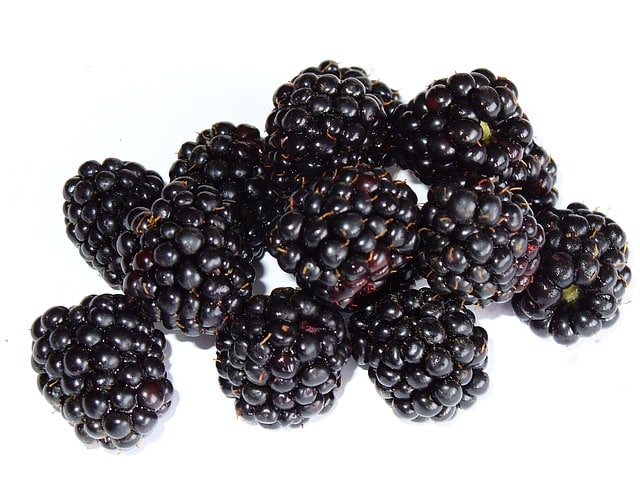
    With blackberries, you get plenty of antioxidants, vitamin C, fiber, and folate. While they do contain natural sugars, because of the high fiber content, the sugar spikes are minimized.

    Snack on one cup of naturally-sweet blackberries instead of sugary treats and you’ll get nearly 8 grams of fiber!

    5. Chia Seeds

    If you’re not eating chia seeds, start now. In addition to fiber, they contain tons of omega-3 fatty acids that rid your body of inflammation and prevent cardiovascular disease. They’re easy to use too. You can toss them into smoothies or yogurt or sprinkle them on salads. All you need is one ounce of them, and you’ll get 11 grams of fiber. You’ll barely even notice them when you add it to your favorite foods.

    6. Carrots

    high fiber low carb foods

    Carrots are the quintessential high fiber, for low calorie snack food. Dunk carrots in a little hummus, which is made from chickpeas, another item further down on this list, and you’ll have a healthy snack with crunch. One medium-sized carrot will add two grams of fiber to your day.

    7. Beets

    Beets give you 3.8 grams of fiber per cup. Plus, they’re heart-healthy and benefit your blood pressure too!

    8. Broccoli

    high fiber low carb foods

    As one of the leading cruciferous vegetables out there, broccoli is outstanding for sedentary executives.

    It features 2.4 grams of fiber in every cup and is loaded with plenty of vitamins, and protein too.

    9. Artichoke

    Don’t overlook artichokes. They are one of the best sources of fiber you can get anywhere. In just one artichoke, there are 10.3 grams of fiber!

    10. Lentils

    Choose lentils for a more filling fiber-rich experience. They’re also loaded with protein that will help you power through your busiest days! Lentils don’t need to be soaked before you cook them, they can be cooked quickly and you get 15 grams of fiber into your diet for every cooked cup!

    11. Chickpeas

    Chickpeas are legumes like lentils that will give you lots of fiber, protein, and minerals you need. Hummus is made from chickpeas, making it a healthier and more productive snacking option during a hectic workday.

    In fact, you can knock out half of your fiber intake for the day by eating a cup of cooked chickpeas if you’re a female executive (or one-third if you’re a man). One cup of chickpeas offer a whopping 12.5 grams of fiber!

    12. Quinoa

    healthy lunch ideas for work to lose weight

    Quinoa eats like a carb but is actually a protein. It also contains plenty of fiber to keep you feeling nice and full. Substitute it for rice! For every cooked cup of quinoa, you’ll enjoy 5 grams of fiber which amounts to 21% of the daily value you should be getting.

    13. Oats

    Start your executive morning off with oats and you’ll be ready to take on the world. Oats are the healthiest of grains with oat beta-glucan, a powerful soluble fiber. What’s more, in raw form, they will give you 10.6 grams of fiber per each 3.5-ounce serving.

    This special fiber also helps balance blood sugar and cholesterol levels.

    Extra bonus: how to fit fiber-filler super foods into your busy schedule?

    We know you’re busy but taking time for your health will make you an even better executive.

    Here are our easy-to-follow recommendations to increase high fiber low carb foods into your diet:

    1. Choose brown rice and whole-grain products to round out your meals. Whole grain cereals are your best choice at breakfast. Make sure ‘whole grain’ is listed first on the ingredients.
    Need more breakfast inspiration? Read How to Make an Executive Breakfast!
    1. Stuck behind your desk? Eat more salads! You can make them at home or order them to your office if you can’t get away. Just watch the dressing and other toppings!
    We have more tasty ideas for you. Read How to Create an Executive Healthier Lunch!
    1. Eat the whole fruit. When you choose ready-made juices, they’re full of sugars.
    2. Fiber from wheat bran and oat brain is even more effective than the fiber you get from fruits and vegetables. Yes, you need to keep carbs low, but having the right carbs is fuel for your brain and body!
    3. Add more fiber gradually. If you’re like most people and haven’t been getting enough fiber, slowly integrate more fibrous foods into your diet. This will prevent intestinal distress.
    4. Always drink lots of water. This is especially true when you’re eating more high fiber low carb foods. Fiber absorbs water so drink up and help keep things moving along.

    Do you eat enough fiber? Tell us what high fiber low carb foods you eat in the comments!

    18 Best Fruits for Weight Loss You Can’t Afford to Miss

    Fruits for weight loss?

    Are you kidding? Everyone knows that fruits are high in sugar. So, how can they help weight loss?  

    In this article I will explain it to you! 

    Let me start with a very obvious statement: we put on weight because we consume more calories than we need.  So, we need to eat less, but without starving. We can achieve it by eating foods that make us feel full.

    But how does this relate to fruits? Well, fruits can help us with that!

    Please read on.


    4 Ways Fruits Help You Lose Weight


    1. Low Calorie Content

    Do you know the key ingredient of any fruit?

    Water, of course!

    Sometimes close to 100%. Very seldom less than 80%.

    How many calories does water have?

    ZERO!!

    And water is a good stomach filler, isn’t it?


    2. Low Sugar Content

    All fruits have sugar, but there are many pretty low in sugar. They are the so-called  low-carb fruits.

    Any food with less than 5% sugar is considered “low sugar.” Furthermore, you shouldn’t have a bad conscience when you eat anything with a sugar level below 15%.

    ALL fruits in this post have a sugar content below 15%!


    3. High Fiber Content

    Low carb fruits high in fiber can help you keep your weight in check.

    Why?

    They reduce appetite by keeping you feeling full for a long time. They also release their low amounts of sugar slowly.  In doing so, they help burn fat around the belly organs and the liver. This wards off hunger pangs , so you avoid munching on snacks between meals.  If you still don’t believe me, please look at this research paper.


    4. Fruits Are Antioxidant Bombs

    Do you know that obesity causes continuous inflammation in your body? Too much body fat leads to chronic oxidative stress. Antioxidants from the fruit may not burn body fat, but they can help reduce both inflammation and oxidative stress.

    Importantly, all of this is true for whole fresh fruit. Dried fruit or fruit juices are a different story. If you want to lose weight, please avoid them!

    So how to find these wonder fruits? 

    Always check the fiber to sugar ratio! 

    To find them, always check the ratio between the fiber and sugar content. The higher the ratio, the better the weight loss.

    And to make your life easier, we have prepared a list of the 18 best fruits for weight control based on the fiber to sugar ratio. 

    If you are trying to lose weight, don’t have to miss a meal: just consume one of these wonder fruits that will keep you full for a long time.  

    So, let’s dive in to learn the best fruits for weight loss. 


    18 Best Fruits for Weight Loss 


     1. Avocado (Fiber to Sugar Ratio: 9.6)

     Avocado is practically sugar-free. With 6.7% dietary fiber (both soluble and insoluble) and only 0.7% sugar, it is the winner of our contest for best fruits for weight loss. Avocados are fatty and calorie-rich fruits grown in warm climates.

    But how can a fatty fruit be the best fruit for weight loss?

    That’s because the combination of dietary fiber and unsaturated fats reduce your appetite. Avocado’s main fat is oleic acid, an omega-9 acid with hunger-curbing properties. Additionally, the high fiber content combined with almost 80% water makes you feel full for longer.

    If you still have any doubts, please see the results of this study, which clearly shows that avocado consumption contributes to weight loss.

    These healthy fats are also essential for your eyes, brain, and heart. Avocados can be your secret weapon against computer eye syndrome. Always take an avocado to your office to ensure sharp eyes and an alert brain.

    Check if you suffer from the computer eye syndrome: here


    2. Rhubarb (Fiber to Sugar Ratio: 1.6) 

    Rhubarb is actually a vegetable, but it is prepared like fruit in Europe and North America. Very few people are aware that they do not eat the fruit, but the stems. With only 22 calories (per 100g), rhubarb packs almost 2% fiber and almost 25% of the Daily Value for vitamin K. Importantly, it has only 1% of sugar!

    Rhubarb is commonly used for obesity in traditional Chinese medicine. Its weight loss properties come not only from fiber but also from catechins. Catechin is a natural antioxidant also found in green tea that lowers cholesterol, increases metabolism, and helps in burning body fat.

    Rhubarb is not only effective in weight management but also helps strengthen bones and boosts brain function. It can help treat constipation, diabetes, heart problems, or even cancer. All that makes rhubarb probably one of the healthiest fruits on earth.

    At the office rhubarb, like avocado, helps keep your eyes healthy. That’s because it is packed with beta carotene (vitamin A), lutein, and zeaxanthin. What about having a rhubarb-avocado salad every Monday?

    In its pure form, it is not delicious and actually has a sour taste. The redder it is, the tastier and sweeter. This is why sugar is often added to make it palatable, as in pie form. But this destroys the weight loss properties of the fruit. Therefore, we suggest using it as a salad topper or a soup ingredient.  And please do not eat rhubarb’s green leaves! They are toxic.


    3. Coconut (Fiber to Sugar Ratio: 1.5)

    Coconut is a fruit but can be also defined as a nut or even a seed. It has more fiber than an avocado (9%), but also more sugar (6%).

    Its main ingredient is fat (33%!) and, unfortunately, almost all of it is saturated. Although this kind of fat is no longer considered an “absolute no go”, its consumption should be restricted. That said, coconut is still a wonderful fruit for weight loss, but do not eat too much. My recommendation would be twice a week at best. 

    Coconut is not only a great fruit for weight loss. It also contains coconut kernel protein (CKP) which is rich in amino acids and shows significant anti-diabetic activity. Coconut also contains very potent antioxidants that can prevent the cells from death.  


    4. Raspberries (Fiber to Sugar Ratio: 1.47)

    Raspberries are one of the tastiest fruits on our list. Did you know that raspberries belong to the rose family? The fruit originates in Europe, and in the US, it is mainly grown in Oregon, California and the Washington state area.  

    Raspberries contain 6.5% fiber (most insoluble) and 4.4% sugar and are a good source of vitamin C.  The fiber in raspberries will slow down digestion and stabilize blood sugar.

    Vitamin C and other antioxidants in raspberries are beneficial to brain health. They are also anti-inflammatory and contribute to cancer prevention.


    5. Passion Fruit (Fiber to Sugar Ratio: 0.93)

    Passion fruit (also called granadilla) originates in South America and grows on a beautiful flowering vine. It has a tough purple or yellow color rind with an edible, pulpy seed mass inside. It belongs to the berry family.

    It beats avocado and coconut concerning fiber: 10%!  On the flip side, it is pretty sweet with 11% sugar content. Most of the fiber is insoluble, which means that this fruit speeds up your digestion. That makes it one of the best fruits for weight loss.  

    Another secret loss property of passion fruit is piceatannol. This wonder ingredient can be found in the granadilla’s seeds. This research shows its excellent metabolic properties as it improves insulin sensitivity in obese individuals.

    Importantly for executives, passion fruit is also rich in magnesium and B-vitamins, which are essential to cope with stress and anxiety.


     6. Cranberries (Fiber to Sugar Ratio: 0.84)

    Cranberries are another great fruit for weight loss, containing almost 4% fiber and a bit more sugar (4.3%). They are grown in Southern Canada and the Northern US.

    Their weight loss mechanism is related to the improvement of bacterial flora in the gut. With cranberries, not only can you lose weight but also prevent colon cancer.

    Cranberries should not be missed in your diet because they provide dozens of other health benefits. Actually, ancient Romans and native Americans recognized the medical properties of this fruit.

    Did you know that no other common fruit contains more of the important antioxidant, phenol? Cranberries are also rich in anthocyanins. This is why they not only reduce weight gain but also improve eye health.


    7. Guava (Fiber to Sugar Ratio: 0.61) 
     

    Guava is a fruit of the Central American origin that grows on tropical trees. It is one of the best weight loss fruits, although its sugar content is close to 9%. But it not only has 5.4% fiber but also 5% protein. It has practically no fat. Both the fiber and protein will keep you full for a while.  Guava fiber also boosts the metabolic rate of the body, aiding in weight loss and improving bowel movements.      

    Guava has another important health secret. It is an antioxidant bomb. There is no fruit on our list with such high vitamin C content: 228mg/100g. — more than 4 times that of an orange! It also has significant amounts of phenol. Please see this study for more details.


    8. Strawberries (Fiber to Sugar Ratio: 0.34) 

    Strawberries are a low carb, low sugar (5%) fruit, which makes it one of the best for weight loss. It may not have the highest fiber content (2%), but it is definitely one of the tastiest and most popular fruits in Europe and the US.

    Interestingly, the modern strawberry has a European origin, although it is now a hybrid of two American species.

    Strawberries are a vitamin and mineral bomb. Just have a look: calcium, iron, magnesium, phosphorus, potassium, sodium, zinc, copper, manganese, selenium, and vitamins C, A, K, B1, B2, B3, B5, B6, B9.

    This analysis presents all the health benefits of strawberries proven by science, including the anti-obesity, anti-diabetic, and anti-cancer properties.


    9. Kiwifruit (Fiber to Sugar Ratio: 0.33)
     

    For a long time, I was convinced that the kiwifruit came from New Zealand, where the kiwi birds live. You are probably laughing as you read this. Then I read that kiwifruits, also called Chinese gooseberries, originate in China.

    Kiwis are small, brown fruits with bright green or yellow flesh and tiny black seeds. The seeds are not only edible, but they should be eaten as they provide the body with soluble fiber. The rest of the fruit contains insoluble fiber. Altogether, 3% of this fruit is fiber. Rape kiwis are sweat due to their 9% sugar content.

    Besides being an excellent source of Vitamin C, E, K, folate, and fiber, the fruit helps control blood sugar, improve cholesterol, and supports gut health — all additional weight loss benefits. 

    Kiwi is the best source of actidin, an enzyme that accelerates protein digestion.  Furthermore, kiwi is essential to your eyes as a source of lutein. Lutein is a carotenoid vitamin important for vision. The body cannot synthesize it, so if you work long hours in front of a computer, make sure you always have kiwifruit with you.


    10. Pear  (Fiber to Sugar Ratio: 0.32)

    Dr. Carol O’Neil from Louisiana State University found out that pear consumption reduces obesity risk by 35%! Pears also contributed to weight reduction in this study.

    It is probably one of the juiciest fruits as 83% of a pear is water.  The 3% fiber is water soluble, and the sugar level is below 10%. The combination of water and fiber makes you feel full. Note that the fiber helps bacteria in your gut.

    Similar to the strawberry, it has plenty of nutrients, both minerals, and vitamins. It also contains potent antioxidants.


    11. Pomegranate  (Fiber to Sugar Ratio: 0.29) 

    With almost 14% sugar content, pomegranate is the sweetest fruit on our list. You may remember that everything below 15% is considered weight safe. The fiber content at 4% is higher than that of strawberries, cranberries, pears, kiwis, rhubarb, or oranges.

    The weight loss properties of pomegranate were confirmed in a study performed in the Netherlands. So if you want to curb your appetite, please reach out to this delicious fruit. Pomegranate increases the feeling of fullness and satiety.

    Many consider the pomegranate as one of the healthiest fruits due to two unique ingredients.  The first is a very potent antioxidant called punicalagin. The other is a fatty punicic acid. A study found that the pomegranate boosts body metabolism and, thus, increases the chances of weight loss.  

    The pomegranate also has a positive effect on memory. However, sometimes it is better to forget how much we weighed before.


    12. Orange (Fiber to Sugar Ratio: 0.26) 

    You may be surprised to see the orange here. Many dieticians do not recommend drinking orange juice for breakfast. But note, we do not mean orange juice here, but a whole orange. That makes a big difference because oranges have more than 2% fiber, which almost disappears when you squeeze a glass of juice.

    So always choose the whole orange over the juice. What makes it one of the best fruits to lose weight: the combination of high water content (87%) and fiber. The fiber in oranges keeps you regular.

    Oranges are four times more filling than a croissant and twice as filling as a muesli bar or white bread. This was confirmed by an Australian study on the satiety levels of different foods.

    Obviously, oranges are also a great source of vitamins and minerals, which includes vitamin C and lutein. Remember, lutein is extremely important for our eyes.


    13. Blueberries (Fiber to Sugar Ratio: 24) 

    Do you want to get rid of your belly fat? Then blueberries are right for you! This study confirms that eating blueberries reduces abdominal fat, lowers cholesterol and improves insulin sensitivity.

    This is great news for all blueberry lovers. The fruit contains 2.4% fiber and less than 10% sugar.

    Among the common foods, blueberries have the highest antioxidant content! They have more than ten times more than grapes and oranges, five times more than pomegranates and strawberries.

    The strawberry is the vitamin bomb, and blueberries are antioxidant bombs. Blueberries not only help in a weight loss diet but even significantly reduce the DNA damage that accelerates aging and causes cancer! These blue wonder fruits improve cognitive and brain functions as well as your memory.


    14. Apple (Fiber to Sugar Ratio:  0.23 )

    An apple a day keeps kilos away!  

    An apple seems to be more effective for weight loss than a pear, which is higher in our ranking.  In one study, three groups of women were given apples, pears, and oat cookies, per day, respectively, for 10 weeks. The three items have the same calorie value. The apple group lost 2 pounds, the pear group 1.6 pounds while the oat group’s weight did not change. 

    Apple’s satiety index is similar to the orange and doubles that of white bread.  This is due to more than 2% fiber and a lot of water.

    Apples are also good for your brain. It is effective in maintaining cognitive function as you age.

    By the way, do you know that there are 7,500 varieties of apples? That’s quite a few to choose from!


    15. Papaya (Fiber to Sugar Ratio: 0.22) 

    Without exaggeration, many people call papaya a medicinal fruit. With papaya, you can treat plenty of medical conditions starting with inflammation, wounds, fungus or even tumors.

    Does it also shed those extra pounds?

    It does! It contains almost 2% fiber and not much sugar. Additionally, it contains the enzyme, papain, which boosts food digestion by eliminating constipation and reducing bloating. This makes you feel lighter and slimmer. 

    Don’t eat too much papaya as your soles and palms can turn…yellow. If it happens, do not worry: it goes away when you stop eating the fruit.

    Be aware that papayas may not be the right fruit for men as it decreases sperm concentration and sperm motility. 


    16. Banana (Fiber to Sugar Ratio: 0.21) 

    Bananas are quite sweet due to the 12% sugar content, which why weight watchers usually avoid them. But on the positive side, they have almost 3% fiber which is more than many other fruits on our list.

    Bananas contain a lot of potassium, which reduces water retention in the body. That together with the dietary fiber contributes to weight loss.

    Having said that, do not eat more than one banana a day unless you do a lot of sports. Banana is a perfect pre-workout snack.


    17. Grapefruit (Fiber to Sugar Ratio: 0.16) 
     

    If you are serious about losing weight, you should eat half a grapefruit before every meal. As you can see in this study, eating fresh grapefruit helps to drop those extra pounds.

    Grapefruit is one of the best fruits for weight loss, although it has only 1% of dietary fiber. The exact mechanism of action is not fully understood. The satiety index seems to be very high, and the sugar content and glycemic index low.

    There are people who love this citrus fruit and those who hate its sour and bitter taste. Some add … salt to make it sweeter. Have you tried it?


      18. Casaba Melon (Fiber to Sugar Ratio: 0.16)

    There are many kinds of melon: casaba, cantaloupe, honeydew, watermelon. Casaba melon is the one I recommend for weight loss.

    Almost all melons have 1% of fiber and a lot of water (more than 90%!), casaba has significantly less sugar (less than 6%).

    It is also rich in the amino acid, arginine and is well-known for its fat-burning properties. Note that watermelon has a high GI, so portion control is important here. 


    How to Consume These Best Fruits for Weight Loss? 

    Can you eat as much as you want and still remain lean? 

    Unfortunately, NOT! 

    Although these fruits are loaded with fiber, vitamins, and antioxidants, they also contain the sugar, fructose. Unlike glucose that is processed by muscles, brain, and other organs, fructose is processed ONLY by the liver. 

     So, if your liver already has ample energy, it will save the excess fructose as fat for later use. This will have a serious negative impact on your waistline and weight loss regime. 

     Studies recommend eating up to four servings of fruit daily. More than that can hinder your weight loss plans due to high fructose consumption. 

    What is one fruit serving? Simply follow the “rule of fist”. One fruit serving is the size of your fist.


    Final Words on The Best Fruits for Weight Loss 

    Why do some fruits help with weight loss while others don’t? 

    Well, certain fruits are low-carb and contain healthy levels of soluble and viscous fiber that curbs appetite, making you eat less. Fiber improves digestion, curbs the absorption of sugar in your blood, and keeps you satiated longer.

    Some of these fruits also have high water content and involve extensive chewing while eating. 

    Therefore, add these 18 best fruits for weight loss to your diet, and eliminate the unhealthier food choices for long-term weight management.

    However, enjoy them in moderation as too much can hinder the achievement of your weight loss objective. 

    Why You Gain Weight and Other Colleagues Don’t

    Perhaps you’ve noticed others in your office who seem to have great energy, they’re in shape, and are nearly always in a good mood.

    What’s their secret?

    We’ll tell you: they eat right. They give themselves just a little more time to plan and prep to ensure this success.

    Following just a few dietary recommendations will transform you and your performance at work. Here, we will cover eleven potential diet sins you may be committing and what you can do to get healthier.

    You work hard. That’s no question. So, let us help you achieve more and feel better while doing it!

    A few small tweaks in how you eat at work can lead to huge benefits and a smaller waist. Learn to eat right! CLICK TO TWEET


    Control Portion Size and What You Eat


    You think, ‘I just eat what I can, when I can.’

    By not paying attention to what and how you eat, you are more likely to consume more calories than you need or get a balanced diet with the necessary nutrition your body requires.

    What your slim colleagues do differently is they fill half their plate with vegetables and fruit and eat plenty of leafy greens.

    The benefits are that these foods, in their whole form, provide the fiber you need to stay full. Not only that, the fiber helps offset the natural sugars these foods contain, especially in fruit. Leafy greens also help with concentration.

    For more on improving concentration specifically, please read more on foods that improve memory and concentration.

    One study found that diets that included prominently fruits and vegetables, among others (whole grains, nuts, seeds, and yogurt) were associated with less visceral fat.

    From today on, control portion size and add vegetables or a salad into every meal to eat right.


    Schedule Your Meals

    eat right


    You eat quickly. Sometimes it’s on the go. Other times it’s at your desk (you have no time otherwise!).

    Even if you’re sitting at a table, you interrupt your meal for a call or email that comes in.

    We get it.

    There is always so much to do and there never seems to be enough time to do it.

    Get imaginative with us for a moment. Your meal is an important client. It requires your full attention and just as it’d be rude to check your emails or answer your mobile while with a client, your meal should also get your full attention.

    To eat right and avoid interruptions, please schedule your meals in the future.

    Put them on your calendar and your waistline will thank you.


    Slow Down for Faster Results While Eating

    You’ve heard the idea, “time is money”.

    While we won’t deny that, we do know that time AND money won’t matter without good health.

    This includes slowing down when you eat.

    We bet your slim coworkers with all the energy eat more mindfully and slower.

    The benefits of chewing your food well and eating slower is eating less.

    This is because we give our brain time to receive signals that the stomach is full. Then we are also less stressed, and we enjoy eating more.

    If you do something as simple as slowing down and taking just a few extra minutes to eat and savor your meal, you’ll be pleasantly surprised what a positive difference it can make!


    Eat a Healthy Breakfast at Home


    You often skip your breakfast due to the lack of time or grab something from the vending machine at work.

    You eat cupcakes, donuts, muffins, bagels, pastry…and feel awful half an hour later…and hungry again.

    You’ve only been at work for an hour and already you’re distracted by your groaning stomach.

    Your colleague who’s in great shape? That person likely eats a high protein breakfast like eggs, Greek yogurt, oats with nut butters, cottage cheese, etc.

    Eat right and eat breakfast at home

    We want you to conquer your tasks at work and impress your clients and coworkers – a breakfast high in protein will help you do this!

    Eating a healthy breakfast, packed with protein, has been shown to reduce cravings and calorie intake throughout the day.

    For tips on how to eat a healthy breakfast, read more here. And for the days you truly don’t have time in the morning, drink your breakfast!


    For Lunch, Eat Lean Protein, Healthy Fats, and Veggies

    healthy lunch ideas for work to lose weight


    For lunch, you don’t control your food choices. You eat whatever you want: hamburgers, instant noodles, rice, potatoes, or hotdogs. Whatever you can get quickly.

    But then the inevitable happens: by early afternoon, you feel sluggish and the temptation to take a nap is a growing.

    Yet your energetic coworkers seem unphased.

    Why?

    They check what they eat because they take into account they have to return to the office and keep working after lunch.

    Therefore, for lunch, they eat lean protein foods, omega-3 fatty acids, vegetables and fruits every day.

    By doing that they will not only satisfy their hunger, but also get the energy they need to finish the workday without gaining weight.

    As we’ve mentioned, protein gives you energy and doesn’t add unwanted calories. Examples of good protein are lean beef, turkey breast, chicken breast, seafood, beans, peas and eggs.

    Healthy fats, like omega-3 fatty acids, help your body metabolize that protein and support feeling fuller longer.

    Satiation prevents you from craving and gaining weight. This type of fatty acids can be found in fish like salmon, olive oil, walnuts and seeds.

    The benefits of fatty acids go beyond satiation. They decrease heart disease, improve your memory and cognition, fight depression and anxiety, improve eye health (executives can suffer from eye strain or computer eye syndrome), inflammation, and more.

    Whenever possible, bring whole food lunches from home. There are many ideas on what to pack, but here are a few to get you started.

    Do you tend to eat lunch out often with clients? We also have some great tips on how to eat right at meetings.


    Dinner: Eat Just Enough to Hold You Over

    For dinner, when you are stuck at the office until well after dark working on a presentation, you eat something from the nearest fast-food restaurant, such as a greasy burgers and chips. It’s been a long day and you need something quick.

    But halfway through eating, you feel awful and would much rather go to bed then keep working.

    Yet you notice the light on in your coworker’s office and they’re happily finishing up their day. For dinner, when they are stuck at the office, they eat a yogurt, bananas, and apples with peanut butter as snacks in the office at night. Then, at home they eat some protein (fish or lean meat) with veggies. Notice how they eat just enough to hold them over, then round out their nutrition needs with a light meal at home.

    So after work, eat right at night. Choose foods that are easy to digest (veggies and fish) and snacks at late hours at work that will help stabilize your blood sugar (legumes, yogurt, fruits and vegetables).

    Don’t worry, we’ve got you covered with some healthy ideas for what you can eat when working late.

    We hope you’re starting to see how a few small tweaks in how you eat at work can lead to huge benefits and a smaller waist.


    Add a Lot of Fiber to Your Diet

    fiber


    You often have constipation issues as you eat white bread, refined carbohydrates, and drink fruit juices. All of these foods lack the necessary fiber your body needs to collect and push waste through your body.

    Notice that smile on your coworker’s face when they come back from the water closet? They eat whole bread and whole fruits to get enough of that precious fiber.

    They also avoid sugary foods: like pastries, cupcakes, white bread, fruit juices, condiments, sauces, chocolates – all of them are empty calories and will do your body no favors on keeping your waistline under control.

    Beyond that, you may also have issues with your heart, cholesterol or type 2 diabetes and this is directly correlated to eating too much sugar.

    Fortunately, it’s so simple to reverse these issues.

    The best thing you can start doing now is adding fiber to your diet.

    For instance, make at least half the grains you eat whole grains (always check food labels) and always eat fruit in its whole form as it contains all its own natural fibers.

    There are still some fruits, even in their whole form, that should be limited because they naturally have a very high sugar content.

    We have great resources to guide you on high fiber foods to add to your diet.


    Battle The Vending Machine

    During the workday, you often have a lot of work to do and sometimes you go to the office vending machine to kill hunger pangs because you have nothing at work to eat.

    Eating these snacks only provide empty calories which lead to unwanted weight.

    Your coworkers that seem to get through their day without their stomach groaning always have on hand yogurts, fruits, nuts, crackers or lean turkey to eat as a snack in the office.

    Having healthy snacks at work will drastically reduce your waist circumference, boost your energy and save you from those overpriced vending machine options.

    To eat right, keep up these healthy snacks when at work to help you stop the bad habit all together.


    Avoid Drinking Sugar. Drink Water!

    stay hydrated


    You drink sugary drinks at work and at home, with or without meals. This can include fruit juices from the vending machine, sugar in your coffee, sodas, and more. These drinks have no benefits and will only grow your waistline.

    Your healthy colleagues are drinking water. Water, water, and more water.

    It has no calories, so drink lots of it!

    To lose weight, you can also drink water a half hour before meals. One study showed that drinking water a half hour before meals increased weight loss by 44% over 3 months.

    Water also has numerous benefits as it is our body’s ultimate hydrator.

    Learn More About the Benefits of Drinking Water at the Workplace!


    Say No to Alcohol 

    At least when it comes to weight loss.

    You often drink alcohol at lunch or at dinners with customers. It almost seems rude not to, right? It helps everyone relax a bit. But besides creating a large bill at the restaurant, alcohol creates a large waist.

    Alcohol, in all forms, is high in calories and is best to avoid. It can also disrupt your sleep which hinders your work performance. Poor sleep quality is also linked to weight-gain.

    Your slender coworkers pass on alcohol and choose water instead.

    Like with the sugary drinks mentioned earlier, drinking water instead of alcohol will not only hydrate you but help you lose weight and stay in shape!

    So stay confident when saying ‘no’ to alcohol when out with customers and enjoy your refreshing glass of water.


    Eat Healthy Even When Traveling for Business

    healthy travel snacks


    During business trips, you eat premade sandwiches at the airport, candy bars, cookies, muffins, snack cakes or chips.

    You drink alcohol served by the stewardess.

    Then, at the hotel or during dinners with clients, you add a lot of sauces to your food.

    All this processed, high calorie foods will only hinder your energy and add unwanted calories to your daily intake.

    Maybe you don’t see what your healthy coworkers are doing when travelling for business, but we have some ideas of how they stay on track.

    During business trips, they take their own healthy travel-friendly snacks to eat on the go.

    During business dinners with clients, they say no to alcohol drinks and sauces, gravy or fatty foods.

    They keep healthy snacks at hand, such as nuts, fruits, seeds or raw veggies.

    And they certainly don’t drink alcohol on the plane as they understand the negative side effects just aren’t worth it.

    Traveling can be tiring enough as it is, by following what your healthy coworkers are doing, you’ll feel your best even when on the move and you won’t gain weight when traveling for business.

    At your destination, eat healthy:


    – Choose fresh instead of processed food at the airport,

    – Choose a healthy breakfast at the hotel,

    – Avoid the pastries served at meetings

    – Avoid greasy foods at night to sleep well.


    If you’re wondering what this looks like specifically, here is more information about healthy eating when traveling. Please also have a look at our post about healthy snacks that will keep you feeling great and satisfied while traveling.


    Now It’s Your Turn

    Don’t be left out of greater business success and satisfaction you can obtain simply by making a few changes.

    Let these simple tips be your go-to guide for not gaining weight and looking your best.

    How you eat has a powerful impact!

    Do you want to know more about how to eat right and healthy dieting? Please check out our shop of healthy diet books for executives and busy people.

    And don’t forget to leave a comment below!

    Why a Mediterranean Diet Is Good for You and Your Business

    What if a diet not only kept you lean but also provided a healthy heart? Better yet, what if that same diet encouraged you to be more successful at work?

    Of course, it sounds too good to be true! Nevertheless, a vast amount of research shows that the Mediterranean diet can do just that.

    Read on to find out how simply making a few subtle adjustments to your diet can support better performance at work. Find out the benefits of the Mediterranean diet and improve your job success.

    Understand the amazing benefits of the Mediterranean Diet. Start this ancient diet and notice positive changes in your productivity and cognition at work!eady your boss at work! CLICK TO TWEET 


    What Is The Mediterranean Diet?

    The Mediterranean diet isn’t just some new fad dreamed up by a weight-loss connoisseur as the new health standard. It’s a diet that’s rich and deeply rooted in history, dating back thousands of years.

    People who have been living along the Mediterranean Sea have been reaping the health benefits of this diet, where natural and fresh foods are a massive part of one’s everyday life. Fruits, vegetables, nuts, fish and oils are all essential in the diet.

    This may seem surprising because although the Mediterranean diet does incorporate fat, it’s the type of fat utilized that makes all the difference.

    Lower in saturated fat but higher in omega-3 fatty acids and monounsaturated fats, the Mediterranean diet has ample health benefits hiding in all the right places.

    Since most whole foods are consumed across the Mediterranean Sea region, unwanted trans-fats, typically found in fast food, are reduced at a much higher rate.

    Many people state that one of the most challenging things about dieting is sticking with it long term. This is not an issue with the Mediterranean diet, because it is effortless to adopt and there are no specific requirements.

    This is mainly due to the fact that the Mediterranean diet doesn’t ask you to make impractical changes in your eating unlike the radical demands of many other diets, which by contrast allows the person dieting to stay on the program long-term.


    Benefits of Mediterranean Diet for You and Your Business

     1. The Mediterranean Diet Enhances Cognition

    Studies show that participants in the Mediterranean diet benefit from improved memory and considerably more attention and concentration. In fact, the diet has been linked to significant improvements in language skills

    This is undoubtedly crucial for executives who want to remain at the top of their game at work. You’ll experience better negotiation results and job performance  with more accomplishment on the job.


    2. The Mediterranean Diet Can Help Reduce Stress

    As an executive,  you derive stress from many sources. There is that constant pressure among co-workers, causing panic that wreaks havoc with your health, not to mention productivity.  

    Chronic stress can damage your entire well-being as an inflammatory biomarker.

    Experts avow that the Mediterranean diet can counteract these work ills. In other words, it  can help you avoid nervousness in an important meeting, make you feel more relaxed and even help you sleep better before a critical day at work.

    When following the Mediterranean diet, you should also look to embrace other features of the Mediterranean lifestyle – like making mealtime a social activity, allocating more time to exercising and getting out in nature.

    Following these guidelines will have an important impact on your health as you will be eating only nutritious foods. A positive view of life will follow.

    This new lifestyle will provide you with the tools you need to handle life’s numerous stressors, leaving you more upbeat, carefree and refreshed.


    3. The Mediterranean Diet Can Improve Your Relations at Work

    It is all about the good fats and recognized probiotic foods in a new eating plan, according to Science. Let your body create more dopamine to keep your mood elevated and your brain functioning properly.

    Happy executives create more favorable relations at work and show higher self-esteem, which helps them handle stressful situations.

    These executives develop stronger connections with their colleagues, customers and bosses.


    4. The Mediterranean Diet Can Assist You With Overcoming Anxiety and Depression

    Executives who experience mental health issues like anxiety and depression can benefit from some of the brain-boosting advantages of the Mediterranean diet. A lack of dopamine can bring on these conditions that affect your thoughts, body movements and moods.

    This rationale is behind psychiatrist and Well+Good Wellness Council member, Drew Ramsey, MD, advice to start a diet rich in vegetables and healthy fats as part of his method for treating patients with depression, anxiety or other mental health concerns.

    The carotenoids in kale, spinach and eggs have been proved to increase the beneficial bacteria in your gut, and as a result your mood. A study discovered that when older adults undertook the Mediterranean diet, they were less prone to depression.

    Medical treatments have their purpose, but adopting a diet like the Mediterranean is also a great counterpart to achieve optimal results. Some people find that they no longer require medication and therapy.

    The bottom line is this: if you decrease your manifestations of depression and anxiety, you can more efficiently concentrate on your business.


    5) The Mediterranean Diet May Improve The Way You Are Perceived at Work

    There are a lot of biases towards obese people. These biases have been confirmed by many studies. Research demonstrates clearly that people who are overweight are perceived as less competent.

    We tend to think that obese individuals are less intelligent and motivated. We doubt their morality and generally trust them less.

    One of the important benefits of Mediterranean diet is that it promotes weight loss, since you tend to eat plenty of fruits and vegetables that are low in calories.

    Following this diet, you will most likely lose weight. This will improve your quality of life and make you healthier.

    Furthermore, as a fringe benefit, you will be perceived as more competent, more productive and more triumphant and successful.


    6) The Mediterranean Diet Gives You More Energy

    Unlike other trendy diets, the Mediterranean is largely based around whole grains and healthy carbs.

    Complex carbs are a definite must. Think of buckwheat, wheatberries and quinoa for example. Lose the refined carbs to keep your blood sugar level even. You will experience more all-around energy.

    Executives and managers like you have a tumultuous schedule; therefore having more energy at work is essential to being able to handle all your tasks and become fruitful within the work environment. 


    7) The Mediterranean Diet Can Secure a Healthy Retirement

    Another benefit of the Mediterranean diet is that it supports heart health. A stationary executive lifestyle makes you prone to strokes. The Mediterranean diet helps you avoid them since this it preserves the heart.

    Heart disease is high on the list of killers with its numerous associated illnesses. It is lower in Mediterranean countries compared to the U.S. Why?

    It seems to be about lowering the risk of cardiovascular episodes because of its impact on “bad” cholesterol.

    Staying on the Mediterranean regimen will mean a stronger cardiovascular system.

    There is also the factor of drinking. Red wine has a positive effect on heart health and it is certainly part of this regional diet. Of course, it must be consumed in moderation.


    8) The Mediterranean Diet Helps To Retain Agility While Aging

    The abundance of nutrients, minerals and vitamins you’ll be consuming on the Mediterranean diet will allow you to benefit from a decreased risk of contracting muscle weakness or the alternative symptoms of fragility.

    For executives who plan to sustain an active lifestyle, even into later adulthood, consuming an abundance of fruits and vegetables can be a powerful way to guarantee lasting agility, thereby helping sustain mentally acuity and energy at work.


    9) The Mediterranean Diet Enhances Durability

    According to a study in 2000, an individual who “follows the principles” of the popular Mediterranean diet commonly enjoys longer rates of survival and lifespan.

    There is plenty of research and statistics from 1960 to1990 documenting the health of individuals who live in the Mediterranean region, and much of it has pointed toward the diet as the key player in lifelong health.

    You will encounter a healthier and considerably improved quality of life to allow you to really focus on your business and achieve long-term goals. Furthermore, it will enhance your lifespan tenfold, enabling you to truly enjoy those later years with friends and family.


    Conclusion

    Now that everything has been made clear and you have a better understanding of the benefits of the Mediterranean diet, you can begin making small changes to your program.

    Start to follow a more nutritious and healthy protocol and become more successful at work!

    The Mediterranean diet will allow you to take a step back from the usual, highly processed foods that are high in trans-fats and full off health-adverse substances, without being restrictive and hard-to-follow.

    You’ll begin to enjoy the miraculous health advantages that show in your personal life and fitness; but, more importantly, you will notice positive changes in your productivity and cognition at work.

    So, waste no more time with other fad diets that have been recently discovered and start  this ancient and proven dietary protocol that will have you feeling and performing better day by day.

    Make the transition gradually over weeks or months so your new eating style becomes a habit and not a fad.

    Do you know someone who could benefit from reading this article? If so, make sure to share it so that they, too, can understand the amazing health benefits of the Mediterranean Diet and how it will enhance work performance.

    What about you? Have you tried the Mediterranean diet protocol before? Let us know about  your experience in the comment section below.

    The Myth of Fat Burning Foods

    Even businesspeople believe in fairytales. We call it wishful thinking. It is particularly true when we think about our health. We believe in magic wands that can convert us into slim and good-looking executives with no effort on our part. 

    One of the great myths we like to believe in is the existence of fat-burning foods.  Many health gurus tell us that we can burn fat just by eating the right foods. Well, let’s be clear: foods don´t have special fat-burning properties. Food can´t burn belly fat or any other type.  Fat-burning foods do not exist in real life.

    However, we can still burn excess fat by eating certain things. Sounds like a contradiction?

    Not really! Although there is no direct correlation between what you eat and fat burning, there is an indirect one. In some ways, the type of the food you eat may lead to faster internal fat burning.

    This is the reason for the confusion of the general public regarding fat-burning foods. But first, you need to understand the fat-burning mechanism.

    So, in this post we will explain the fat-burning mechanism and give you very clear advice which “fat-burning foods” you should eat to help your body lose fat fast.

    Do “Fat Burning Foods” Really Exist? Find It Out. CLICK TO TWEET


    1. The Fat-Burning Mechanism

    Fat is burned when our bodies enter the fasting mode. After any meal, the insulin level in the blood goes up and our bodies starts the fat accumulation process.

    After some time, this insulin level drops and the body enters the fasting mode. You can see this mechanism in the following diagram.

    fat burning foods
    https://weightology.net/insulin-an-undeserved-bad-reputation/comment-page-1/


    So, when do you lose fat? It’s simple! Technically, it happens if the amount of fat burned during the fasting mode is higher than the amount formed during and after eating; so we experience a net fat loss.

    The amount of fat burned during the fast mode depends on the length of the fasting period and your personal metabolic rate.

    Another important factor is how quickly sugar enters the blood. The faster it enters, the higher the insulin spikes and the longer it takes the body to enter the fasting mode. The slower the sugar enters the blood, the better.

    Therefore, in order to lose fat, we need to:

    – Increase our metabolic rate

    – Reduce our appetite and overall food intake

    – Lower blood sugar levels by reducing the speed at which glucose (essentially sugar) enters blood circulation


    The metabolic rate defines the number of calories your body burns in an average day. Obviously, the easiest way to increase the number of calories burned is with physical exercise. Another lesser known strategy to increase your metabolic rate is diet. Here, the so-called “fat-burning foods” come into play.

    Now, let’s see which “fat-burning foods” you should eat. But please bear in mind that when we say fat burning foods, we either mean foods that increase your metabolic rate, reduce your appetite and your overall food intake or those that decrease the rate at which glucose enters the bloodstream.


    2. Fat Burning Foods That Increase Metabolic Rate


    The faster the metabolic rate, the easier it is to burn fat. And it is made more efficient by eating foods that increase your metabolic rate. Below are some options to include in your everyday diet:

    – Protein-Rich Foods such as meat, fish, eggs, dairy, legumes, nuts and seeds can help increase your metabolism for a few hours. Some of these foods also contain zinc, iron and selenium that help the thyroid function, further regulating metabolism.

    – Coconut Oil, because it’s made of medium chain fatty acids, goes straight to your liver when you digest it to be converted into energy or ketone bodies. This means it boosts your metabolism, increasing your metabolic rate to burn excess fat faster. Try incorporating 2 tablespoons of coconut oil into your diet every day.

     – Green Tea and oolong tea (a traditional Chinese tea) are purported to increase metabolism in the range of 4–10%. Drinking sufficient quantities means burning about 100 calories per day. The traditional oolong and green teas are known to help your body utilize stored fat to create energy effectively, thereby boosting your fat-burning ability around 17%.

     – Black Pepper contains piperine, a metabolic-boosting substance that also suppresses body fat accumulation. In the form of tea, it manages obesity a cup at a time.


    3. Fat Burning Foods That Reduce Appetite and Overall Food Intake

    Many foods create a prolonged feeling of being full that reduces appetite and overall food intake. Their mechanisms of actions range from regulating appetite hormones to lowering cravings.

    Make sure that you integrate these seven foods into your diet:

    Eggs are very filling. They’re packed with protein, fat, vitamins and minerals, making them incredibly nutrition dense. The more nutrient dense your food, the fuller you’ll get and the less you’ll need to eat.

     – High Protein, Low Calorie Yogurt. A study shows: foods like high-protein yogurt as a snack curbs appetite compared to other options like crackers and chocolate treats that are high fat. They may be energy dense, but yogurt is the best dietary strategy when appetite is of concern, particularly in women.

    High-fiber foods. The body doesn’t actually digest fiber once ingested, and, in fact, it slows the digestion of sugar. This helps you fight cravings because you feel full longer. Some good high-fiber foods are avocados, almonds, broccoli, kale and blackberries.

    Find Out More High Fiber Foods for Sedentary People and Lose Body Fat Fast


    Saffron has been found in some research to have a positive effect on mood by increasing the body’s serotonin and endorphin levels. This increase in serotonin levels seems to support appetite suppression in conjunction with being in a better mood, making it a win-win for stressful days at the office!

    Spicy foods: it’s not surprising that spicy foods like chilis & cayenne peppers contain properties, capsaicin specifically, that decrease the desire to eat more after consuming a meal. In addition, they reduce cravings for sweets and suppress the appetite.


    4. Fat Burning Foods That Decrease the Rate of Glucose Entering the Blood


    – Apple Cider Vinegar is said to increase metabolism, but it is a myth. In actuality, it aids fat loss. How does it work? Essentially, apple cider vinegar slow down the speed of entry into the blood of glucose, thereby lowering blood sugar levels. Diabetics and overweight people should look here for a weight loss panacea.

    – Grapefruit not only reduces insulin levels and encourage weight loss, but it has a powerful effect on your olfactory system (the part that allows you to smell). Just smelling grapefruit excites your sympathetic nerves, which helps stimulate weight loss and reduce cravings.

    – Ginger is essentially gingerol, as the name suggests. It is a known stabilizing compound for controlling blood sugar levels and a surefire process to lose weight.


    5. How to Add Fat Burning Foods to Your Diet


    As an executive, your day is always busy, but eating fat-burning foods in each of your meals is completely possible.

    Remember the protein-rich food options mentioned earlier? Meat, fish, eggs, dairy, legumes …

    Pick a different one each day for lunch and eat it with a salad, roasted vegetables and a small serving of fruit. Another option could be a large salad with chicken and high-protein, low-carb yogurt on the side. For even more ideas, please read our post on Executive Lunches!

    Always start your day right. Eating a high-protein breakfast with healthy fats will set your metabolic rate on the proper track for the day and help fight cravings.  

    For breakfast, eat eggs. There are many ways to prepare them and they’re a perfect nutrient-dense option. Have them with whole grain toast or full-fat cottage cheese to round out the meal. When you need a break from eggs, Greek yogurt in oatmeal with seeds and berries is also a great choice.

    Please read our post on Executive Breakfasts for more ideas.

    If you find yourself still needing to snack throughout the day but do not want to decrease your metabolic rate, opt for fat-burning foods like nuts. This snack will not only satisfy your hunger, but it will help control your appetite as discussed earlier.

    But do be careful. While nuts are a healthy option, there is such a thing as too many, so limit your intake to avoid consuming unnecessary calories.

    Here are more ideas for healthy snacks to enjoy at the office.

    We hope you now feel well-equipped to incorporate a variety of fat-burning foods into your daily meals. As you can see, it’s easy to do and all the options are delicious!

    What’s your favorite way to eat these foods? Please share your ideas and questions in the comment section below!

    Why You Shouldn’t Feel Guilty About Eating Fruit

    As a sedentary executive, you likely avoid that beautiful fruit presentation at the big meeting. You may be aware that fruit contains many valuable nutrients and fiber, but the sugar content deters you from eating them.

    Wouldn’t it be great to have all the goodie of fruit without any of their drawbacks?

    Well, actually such fruits exist! They are called low carb fruits, which are low sugar fruits.

    Therefore, you should grab for those low carb fruits and enjoy them all you want.

    By eating low carb fruits, you will give your body important vitamins, minerals, and antioxidants without getting excess sugar and weight in your sedentary body.

    Do you pour yourself a glass of orange juice every morning before rushing out the door to your office? You’re going to want to rethink that and swap it for whole low carb fruits instead.

    Read on to discover why that juice is doing your more harm than good and why low carb fruits are the way to go!

    Discover all the delicious low carb fruits you need to add to your daily intake! CLICK TO TWEET 

    Why Sedentary People Should Eat Fruits

    Fruits usually contain more carbs than vegetables because they feature more naturally-occurring sugars. These sugars though aren’t as bad for you as the sugar you might stir into your morning coffee when you get started at your desk (and if you’re adding sugar like that, STOP!).

    Understanding the 3 types of sugars in fruit can help you make the right fruit choices to get all your food groups without the sugars affecting your sedentary lifestyle:

    – Glucose

    Glucose is what your body prefers to use to fuel your brain and muscles. It also uses this to help your other cells in your body keep going.

    – Fructose

    With fructose, your liver does the metabolizing. This is very different than how your body uses glucose. If you consume more fructose than your liver can process, it will get turned into fat.

    – Sucrose

    This sugar is often referred to as ‘table sugar.’ It can occur in a natural state in some fruits though. Your body has an enzyme that can break it down into fructose and glucose. From there, it can metabolize each of them separately through the normal processes.

    So, you tend to avoid eating fruit since it can have high amounts of sugar

    and avoid gaining fat and weight.

    Based on the science of it, you’d think you were doing yourself a big favor by staying away from fruits while you’re busily engaging in executive meetings and business trips.

    It’s so important for you to rethink fruit and enjoy it during your business day.

    When it comes to fruits, you will see why eating them will be best for your health and won’t be quite the travesty you imagine:

    1. Fruits Are Healthy!

     You need to eat fruits even more as a busy executive than anyone else. Why? Because they give you vitamins and minerals plus fiber that your body needs to perform at its best.

    There were nine separate studies conducted in 2006. All published in the Journal of Nutrition, these studies showed that eating a daily portion serving of fruit reduced the risk of heart disease by as much as 7%.

    There was a study on metabolism with very interesting findings. The participants consumed 20 servings of fruit every single day for 2 full weeks. There were no negative effects found in blood pressure or triglyceride levels. What was extremely notable was that LDL cholesterol (that’s the bad one) had dropped by 38 points.

    2. There Are No Studies That Support That Sugar From Fruit Makes You Gain Weight!

     Despite containing sugar, the fascinating thing is that it does the opposite for those that are obese. In other words, it has a paradoxical effect. Instead of causing obesity, they benefit obesity. The study was conducted in human trials and focused on the relationship between eating fruit and obesity.

    What scientists learned from this study was that fruit intake was inverse to obesity. This is because fruit can reduce your total caloric intake. It can also keep you feeling more satiated for longer because low carb fruits, in particular, are very high in fiber.

    Another reason you should be grabbing fruit from that tray during the next board meeting? It helps keep your gut thriving, according to the mentioned study.

    As an executive, you’re likely very keen on studying all the facts before making a decision. Here’s one more reason you need to eat fruits. According to a study published in the Nutrition Journal in 2013, if you eat less fruit, it doesn’t do anything to benefit your weight, waist size, or blood sugar levels, especially if you have type 2 diabetes.

    Basically, eating the recommended daily intake of fruit by the official health organizations is good for you and will help you with your body weight and overall health.

    There’s one small caveat here and that is not all fruits are low carb fruits. Some of them have more carbs or more sugar. With a sedentary executive lifestyle, tucked behind a desk for a good 7 to 8 hours per day at the very least, low carb fruits will be a better choice for you. Therefore, you’re not wrong in avoiding certain fruits.

    Keep reading and you’ll discover the best low carb fruits you need to add to your daily intake!

    15 Low Carb Fruits to Add into Your Diet

    Here’s our list of the best low carb fruits:

     1. Starfruit

    low carb fruits

    This exotic low carb fruit that also goes by the name of carambola makes for pretty presentation on those big, catered trays for your boardroom meetings. Eat one and get more than half of the vitamin C you need in your day, all for just a total of 6.73 grams of carbs per every cup.

    It’s the best low carb fruit you can eat!

     2. Watermelon

    It’s everyone’s favorite summer fruit! Refreshing and delicious, watermelon can satisfy your cravings for something sweet. Plus, it has the lowest carb content with just 7.55 grams per 100 grams while giving you tons of vitamin A to help you move through your workday.

    3. Strawberries

    foods that fight stress

    Antioxidant-rich strawberries destroy free radicals, give you immunity-boosting vitamin C, and they have just 7.68 grams of carbs per 100 grams.

    Strawberries should be on your list of your best low carb fruits!

    4. Cantaloupe

    Cantaloupe is another refreshing choice during that executive meeting on a hot day. With just 8.16 grams of carbs, it’s a very low carb fruit.

    5. Avocados

    foods to improve your memory and concentration

    If you cut out fruits from your diet but still ate avocados, surprise! They’re fruits! Not only do they have the healthy monounsaturated fats your body needs for great heart health, but they also have 8.53 grams of carbs per every 100 grams.

    6. Honeydew

    Delicious, juicy, green honeydew melon gives you 9.09 grams of carbs along with vitamin C for immunity and potassium for healthy blood pressure.

     7. Peaches

    For all the juiciness they bring, peaches are one sweet fruit you can feel good about eating. They’re very low carb at just 9.54 grams for every 100 grams!

    8. Blackberries

    Just 9.61 grams of carbs in blackberries plus plenty of digestive fiber, and you’ve found a friend in fruit. They also have manganese which will help you with bone health and collagen production.

    9. Apricots

    You get lots of vitamin C and potassium from apricots. And for all that wonderful flavor, you can enjoy them with only 11,12 grams per 100. To put it another way, you can eat 2 apricots and get only 8 grams of carbs!

    10. Oranges

    Keep your immunity strong with the vitamin C-boosting power of oranges. As you do so, you’ll only get 11.75 grams of carbs in a small-sized orange.

    11. Raspberries

    Raspberries are another sweet berry treat that you can enjoy no matter how many hours you have to work to run your office world.

    They contain loads of flavonoids which are great for fighting age-related cognitive decline to keep sharp as a tack for years to come. Plus, they only have 11.94 grams of carbs per 100 grams!

    12. Blueberries

    As one of the top superfoods, it’s little surprise blueberries are on the executive low carb fruits list. They have calcium, magnesium, and potassium to help keep your blood pressure down and only 14.49 grams in carbs.

    13. Kiwi

    Most people don’t realize kiwi (or kiwifruit) comes from northern China. It’s more commonly associated with New Zealand where it has thrived since the beginning of the 20th century. This low carb fruit features only 14.66 grams of carbs per 100 grams (10 grams of carbs per fruit) and has a wonderful, sweet taste!

    14. Lemons

    foods to improve your memory and concentration

    Lemons also have plenty of vitamin C and can help you absorb iron when you have them with foods rich in iron. While you might not want to eat one whole, you can use lemons to flavor your water to keep hydrated and get only 16 grams of carbs per 100 grams of peeled lemon.

    15. Cherries

    With rich antioxidant content, cherries are a great choice to snack on in your corner office or during a meeting with only 16.01 grams of carbs.

    Please keep in mind that low carb fruits are big on fiber too. Fiber not only keeps you full but when reading nutrition labels, you need to subtract the amount of fiber from the carbs to get your total net carbs. That means these low carb fruits listed above are even lower in carbs than you think!

    Interested in more low carb foods? Don’t miss our post on high fiber, low carb foods!

    Easy Ways to Eat More Low Carb Fruits

     You might be busy with meetings and deadlines, but during your executive day, make sure you add more low carb fruits to your plate.

    Here are some easy ways to make it happen without even thinking about it!

    1. Eat the Whole Fruit, Peel Included When Possible

     Of course, you can’t eat the peel of every fruit (think bananas!) but with most of the low carb fruits listed above, you can. Those peels are the most fiber-rich part of the fruit. Make sure to wash them well with clean water before you eat them.

    2. Don’t Juice Them

     You might think you’ll be able to consume more low carb fruits if you juice them, but that’s not a good idea.

    When you juice your fruit, you’re getting just the sugar and not the fiber. This is definitely one of those “seemed like a good idea at the time” things.

    You’re essentially eating many pieces of fruit in a small span of time and not getting any of the fiber your body needs from it. Furthermore, the majority of the sugar in your fresh-blended fruit juice is fructose.

    Remember what we mentioned above about your liver not being able to process too much fructose? That extra bit turns to fat. When the fat buildup gets in your liver, it can lead to insulin resistance.

    That’s exactly why we urge you to give up your orange juice habit, the one that many executives seem to share in common. Instead, choose a whole orange.

    3. Read Labels on Dried Low Carb Fruits

    healthy travel snacks

     Our last bit of advice to you is about dried low carb fruits. Because of the way they are dried out, they often contain more sugar than their fresher versions.

    It’s not always the case though and they can be a lovely addition to your salads.

    Always make sure you read the labels of dried low carb fruits first to ensure you’re not getting more sugar than you bargained for.

    Which low carb fruits do you eat the most? Tell us in the comments!