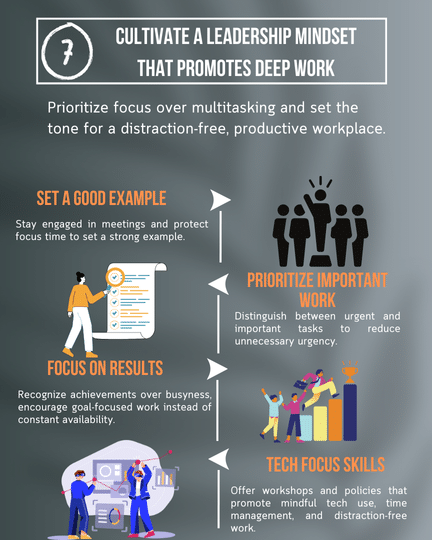
Why Emotional Resilience Training Is Important for Managers and Executives

Honestly, being a leader now? It’s tough. You might run a team, push for company gains, or navigate unclear times; all this drains your time, strength, and mind. And while leadership guides discuss plans, goals, and output, they miss the key piece: emotional resilience.

You’re not alone, if you’ve felt empty after stacked meetings, swamped by constant choices, or fought to stay cool in hard talks. These aren’t just quick stress hits. For many bosses, there are daily fights that slowly hurt results, well-being, and even self-belief.

This is why emotional resilience training counts. It’s not just a bonus skill; it’s a core tool that lets leaders recover from stress, lead clearly, and thrive at work without crashing. Let’s find out why emotional resilience is important—and how it builds the type of leadership that endures.

What Is Emotional Resilience, Really?

So, what exactly is emotional resilience? No, it’s not just about keeping calm and sipping green tea while your inbox explodes.

At its core, emotional resilience is your ability to stay grounded, clear-headed, and steady when things around you feel anything but. It’s about bouncing back after a rough meeting, a difficult decision, or one of those “nothing ’s-going-right” weeks. But more importantly, it’s about staying mentally agile enough to respond, not react, to pressure.

Now here’s the common mix-up: being tough is not the same as being resilient. Toughness is often about pushing through, bottling things up, and soldiering on. That might work for a while, but over time, it wears people down. Resilience, on the other hand, is more like mental flexibility. It allows you to absorb the hit, adjust, and still move forward, with your sense of self (and your sense of humor) intact.

And in leadership? That matters more than ever. As an executive or manager, you’re not just handling your own challenges. You’re holding space for your team’s needs, navigating the highs and lows of the business, and often doing it all in high-stakes environments. Resilience is what keeps your performance steady, your decisions thoughtful, and your presence strong—even when things get messy.

So no, resilience doesn’t mean you never get stressed. It means you know how to reset, reframe, and rise—without needing a two-week sabbatical every time things get intense.

Emotional Resilience Training

Daily Challenges That Drain Even the Best Leaders

You don’t need a crisis to feel overwhelmed as a manager or executive. Sometimes, it’s just the day-to-day grind that slowly chips away at your energy and clarity.

There’s the decision fatigue—hundreds of choices, big and small, all needing your attention before lunch. Then come the back-to-back meetings, where you’re expected to be insightful, calm, and strategic… even if your brain is running on fumes. Add in a surprise client issue, an underperforming team member, or a curveball from senior leadership, and suddenly your “normal day” feels like an uphill climb.

Sound familiar?

Then there’s the constant mental juggling. You’re not just thinking about today—you’re forecasting next quarter, solving current problems, and trying to squeeze in a few minutes to think creatively (often with little success). This level of sustained cognitive and emotional load is something most leadership books skip right over.

And here’s the kicker: because many leaders are high performers, they power through and keep pushing. But that doesn’t mean it’s not taking a toll. Over time, this slow burn can lead to:

  • Irritability or emotional flatness
  • Poor decision-making under pressure
  • Eroded self-confidence
  • Physical symptoms like fatigue, tension, or poor sleep
  • And eventually, burnout

These aren’t dramatic breakdowns—they’re gradual declines. The kind you barely notice until you’re not showing up the way you used to.

And that’s exactly why emotional resilience matters. Because when these challenges are your “normal,” you need more than time management tips. You need internal tools that help you stay balanced, sharp, and steady—even when the heat is on.

How Emotional Resilience Training Makes a Real Difference

Here’s the good news: resilience isn’t something you’re either born with or not. It’s a skill. And like any skill, it can be trained, strengthened, and refined over time.

Emotional resilience training helps leaders build the internal capacity to manage stress, stay mentally agile, and respond thoughtfully under pressure. It’s the difference between reacting on autopilot and pausing just long enough to make a better choice—especially when everything around you feels urgent.

So what does this actually look like in action?

  • Stress becomes fuel, not friction
    Instead of being derailed by tension, resilient leaders learn to channel it—turning challenges into growth moments instead of roadblocks.
  • Sharper thinking in high-pressure moments
    Ever freeze during a tough meeting or lash out when you didn’t mean to? Training helps you stay grounded and focused when it matters most.
  • More productive conversations
    Emotional resilience strengthens emotional regulation. You listen better, stay calmer, and communicate with clarity—even during conflict.
  • Stronger presence and trust
    Teams follow leaders who project steadiness and confidence. Resilience training enhances your ability to “hold the room” even in turbulent times.
  • Better self-recovery after tough days
    It’s not about avoiding bad days—it’s about bouncing back faster and not letting one tough moment define your entire week.

Think of it as mental fitness—without the gym membership or sweaty workout clothes. Like any other form of training, consistency is key. However, even small practices, done regularly, can build the kind of calm, centered leadership that people naturally respect and trust.

The Long-Term Payoff for Career Growth

Here’s something most people don’t say out loud: being good at your job isn’t always enough to get ahead. Especially in leadership roles, it’s how you handle pressure, setbacks, and uncertainty that shapes your trajectory.

That’s where emotional resilience becomes your secret advantage.

Resilient leaders are the ones others lean on when things go sideways. They’re seen as steady, trustworthy, and capable of navigating complexity without falling apart. And that kind of leadership gets noticed.

Here’s how resilience training pays off in the long run:

  • You’re more promotable
    Executives who keep a level head in high-stakes situations are seen as ready for more responsibility. It signals maturity, not just competence.
  • You avoid burnout—and stay consistent
    Career growth isn’t about occasional wins; it’s about sustained performance over time. Resilience helps you show up fully, day after day, without crashing.
  • You become a magnet for talent
    High-performing teams want to work with leaders who stay composed, communicate well, and don’t spread their stress like wildfire. Resilience makes you that leader.
  • You handle transitions with more grace
    Whether it’s a new role, company reorg, or global disruption, you’re better equipped to adapt—and to help others do the same.
  • You lead with presence, not pressure
    People follow confident leaders, not reactive ones. Resilience gives you the calm authority that makes people listen—and trust.

In short, emotional resilience isn’t just about surviving tough days. It’s about creating the mental and emotional foundation that lets you grow in your role, lead others effectively, and build a career that doesn’t just look good on paper—but feels sustainable in real life.

Emotional Resilience Training

What’s Missing from Most Leadership Training Programs

Most leadership programs do a great job teaching the what—how to set goals, lead meetings, manage performance, and craft strategy. But they often skip the how to stay sane while doing it all. That’s where things quietly fall apart.

The truth is, that -=00000tant—it’s because it’s often misunderstood. It’s harder to measure than KPIs and less flashy than leadership frameworks. But its absence can be felt in every overwhelmed manager and every burned-out exec barely keeping it together behind the scenes.

Here’s what’s typically missing:

  • Real tools for mental recovery
    You’re taught to lead others, but not how to manage your own emotional battery after tough days. Resilience training fills that gap.
  • Mindset management
    Strategy without emotional control is like a Ferrari with no brakes. Programs often miss the mental fitness needed to lead with balance.
  • Support for internal challenges
    Most training focuses outward—communication, delegation, systems. But what about dealing with self-doubt, imposter syndrome, or leadership fatigue?
  • Practical skills for staying centered
    Breathing techniques, reframing, emotional regulation—these aren’t fluffy “extras.” They’re the underpinnings of strong leadership presence.

Let’s be honest: we prep leaders to run board meetings but not for the wave of anxiety that can hit five minutes before. We teach performance reviews, but not how to stay emotionally steady when delivering hard feedback to someone you care about.

Resilience training fills in the human side of leadership. And without it, all those other skills can fall flat under real-world pressure.

How to Get Started with Emotional Resilience Training

The idea of training your emotional resilience might sound a bit abstract—like something reserved for athletes, monks, or people with way too much free time. But here’s the truth: you don’t need a sabbatical or a silent retreat to start. Small, consistent practices can go a long way—and you can begin right where you are, even in between meetings.

Here’s how to ease into it without adding “another thing” to your already-packed schedule:

  • Start with micro-practices
    • Just 2–3 minutes of intentional breathing between calls can reset your nervous system.
    • Before difficult conversations, pause and ask yourself: “What’s the outcome I want, and who do I want to be in this moment?”
  • Reframe, don’t just react
    • Learn to catch negative spirals early. Instead of “This is a disaster,” try “This is a challenge I haven’t solved—yet.”
    • This small shift in language changes how your brain processes stress.\
  • Use tools that work for your brain
    • Journaling, short meditations, mindful walks, or resilience-focused coaching are all valid paths. The right one is the one you’ll actually stick to.
    • Apps like Headspace, Calm, or even ManagerUp’s own guides can help make it practical (and painless).
  • Build it into your routine
    • Don’t wait for a crisis to build resilience. Think of it like brushing your teeth—it’s daily maintenance for your mental clarity.
    • Tie it to habits you already have. Coffee break? Add a two-minute check-in with your breath. End of the day? Reflect on one thing you handled well.
  • Make it okay to prioritize your mind
    • Resilience isn’t a sign of luxury—it’s a tool for high performance.
    • And no, you’re not “soft” for investing in your emotional strength. You’re strategic.

Getting started doesn’t have to be perfect. It just needs to be intentional. And the more you practice, the more you’ll notice: sharper thinking, calmer responses, and a greater sense of control—even when everything else is out of your hands.

Emotional Resilience Training

Final Thoughts – The Kind of Leadership That Lasts

Let’s be honest—stress isn’t going anywhere. The meetings, the pressure, the unexpected challenges… they’ll keep showing up. But here’s the shift: you don’t have to be at their mercy.

Emotional resilience doesn’t promise a stress-free career. What it gives you is the inner foundation to handle stress differently. To lead with more clarity, show up with more presence, and recover faster when things get messy—which they will.

For managers and executives, this isn’t a soft skill. It’s a survival skill. The kind that separates the leaders who burn bright and burn out… from those who build careers that are successful, sustainable, and deeply fulfilling.

And the best part? You don’t have to overhaul your life to become more resilient. A few intentional shifts—regularly practiced—can have a lasting impact on how you lead, how you feel, and how you grow.

So no, emotional resilience isn’t a buzzword. It’s your buffer, your fuel, and your edge.

And that kind of leadership? It’s the kind that lasts.

Let’s see what sticks! Take this quiz to see how much information you’ve retained.

1

Emotional Resilience Training

Find out if you know the importance of emotional resilience training.

1 / 10

What is emotional resilience?

2 / 10

Which behavior shows resilience?

3 / 10

Which mindset supports resilience?

4 / 10

What’s a key cause of executive burnout?

5 / 10

How does resilience affect decision-making?

6 / 10

What’s a sign you’re low on resilience?

7 / 10

Which tool helps build resilience?

8 / 10

What’s better than reacting emotionally in meetings?

9 / 10

How can leaders build resilience daily?

10 / 10

What’s missing in many leadership programs?

Your score is

The average score is 0%

0%

Strengthening Your Mind With Resilience Yoga For Better Performance

Resilience and yoga seem like opposites. Resilience is about mental strength and perseverance, while yoga is seen as calm and letting go. For managers, resilience is key to making tough decisions, leading teams, and staying ahead. But can relaxation actually make you tougher?

Many believe strength comes from pushing through stress and relying on sheer willpower. Yet, this often leads to burnout, poor decisions, and mental fatigue. On the other hand, pure relaxation may feel ineffective under pressure. What’s needed is a way to combine strength with the clarity and balance of yoga.

Resilience yoga does just that. It’s not about just chilling out—it’s about training your mind to stay strong, clear, and focused. In this article, we’ll explore how it helps leaders boost performance, reduce stress, and build lasting resilience, whether you’re new to yoga or a skeptic.

Why Toughness Alone Doesn’t Work

(Setting Up the Problem)

Resilience Yoga
Click on the image to see a full infographic opens in new tab

Many managers and executives pride themselves on pushing through stress, working long hours, and never backing down from a challenge. The belief is simple: Resilience means endurance. If you can just power through exhaustion, pressure, and setbacks, you’ll come out stronger on the other side.

But here’s the problem—this approach doesn’t actually build resilience. Instead, it often leads to:

  • Burnout: Constant overwork drains energy, leaving you mentally and physically exhausted.
  • Bad decisions: A tired brain struggles with focus and clarity, leading to poor choices.
  • Brain fog: Stress overload makes it harder to think creatively, solve problems, or stay productive.
resilience yoga

Resilience Isn’t Just Endurance—It’s Adaptability

Resilience Yoga
Click on the image to see a full infographic opens in new tab

True resilience isn’t about grinding through stress until you collapse. It’s about adapting to pressure, staying clear-headed, and knowing when to push forward or when to step back. Research shows that resilient people don’t just push harder—they adjust smarter. They recognize that:

  • Mental strength is about flexibility, not force. Just like a tree that bends in the wind instead of breaking, resilient leaders know how to adapt to challenges.
  • Sustainable success comes from balance. The ability to pause, reset, and manage energy levels is what keeps high performers at their best long-term.

Why Caffeine-Fueled Willpower Isn’t a Long-Term Strategy

Resilience Yoga
Click on the image to see a full infographic opens in new tab

Let’s be honest—many professionals run on caffeine, stress, and sheer determination. Coffee can wake you up, but it can’t fix mental exhaustion, decision fatigue, or emotional strain. If willpower and espresso shots were enough to maintain resilience, burnout wouldn’t be so common among executives.

Instead of relying on more caffeine and more hours, what if you could:
✅ Stay mentally sharp without overworking?
✅ Handle stress without feeling overwhelmed?
✅ Maintain focus without running on fumes?

That’s where resilience yoga comes in. It’s not about slowing down—it’s about staying strong without breaking down.

How Yoga Builds Real Resilience

(Breaking the Myth of “Just Relaxation”)

Many professionals view yoga as just stretching and deep breathing—a practice for relaxation rather than resilience. But the truth is, yoga isn’t about checking out; it’s about tuning in. It strengthens the mind-body connection, helping you manage stress, stay clear-headed, and make better decisions under pressure.

The Neuroscience Behind Yoga and Mental Strength

Resilience Yoga
Click on the image to see a full infographic opens in new tab

Studies show that regular yoga practice rewires the brain in ways that enhance resilience:

  • Increases Prefrontal Cortex Activity: This is the part of the brain responsible for decision-making, problem-solving, and emotional control—critical skills for leaders.
  • Lowers Cortisol Levels: High stress levels cloud judgment and drain energy. Yoga helps regulate the body’s stress response so you can stay calm and focused.
  • Strengthens Adaptability: Yoga encourages mental flexibility, making it easier to adjust to challenges instead of resisting them.

In short, yoga doesn’t just help you relax—it helps you build the kind of resilience that keeps you sharp under pressure.

Why Top Executives Use Mind-Body Strategies to Stay Sharp

Resilience Yoga
Click on the image to see a full infographic opens in new tab

More and more high-performing executives are turning to yoga, mindfulness, and breathwork as a way to stay at the top of their game. Why? Because they understand that:

  • Physical and mental resilience go hand in hand. A tense body creates a tense mind. Yoga helps release physical stress, which improves mental clarity.
  • Resilient leaders don’t just endure stress—they manage it. The ability to stay calm and focused under pressure is what sets great leaders apart from overwhelmed ones.
  • Small practices create big changes. You don’t need an hour-long yoga session to see results. Even a few minutes of breathwork or movement can make a noticeable difference.

Key Resilience Yoga Practices for Managers

(Practical Application Begins)

Resilience Yoga
Click on the image to see a full infographic opens in new tab

By now, it’s clear that resilience isn’t just about pushing harder—it’s about managing stress effectively. The good news? You don’t need an hour-long yoga session or a fancy retreat to start building mental toughness. Just a few simple, strategic yoga techniques can make a big impact.

Here are four practical resilience yoga techniques designed for busy managers and executives:

1. The “Pause Before the Storm” Breathing Exercise

(For high-pressure moments)

When to Use It: Right before an important meeting, tough conversation, or high-stakes decision.

How It Works:

  • Inhale deeply for four seconds, hold for four seconds, then exhale slowly for six seconds.
  • Repeat three to five times to lower stress levels and regain mental clarity.

Why It Works: It slows the heart rate, reduces anxiety, and keeps you from reacting impulsively under pressure.

2. The Power Pose That Boosts Confidence

(Because slouching leaders don’t inspire much confidence!)

When to Use It: Before a big presentation or any moment where you need to project authority.

How It Works:

  • Stand tall with feet shoulder-width apart, hands on hips, and chest lifted.
  • Hold the pose for 60 seconds while breathing deeply.

Why It Works: Studies show that body posture affects mindset. This expansive pose helps you feel strong, confident, and ready to take charge.

3. The Five-Minute Focus Flow

(For busy schedules)

When to Use It: Midday, when your brain starts to feel sluggish or unfocused.

How It Works:

  • Neck Rolls: Gently roll your head in a circular motion (3 times each side).
  • Shoulder Shrugs: Lift shoulders to your ears, then release (5 reps).
  • Seated Twist: While sitting, place one hand on the opposite knee and gently twist your torso (hold for 10 seconds per side).
  • Forward Fold: Stand up, bend forward, and let your arms hang (hold for 20 seconds).

Why It Works: Releases physical tension, boosts blood flow to the brain, and resets mental focus in just a few minutes.

4. The Grounding Technique for Difficult Conversations

(Because sometimes you need to hold a pose AND your patience!)

When to Use It: During or before a tough conversation with a colleague or client.

How It Works:

  • Plant both feet firmly on the ground while sitting or standing.
  • Take three slow breaths, focusing on how the ground supports you.
  • Maintain soft, relaxed shoulders and an open posture.

Why It Works: Helps regain composure, prevents emotional overreactions, and improves active listening.

resilience yoga

How to Make Resilience Yoga Work in a Busy Schedule

(Solving the Time Excuse)

Resilience Yoga
Click on the image to see a full infographic opens in new tab

We all know that most managers and executives don’t have an hour to spare for yoga every day. Back-to-back meetings, emails piling up, and endless to-do lists make it easy to push self-care to the bottom of the priority list.

The easy way? Resilience yoga doesn’t have to take up extra time. You don’t need to roll out a mat in your office or block an hour on your calendar. Instead, small, strategic micro-practices can fit seamlessly into your daily routine.

1. The Under-Five-Minute Rule

(Short is better than never)

The key to making resilience yoga work? Keep it short and easy to access. Even just two to five minutes of a breathing exercise or a simple stretch can reset your mind and body.

Try This:

  • Do one deep breathing exercise between meetings.
  • Hold a power pose for 60 seconds before a big call.
  • Stretch your neck and shoulders while reviewing your next agenda.

Why It Works: Small, frequent moments of yoga create a cumulative effect, reducing stress without taking time away from work.

2. Integrate Yoga Into Your Daily Leadership Moments

(No extra time required!)

Instead of treating yoga as an extra task, weave it into things you’re already doing:

Where to Sneak It In:

  • Before meetings: Take three grounding breaths for composure.
  • While working at your desk: Stretch your shoulders or do a seated twist.
  • During difficult conversations: Use mindful breathing to stay calm and present.
  • After a stressful call: Take 60 seconds for a forward fold or deep breathing.

Why It Works: You’re not adding yoga to your schedule—you’re embedding it into your existing habits.

3. Shift from “All or Nothing” to “Something is Better Than Nothing”

Many professionals avoid yoga because they assume they need a full session to see results. But here’s the reality: consistency beats intensity.

Old Thinking: “If I don’t have 30 minutes for yoga, I’ll skip it.”
New Thinking: “One minute of deep breathing is still progress.”

Why It Works: Small practices build momentum, creating long-term habits without feeling overwhelming.

Resilience yoga is about working smarter, not harder. It’s not about carving out more time—it’s about using the time you already have more effectively.

The Long-Term Benefits for Leadership & Performance

(Tying It Back to Business Growth)

Resilience Yoga
Click on the image to see a full infographic opens in new tab

By now, it’s clear that resilience yoga isn’t just about relaxation—it’s a leadership tool. When practiced consistently, even in small doses, it creates long-term advantages that directly impact executive performance, decision-making, and leadership presence.

Here’s how resilience yoga transforms managers and executives into sharper, more effective leaders:

1. Sharper Focus and Faster Decision-Making

Why It Matters:

  • Leaders make hundreds of decisions every day. Mental fatigue leads to slower reactions, poor judgment, and second-guessing.
  • Yoga strengthens the brain’s executive function, improving concentration and helping leaders cut through the noise.

The Science: Studies show that meditative practices (like those in yoga) enhance cognitive flexibility, making it easier to think clearly under pressure.

The Takeaway: A clear mind makes faster, smarter decisions.

2. Emotional Resilience—Handling Setbacks Without Losing Momentum

Why It Matters:

  • Resilient leaders bounce back quickly from setbacks instead of getting stuck in frustration or self-doubt.
  • Yoga improves emotional regulation, helping managers stay calm even when things don’t go as planned.

The Science: Yoga activates the parasympathetic nervous system, reducing stress hormones and keeping impulse reactions in check.

The Takeaway: Less emotional reactivity = better leadership under pressure.

3. A More Confident and Inspiring Leadership Presence

Why It Matters:

  • Leaders set the tone for their teams. A stressed-out executive creates a tense environment. A leader who remains calm and composed earns trust and respect.
  • Good posture, steady breathing, and a relaxed but strong presence influence how others perceive you.

The Science: Research on power poses (which are common in yoga) shows they increase confidence and reduce anxiety.

The Takeaway: A leader who exudes calm confidence creates a more motivated and engaged team.

resilience yoga

4. Long-Term Career Sustainability

Why It Matters:

  • Many high-performing professionals burn out before reaching their full potential.
  • Resilience yoga teaches leaders how to sustain high performance without sacrificing health and well-being.

The Science: Regular yoga improves sleep, reduces anxiety, and lowers the risk of chronic stress-related health issues.

The Takeaway: The most successful leaders aren’t just skilled—they’re also resilient enough to stay in the game for the long haul.

Final Thoughts

Resilience isn’t about pushing harder—it’s about managing stress in a way that keeps you strong, focused, and effective. As a busy manager or executive, you don’t have time for burnout, brain fog, or poor decision-making. That’s why resilience yoga is more than just a relaxation tool—it’s a strategy for sustaining high performance. 

By integrating small yet powerful practices like mindful breathing, posture adjustments, and short movement exercises, you can sharpen your focus, regulate stress, and lead with confidence. The best part? It doesn’t require extra time, just a shift in approach. 

Start with one small practice today—whether it’s a deep breath before a meeting or a grounding exercise during a tough conversation—and experience how resilience yoga strengthens your mind, enhances your leadership, and fuels your long-term success.

Did you catch all the details? This quiz will reveal your attention to detail.

0

Strengthening Your Mind With Resilience Yoga

Check if you know how yoga strengthens your mind.

1 / 10

What does resilience mean in the workplace?

2 / 10

Which of these is a sign of burnout?

3 / 10

Why is willpower alone not enough to stay resilient?

4 / 10

What does resilience yoga help with the most?

5 / 10

Which simple yoga practice can help in high-pressure moments?

6 / 10

What’s the main benefit of mindful breathing before a meeting?

7 / 10

Which posture can boost confidence before a big presentation?

8 / 10

Why is adaptability important for resilience?

9 / 10

What is the best way to stay focused during a stressful workday?

10 / 10

How can a five-minute focus flow help during the workday?

Your score is

The average score is 0%

0%

Enhance Emotional Intelligence At Work For Remarkably Strong Workplace Relationships

What if the key to transforming your workplace wasn’t a new strategy or a bigger budget? It’s not just brainpower; it’s how you get along with people- your emotional intelligence at work. You might be super skilled, but you won’t lead well if you’re bad at feelings, trust, and talking clearly. That’s why being emotionally smart is key today. Bosses who “get it” inspire teams, fix problems easily, and make work nice.

Lots of folks hold back without knowing, due to feeling blind spots. They miss social cues, snap when stressed, or don’t see their team’s needs—causing unhappy workers, bad work vibes, and slow careers. Studies say that low EQ means people quit, teams fight, and leaders fail. It’s not about being dumb or lazy; it’s often about missing emotional awareness and connection.

Luckily, you can learn emotional intelligence. It’s not something you’re born with. Whether you’re a big boss or just starting, learning about feelings, talking with care, and building bonds changes how you lead. In this post, we’ll see how emotional intelligence helps work friendships and give tips to use it daily for a good career.

Why Emotional Intelligence Makes Work Better?

Emotional Intelligence At Work
Click on the image to see a full infographic opens in new tab

Workplaces are full of different personalities, opinions, and emotions. Sometimes, it feels like everyone is on the same page. Other times, one misread email or an awkward comment can throw everything off track. This is where emotional intelligence (EI) becomes a game-changer. It helps people work better together, build stronger teams, and reduce unnecessary stress.

Helps Avoid Misunderstandings

Have you ever said something in a meeting, only to be met with silence or strange looks? Or maybe you’ve misunderstood a coworker’s tone over email and assumed they were upset when they weren’t. These small miscommunications happen all the time—and they can slow down projects, create tension, and even damage workplace relationships.

With emotional intelligence, people become more aware of how they communicate and how others might interpret their words or actions. Instead of jumping to conclusions or assuming the worst, they take the time to clarify, listen, and respond thoughtfully. This prevents unnecessary conflicts and makes teamwork much smoother.

For Example: Instead of assuming a coworker’s short email response means they’re annoyed, an emotionally intelligent person asks for clarification before taking it personally.

emotional Intelligence at work

Builds Trust and Teamwork

Trust is the foundation of a great team. But trust doesn’t just happen—it’s built over time through open communication, respect, and understanding. Emotionally intelligent employees pick up on team dynamics, listen actively, and create an environment where people feel comfortable sharing their thoughts.

When teams trust each other, they:
Communicate openly instead of holding back concerns.
Collaborate more easily because they feel heard and valued.
Resolve conflicts faster without unnecessary drama.

For Example: A team working on a high-pressure project might have different opinions on how to proceed. Instead of letting disagreements turn into personal conflicts, emotionally intelligent coworkers listen, acknowledge each other’s perspectives, and find a middle ground.

Reduces Stress and Tension

Work stress is inevitable. Tight deadlines, last-minute changes, and unexpected challenges can make even the calmest person feel overwhelmed. However, how you handle stress affects not just you but the entire team.

People with strong emotional intelligence:
✅ Recognize their stress triggers and manage their reactions.
✅ Stay composed instead of spreading frustration.
✅ Help de-escalate tense situations rather than adding to them.

For Example: Instead of panicking when a deadline gets moved up, an emotionally intelligent employee acknowledges the challenge, stays focused, and encourages the team to find solutions together.

“Without emotional intelligence, office drama spreads faster than the latest work gossip”

A workplace without EI is like a soap opera—full of misunderstandings, unnecessary tension, and dramatic reactions. But with the right emotional skills, teams communicate better, work through issues calmly, and create a more positive environment.

Five Emotional Intelligence Skills That Improve Work Relationships

Now that we understand why emotional intelligence makes work better, let’s dive into the specific skills that help improve workplace relationships. These skills go beyond basic leadership qualities—they shape how we interact with colleagues, handle workplace challenges, and build strong professional connections.

1. Emotional Awareness – Recognizing the Mood of the Room

Emotional Intelligence At Work
Click on the image to see a full infographic opens in new tab

Have you ever walked into a meeting and immediately sensed tension—even before anyone spoke? Or maybe you’ve been in a situation where a coworker seemed distracted, but you weren’t sure why.

This is where emotional awareness comes in. It’s the ability to read the emotions of those around you and adjust accordingly. Instead of misjudging a situation or reacting too quickly, emotionally aware employees take a step back and assess what’s really going on.

Why It Matters: Prevents unnecessary conflicts, improves team collaboration, and helps leaders respond appropriately to situations.

For Example: Your manager is short with their responses during a meeting. Instead of assuming they’re upset with you, you recognize that they’re stressed about an upcoming deadline and respond with patience instead of frustration.

2. Emotional Boundaries – Protecting Your Energy Without Being Distant

Emotional Intelligence At Work
Click on the image to see a full infographic opens in new tab

We all know someone at work who constantly complains, vents, or brings negative energy into conversations. While it’s important to be supportive, it’s equally important to set boundaries so you don’t absorb their stress.

Emotional boundaries help you stay empathetic without getting emotionally drained. It means knowing when to help and when to step back to protect your own mental well-being.

Why It Matters: Prevents burnout, keeps workplace interactions professional, and allows you to stay focused on your own work.

For Example: A coworker frequently unloads their personal stress on you. Instead of absorbing their emotions, you offer support while redirecting the conversation back to work—keeping things professional while still being kind.

3. Social Awareness – Understanding Group Dynamics

Emotional Intelligence At Work
Click on the image to see a full infographic opens in new tab

Every workplace has unspoken dynamics—who gets along, who avoids each other, and how different personalities interact. People with high social awareness can navigate these dynamics effortlessly, making them more effective in team settings.

This skill helps you recognize tension, adapt your approach, and build stronger relationships. It also prevents you from accidentally stepping into office politics or misreading team interactions.

Why It Matters: Strengthens workplace relationships, reduces miscommunication, and improves teamwork.

For Example: You notice two coworkers aren’t speaking much after a project disagreement. Instead of forcing a discussion, you adapt how you communicate with them separately to maintain team harmony.

4. Patience Under Pressure – Staying Calm When Things Go Wrong

Emotional Intelligence At Work
Click on the image to see a full infographic opens in new tab

Work comes with stress, deadlines, and last-minute changes—but how you handle pressure affects everyone around you. Emotionally intelligent people stay composed in tough situations, preventing stress from spreading to the whole team.

Instead of getting defensive, snapping at colleagues, or panicking, this skill allows you to think clearly, respond rationally, and keep the team moving forward.

Why It Matters: Helps prevent workplace meltdowns, improves problem-solving, and creates a more positive work environment.

For Example: Your team faces a last-minute deadline change. Instead of venting frustration, you stay focused on solutions, reassure your team, and break the work into manageable steps.

5. Encouraging Others – Creating a Positive Work Environment

Emotional Intelligence At Work
Click on the image to see a full infographic opens in new tab

A little encouragement goes a long way. In a fast-paced work setting, people often focus on what’s wrong rather than recognizing what’s going well.

Emotionally intelligent employees actively uplift their coworkers—whether through a small compliment, a quick thank-you, or simply acknowledging hard work. This builds trust, motivates the team, and creates a workplace where people want to collaborate.

Why It Matters: Increases morale, improves collaboration, and makes work more enjoyable for everyone.

For Example: Instead of only giving feedback when something is wrong, you take a moment to acknowledge a teammate’s great idea or effort, making them feel valued.

emotional Intelligence at work

Role of Emotional Intelligence in Solving Common Workplace Problems 

Every workplace has its challenges—miscommunications, difficult coworkers, stressful deadlines, and uncomfortable feedback. But while these problems are inevitable, how you handle them makes all the difference.

Emotionally intelligent people don’t just react to problems—they navigate them smoothly. Here’s how emotional intelligence helps solve some of the most common workplace issues.

Team Misunderstandings 

Have you ever had an email taken the wrong way? Or said something in a meeting that someone misinterpreted? Small misunderstandings can snowball into unnecessary conflict if not handled properly.

How EI Helps:
✅ Emotionally intelligent employees pause and clarify instead of assuming the worst.
✅ They ask follow-up questions to make sure everyone is on the same page.
✅ They pay attention to tone, facial expressions, and reactions to adjust their communication style.

For Example: You send an email with a short, direct response. A coworker seems cold afterward. Instead of assuming they’re upset, you check in: “Hey, I hope my email didn’t come across as rude—I just wanted to be quick. Let me know if anything needs more detail.”

Click on the image to see a full infographic opens in new tab

Difficult Coworkers 

Not everyone at work will be easy to get along with. Some colleagues are overly critical, passive-aggressive, or always looking for a debate. Instead of letting their negativity affect you, emotional intelligence helps you handle these personalities with patience and professionalism.

How EI Helps:
✅ Recognizes that difficult behavior often comes from personal stress or insecurity rather than intentional hostility.
✅ Uses self-regulation to avoid snapping back or reacting emotionally.
✅ Knows when to engage and when to disengage from unproductive conversations.

For Example: A coworker constantly criticizes ideas in meetings. Instead of feeling attacked, you stay calm and ask for constructive feedback: “I’d love to hear your perspective. How would you improve this approach?” This shifts the conversation from criticism to collaboration.

Receiving and Giving Feedback

Feedback is a part of professional growth, but let’s be honest—it doesn’t always feel great. Some people get defensive, while others shut down completely. On the flip side, some managers deliver feedback too harshly, making employees disengage.

How EI Helps:
✅ Helps separate feedback from personal attacks—understanding that criticism is about improving work, not questioning your value.
✅ Makes it easier to stay calm and process feedback rationally.
✅ Helps managers deliver feedback in a constructive, solution-focused way.

For Example: Instead of reacting defensively when your boss says, “Your report needs a clearer structure,” an emotionally intelligent response would be: “Thanks for the feedback! Could you give me an example of what would make it clearer?” This keeps the conversation positive and solution-oriented.

Emotional Intelligence At Work
Click on the image to see a full infographic opens in new tab

Office Tension and Stress 

Tight deadlines, last-minute changes, and unexpected challenges are part of any job. But stress spreads—if one person panics, it can create a chain reaction of anxiety across the team.

How EI Helps:
✅ Helps you recognize and manage stress before it escalates.
✅ Encourages a problem-solving mindset instead of focusing on frustration.
✅ Allows you to support teammates who are struggling, creating a calmer team dynamic.

For Example: A project deadline suddenly moves up. Instead of panicking or venting frustration, an emotionally intelligent response is: “Okay, let’s focus on what we can control. What’s our top priority right now?” This keeps the team focused on solutions instead of stress.

Easy Ways to Boost Emotional Intelligence at Work

Emotional intelligence isn’t something you either have or don’t—it’s a skill that can improve with practice. Small adjustments in how you communicate, respond, and manage emotions can transform your workplace relationships.

Here are some simple but powerful ways to boost your EI at work starting today.

Pause Before Reacting 

Work situations can be frustrating. Maybe a coworker dismissed your idea, or your manager gave you last-minute changes on a big project. Your first instinct might be to snap back, vent, or shut down.

But reacting instantly often makes things worse. Taking a moment before responding helps you stay in control instead of letting emotions take over.

What to Do: When something triggers frustration, pause, take a breath, and choose your response.

For Example: Instead of replying to an annoying email right away, step away for a minute. When you return, you’ll likely respond in a more professional and productive way.

Ask Before Assuming 

Have you ever assumed a coworker was upset with you, only to find out they were just having a rough day? Jumping to conclusions causes unnecessary tension. Instead, emotionally intelligent people ask before assuming.

What to Do: If a coworker seems off, simply ask, “Hey, everything okay?” instead of assuming it’s about you.

For Example: Instead of thinking, “My boss seemed annoyed in that meeting; maybe I did something wrong,” an EI-driven response would be “They might just be stressed about their workload.”

Emotional Intelligence At Work
Click on the image to see a full infographic opens in new tab

Reframe Problems 

Mistakes happen, deadlines shift, and unexpected problems arise. Instead of blaming others or dwelling on the issue, emotionally intelligent people focus on solutions.

What to Do: Shift from “This is so frustrating!” to “What’s the best way to fix this?”

For Example: A coworker misses a deadline, delaying your work. Instead of complaining about their mistake, a better approach is, “How can we get back on track?”

Improve Workplace Conversations 

The way you say something matters as much as what you say. Poor communication can lead to misunderstandings, conflicts, or people feeling unappreciated.

What to Do:

  • Use positive, clear language.
  • Instead of saying, “That won’t work,” try, “Let’s look at a different approach.”
  • Instead of “You need to do better,” try “Here’s how we can improve next time.”

For Example: Instead of telling a coworker, “Your report was confusing,” say “Your report had great points! Adding a summary could make it even clearer.”

emotional Intelligence at work

Keep Emotions in Check 

Let’s face it—work can be stressful. But letting emotions control your responses can harm workplace relationships and your professional reputation.

What to Do:

  • Recognize when emotions are rising and take a step back before reacting.
  • If something upsets you, give yourself time to cool off before responding.
  • If a situation feels overwhelming, break it down into manageable steps.

For Example: Instead of getting irritated in a tense meeting, an emotionally intelligent approach would be “Let’s take a moment to regroup and focus on the next step.”

Fina Verdict

Work isn’t just about deadlines, meetings, and projects—it’s about people. Every interaction, whether with a colleague, manager, or client, shapes the overall work environment. When emotional intelligence is lacking, misunderstandings escalate, tensions rise, and teamwork suffers. However, when employees develop emotional intelligence, everything changes. Teams communicate more clearly, trust grows, and conflicts are resolved before they turn into major issues. A workplace where people understand emotions—both their own and others’—is not just more productive but also more positive and enjoyable.

The good news is that emotional intelligence isn’t something you’re either born with or without—it’s a skill that can be improved. Small changes, like pausing before reacting, listening more attentively, and being mindful of how you express yourself, can have a big impact on your work relationships. The more you practice these skills, the more you’ll notice stronger connections, smoother collaboration, and a lower-stress work environment.

Ultimately, success at work isn’t just about intelligence or effort—it’s about how well you navigate relationships. If you want to create a happier, more productive workplace, start by strengthening your own emotional intelligence.

Let’s see what sticks! Take this quiz to see how much information you’ve retained.

0

Enhance Emotional Intelligence At Work

Find out if you know how EI can help you at work.

1 / 10

  1. How should you handle stress during tight deadlines?

2 / 10

  1. What’s the best way to deliver constructive feedback?

3 / 10

How can you show empathy toward a struggling coworker?

4 / 10

Which behavior demonstrates strong social awareness?

5 / 10

How should you react when you feel frustrated at work?

6 / 10

What does setting emotional boundaries at work mean?

7 / 10

Why is self-awareness important in the workplace?

8 / 10

How should you respond to a coworker’s short, unfriendly email?

9 / 10

Which action builds trust in a workplace relationship?

10 / 10

How do emotionally intelligent employees handle workplace misunderstandings?

Your score is

The average score is 0%

0%

How Emotional Intelligence Training Is Uplifting Executive Career Growth

Many bosses think skill and effort get them to the top—then they find they can’t go higher.

Michael was like that. Always doing well and getting great results, he thought moving up was just around the corner. But after being skipped again, he asked his boss for the real deal.

“Michael, you’re one of the sharpest here. But last month, when your team had issues with the new plan, you brushed them off quickly. Instead of hearing their worries and helping them through it, you stopped the chat. That’s why they don’t fully back you as a boss.”

That hurt. Michael always thought he was good at getting things done, but he didn’t see how his lack of emotional intelligence held him back.

Michael’s story isn’t rare. Many bosses unknowingly stop their own climb because they’re weak on emotional intelligence. The power to listen, feel with others, and talk with feeling is just as key as smart thinking. Without it, even the best workers see teams lose interest, fight their leadership, and miss chances to move up.

But here’s the thing: emotional intelligence isn’t set in stone—you can get better at them. With the right help, bosses can know themselves better, make stronger bonds, and lead with more power. This piece shows how emotional intelligence training changes careers, giving real tips for bosses ready to boost their success.

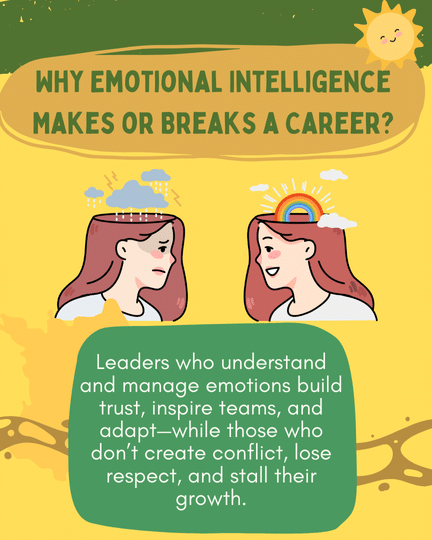
Why Emotional Intelligence Makes or Breaks a Career?

Emotional Intelligence Training
Click on the image to see a full infographic opens in new tab

Emotional intelligence isn’t just a “nice thing”—it’s a must if you want to lead well. Brains get you started, but feelings decide if you win or lose later.

What Does It Really Mean?

Lots of folks think emotional intelligence means being nice. That’s wrong. Emotional intelligence isn’t always about agreeing or dodging hard talks. It’s knowing feelings—yours and others’—and using that to lead right.

It means:

Staying calm when stressed – Not yelling at your team.

Making people trust you – So they respect you, not just your job.

Talking about tough stuff – Saying bad news without making a mess.

Knowing how people feel – Knowing when to push or listen.

Good leaders aren’t just smart on paper—they’re smart in real life. They know leading isn’t just about making the right choices; it’s making people believe in them.

What Happens If You Don’t Have It?

Not having emotional intelligence doesn’t just slow you down—it can stop you.

Think of the bosses you have had. You’ll remember:

❌ The boss who yelled at small mistakes, making everyone scared.

❌ The boss who never listened, making people angry.

❌ The boss who wouldn’t change, using old ways just to feel in charge.

Bosses with no emotional intelligence have:

  • Unhappy teams – People work for money, not the boss.
  • Stuck careers – Others don’t see them as good leaders.
  • A bad name – They’re smart but “hard to deal with.”

And let’s be honest—no one wants a boss who ignores feelings, ignores ideas, or makes work feel like a fight.

Why It’s Super Important Now?

Work has changed a lot. Now, people follow leaders they like. The “do what I say” thing? It’s gone.

  • Teams want leaders who listen, help, and guide.
  • People want work where they feel valued, not just useful.
  • Bosses who get feelings make better, happier teams.

That’s why emotional intelligence is a main tool now—not just extra. Getting good at feelings is key if you want to lead, inspire, and grow.

The Core Emotional Intelligence Skills Every Executive Needs

Now that we know why emotional intelligence matters, let’s look at key things good bosses should learn. Getting these feelings right isn’t being soft—it’s making good calls, building strong teams, and facing problems with guts.

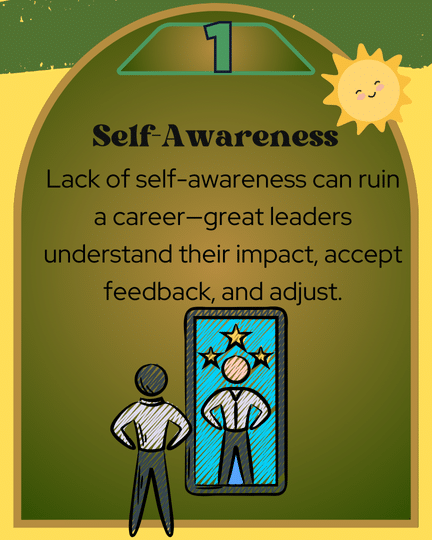
  1. Self-Awareness – Knowing Yourself Before Leading Others
Emotional Intelligence Training
Click on the image to see a full infographic opens in new tab

Ever had a boss who didn’t know how they looked to others? Maybe they thought they were cool, but people saw them as scary. Or they thought they talked well, but no one got what they meant. That’s not knowing yourself—and it kills careers. Bosses who know themselves: 

  • ✅ See their good and bad points. 
  • ✅ Know how their words affect others. 
  • ✅ Listen to feedback, don’t get mad. 

If you wonder why folks don’t tell you the truth, you need to know yourself better.

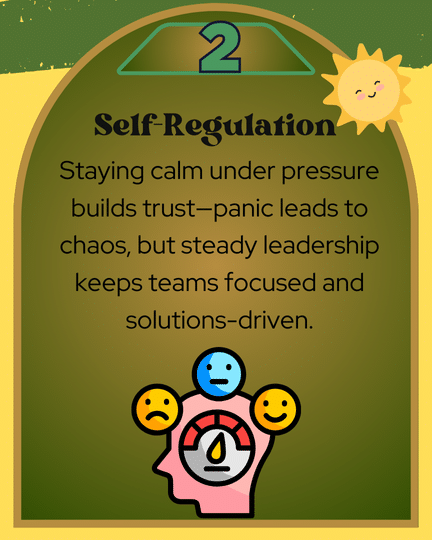
  1. Self-Regulation – Controlling Emotions Under Pressure
Emotional Intelligence Training
Click on the image to see a full infographic opens in new tab

Being a boss means big choices, tough talks, and surprise problems. If you freak out every time things go wrong, your team won’t trust you to lead them through trouble. Bosses who stay calm: 

  • ✅ Keep cool, even when things are bad. 
  • ✅ Think before they act. 
  • ✅ Don’t yell or make mad choices. 

❌ Bad Example: A boss who sends ALL CAPS emails when things mess up. 

✅ Good Example: A boss who says there’s a problem, calms the team, and looks for answers.

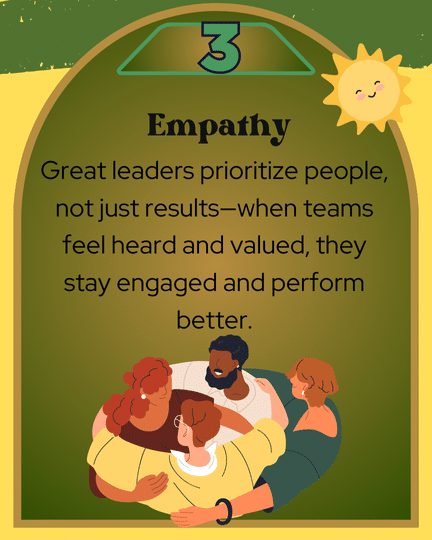
  1. Empathy – The Secret to Team Loyalty
Emotional Intelligence Training
Click on the image to see a full infographic opens in new tab

Bosses focus so much on goals, numbers, and results that they forget one thing—people do the work. And people want to be seen. Feeling what others feel isn’t just being sad when someone’s down—it’s being able to: 

  • ✅ See things from other views. 
  • ✅ Know what your team needs to stay happy.
  • ✅ Show you care about their problems. 

If your team doesn’t tell you their issues, they don’t think you’ll listen. Good bosses make folks feel heard—without needing to fix everything.

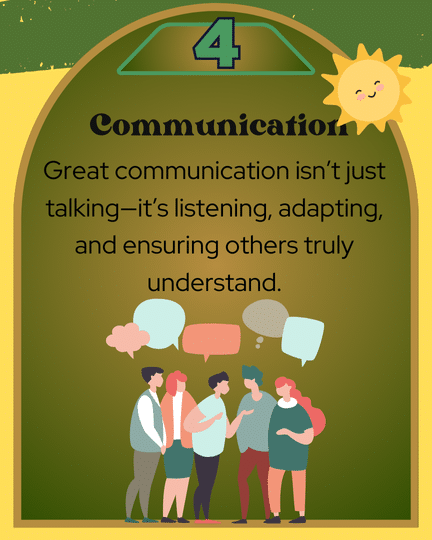
  1. Communication – Saying More with Less
Emotional Intelligence Training
Click on the image to see a full infographic opens in new tab

Good talkers don’t just speak—they listen, watch, and change how they talk. Talking isn’t just saying your ideas—it’s about: 

  • ✅ Knowing how people feel – Knowing when to push or stop. 
  • ✅ Saying things right – Making sure people get what you say. 
  • ✅ Handling hard talks – Giving feedback without hurting people.

❌ Bad Example: A boss who just talks too much in meetings, making everyone lost. 

✅ Good Example: Bosses who say what they mean, check if people get it, and ask for ideas.

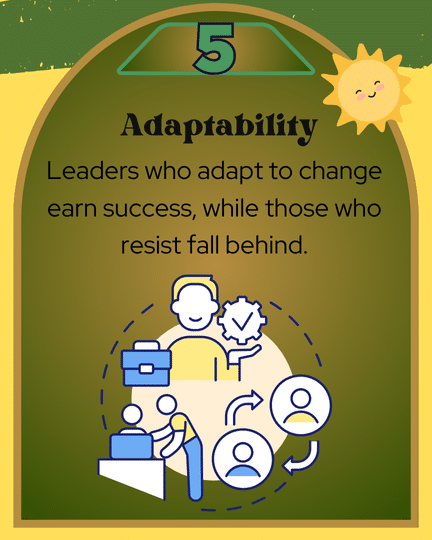
  1. Adaptability – Leading Through Change
Emotional Intelligence Training
Click on the image to see a full infographic opens in new tab

Rigid leaders don’t last. Business landscapes change, markets shift, and teams evolve. Leaders who can’t adapt will be left behind.

Bosses who change easily: 

  • ✅ Are open to new ideas and feedback. 
  • ✅ Stay calm when things aren’t sure. 
  • ✅ Change how they lead based on what’s happening. 

If you say, “We always do it this way,” you might need to change your thinking. 

Why Do These Skills Matter?

Getting these five emotional intelligence things right can make you a boss people like, not just put up with.

  • Self-awareness helps you see your blind spots.
  • Self-regulation stops feelings from ruining your leadership.
  • Empathy makes you a boss people trust.
  • Communication makes your message clear and works well.
  • Adaptability makes sure you stay ahead in a changing work world.

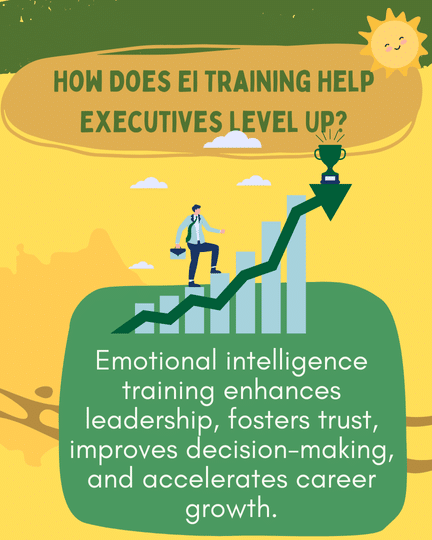
How Does Emotional Intelligence Training Help Executives Level Up?

We know the key feelings bosses need, so how do you learn them? Emotional intelligence lessons are key—not just “nice,” but a way for bosses to lead well and move up.

Emotional Intelligence Training
Click on the image to see a full infographic opens in new tab

It’s Real, Not Just Talk

Many people hear the words “emotional intelligence training” and imagine a session where everyone sits in a circle and talks about their feelings. That’s not how it works.

Good emotional intelligence lessons are about real stuff. They help bosses:

  • ✅ Get real feedback on how they lead.
  • ✅ Learn ways to get better at knowing themselves, feeling others, and talking.
  • ✅ Practice hard talks to make them better.

Example: Not just saying, “Be nicer,” but learning how to act right when things are tough.

The Career Benefits

Emotional intelligence lessons aren’t just about being “nicer”—they help your career in ways bosses can’t ignore.

  • ✅ Stronger Leadership Presence – You get noticed by making people feel heard, not by yelling.
  • ✅ Better Decision-Making – Less feeling-based, more smart thinking when stressed.
  • ✅ Higher Chances of Promotion – Companies pick bosses who inspire, influence, and get results.

The next time a leadership opportunity opens up, ask yourself—will they choose the technically brilliant leader who struggles with people or the emotionally intelligent leader who knows how to inspire a team?

Why Do Companies Value It?

Bosses who learn emotional intelligence things help themselves and the whole workplace.

  • EI-trained leaders create a culture of trust and collaboration.
  • They reduce turnover because employees feel valued and heard.
  • They make teams more productive by handling conflict and communication better.

Think of emotional intelligence lessons as going from “telling boss” to “leading boss.” One tells the team what to do, the other makes the team want to follow.

Bosses who learn emotional intelligence things:

  • ✅ Move up faster in their jobs.
  • ✅ Lead stronger teams.
  • ✅ Get respect and trust from their people.

And now, that’s not just good—it’s needed for long-term winning.

Quick Ways to Start Improving Emotional Intelligence Today

Emotional intelligence training is powerful, but you don’t have to wait for a formal program to start seeing results. There are practical steps you can take right now to strengthen your EI and become a more effective leader.

Here’s how to get started without needing a classroom or a coaching session.

Ask for Feedback (Even If It’s Uncomfortable)

Emotional Intelligence Training
Click on the image to see a full infographic opens in new tab

Want a reality check? Ask your team or colleagues how they perceive your leadership style.

What to Do:

  • Ask trusted peers, direct reports, or mentors for honest feedback.
  • Be specific: “How do you feel when I handle team discussions?”
  • Listen without defending yourself.

What Not to Do:

  • Get defensive and explain why they’re wrong.
  • Ignore the feedback and keep doing what you’re doing.

If people hesitate before giving you feedback, it’s a sign you may need to work on being more approachable.

Practice Active Listening

Emotional Intelligence Training
Click on the image to see a full infographic opens in new tab

Most leaders listen to respond, not listen to understand.

What to Do:

  • The next time someone speaks, focus on them instead of mentally preparing your reply.
  • Repeat or summarize what they said before responding: “So what you’re saying is…”
  • Watch for non-verbal cues—people say a lot without speaking.

What Not to Do:

  • Cut people off mid-sentence.
  • Look at your phone or start drafting an email while they talk.

If your team members stop coming to you with concerns, they may feel you don’t really listen.

Control Emotional Reactions in the Moment

Emotional Intelligence Training
Click on the image to see a full infographic opens in new tab

Emotional intelligence doesn’t mean suppressing emotions—it means managing them.

What to Do:

  • Before reacting, pause and assess the situation.
  • Ask yourself: “Is this frustration temporary? Will my reaction improve or worsen the situation?”
  • Take a breath before replying in high-stress situations.

What Not to Do:

  • Fire off an angry email you’ll regret later.
  • React emotionally in a meeting and have to backpedal later.

If you’ve ever sent an email and immediately thought, “That was a mistake,” you need to work on self-regulation.

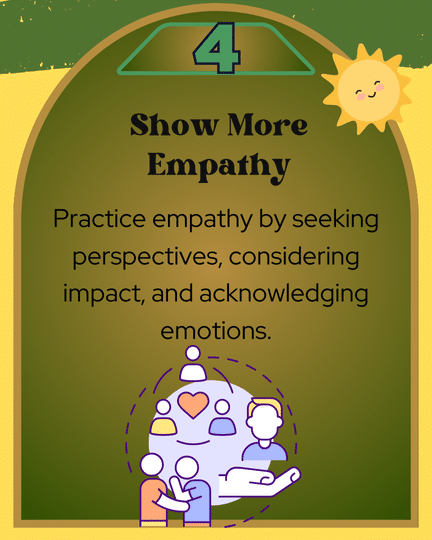
Show More Empathy (Ask More, Assume Less)

Emotional Intelligence Training
Click on the image to see a full infographic opens in new tab

Empathy isn’t just feeling bad for someone—it’s about understanding where they’re coming from.

What to Do:

  • Instead of assuming someone’s reaction, ask about their perspective.
  • When giving feedback, consider how it will land.
  • Acknowledge emotions instead of dismissing them.

What Not to Do:

  • Say things like “Just tough it out” or “That’s not a big deal.”
  • Ignore team concerns because they don’t seem urgent to you.

If people seem distant or disengaged after speaking with you, they may feel unheard.

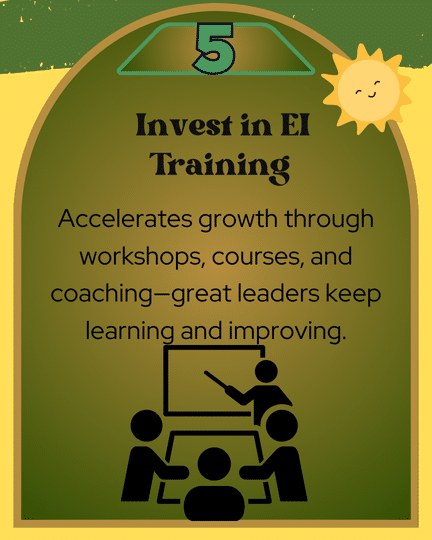
 Invest in Emotional Intelligence Training

Emotional Intelligence Training
Click on the image to see a full infographic opens in new tab

While you can improve EI on your own, structured training helps accelerate the process.

Options to Consider:

  • Workshops & Seminars – Many organizations offer EI training for leaders.
  • Books & Online Courses – Great for self-paced learning.
  • Executive Coaching – Get personalized feedback to refine your EI skills.

If your company invests in leadership development, take advantage of it. EI is one of the most valuable leadership skills you can develop.

Feeling smart isn’t something you have or don’t—you can learn and make it stronger over time. The best bosses aren’t just the smartest or oldest—they’re the ones people want to follow.

Final Thoughts

By now, it’s clear—emotional intelligence isn’t just a leadership trait; it’s a game-changer. Technical skills and experience might get you into a leadership role, but it’s emotional intelligence that keeps you there and helps you grow. The best leaders don’t just give orders—they inspire, influence, and connect with the people they lead.

Leaders with strong EI build trust, resolve conflicts, and motivate teams, while those who lack it struggle with disengaged employees, career stagnation, and a poor leadership reputation. Many executives wonder why promotions don’t come, why their teams seem unmotivated, or why they feel stuck despite their expertise. The answer is simple: Leadership is about people, not just strategy.

Investing in emotional intelligence isn’t about being “nicer”—it’s about becoming a more effective, respected, and influential leader. Executives who commit to developing EI skills will make better decisions under pressure, foster loyalty and trust within their teams, and increase their chances of career growth. If you want to stand out, lead with impact, and unlock new opportunities, emotional intelligence isn’t optional—it’s essential.

The smartest leaders aren’t just the best problem-solvers—they’re the ones people want to follow. The question is: Are you ready to be that kind of leader?

Show off your expertise! See how many quiz questions you can answer

0

How Emotional Intelligence Training Helping You

Check If you know about emotional intelligence. 

1 / 10

What’s a quick way to start improving EI today?


2 / 10

Why do companies value leaders with strong EI?


3 / 10

How can an executive improve adaptability?

4 / 10

Which communication style shows high emotional intelligence?

5 / 10

Which action demonstrates empathy in leadership?

6 / 10

How do emotionally intelligent leaders handle criticism?

7 / 10

What is the key to self-regulation in leadership?

8 / 10

Which behavior shows strong self-awareness?

9 / 10

What is the first step in improving emotional intelligence?

10 / 10

What is emotional intelligence primarily about?

Your score is

The average score is 0%

0%

How to Avoid Multitasking to Make a Distraction-Free Work Environment

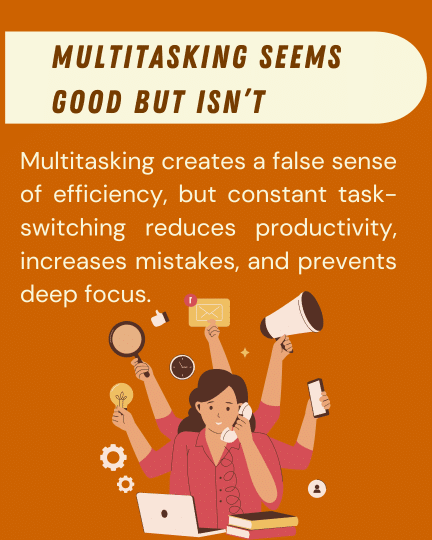
Ever find yourself juggling emails, reports, and messages, only to realize you’ve barely made a dent in your actual work? We’ve all been there. In today’s busy world, it’s easy to get caught up in the whirlwind of multitasking, thinking it’s the key to getting things done. But the truth is, it’s actually holding us back.

For those in leadership roles, the consequences of constant task-switching are even more significant. Instead of boosting efficiency, it scatters your attention, amplifies stress levels, and ultimately leads to decisions you might regret. Research shows that multitasking can drastically reduce your productivity and hinder your ability to think clearly – making effective leadership nearly impossible. What’s more, a distracted work environment can spread like wildfire, impacting your entire team and leading to widespread burnout.

But there’s hope! You can break free from the multitasking trap and create a workplace where focus thrives. By implementing practical, research-based strategies, you can reclaim your concentration and boost your team’s performance. This article will provide effective techniques to avoid multitasking and outline leadership strategies that cultivate deep focus and maximize productivity. Let’s get started!

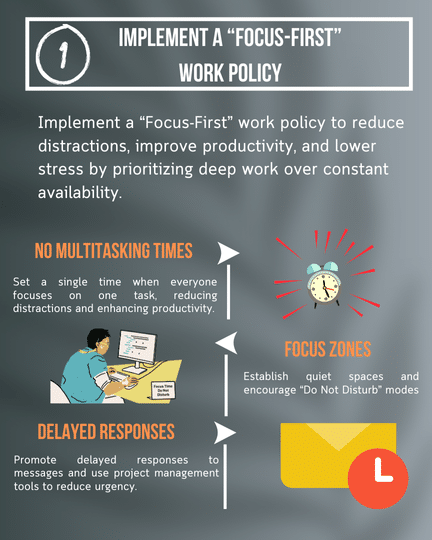
Strategy 1: Implement a “Focus-First” Work Policy

How to Avoid Multitasking
Click on the image to see a full infographic (opens in new tab)

When we expect everyone to be available all the time, multitasking takes over. If people feel like they have to answer every email, message, or call immediately, they can’t focus on what’s important. That’s where a “Focus-First” approach comes in. It changes how we work, so we can be more productive and less distracted.

Why Does This Work?

A “Focus-First” plan helps cut down on distractions by setting clear expectations for when and how people should focus on their most important tasks. When people don’t feel pressured to answer right away, they can:

  • Focus: Stay focused on their work without being interrupted.
  • Do Better Work: Produce higher-quality work instead of rushing through things.
  • Feel Less Stressed: Avoid feeling overwhelmed by doing one thing at a time.

Without time to focus, people are constantly switching between tasks, which makes them less productive and wastes energy.

how to avoid multitasking

How to Do It?

  • No Multitasking Times: Set specific times during the day or week when everyone focuses on one task at a time. For example, maybe mornings are for focused work with no emails, meetings, or messages. Leaders should participate too, to show that focused work is important.
  • Focus Zones: Create quiet spaces in the office or encourage people working from home to turn off notifications and set a “Do Not Disturb” status on their messaging apps.
  • Delayed Responses: Encourage people to answer messages later, when it’s convenient for them, instead of expecting immediate responses. Use project management tools to help with this. Managers should set a good example by avoiding unnecessary “urgent” messages.

How This Helps Create a Distraction-Free Workplace?

  • Protected Time: People know they have time to focus without being interrupted.
  • Better Work: The focus shifts from reacting to everything to doing high-quality work.
  • More Productive: People get more done because they’re not constantly switching between tasks.
  • Less Stress: People feel less stressed because they can focus on their work without feeling like they have to be available all the time.

By using this plan, you create a workplace that values focus over busyness, helping everyone get more done by doing less at once.

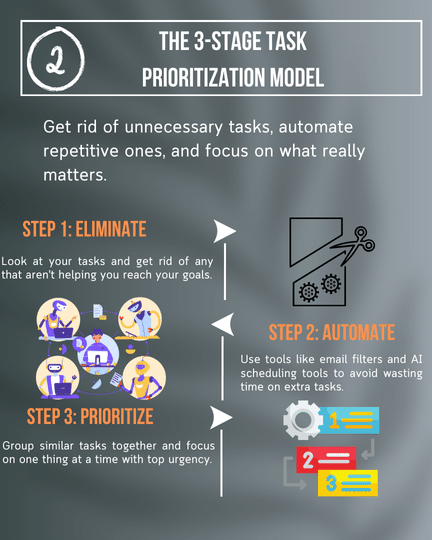
Strategy 2: The 3-Stage Task Prioritization Model

How to Avoid Multitasking
Click on the image to see a full infographic (opens in new tab)

One of the biggest reasons we multitask is that we have too much to do. When we feel overwhelmed by a never-ending to-do list, we jump between tasks, hoping to get more done. But this actually makes us less focused, lowers the quality of our work, and creates more distractions.

Here’s a better way: a 3-step plan to prioritize your tasks. By getting rid of unnecessary tasks, automating repetitive ones, and focusing on what really matters, you can work with a clear mind and avoid distractions.

Why Does This Work?

This plan helps you clear your mind and focus on the tasks that truly matter instead of wasting time on less important things. This helps you work strategically and avoid the urge to multitask.

When you know what to focus on, you’re less likely to:

  • Waste time: You won’t spend time on things that don’t really matter.
  • Get interrupted: You can avoid getting sidetracked by unimportant tasks.
  • Feel overwhelmed: You won’t feel the need to constantly check for messages because you’ll know you’re focused on the right things.

Studies show that having a plan for your tasks can help you work better, feel less stressed, and focus on one thing at a time.

How to Do It?

  • Step 1: Eliminate: Not everything on your to-do list is actually important. Take some time each week to look at your tasks and get rid of any that aren’t helping you reach your goals. Also, set boundaries to avoid unnecessary meetings or reports.
  • Step 2: Automate: Many daily distractions come from routine tasks that can be automated. Use tools like email filters, auto-replies, project management software (like Trello or Asana), and AI scheduling tools to avoid wasting time on these tasks.
  • Step 3: Prioritize: Once you’ve eliminated and automated some tasks, make a plan for the remaining ones. Group similar tasks together and focus on one thing at a time.

How This Helps Create a Distraction-Free Workplace?

  • Less Mental Clutter: Getting rid of unnecessary tasks helps clear your mind.
  • Better Focus: You’ll spend less time switching between tasks and more time focusing on what matters.
  • Fewer Interruptions: Automating tasks prevents you from having to constantly stop your work to deal with them.
  • Focus on What Matters: Prioritizing tasks ensures that you’re spending your time on the most important things.

This organized approach helps you avoid the chaos of multitasking and work with a clear mind, creating a workspace where focus is the norm, not the exception.

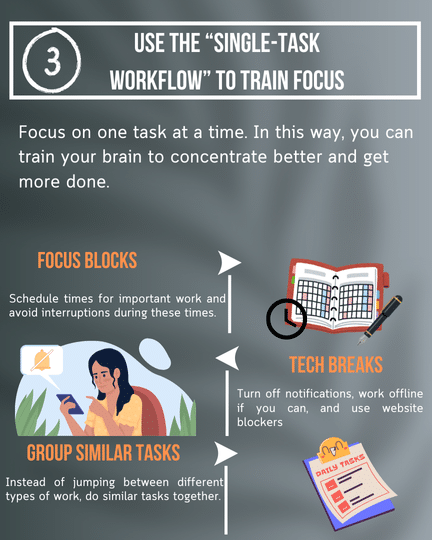
Strategy 3:  Use the “Single-Task Workflow” to Train Focus

How to Avoid Multitasking
Click on the image to see a full infographic (opens in new tab)

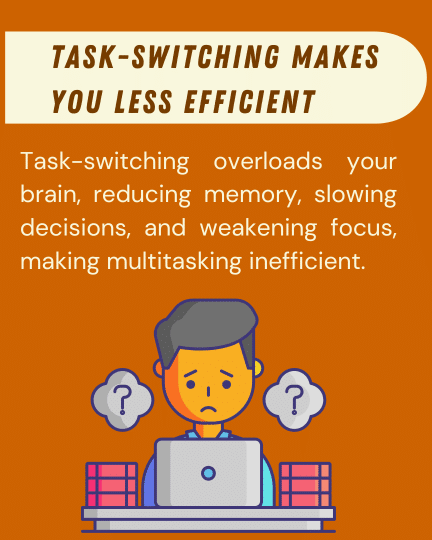
In today’s workplace, we’re constantly switching between tasks, like checking emails, responding to messages, and juggling different projects. This not only breaks our focus but also makes it hard to concentrate on one thing for very long.

To fix this, try the “Single-Task Workflow.” This means focusing on one task at a time. By doing this, you can train your brain to concentrate better and get more done.

Why Does This Work?

  • Clear Your Mind: When you multitask, your brain can’t fully focus on a new task because it’s still thinking about the last one.
  • Focus = Better Work: When you train your brain to focus, you can ignore distractions, get more done, and make better decisions.
  • Less Stress: Focusing on one thing at a time makes you less stressed and tired, so you can work better without feeling overwhelmed.

Research shows that it takes about 23 minutes to regain focus after being interrupted. That’s a lot of wasted time! By focusing on one task at a time, you can save time and get more done.

how to avoid multitasking

How to Do It?

  • Focus Blocks: Our brains focus best in 90-minute blocks. Schedule times for important work and avoid interruptions during these times. For example, from 9 AM to 10:30 AM, work on one project, then take a break.
  • Tech Breaks: A lot of distractions come from technology. During your focus time, turn off notifications, work offline if you can, and use website blockers to avoid distractions.
  • Group Similar Tasks: Instead of jumping between different types of work, do similar tasks together. For example, check your email only twice a day instead of constantly.

How This Helps Create a Distraction-Free Workplace?

  • Fewer Interruptions: When people focus on one task at a time, there are fewer interruptions.
  • Better Work: People can get more done and do better quality work when they focus.
  • Organized Workplace: A single-task workflow helps create a more organized and productive work environment.
  • Good Example: When leaders focus on one task at a time, it shows everyone that this is how to do good work.

By focusing on one task at a time, you can train your brain to work better, creating an environment where you can do focused, meaningful work.

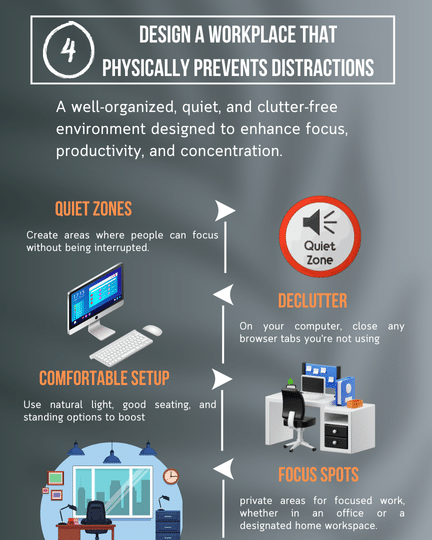
Strategy 4: Design a Workplace That Physically Prevents Distractions

How to Avoid Multitasking
Click on the image to see a full infographic (opens in new tab)

Even with the best plans, your workspace matters a lot. A messy, noisy, or poorly designed workspace makes it hard to concentrate. By making your workspace better, both people working from home and in the office can create an environment that helps them focus.

Why Does This Work?

  • Your space affects your mind: If your workspace is cluttered or full of distractions, your brain feels cluttered, too.
  • Noise is bad for work: Too much noise can make you 66% less productive.
  • The right space helps you focus: Just like a gym is designed for exercise, a distraction-free workspace helps you concentrate.

One study found that people in open offices get interrupted way more than those in quiet spaces. That’s why it’s important to create a workspace that minimizes distractions.

How to Do It?

  • Quiet Zones: Create areas where people can focus without being interrupted. If you have an open office, give people noise-canceling headphones. You can also use white noise machines or quiet music to block out distractions.
  • Declutter: A messy desk makes a messy mind. Keep only the things you need close by. On your computer, close any browser tabs you’re not using and keep your desktop clean.
  • Good Lighting and Comfortable Setup: Bad lighting can make you tired and make it hard to focus. Use natural light if you can. Having a good chair and the option to stand while you work can also help you focus and avoid burnout.
  • Focus Spots: If you have space, create small, private areas where people can work without being interrupted. If people work from home, encourage them to set up a dedicated workspace instead of working from the couch or bed.

How This Helps Create a Distraction-Free Workplace?

  • Focus: People can concentrate better without noise and interruptions.
  • Better Workspaces: When workspaces are designed for focus, people can be more productive.
  • Focus-First Culture: When everyone knows that certain spaces are for focused work, it reinforces the importance of concentration.

By making the workplace a place where people can concentrate, you’re removing the things that distract them. This leads to a more productive, calm, and focused work environment for everyone.

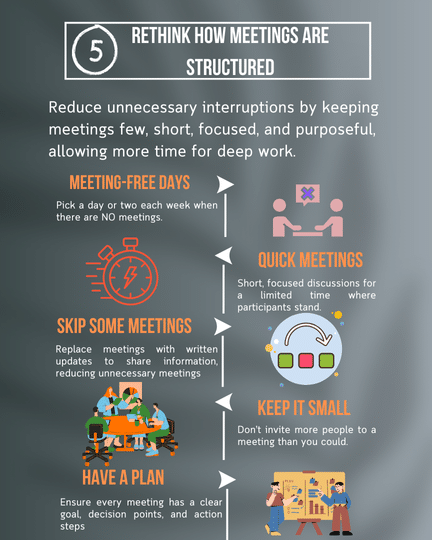
Strategy 5: Rethink How Meetings Are Structured to Minimize Disruptions

How to Avoid Multitasking
Click on the image to see a full infographic (opens in new tab)

Meetings can be a huge time-waster at work. Too many meetings, or ones that are poorly planned, make it hard to concentrate on the important stuff. When people spend hours in meetings they don’t really need, there’s not much time left for real work. The solution? Make meetings smarter and less distracting.

Why Does This Work?

  • Fewer interruptions: This gives everyone more time to focus on their work without being constantly pulled away.
  • No more meeting fatigue: Too many meetings make people tired, unfocused, and waste everyone’s time.
  • Better meetings: When every meeting has a clear purpose, things get done more efficiently.

Studies show that a lot of managers feel like meetings stop them from getting their work done. People waste a ton of time each month in unproductive meetings. We’re not saying get rid of all meetings, but let’s make them shorter, more focused, and less distracting.

How to Do It?

  • Meeting-Free Days: Pick a day or two each week where there are NO meetings. This gives everyone time to really concentrate. For example, maybe Wednesdays and Fridays are “no meeting” days.
  • Quick Meetings: Have “stand-up” meetings where everyone stands. This keeps things moving and focused. Limit these meetings to 15-20 minutes and only talk about the most important things.
  • Skip Some Meetings: Instead of having a meeting to give updates, use tools like Slack, Notion, or Asana to share written updates. This avoids unnecessary meetings that interrupt people’s work.
  • Keep it Small: Don’t invite more people to a meeting than you could feed with two pizzas (around 6-8 people). Smaller meetings mean fewer distractions, more participation, and faster decisions.
  • Have a Plan: Every meeting needs a clear purpose. Before you schedule it, ask: What’s the goal? What needs to be decided? What should happen after the meeting? If there’s no clear goal, cancel the meeting.

How This Helps Create a Distraction-Free Workplace?

  • More Focus Time: People spend less time in pointless meetings, so they have more time to concentrate on their work.
  • Better Meetings: Shorter, well-organized meetings mean people can participate more and get more done.
  • Less Wasted Time: When meetings are planned well, people aren’t as tired, and they get more work done.

By making meetings better, you’re getting rid of a major distraction. This helps create a workplace where people can focus on what really matters instead of being stuck in endless meetings.

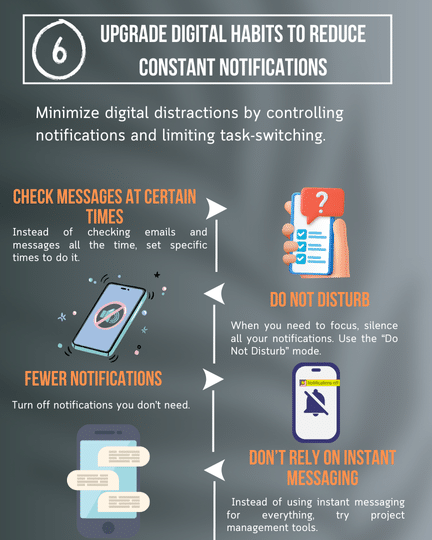
Strategy 6: Upgrade Digital Habits to Reduce Constant Notifications

How to Avoid Multitasking
Click on the image to see a full infographic (opens in new tab)

Technology is a tool, but if we don’t use it right, it can distract us from work. Emails, messages, social media, and app notifications can interrupt our focus and make us try to do too many things at once.

To avoid distractions at work, we need to use technology in a smarter way. Instead of letting it control our day, we should control it.

Why Does This Work?

  • Less “always-on”: People can focus on their work without feeling like they have to answer every message right away.
  • No more constant switching: Switching between tasks all the time makes us less productive and more tired.
  • Using tech for good: We can use technology to help us work better, not just distract us.

Studies show that people check their email or messages every few minutes. This means we almost never get a full hour of uninterrupted work! Every time we get interrupted, it takes about 23 minutes to get our focus back. If we change our tech habits, we can focus better and work smarter, not just faster.

How to Do It?

  • Check Messages at Certain Times: Instead of checking emails and messages all the time, set specific times to do it, like 10 AM and 4 PM. Use automatic replies to let people know when you’ll get back to them.
  • “Do Not Disturb”: When you need to focus, silence all your notifications. Use the “Do Not Disturb” mode on Slack or block distracting apps with tools like Freedom or Cold Turkey.
  • Fewer Notifications: Turn off notifications you don’t need, like those from group chats, social media, and less important emails. You can also group your notifications together using tools like Google’s Focus Mode or Apple’s Screen Time.
  • Don’t Rely on Instant Messaging: Instead of using instant messaging for everything, try project management tools like Notion, Trello, or Asana. This takes the pressure off to answer right away and lets people focus on their work.

How This Helps Create a Distraction-Free Workplace?

  • More Focus: People spend less time reacting to notifications and more time doing deep work.
  • Work Smarter, Not Harder: Instead of being “always-on,” people can focus on their work in a more intentional way.
  • Better Work: Fewer interruptions mean better quality work, less stress, and more efficiency.

By controlling digital distractions, people can take back their attention. This leads to better focus, smarter decisions, and a more organized work environment.

Strategy 7: Cultivate a Leadership Mindset That Promotes Deep Work

How to Avoid Multitasking
Click on the image to see a full infographic (opens in new tab)

Distractions at work don’t just come from technology or a noisy office. Often, they come from how leaders act. If leaders are always multitasking, checking emails in meetings, or expecting immediate responses, everyone else will do the same.

To create a distraction-free workplace, leaders need to set a good example. They should prioritize focused work, avoid unnecessary urgency, and show everyone how to be productive without distractions.

Why Does This Work?

  • Leaders set the tone: If a manager is always multitasking, their team will feel like they have to do the same.
  • Focus starts at the top: When leaders value focus, it gives everyone permission to concentrate on their work.
  • Long-term focus: This encourages everyone to focus on doing work efficiently and effectively, not just being busy.

Studies show that distractions at work cost companies a lot of money because people get less done. When leaders encourage focused work, it helps everyone do their best.

how to avoid multitasking

How to Do It?

  • Set a good example: In meetings, be present and avoid distractions like emails and messages. Use your own focus time to show that it’s important.
  • Prioritize important work: Help people understand the difference between urgent tasks and important tasks. Not everything needs to be answered immediately.
  • Focus on results: Reward people for doing good work, not just for being busy. Encourage people to focus on achieving goals, not just working long hours or always being available.
  • Teach focus skills: Offer workshops on how to focus, manage time, and use technology mindfully. Create policies that support focus, like quiet hours or dedicated workspaces.

How This Helps Create a Distraction-Free Workplace?

  • Less pressure: People feel less pressure to multitask and more freedom to focus on important work.
  • Culture of focus: Leaders create a work environment where focus is valued.
  • Better work: The workplace becomes more organized and productive.

When leaders embrace focused work, everyone benefits. The entire workplace becomes a place where people can concentrate and do their best work.

Wrapping Up: Focused Leaders, Successful Future

For a long time, people thought multitasking was a good thing, but now we know it hurts us more than it helps. Switching between tasks all the time makes it hard to pay attention, stresses us out, and makes us less productive. This is especially true for leaders because it affects their decision-making, how they lead their teams, and how well their teams perform.

But there’s good news! Leaders can create a work environment free from distractions, where people can focus on doing important, high-quality work. This means making some changes, like setting times for focused work, minimizing distractions, and having fewer meetings. Most importantly, leaders need to set a good example by focusing on one thing at a time and valuing quality over being constantly available.

When a workplace values focus, people do better work, feel better, and the company is more successful in the long run. Even small changes, like setting aside time for focused work, turning off notifications, or having better meetings, can make a big difference.

The best leaders in the future won’t be the ones who do the most things. They’ll be the ones who focus on what truly matters.

Think you know the answers? Take this quiz to confirm (or challenge) your knowledge.

0

How to Avoid Multitasking?

See if you know all the stratgies by heart.

1 / 10

What is a good habit to reduce digital distractions?

2 / 10

What does the "Single-Task Workflow" encourage?

3 / 10

What is a benefit of grouping similar tasks together?

4 / 10

Which method helps reduce distractions the most?

5 / 10

How long does it take to regain focus after being interrupted?

6 / 10

What is the best way to handle workplace distractions?

7 / 10

What is the main benefit of a “Focus-First” work policy?

8 / 10

What is the biggest downside of constant digital notifications?

9 / 10

How much productivity is lost due to frequent task-switching?

10 / 10

What happens when you try to multitask?

Your score is

The average score is 0%

0%

The Truth About Multitasking and Productivity Every Executive Should Know

You’re in a virtual meeting, checking emails, replying to Slack, and planning your next call.  It feels productive—even essential—to handle several things at once. But here’s the surprising truth: multitasking isn’t boosting your efficiency. Actually, it’s quietly hurting your productivity, decision-making, and leadership skills.

As a busy executive, your time is incredibly valuable.  Yet, constantly switching between tasks doesn’t just take time—it depletes mental energy, increases mistakes, and lowers your work quality.  Research shows that frequent task-switching can cut productivity by up to 40%, causing decision fatigue, poor focus, and a reactive, not strategic, leadership approach.  Despite its allure, multitasking is a major threat to effective leadership.

So, if multitasking isn’t the answer to a demanding workload, what is?  In this article, we’ll explain the science behind multitasking and productivity, explore why it’s especially harmful to executives, and share proven methods to regain focus, improve efficiency, and lead effectively.

Why can’t our brains multitask?

 multitasking and productivity
Click on the image to see a full infographic (opens in new tab)

For a long time, people in the business world have thought multitasking was a good thing. Leaders often brag about how they can handle meetings, emails, and big decisions all at once. It seems like they’re getting a lot done in a short amount of time. But actually, multitasking can trick us. The more we switch between tasks, the harder our brains have to work, and this can make us less productive, tired, and more likely to make mistakes.

Multitasking and Productivity

Multitasking Seems Good, But Isn’t

Imagine this: You’re in a video call while also checking your inbox, answering a message, and planning your next project steps. You feel super-efficient, like you’re using every second of your day to the fullest. But here’s the problem: our brains aren’t designed to focus on many big tasks at the same time.

Instead of truly multitasking, you’re actually just switching between tasks very quickly. This makes it seem like you’re doing everything at once, but you’re not. Every time you switch, your brain has to “reload” information, which takes time and energy.

 multitasking and productivity
Click on the image to see a full infographic (opens in new tab)
  • The Price of Switching: Studies show that switching between tasks often can make you 40% less productive. So, what you think is saving time is actually wasting it.
  • Dopamine and the “Busy” Feeling: When you multitask, your brain releases dopamine, which makes you feel good. This can trick you into thinking you’re getting more done even when you’re slowing yourself down.
  • Superhuman or Scatterbrained? Instead of working efficiently, you’re constantly distracted, which makes it hard to think deeply and strategically.

Feeling busy isn’t the same as being productive. Truly productive people know that it’s better to focus deeply on one thing at a time.

Task-Switching Makes You Less Efficient

Think of your brain like a computer. If you run too many programs at once, it slows down, starts to lag, and might even crash. The same thing happens to your brain when you give it too many tasks.

 multitasking and productivity
Click on the image to see a full infographic (opens in new tab)

Here’s why:

  • Limited Working Memory: Your brain can only hold a small amount of information at once. When you try to do too many things, important details get lost.
  • Decision Fatigue: The more your brain has to switch between tasks, the more tired it gets. This can lead to bad decisions, slower reactions, and not-so-great choices.
  • Slower Processing Speed: A study found that it takes about 23 minutes to get your focus back after being interrupted. Even a quick look at your email during a meeting can mess up your ability to understand and remember information.

Multitasking isn’t just inefficient; it actually weakens your ability to focus, process information, and make good decisions.

Even Short Task Switches Waste Time

 multitasking and productivity
Click on the image to see a full infographic (opens in new tab)

You might think that switching between tasks for a few seconds doesn’t matter much. However research shows that even short interruptions can slow down your thinking, forcing your brain to readjust before going back to the original task.

  • The 5-Second Rule (But Not the Good Kind): Every time you switch tasks, your brain takes a moment to catch up. These small delays add up to hours of lost productivity over a day.
  • More Mistakes: The more you jump between tasks, the more mistakes you’re likely to make. One study found that multitasking can increase errors by up to 50%.
  • The Illusion of Speed: You might feel like you’re working faster, but you’re actually not fully engaged. This can lead to poor memory, careless mistakes, and missed details.

Small distractions can cause big productivity losses. The less you switch tasks, the more efficient and accurate you’ll be.

Multitasking Burns You Out Faster

 multitasking and productivity
Click on the image to see a full infographic (opens in new tab)

Leaders already have stressful jobs, and multitasking makes it even worse. Here’s why:

  • Constant Cognitive Load: Your brain works harder when it has to juggle multiple tasks, leading to fatigue much faster than if you focused on one thing.
  • Increased Stress Hormones: Multitasking makes your body release stress hormones, which can make you feel overwhelmed and less able to think clearly.
  • Sleep Problems: Constant multitasking can affect your sleep because your brain has trouble “shutting down” after switching between tasks all day.
  • Emotional Drain: The more mentally tired you are, the less patience you have, and this can affect your leadership, decision-making, and relationships at work.

Multitasking isn’t just hurting your productivity, it’s also draining your energy, making it harder to think clearly, and increasing your stress levels.

Why Multitasking Makes You a Weaker Leader?

 multitasking and productivity
Click on the image to see a full infographic (opens in new tab)

Multitasking doesn’t just slow you down – it actually hurts your ability to be a good leader. As a leader, you need to be clear, think strategically, and make strong decisions. When you try to do too many things at once, you weaken these important leadership skills without even realizing it.

Let’s look at how multitasking makes you less effective as a leader and what that means for your ability to guide a team, make important decisions, and be a strong leader.

Multitasking Keeps You in Crisis Mode

 multitasking and productivity
Click on the image to see a full infographic (opens in new tab)

Imagine you’re reviewing financial reports, answering an urgent email, and responding to a team member’s question – all at the same time. You’re technically handling everything, but are you really making the best choices?

  • From Strategy to Survival: Multitasking forces you to just react to problems instead of thinking ahead and planning for the future.
  • Surface-Level Thinking: The more you split your attention, the less you can really understand complex information. This makes it harder to think critically and plan for the long term.
  • Losing Sight of Priorities: Good leaders know how to decide what’s truly important. When you multitask, everything seems urgent, and it’s hard to tell the difference between important tasks and distractions.

Great leaders don’t just keep up – they stay ahead. If you’re always reacting to problems, you’re not really leading.

Multitasking Hurts Your Team

 multitasking and productivity
Click on the image to see a full infographic (opens in new tab)

Leaders are expected to be clear, attentive, and present, but multitasking takes these qualities away. If you’ve ever typed an email while someone was talking to you, you know that multitasking makes it hard to really listen.

  • Employees Can Tell When You’re Not Focused: If you’re checking your phone in a meeting or answering emails while someone is talking, it makes them feel unimportant. This weakens trust and makes people less engaged.
  • More Misunderstandings: Multitasking makes it easier to misread emails, forget important details, or respond without understanding the whole situation. This leads to a lot of unnecessary corrections and wasted time.
  • Losing Your Presence: Strong leaders earn respect by focusing on people and actively listening to them. If your attention is always divided, you lose that strong presence.

When you multitask, you’re there in person but not really mentally present. True leadership happens when you give people your full attention.

Half-Paying Attention to Big Decisions

 multitasking and productivity
Click on the image to see a full infographic (opens in new tab)

Leaders are expected to make informed, strategic decisions, but multitasking makes it harder to make good decisions, often without your even realizing it.

  • Slower Thinking: Studies show that switching between tasks slows down your brain. This means you don’t process information as well, which can delay decisions or make you less confident in them.
  • Missing Important Things: Complex decisions require deep thinking and careful analysis. When you multitask, you can miss critical details, which can lead to costly mistakes.
  • Problem-Solving Roadblocks: The best solutions often come from focused problem-solving sessions, not from thoughts you squeeze in between meetings.
  • The Multitasking Myth: Some leaders think they’re great at multitasking, but research shows that even people who multitask a lot make more mistakes and take longer to do things than those who focus on one thing at a time.

Important decisions need your full attention. Even small distractions can lead to big mistakes.

The “Always Busy, Never Productive” Trap

 multitasking and productivity
Click on the image to see a full infographic (opens in new tab)

Some leaders think being busy means being productive, but that’s not true. Multitasking makes you feel like you’re getting a lot done, but you’re actually making less meaningful progress.

  • Lots of Activity, Little Impact: When you’re constantly switching between tasks, you might check more things off your to-do list, but are they the right things?
  • Taking on Too Much: Multitasking often leads to saying “yes” too often because everything seems manageable in small doses. But this quickly becomes too much to handle.
  • Shallow Work vs. Deep Work: If you spend all your time answering emails and attending meetings, you lose time for deep, strategic thinking – the kind that really helps companies succeed.

True productivity isn’t about doing more things – it’s about doing the most important things.

Becoming a More Focused Leader

 multitasking and productivity
Click on the image to see a full infographic (opens in new tab)

Now that we know how multitasking hurts productivity and leadership, it’s time to fix the problem. As a leader, you don’t need more time – you need to use your time better. The key is to focus sharply on what matters.

Instead of spreading yourself thin across many tasks, try using focused techniques to get more done, make better decisions, and feel less stressed. Let’s explore some practical ways to help you regain control of your attention and work at your best.

The 90-Minute Rule

 multitasking and productivity
Click on the image to see a full infographic (opens in new tab)

Many leaders are constantly reacting to emails, messages, and meetings. This leads to shallow work and mental fatigue. To regain focus, top performers use the 90-minute Rule. This technique is based on how our brains work best in intense, distraction-free bursts.

  • The Science: Our brains can focus deeply for about 90 minutes before needing a break. Studies show that people who work in focused blocks like this do better than those who work without breaks.
  • How to Use It:
    • Choose your most important task for the day.
    • Block out 90 minutes with no distractions – no emails, messages, or calls.
    • After 90 minutes, take a 10-15 minute break before moving on to your next big task.
  • Why It Works: Instead of constantly switching between tasks, you get more done in less time and produce higher-quality work.

Schedule your deep work sessions for when you’re naturally most productive – mornings for most people, but afternoons if you’re a night owl.

The “CEO Focus Filter”

 multitasking and productivity
Click on the image to see a full infographic (opens in new tab)

Leaders are constantly bombarded with decisions and distractions. Without a way to filter out less important tasks, you’ll waste time on the wrong things.

  • Step 1: Use the Focus Filter
    • Before starting a new task, ask yourself:
      • Does this need my attention, or can someone else do it?
      • Does this help the company move forward? If not, eliminate or postpone it.
      • Will this matter in six months? If not, it’s probably not urgent.
  • Step 2: Create “Focus Zones” for Important Work
    • No meetings before 11 AM – use mornings for deep work.
    • Don’t check email first thing – start with meaningful work, not reactive tasks.
    • Group less important tasks (emails, approvals, admin work) into a single time block.

If you’re constantly pulled into small decisions, train your team to bring you solutions, not problems. This will reduce the number of unimportant decisions you have to make.

Digital Fasting

 multitasking and productivity
Click on the image to see a full infographic (opens in new tab)

Leaders often feel drained, not from working too much, but from processing too much information.

  • What It Is: Taking a break from emails, social media, and notifications to clear your mind.
  • How to Use It:
    • The 30-Minute Digital Detox – Before important meetings or deep work, step away from all screens for 30 minutes.
    • The “Airplane Mode” Trick – Silence notifications and turn on Do Not Disturb when working on important tasks.
    • The Sunday Reset – Once a week, take a half-day away from all digital devices to reset your brain.
  • Why It Works: Studies show that constant exposure to emails, texts, and notifications increases stress and makes it harder to focus and be creative.

Don’t just reduce digital noise – be selective about it. Unsubscribe from unnecessary emails, mute non-essential channels, and create an information diet that helps you focus, not distract you.

Working Smarter, Not Harder

 multitasking and productivity
Click on the image to see a full infographic (opens in new tab)

Leaders often feel overwhelmed because they try to do too much themselves. The key to being a high-performing leader isn’t working harder, it’s working smarter. That means learning how to delegate effectively and automate repetitive tasks so you can focus on what truly matters.

Let’s explore how successful leaders free up their time by delegating and automating tasks without losing control over their work. If a task is repetitive, unimportant, or something your team could handle, it’s time to delegate or automate it.

Smart Delegation: A Framework for Every Leader

 multitasking and productivity
Click on the image to see a full infographic (opens in new tab)

The biggest fear leaders have about delegation is that things won’t be done right. But smart delegation isn’t about dumping work on others, it’s about empowering your team to take ownership.

  • Step 1: The “3D Rule” for Delegation
    • Before taking on a task, ask:
      • Do I need to do this myself? If not, delegate it.
      • Does this task contribute to my core leadership role? If not, automate it.
      • Does this task require my unique expertise? If not, assign it to someone capable.
  • Step 2: Delegate with Clear Expectations
    • Don’t do this: “Hey, can you take care of this?”
    • Do this: “I need you to handle X. Here’s the goal, deadline, and key details. Let me know if you have questions.”
  • Step 3: Build a Self-Sufficient Team
    • Instead of just delegating tasks, delegate decision-making. Encourage your team to bring you solutions, not just problems, so you’re not involved in every small issue.

The best leaders don’t just offload tasks, they develop leaders who can think and act independently.

Automate Repetitive Tasks to Save Hours Every Week

 multitasking and productivity
Click on the image to see a full infographic (opens in new tab)

Not everything should be delegated—some tasks should be eliminated through automation.

  • What to Automate:
    • Email Responses: Use email templates for repetitive replies.
    • Meeting Scheduling: Use tools like Calendly to avoid back-and-forth scheduling emails.
    • Reporting & Analytics: Automate data tracking instead of manually generating reports.
    • Task Follow-Ups: Use workflow automation (Trello, Asana, Slack bots) to track project progress.
  • Automation Tools Every Leader Should Use:
    • Slack & Microsoft Teams: Automate status updates, reminders, and notifications.
    • Zapier & Make.com: Connect apps and automate workflows without coding.
    • Notion & Evernote: Automate note-taking and task organization.
    • Grammarly & AI Writing Tools: Automate proofreading and content drafting.

If you’re doing the same task repeatedly, there’s probably a tool that can automate it. Invest a little time setting it up, and save hours every week.

Breaking the Multitasking Habit

 multitasking and productivity
Click on the image to see a full infographic (opens in new tab)

Multitasking is like junk food—it feels good at the time, but over time, it harms your productivity, drains your energy, and weakens your leadership. The good news? Just like with a healthy diet, you can train yourself to ditch distractions and strengthen your focus.

This section will guide you through a step-by-step process to break free from multitasking, rebuild your ability to focus deeply, and create a work environment that supports high-level leadership thinking.

Mindfulness and Productivity

 multitasking and productivity
Click on the image to see a full infographic (opens in new tab)

Multitasking isn’t just a habit, it’s a pattern in your brain. If you’ve trained your brain to constantly jump between tasks, it will keep wanting distractions. The solution? Mindfulness training for leaders.

  • The “Pause Before Switching” Method
    • Before switching to a new task, ask yourself:
      • Do I really need to switch right now?
      • Is this urgent or just a distraction?
      • What will I lose by stopping my current task?
  • Single-Task Training for Leaders
    • Try this simple exercise for 7 days:
      • Work in 25-minute focus blocks (use the Pomodoro Technique).
      • Put your phone in another room when working on important tasks.
      • Turn off all notifications except for critical alerts.
  • The Result:
    • Within a week, you’ll feel more in control of your attention.
    • Within a month, you’ll start to automatically eliminate unnecessary distractions.

The more you practice focusing intentionally, the easier it becomes. Your brain adapts to a distraction-free workflow just like it adapted to multitasking.

Digital Minimalism for Leaders

 multitasking and productivity
Click on the image to see a full infographic (opens in new tab)

Multitasking isn’t just about what you do, it’s also about the environment you work in. If you’re surrounded by distractions, staying focused will always be a struggle.

  • How to Reduce Digital Overload
    • Set “No-Notification Hours”—Have at least two hours each day where notifications are turned off.
    • Batch Email Time—Check email twice a day at most instead of all day long.
    • Unsubscribe and Mute—Reduce unnecessary emails, Slack channels, and group chats that don’t add value.
  • The “Essential Tech” Rule
    • Keep only essential apps and tools in your workspace. Ask yourself:
      • Does this tool help me do focused work?
      • Or is it just making me feel busy?

Try a one-week experiment—delete social media apps from your phone and limit emails to scheduled times. See how much your mental clarity improves.

Multitasking and Productivity

The 30-Day No-Multitasking Challenge

 multitasking and productivity
Click on the image to see a full infographic (opens in new tab)

One of the best ways to reprogram your brain is through a structured challenge. Here’s a simple 30-day plan to build deep focus and eliminate multitasking.

  • Week 1: Awareness & Small Adjustments
    • Keep a multitasking log—track when and why you switch tasks.
    • Set a Deep Work Block—1 hour per day with no distractions.
    • Disable notifications on non-essential apps.
  • Week 2: Eliminating Distractions
    • Batch-check email and messages instead of reacting in real time.
    • Introduce “Do Not Disturb” hours—a time block for intense work.
    • Delegate or eliminate unimportant tasks to free up mental space.
  • Week 3: Strengthening Deep Focus
    • Increase deep work time from 1 to 2 hours per day.
    • Use physical boundaries (closed door, noise-canceling headphones) to prevent interruptions.
    • Start meetings with a “no-laptops” rule for better engagement.
  • Week 4: Full Implementation & Habit Building
    • Aim for 4+ hours of distraction-free work daily.
    • Reduce overall screen time and spend more time on strategic thinking.
    • Reflect on productivity improvements and adjust where needed.

If you complete this challenge, multitasking will no longer feel natural, and you’ll be far more productive without even trying.

Final Thoughts 

In today’s fast-paced business world, multitasking might seem like a good thing, but it’s actually a hidden problem that hurts productivity. Instead of making you more efficient, constantly switching between tasks drains your energy, increases mistakes, and weakens your ability to lead effectively.

The most successful leaders don’t try to juggle multiple tasks at once. They master the ability to focus deeply on what’s truly important. By replacing multitasking with focused work sessions, delegating less important tasks, and reducing digital distractions, you can regain control over your time, energy, and decision-making power.

Productivity isn’t about doing more things, it’s about making smart choices with your time. Start small by eliminating one distraction, setting aside focused work blocks, or delegating a task today. Over time, these simple changes will transform how you work, helping you lead with clarity, confidence, and impact.

Ready for a knowledge showdown? Answer these questions and see how you rank.

0

The Truth About Multitasking and Productivity

Find out if you know the reality.

1 / 10

What does the “Always Busy, Never Productive” trap mean?

2 / 10

Why do employees mirror a multitasking leader?

3 / 10

Which leadership skill is most affected by multitasking?


4 / 10

What kind of work suffers the most from multitasking?


5 / 10

How long does it take to regain focus after a distraction?

6 / 10

Why does multitasking feel rewarding?

7 / 10

Which of the following is NOT an effect of multitasking?

8 / 10

What is your brain actually doing when you think you are multitasking?

9 / 10

What is the biggest myth about multitasking?

10 / 10

How much productivity is lost due to task-switching?

Your score is

The average score is 0%

0%

Multitasking is a Myth and Barrier to Successful Leadership

Ever feel like you’re juggling a million things but finishing none? Managers and executives often think multitasking is essential for keeping up with constant emails, meetings, and decisions. After all, aren’t successful people known for handling numerous priorities and pushing through?

However, the fact is, multitasking is a myth, and studies confirm it. Stanford University research showed that people who think they’re excellent multitaskers do worse than those who concentrate on one thing at a time. They have trouble filtering information, switching between tasks effectively, and staying productive. Basically, what seems to boost productivity actually hinders it.

For leaders, the effect is even more significant. Constantly splitting your attention weakens your ability to make decisions, increases stress, and sets a poor example for your team. When employees see their leaders multitasking, they’re more likely to copy those same unproductive habits—resulting in errors, burnout, and a company culture focused on being busy, not truly productive.

So, if multitasking isn’t the key to success, what is? In this article, we’ll explore why multitasking is a myth, how it creates problems for leadership success, and what you can do instead to improve focus, decision-making, and overall performance.

Let’s get started.

The Science Behind Why Multitasking Is a Myth 

Multitasking seems great at first. Answering emails during meetings or quickly switching between tasks sounds like a productivity win. But science disagrees. Human brains aren’t built for effective multitasking. We’re really just switching between tasks rapidly—and paying a price.

Multitasking Is a Myth 
Click on the image to see a full infographic (opens in new tab)

Why the Brain Cannot Truly Multitask? 

Our brains have limited cognitive capacity—they can only handle so much at once. Think of your brain like a computer. Too many programs running? Performance slows, and the system struggles. Instead of handling multiple tasks at the same time, the brain task-switches, shifting focus. Each switch has a cognitive cost—a task-switching cost that reduces efficiency and increases mistakes.

Task-Switching Costs and Their Impact on Efficiency 

Every task switch requires brain reorientation and refocusing. This takes time—even a split second—but adds up over the day. The American Psychological Association (APA) found that task-switching can cut productivity to a great level. The reason? Your brain resets focus each time, creating delays and lowering work quality. 

Key task-switching effects: 

  • ✔ Slower performance – Switching makes work take longer than doing tasks one by one. 
  • ✔ More mistakes – The brain loses details with constant focus shifts, causing errors.
  • ✔ Increased mental fatigue – Task-switching drains energy, making it harder to stay productive.
Multitasking Is a Myth 

Multitasking’s Impact on Working Memory 

Multitasking doesn’t just slow you down—it hurts working memory, and the brain’s ability to hold and process information. Trying to do multiple things makes it harder to store and recall information, hindering focus and task completion. Also, multitasking increases stress. Frequent task switching releases cortisol, the stress hormone. This can lead to exhaustion, decision fatigue, and reduced problem-solving—all critical for leaders.

Multitasking is not just inefficient—it’s actively harmful to productivity, focus, and leadership. Instead of juggling tasks, managers and executives should single-task, minimize distractions, and improve deep work habits.

How Multitasking Undermines Leadership?

Many managers and executives take pride in multitasking. They answer emails during meetings, review reports on calls, and jump between urgent tasks, feeling productive. However, in reality, multitasking weakens leadership and creates long-term problems for individual performance and team dynamics.

Multitasking Is a Myth 
Click on the image to see a full infographic (opens in new tab)

Weakens Decision-Making

Successful leaders need clear thinking and strategic decision-making. However, multitasking reduces cognitive sharpness, making it harder to process information and make informed choices. Leaders who constantly divide their attention may miss critical details, make impulsive choices, or delay important decisions due to cognitive overload.

Imagine a CEO responding to Slack messages while reviewing a quarterly report. This divided attention could lead to misinterpreting key metrics, resulting in flawed strategies.

Increases Stress and Mental Fatigue

Leadership is demanding, and multitasking makes it even more exhausting. Every time a leader switches tasks, the brain works harder to reorient itself, leading to mental fatigue and higher stress.

Executives who regularly multitask experience higher stress and burnout compared to those who focus on one task at a time. Why? Cognitive overload. When the brain constantly shifts gears, it depletes energy faster, making it harder to stay engaged and productive.

High stress levels from multitasking can also negatively impact emotional intelligence, causing leaders to become:

  • ✔ Less patient and more reactive under pressure 
  • ✔ More prone to miscommunication and misunderstandings 
  • ✔ Less effective at mentoring and guiding their teams

Hurts Team Performance

Multitasking Is a Myth 
Click on the image to see a full infographic (opens in new tab)

Leaders set the tone for their teams. When executives multitask, their employees likely follow suit, believing that constantly juggling tasks is the only way to keep up. But this leads to:

  • ✔ Reduced productivity – Employees mirror their leader’s behavior, leading to distracted work and lower efficiency. 
  • ✔ Increased errors – A study by the University of California found that multitasking environments increase the mistakes ratio.
  • ✔ Lower engagement – Employees pressured to multitask are more likely to feel overwhelmed and disengaged.

Imagine a manager checking emails during one-on-one meetings with employees. This sends a message that divided attention is acceptable, reducing the quality of team interactions and damaging workplace relationships.

Creates a Culture of Busyness, Not Productivity

One of the biggest myths in leadership is that busyness equals success. Many organizations reward leaders who seem constantly busy—rushing between meetings, handling multiple priorities, and appearing always available. But busyness does not equal effectiveness.

Instead of valuing output and deep thinking, a multitasking culture creates:

  • ✔ Shallow work habits – Employees focus on quick, reactive tasks instead of deep, strategic work. 
  • ✔ A lack of prioritization – Leaders struggle to identify and focus on high-impact tasks. 
  • ✔ Constant interruptions – A culture where responding instantly takes priority over meaningful progress.
Multitasking Is a Myth 

Successful leadership is not about doing more—it’s about doing what matters most with full focus.

Multitasking may seem like a leadership skill, but it actually weakens decision-making, increases stress, harms team performance, and fosters a culture of busyness instead of productivity. The best leaders know that deep focus leads to better outcomes—for themselves and their teams.

The Illusion of Productivity: Why Leaders Fall for Multitasking

If multitasking is so harmful, why do so many leaders still do it? It’s the illusion of productivity—the false sense that juggling multiple tasks means getting more done.

For busy executives and managers, multitasking feels efficient. Responding to emails during meetings or skimming reports while making decisions feels satisfying. However this scattered approach reduces work quality, increases errors, and drains mental energy.

Let’s break down the three biggest reasons why leaders fall for the multitasking trap.

Multitasking Is a Myth 
Click on the image to see a full infographic (opens in new tab)

The Dopamin Effect

Multitasking creates a temporary sense of accomplishment, even when it’s ineffective. Every task switch—checking email, replying to a message, or skimming a report—releases dopamine, the “reward” chemical.

This dopamine hit makes you feel productive, even if work quality suffers. Instead of focusing deeply on one high-impact task, your brain craves quick, easy wins, reinforcing constant switching.

A University of California, Irvine, study found that after an interruption, it takes workers an average of 23 minutes to fully refocus. That quick email check isn’t harmless—it’s stealing valuable time from meaningful work.

The Myth of Multitaskers are Great

Many executives believe they’re “great multitaskers,” handling multiple priorities efficiently. But science proves otherwise.

  • ✔ The Stanford University multitasking study found that people who think they’re the best at multitasking actually perform the worst. They struggle with filtering information, maintaining focus, and switching between tasks efficiently. 
  • ✔ The American Psychological Association (APA) confirms that multitasking reduces productivity, meaning tasks take longer.

Reality check: If you think multitasking makes you productive, it’s likely the opposite—it’s slowing you down.

The Pressure to Always Be Available

In today’s digital world, managers and executives feel a constant need to be responsive. Emails, Slack, and phone calls create an “always-on” work culture, making it hard to focus deeply.

Instead of setting boundaries, many leaders try to keep up with everything at once—which leads to:

  • ✔ Shallow work – Rushed, low-quality output. 
  • ✔ Decision fatigue – Mental exhaustion from too many rapid choices. 
  • ✔ Burnout – Chronic stress from feeling pulled in multiple directions.

The best leaders aren’t those who respond to every email instantly. They’re the ones who protect their time for deep, strategic thinking.

Multitasking feels productive, but it’s an illusion. The dopamine effect, overconfidence in multitasking skills, and pressure to always be available keep leaders stuck in ineffective habits. The solution? Breaking free from the busyness trap and prioritizing focus over fragmented work.

How Successful Leaders Cultivate Focus?

If multitasking is a myth, what’s the alternative? The best leaders don’t juggle everything at once—they protect their focus, manage their time strategically, and prioritize deep work over scattered attention.

Eliminating multitasking doesn’t mean doing less—it means doing what matters most with full attention. Here are four powerful strategies successful leaders use to cultivate focus and improve productivity.

Multitasking Is a Myth 
Click on the image to see a full infographic (opens in new tab)

Embracing Deep Work for Maximum Productivity

Deep work, a concept from Cal Newport, means fully focusing on a single, high-value task without distractions. Unlike shallow work (quick emails, notifications, and task-switching), deep work allows leaders to:

  • ✔ Solve complex problems faster 
  • ✔ Think strategically without distractions 
  • ✔ Improve decision-making and creativity

How to implement deep work?

  • ✔ Schedule uninterrupted focus blocks in your calendar (e.g., 90-minute work sprints). 
  • ✔ Turn off notifications during deep work sessions. 
  • ✔ Set “do not disturb” hours for emails and messages.

Using Time Blocking to Structure the Day

Time blocking is a simple but powerful technique where leaders dedicate specific time slots to different types of work. Instead of reacting to emails and meetings all day, they structure their schedule for maximum efficiency.

For example:

  • ✔ 8 AM – 10 AM: Focused strategy work (no emails or meetings). 
  • ✔ 10 AM – 12 PM: Meetings and team check-ins. 
  • ✔ 1 PM – 3 PM: Deep work on high-priority projects. 
  • ✔ 3 PM – 5 PM: Admin tasks and email responses.
Multitasking Is a Myth 
Click on the image to see a full infographic (opens in new tab)

Prioritizing Single-Tasking Over Multitasking

Single-tasking is the opposite of multitasking—it means focusing on one task at a time and finishing it before moving on.

A simple single-tasking technique is the Eisenhower Matrix, which helps leaders identify what’s truly important:

  • ✔ Urgent & Important: Do it now (critical tasks). 
  • ✔ Important but Not Urgent: Schedule it for later (strategic work). 
  • ✔ Urgent but Not Important: Delegate it (tasks others can handle). 
  • ✔ Neither Urgent nor Important: Eliminate it (low-value tasks).

Instead of constantly switching between low-priority distractions, leaders can focus their energy on high-impact work.

Multitasking Is a Myth 

Setting Boundaries for Digital Distractions

Digital distractions are the biggest enemy of focus. A Harvard Business Review study found that professionals check their email every 37 minutes on average—meaning they’re constantly task-switching.

How to minimize distractions?

  • ✔ Batch email responses (only check email 2-3 times a day). 
  • ✔ Mute unnecessary notifications on Slack, Teams, or messaging apps. 
  • ✔ Use focus tools like website blockers (e.g., Freedom, StayFocusd) to prevent mindless scrolling.

Successful leaders don’t multitask—they cultivate focus by prioritizing deep work, using time blocking, embracing single-tasking, and eliminating distractions. The result? More productivity, better decision-making, and lower stress.

Transforming Workplace Culture to Reduce Multitasking

Breaking free from multitasking isn’t just about personal habits—it’s about changing workplace culture. If an organization rewards constant busyness, employees will feel pressured to multitask, leading to decreased productivity, higher stress, and more errors.

Leaders play a crucial role in setting the tone. When executives prioritize focus, encourage deep work, and model healthy work habits, the entire organization benefits. Here’s how to create a work environment that values focus over multitasking.

Multitasking Is a Myth 
Click on the image to see a full infographic (opens in new tab)

Lead by Example

Leaders shape company culture through their behavior. If a CEO is always distracted in meetings, checking emails, or rushing between tasks, employees will follow suit.

  • ✔ Demonstrate deep work: Block out time for focused work and communicate when you’re unavailable for distractions. 
  • ✔ Be present in meetings: Give full attention instead of multitasking on a laptop or phone. 
  • ✔ Encourage single-tasking: Promote quality work over speed and remind employees that focus leads to better results.

When leaders set the example, employees are more likely to embrace single-tasking and deep focus.

Implement Company Policies That Reduce Multitasking

Many workplaces unintentionally encourage multitasking by rewarding availability over effectiveness. Simple policy changes can promote a more focused, productive work environment.

  • ✔ Create meeting-free time blocks: Set designated hours where employees can work without interruptions. 
  • ✔ Discourage unnecessary notifications: Encourage team members to turn off non-essential alerts during deep work sessions. 
  • ✔ Restructure meetings for efficiency: Keep them short, focused, and free of distractions (no checking emails or Slack).

Organizations like Microsoft and Google have introduced similar policies, allowing employees to protect their time for high-value work.

Train Employees to Prioritize Focus Over Busyness

Many employees feel pressured to be “always on”, responding instantly to messages and juggling multiple tasks. Training programs can help shift this mindset.

  • ✔ Workshops on deep work and time management: Teach employees techniques like time blocking and single-tasking. 
  • ✔ Encourage strategic work habits: Provide guidance on identifying high-impact tasks vs. shallow work. 
  • ✔ Recognize focused productivity: Shift performance metrics from “time spent working” to “quality of output.”

Leaders must create a workplace culture that values focus over multitasking. By modeling deep work, implementing company-wide policies, and training employees to prioritize strategic thinking, organizations can boost productivity, reduce burnout, and improve work quality.

Final Thoughts

For years, we’ve believed multitasking is a vital skill for great leaders—an ability to juggle many things at once. But research shows multitasking is a myth. It doesn’t make leaders more productive; it actually weakens them. Constantly switching between tasks makes it harder to think strategically and make good decisions. It also increases stress and mental fatigue, leading to burnout and poor performance. Perhaps most damaging, it creates a culture of busyness, not productivity, where employees copy their leaders and become distracted and inefficient.

The most successful leaders don’t multitask—they prioritize focused work, manage their time well, and set an example for others. By eliminating multitasking and embracing single-tasking, time-blocking, and distraction-free work, managers and executives can become more efficient, reduce stress, and improve their decision-making.

Breaking free from multitasking takes time, but small, consistent changes can lead to big improvements in leadership and workplace culture. Start by setting aside distraction-free time for important tasks, leading by example, and creating an environment that supports deep focus.

The best leaders aren’t the busiest; they are the ones who protect their focus and make every moment count. Are you ready to stop multitasking and start leading more effectively? Make the shift today, and experience the difference focused leadership can bring to your career and your team.

Test your wits! See how well you score on this quiz.

0

Multitasking is a Myth

Find out if you know about its reality.

1 / 10

What is the best way for leaders to stop multitasking?

2 / 10

What workplace culture does multitasking promote?

3 / 10

What is deep work?

4 / 10

Which workplace issue is linked to multitasking?

5 / 10

How does multitasking affect employees when leaders do it?

6 / 10

How does multitasking impact leadership decision-making?

7 / 10

What hormone increases due to frequent multitasking?

8 / 10

What is the biggest cost of frequent task-switching?

9 / 10

What actually happens when people try to multitask?

10 / 10

What does research say about multitasking?

Your score is

The average score is 0%

0%

Build Competitive Teams with Mindfulness Approach in a Remote World

It’s tough for remote teams to stay competitive these days. Without the energy of working together in person, people can feel disconnected, overwhelmed, and mentally drained. This can lead to lower productivity and less innovation. It’s different from an office where quick brainstorming and casual chats can spark new ideas. Remote teams often have delays in making decisions, struggle to agree on goals, and find it hard to stay motivated.
A study by Deloitte found that 77% of employees feel burned out at their current jobs, and remote workers feel even more stressed because it’s hard to separate work from their personal life. Burnout makes people less engaged, less efficient, and more likely to quit, making it hard for remote teams to compete with organizations that are doing well and have a good balance. If teams are always exhausted, they can’t come up with new ideas, work together effectively, or stay ahead of the competition.

Mindfulness Approach in a Remote World

Mindfulness could be the key to building a competitive, high-performing remote team. It helps people focus, handle their emotions, and adapt – all important qualities for a team that needs to stay innovative and ahead of the game.

In this article, we’ll explore practical mindfulness strategies that can help remote teams sharpen their focus, maintain peak performance, and build a competitive advantage in today’s dynamic work environment. Let’s dive in!

Start Meetings with a Mindful Check-in

Mindfulness Approach in a Remote World
Click on the image to see a full infographic (opens in new tab)

When teams work remotely, it’s easy to feel isolated and disconnected during virtual meetings. Unlike being in the office, where casual conversations flow naturally, online meetings can feel stiff and impersonal. When people don’t feel heard, they tune out, and that impacts motivation and productivity.

Taking a moment to connect personally at the start can make a big difference. It allows everyone to express themselves and feel valued, creating a more engaged and collaborative team.

Simple Ways to Connect

Here are three easy ways to add a personal touch to your virtual meetings:

Mindfulness Approach in a Remote World

Click on the image to see a full infographic (opens in new tab)

  • Quick Mood Check: Start by having each person share how they’re feeling in a word or two (like “energized,” “overwhelmed,” or “focused”). This helps everyone understand the team’s overall mood and encourages empathy.
  • Breathe or Give Thanks: Begin with a short 30-second breathing exercise to help everyone reset and focus. Or, ask each person to share something they’re grateful for. Expressing gratitude boosts positivity and team morale.
  • Truly Listen: Make it a rule that when someone is speaking, everyone else listens attentively without interrupting or multitasking. This shows respect, improves understanding, and keeps everyone engaged.

The Benefits of Connection

Starting meetings with a personal touch is an excellent mindfulness approach in a remote world and has benefits as follows:

  • Creates a sense of belonging: When people feel acknowledged, they become more involved and committed.
  • Reduces stress and distractions: A moment of pause helps clear the mind, leading to more focused and productive discussions.
  • Strengthens relationships: Mindful listening and emotional check-ins build trust and improve collaboration.

By making these small but impactful changes, remote teams can boost motivation, enhance teamwork, and thrive in today’s fast-paced digital world.

Encourage Mindful Time Management and Digital Boundaries

Mindfulness Approach in a Remote World
Click on the image to see a full infographic (opens in new tab)

One of the toughest things about working remotely is managing your time and finding a good work-life balance. Without clear boundaries, it’s easy to fall into the trap of working late, constantly checking emails and never truly switching off. This can lead to burnout, exhaustion, and a drop in motivation.

Plus, with remote work being so digital, we’re constantly bombarded with notifications, messages, and meetings. This can make it hard to focus. Without mindful time management, productivity suffers, stress levels rise, and people feel overwhelmed instead of engaged.

To build a thriving remote team, it’s crucial to encourage healthy work habits and support employees in setting boundaries.

Smart Strategies for Time Management

Encouraging mindful time management isn’t about micromanaging; it’s about providing the tools and strategies people need to work effectively and maintain a healthy work-life balance. Here’s how to apply this mindfulness approach in a remote world:

Mindfulness Approach in a Remote World

Click on the image to see a full infographic (opens in new tab)

  • Dedicated Focus Time: Encourage everyone to block out time on their calendars for deep, uninterrupted work. During these “focus hours,” mute notifications, avoid emails, and fully concentrate on important tasks. This minimizes distractions and boosts efficiency.
  • Work with Breaks: Promote a structured work cycle: 25-50 minutes of focused work followed by a short, intentional break. Encourage people to use breaks for deep breathing, stretching, or a quick walk, rather than checking their phones. This prevents burnout and keeps energy levels high.
  • Clear Boundaries: Establish clear “on” and “off” work hours to prevent the feeling of being “on call” 24/7. Encourage everyone to completely log off after work – no emails, no messages, no last-minute requests. Respecting these boundaries improves well-being and sustains motivation over the long term.

The Benefits of Balance

When people feel in control of their time, they’re more likely to stay productive, engaged, and motivated.

  • Avoid Burnout: Taking mindful breaks and respecting boundaries helps maintain high energy levels.
  • Boost Productivity: Structured time management minimizes distractions and allows for deep, focused work.
  • Enjoy Life: Clear boundaries ensure people have time to recharge, leading to greater job satisfaction.

By fostering mindful time management practices, organizations can build a resilient, focused, and high-performing remote team – one that thrives without compromising well-being.

peace of mind

Integrate Mindful Recognition and Appreciation

Mindfulness Approach in a Remote World
Click on the image to see a full infographic (opens in new tab)

When you work remotely, it’s easy to feel unnoticed and undervalued. In an office, you might get praise in casual conversations, but those moments often get lost when you’re working from home.

Without appreciation, motivation takes a hit. When people feel like their contributions are overlooked, they become less engaged, and their productivity suffers. This can create a disconnect between individuals and the company’s goals, making it harder to keep top talent.

Successful teams thrive when everyone feels valued and celebrated for their hard work. Showing appreciation is one of the very useful mindfulness approach in a remote world that helps create a positive and motivating environment.

Simple Ways to Show Appreciation

Here are some easy ways to build gratitude and recognition into your remote team culture:

Mindfulness Approach in a Remote World

Click on the image to see a full infographic (opens in new tab)

  • Gratitude Board: Create a virtual space (like a Slack channel, Notion page, or internal forum) where everyone can share appreciation messages for their colleagues. Encourage people to be specific about what they’re grateful for, instead of just giving generic praise. For example, instead of saying “Great job on the project,” say “I really appreciate how you simplified the report. It made the data so much clearer for the team.”
  • Recognize Contributions: Make it a regular part of meetings to highlight team or individual accomplishments. Before diving into tasks, take a moment to acknowledge successes. When leaders consistently show appreciation, it makes people feel seen and motivates them to keep doing their best.
  • Share Success Stories: Instead of just listing achievements, encourage people to reflect on their own growth. In team meetings, invite individuals to share a key lesson they learned or a challenge they overcame. This helps people appreciate their own progress and strengthens their sense of purpose.

The Benefits of Appreciation

  • Boosts Morale: Feeling valued increases enthusiasm and commitment.
  • Improves Well-being: Gratitude and recognition create a positive work environment, even when working remotely.
  • Encourages Collaboration: When people feel appreciated, they’re more likely to support and encourage their colleagues.

By making mindful recognition a part of everyday work life, organizations can keep remote teams inspired, engaged, and performing at their best.

Promote Mindful Goal-Setting and Self-Reflection

Mindfulness Approach in a Remote World
Click on the image to see a full infographic (opens in new tab)

When you work remotely, it’s easy to feel a bit lost and lack direction. Without being in an office and having regular check-ins, it’s easy to lose sight of both your short-term and long-term goals. Many traditional goal-setting methods only focus on what you produce, but they forget about personal growth and well-being, which are essential for staying motivated.

A more mindful approach to setting goals helps you stay focused, aligned, and driven by a sense of purpose. It encourages you to set clear intentions, thoughtfully track your progress, and reflect on your journey, leading to a deeper sense of accomplishment.

Mindful Goal Setting in Action

To help employees stay motivated and engaged, here’s how to introduce mindful goal-setting techniques:

Mindfulness Approach in a Remote World

Click on the image to see a full infographic (opens in new tab)

  • Set Intentions: Instead of just assigning tasks, encourage everyone to set daily and weekly intentions. For example, instead of “Finish the project report,” a mindful goal would be, “Complete the project report with clarity and conciseness.” This shifts the focus from rushing to get things done to producing quality work with a purpose.
  • Reflect on Your Work: Provide prompts to help people reflect on their achievements, challenges, and lessons learned. For example: What was my biggest success this week? What challenges did I overcome, and how did I do it? What can I improve in my workflow next week? Encouraging self-reflection builds resilience and self-awareness, which are key to staying motivated.
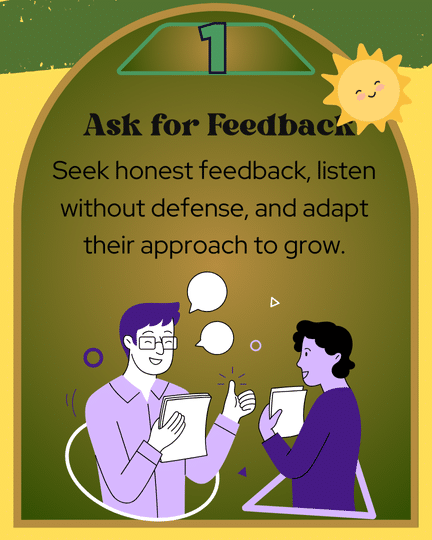
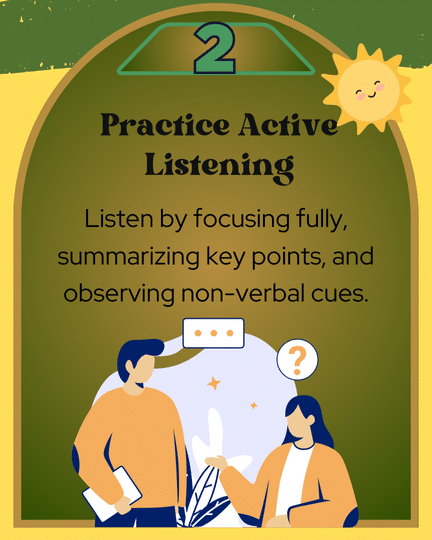
  • Visualize Success: Before starting major tasks, encourage people to visualize a successful outcome. For example, imagine the completed project—how it will benefit the team, the company, and their own career growth. Visualization boosts motivation and confidence, helping people stay engaged with their goals.

The Benefits of Mindful Goals

  • Find Your Purpose: Mindful goal-setting ensures that work isn’t just about checking things off a list, but also about personal and professional growth.
  • Increase Self-Awareness: Reflection helps people recognize their progress, which reinforces motivation.
  • Boost Confidence: Visualization reduces self-doubt and makes goals feel more achievable and exciting.

By incorporating mindfulness into goal-setting and self-reflection, organizations can help remote teams stay aligned, motivated, and consistently performing at their best.

Foster Open, Mindful Communication

Mindfulness Approach in a Remote World
Click on the image to see a full infographic (opens in new tab)

In a remote work environment, communication can make or break a team’s motivation and success. Unlike face-to-face interactions where body language and tone of voice help provide context, virtual communication can sometimes feel impersonal, rushed, or lead to misunderstandings. People might hesitate to speak up about concerns, which can cause frustration, disengagement, and even conflict within the team.

Without open and mindful communication, misunderstandings escalate, and trust erodes. This not only impacts motivation but also productivity and collaboration. A mindful approach ensures that communication is clear, empathetic, and inclusive, creating a positive and supportive remote work culture.

Mindful Communication in Action

Here’s how to encourage mindful communication in remote teams:

Mindfulness Approach in a Remote World

Click on the image to see a full infographic (opens in new tab)

  • Listen with Intention: Encourage managers to truly listen without interrupting or rushing to respond. Teach them to pause before replying to ensure their words are clear and empathetic. For example, instead of saying, “That won’t work,” they could say, “I see your point. Let’s explore how we can refine this idea together.”
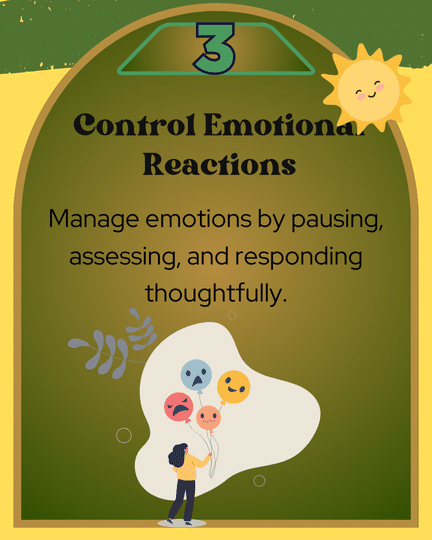
  • Create Safe Spaces: Set up “Mindful Listening Circles” – spaces where people can openly share challenges without fear of judgment. Use structured sessions where team members share concerns, wins, or roadblocks, while others listen attentively. This helps reduce frustration, builds trust, and encourages collaboration.
  • Communicate with Respect: Encourage everyone to express their needs and concerns without blaming or criticizing others. For example, instead of saying, “You never respond to messages,” a more mindful approach would be, “I feel left out when I don’t receive timely responses. Can we establish clearer response times?” This prevents conflicts and creates a more respectful work environment.

The Benefits of Mindful Communication

  • Feel Safe to Speak Up: People feel comfortable sharing ideas and challenges, leading to higher engagement.
  • Reduce Stress and Misunderstandings: Clear, mindful communication prevents conflicts and frustration.
  • Build a Stronger Team: When people feel heard and understood, motivation and collaboration improve.

By incorporating mindfulness into communication, organizations can create resilient, high-performing remote teams that thrive on trust, clarity, and motivation.

Final Verdict

To build a truly successful remote team, you need more than just efficient workflows and digital tools – you need a mindful approach to engagement, communication, and motivation. By incorporating mindfulness into everyday work practices, organizations can create a culture of connection, clarity, and well-being, helping everyone stay motivated and perform at their best. Starting meetings with a personal check-in helps people feel heard, valued, and engaged, making virtual interactions more meaningful. Encouraging mindful time management and digital boundaries prevents burnout, improves productivity, and allows people to maintain a healthy work-life balance. 

Mindful recognition and appreciation ensure that contributions are acknowledged, boosting morale and motivation. Goal-setting and self-reflection help people stay focused and driven, allowing them to track progress with clarity and confidence. Fostering open and mindful communication strengthens trust, reduces misunderstandings, and enhances team collaboration. 

Mindfulness isn’t about adding extra tasks to your to-o list; it’s about making small, intentional shifts in how teams connect, work, and communicate. By implementing even one mindfulness-based strategy, organizations can start creating a more engaged and motivated workforce. Over time, these practices lead to greater resilience, stronger teamwork, and a thriving remote culture that’s ready for today’s digital world.

Feeling brainy? Take this quiz to prove it!

0

Mindfulness Approach in a Remote WorldK

Check if you fully know about this approach.

1 / 10

How can leaders encourage mindful goal-setting?

2 / 10

Which mindful habit helps prevent burnout?

3 / 10

Why is mindful recognition important in remote teams?


4 / 10

Which of the following is a mindful way to manage digital boundaries?


5 / 10

What is a "focus hour" in mindful time management?

6 / 10

How can mindful time management help remote workers?

7 / 10

Why is it important to listen mindfully in virtual meetings?

8 / 10

What is a mindful check-in at the start of a meeting?

9 / 10

How does burnout affect remote teams?

10 / 10

What is one of the biggest challenges remote teams face?

Your score is

The average score is 0%

0%

Keeping Teams Motivated In A Remote World With Proactive Approach

It’s easy to feel disconnected from our teams while working remotely these days. We miss out on those casual chats and shared moments that used to bring us together, and this can make it harder to stay motivated and productive. Being an executive, it’s crucial to keep teams motivated in a remote world and energetic and engaged to ensure optimal performance and business success.

Studies show that 75% of remote employees feel more disconnected from their teams when working from home. These figures underscore the importance of actively fostering a sense of belonging and purpose within remote teams.

To address this challenge, implementing intentional strategies can help boost engagement and productivity. In the following sections, we will explore some proven ways to keep your remote team motivated.

1. Foster Strong Team Communication

Teams Motivated In A Remote World
Click on the image to see a full infographic (opens in new tab)

Working from home means missing out on those quick chats and impromptu meetings that naturally happen in an office. Without these, it’s easy for teams to feel disconnected and lose track of shared goals. This can lead to confusion, frustration, and a dip in productivity.

When team members don’t know what’s expected of them or receive regular feedback, they might feel lost and less motivated. Good communication ensures everyone feels valued and part of the team, which is key to keeping spirits high.

Here’s how to keep communication flowing:

Regular Catch-Ups

Teams Motivated In A Remote World
Click on the image to see a full infographic (opens in new tab)
  • Schedule quick check-ins to share updates and address any concerns.
  • Hold weekly or biweekly team meetings to discuss progress, challenges, and upcoming priorities.
  • Have one-on-one chats with each team member to offer support, acknowledge their hard work, and address any worries.
  • Use tools like Slack, Microsoft Teams, or Asana to keep everyone in the loop on tasks and progress.

Open and Approachable

Teams Motivated In A Remote World
Click on the image to see a full infographic (opens in new tab)
  • Encourage an open-door policy where team members feel comfortable reaching out.
  • Let everyone know they can ask questions, share feedback, or discuss challenges anytime.
  • Set up virtual office hours where people can drop in for a quick chat.
  • Create a safe space where everyone feels comfortable speaking up without fear of judgment.

Face-to-Face (Virtually!)

Teams Motivated In A Remote World
Click on the image to see a full infographic (opens in new tab)
  • Use video calls for important discussions to maintain personal connections.
  • Choose video calls over emails for sensitive or complex conversations.
  • Encourage team members to turn on their cameras whenever possible to build trust and strengthen relationships.
  • Use video conferencing tools like Zoom, Google Meet, or Microsoft Teams to replicate the face-to-face experience.

Why this matters for motivation

When communication is strong, employees feel connected, informed, and engaged. They know their work is valued and understand how it contributes to the bigger picture. This sense of belonging and purpose keeps motivation levels high, even when working remotely.

Teams Motivated In A Remote World

2. Set Clear Goals and Provide Purpose

Teams Motivated In A Remote World
Click on the image to see a full infographic (opens in new tab)

Without clear goals, employees may feel lost and unmotivated. This lack of structure in remote work can cause procrastination, confusion, and less drive. Unlike office settings where leaders give in-person guidance, remote teams need clear objectives to stay on track.

A strong sense of purpose also drives motivation. Employees want their work to matter—to their manager and the company. When remote workers see how they contribute to the bigger picture, they are more engaged and committed.

Define SMART Goals 

Teams Motivated In A Remote World
Click on the image to see a full infographic (opens in new tab)
  • Set goals that are Specific, Measurable, Achievable, Relevant, and Time-bound to provide clarity.
  • Instead of vague instructions, break down tasks into clear, measurable objectives.
  • Example: Instead of saying, “Improve customer service response time,” set a SMART goal like: “Reduce average customer response time from 12 hours to 6 hours within the next three months by implementing an AI chatbot.”
  • Use tools like Notion, Trello, or Monday.com to track progress on goals.

Show the Bigger Picture

Teams Motivated In A Remote World
Click on the image to see a full infographic (opens in new tab)
  • Show employees how their tasks contribute to the company’s mission, revenue growth, or customer satisfaction.
  • Example: If someone is writing a report, explain how it will influence a key business decision.
  • Encourage managers to regularly discuss long-term goals during team meetings, so employees stay motivated.

Celebrate Small Wins

Teams Motivated In A Remote World
Click on the image to see a full infographic (opens in new tab)
  • Recognizing achievements keeps employees engaged and encouraged.
  • Example: Send a shoutout in a team chat or mention their efforts in a company-wide email.
  • Even small accomplishments, like completing a complex project or meeting a deadline early, should be acknowledged to boost morale.

How does This Help in Staying Motivated?

When employees have clear goals and a strong sense of purpose, they feel valued and driven to perform well. Knowing that their work has a real impact reduces frustration and increases engagement, helping them stay motivated—even in a remote setting.

3. Encourage Work-Life Balance and Flexibility

Teams Motivated In A Remote World
Click on the image to see a full infographic (opens in new tab)

One of the trickiest things about working from home is that it can be hard to separate work from your personal life. It’s easy to get caught up in checking emails late at night or working longer hours than you would in an office. This can quickly lead to burnout, stress, and feeling disconnected – all of which zap your motivation and make it harder to get things done.

But when you feel trusted to manage your own time, you’re more likely to be productive, engaged, and happy with your work. A flexible approach lets you work when you’re most focused, which is a win-win for both you and the company.

Here’s How to Make it Work

Flexible Hours

Teams Motivated In A Remote World
Click on the image to see a full infographic (opens in new tab)
  • Ditch the rigid 9-to-5 and let people choose working hours that suit their energy levels and when they focus best.
  • Focus on results, not just hours spent at a desk.
  • Use tools like Slack or Notion so people can work together without needing to be online at the exact same time.

Time to Unplug

Teams Motivated In A Remote World
Click on the image to see a full infographic (opens in new tab)
  • Make it clear that people don’t have to answer emails or messages after work hours.
  • Have “no-meeting” afternoons or quiet work hours to avoid Zoom fatigue.
  • Encourage mindful breaks, like a quick walk, meditation, or stretching, to clear your head.

Well-being is Key

Teams Motivated In A Remote World
Click on the image to see a full infographic (opens in new tab)
  • Offer mental health days so people can take time off when they need it.
  • Provide support for setting up a comfortable home office, like money for ergonomic chairs, desks, or noise-canceling headphones.
  • Encourage people to use wellness programs, like meditation apps (Headspace, Calm) or online fitness classes.

The Motivation Boost

When you feel in control of your work schedule and supported in taking care of your well-being, you’re more engaged, less stressed, and more motivated to do your best work. By respecting the boundaries between work and personal life, and by offering flexibility, companies can boost morale, prevent burnout, and see better results in the long run.

4. Promote Mindful Goal-Setting and Self-Reflection

Teams Motivated In A Remote World
Click on the image to see a full infographic (opens in new tab)

When you’re working from home, it’s easy to lose sight of what you’re working towards. This can make you feel disconnected and less motivated. Without those every day chats with your manager or teammates, you might feel like you’re working on an island and unsure how your work fits into the bigger picture.

Traditional goal-setting often focuses only on what you produce, forgetting about personal growth, well-being, and feeling fulfilled. Hitting those work targets is important, but you also need a sense of purpose, progress, and self-improvement to stay truly motivated over time.

Mindful goal-setting and self-reflection help you connect your work goals with your personal values, which brings more job satisfaction and keeps you motivated.

Here’s How to Do It.

Set Intentional Goals

Teams Motivated In A Remote World
Click on the image to see a full infographic (opens in new tab)
  • Don’t just list tasks – think about why your work matters and how it contributes to a larger goal.
  • For example, instead of “Finish report by Friday,” an intentional goal would be “Create a clear and insightful report that helps leadership make better decisions.”
  • Use Monday morning check-ins to set mindful goals for the week.

Reflect on Your Day

Teams Motivated In A Remote World
Click on the image to see a full infographic (opens in new tab)
  • Take 5 minutes at the end of the day to jot down your progress, struggles, and what you learned.
  • Some helpful questions to ask yourself: What was the most fulfilling task I worked on today? What challenges did I overcome? How did I contribute to the team’s success?
  • If you feel comfortable, share your reflections with your team in a Slack channel or on a Notion page.

Visualize Success

Teams Motivated In A Remote World
Click on the image to see a full infographic (opens in new tab)
  • Before starting a big project, take a moment to imagine yourself successfully completing it.
  • For example, before a presentation, picture yourself speaking confidently, receiving positive feedback, and feeling accomplished.
  • Leaders can also use visualization in team meetings to paint a picture of success for upcoming projects.

The Motivation Boost

When you set mindful goals and take time to reflect, you gain a stronger sense of direction, purpose, and confidence. This helps you see your progress, stay engaged with your work, and feel a deeper connection to your role – all of which contribute to long-term motivation while working remotely.

5. Introduce Mindfulness for a Positive Work Culture

Teams Motivated In A Remote World
Click on the image to see a full infographic (opens in new tab)

Working from home can bring its own kind of stress, distractions, and mental fatigue. Think constant notifications, endless virtual meetings, and no clear separation between work and personal life. This can make it tough to stay focused, engaged, and emotionally balanced.

Mindfulness is a simple but powerful tool that helps you concentrate better, stress less, and build resilience. When it’s part of your company’s culture, it leads to greater well-being, better teamwork, and higher engagement – all things that contribute to a more motivated and productive team.

Here’s How to Bring in Mindfulness:

Take Mindful Breaks

Teams Motivated In A Remote World
Click on the image to see a full infographic (opens in new tab)
  • Introduce 5-minute mindfulness pauses during the workday to help everyone reset.
  • Suggest breathing exercises or short meditations to reduce stress and improve focus.
  • Use workplace wellness apps like Headspace or Calm to make mindfulness easy.

Offer Wellness Programs

Teams Motivated In A Remote World
Click on the image to see a full infographic (opens in new tab)
  • Give employees free or discounted subscriptions to meditation platforms.
  • Organize virtual mindfulness workshops where everyone can learn simple stress management techniques.
  • Encourage mindful movement practices, like stretching or yoga, to break up long periods of sitting.

Promote Mindful Leadership

Teams Motivated In A Remote World
Click on the image to see a full infographic (opens in new tab)
  • Train managers to actively listen and respond thoughtfully in virtual meetings.
  • Encourage leaders to check in on employees’ well-being, not just their performance.
  • Foster a culture of gratitude and appreciation, where leaders acknowledge small wins and create a supportive remote work environment.

The Motivation Boost

When you feel mentally refreshed, emotionally supported, and valued, you’re more engaged and productive. A workplace that prioritizes mindfulness helps teams stay focused, resilient, and motivated, even while working remotely.

Final Thoughts

It takes real effort to keep teams motivated when everyone’s working from home. Unlike being in the office, where motivation can happen naturally from everyday interactions, remote teams need specific strategies to stay engaged, productive, and connected.

By focusing on good communication, clear goals, flexibility, recognizing achievements, and mindfulness, leaders can create a workplace where employees feel valued, inspired, and ready to do their best. These strategies not only boost motivation but also improve teamwork, prevent burnout, and lift overall morale.

Start small. Pick one strategy to try today, like scheduling regular check-ins, encouraging a good work-life balance, or adding mindfulness practices. Small, consistent changes can make a big difference in your team’s motivation and productivity over time.

How much did you absorb? Let’s find out with this quick quiz.

0

Keeping Teams Motivated In A Remote World

Check if you know how to keep teams motivated remotely.

1 / 10

What is the biggest motivation booster for remote teams?

2 / 10

Which mindful practice can boost productivity?

3 / 10

Why is self-reflection important in remote work?

4 / 10

How can time flexibility help remote workers?

5 / 10

Which of the following supports work-life balance?

6 / 10

What is a good way to recognize small wins in a remote team?

7 / 10

How can leaders show employees the ‘bigger picture’?

8 / 10

What is the benefit of setting SMART goals?

9 / 10

Which tool can help with team communication?

10 / 10

Why is strong communication important for remote teams?

Your score is

The average score is 0%

0%

How to Use ChatGPT to Write Emails at Work Which Get Results and Drive Action

Do you know According to a study by McKinsey, employees spend 28% of their workweek reading and responding to emails, which equates to about 13 hours per week. Writing emails at work, especially those tough ones, can be seriously anxiety-inducing. Whether you’re declining a project, requesting time off, or sharing bad news, crafting these messages can be a challenge. Hitting “send” often feels even worse.

Another study shows that leveraging generative AI tools like ChatGPT in the workplace can supercharge productivity, leading to a remarkable 66% boost in performance.

We have compelling evidence to believe that this 66% productivity boost is accurate when it comes to writing emails. Using ChatGPT for email composition not only expedites the writing process (especially for complex emails) but also enhances the quality and clarity of your messages.

This guide shows you how to use ChatGPT to confidently tackle emails – from drafting the content and setting the tone to even measuring their success. You’ll be equipped to send emails that not only reduce your stress but also achieve your goals. Are you ready to become an email writing master?

Why Should We Use ChatGPt to Write Emails? 

 Use ChatGPT to Write Emails
Click on the image to see a full infographic (opens in a new tab)

One of the hardest parts of writing difficult emails is managing emotions, especially when dealing with sensitive topics.

  • Neutral and Objective Language: ChatGPT produces neutral and objective content, which is invaluable in emotionally charged situations. Relying on AI helps prevent emotions from dictating the tone.
  • Focusing on Facts: ChatGPT focuses on the facts you present, keeping the email clear and concise without unnecessary emotional undertones.
  • Consistent Professionalism: ChatGPT’s responses are consistently professional, helping you maintain a level-headed approach even when the topic is difficult. This is crucial for maintaining positive relationships, even when delivering bad news.

How to Use ChatGPT to Write Emails in 4 Easy Steps

ChatGPT has a hidden feature that can drastically improve the quality of your emails. It lets you fine-tune how the AI responds, making sure each email is just how you want it.

Step 1: Setting up ChatGPT

 Use ChatGPT to Write Emails

Look for a section called “Custom Instructions” or “Settings” within ChatGPT before you start typing your email. This is where you tell ChatGPT what you want.

How to Use it for Email Writing?

  1. Your Email Style
    • Formal or Casual: Tell ChatGPT how formal your emails should be.
    • Short or Detailed: Tell ChatGPT how long or detailed you want your emails.
  2. Who You’re Writing To
    • Different Audiences: Tailor the AI’s responses for different groups like clients or colleagues.
    • Email’s Purpose: Specify if the email is to inform, request something, or solve a problem.
  3. Making Emails Better
    • Clear Instructions: Tell ChatGPT to always include clear actions for the recipient to take.
    • Polite and Positive: Ask for a consistently polite and positive tone.
  4. Personal Touches
    • Specific Words: If you use industry-specific terms, tell ChatGPT to use them.
 Use ChatGPT to Write Emails

Example

You could tell ChatGPT: “Please use a formal tone and include technical legal terminology. Keep the explanations concise but comprehensive enough for a professional audience.”

This ensures every email is professional and suitable for the recipient.

The “Custom Instructions” feature makes ChatGPT a super email tool. By setting your preferences, you’ll get more effective emails that perfectly match your needs.

With your account ready and instructions customized, you’re now prepared to tackle those challenging emails with ChatGPT’s assistance.

Once you’ve set up ChatGPT and customized your instructions, it’s time to tackle those challenging emails head-on. Whether you need to decline a request, ask for time off, or deliver tough news, ChatGPT can help you articulate your message clearly and professionally. Let’s break it down step by step.

Step 2: Creating the First Draft

 Use ChatGPT to Write Emails
Click on the image to see a full infographic (opens in new tab)

The first step is generating an initial draft. The key to getting a good draft from ChatGPT is a well-thought-out prompt that includes all the necessary details.

  • Start with a Clear Prompt: Be specific about the context and goal of your email. For example, if declining a project, your prompt might be: “I need to write an email to my partner declining an additional project. I’m currently at full capacity and don’t want to overcommit. The tone should be polite but firm.”
  • Include Relevant Details: Mention anything important that needs to be in the email. For instance: “Please mention that I’m happy to revisit the opportunity later and suggest a person who might be able to help.”
  • Let ChatGPT Work: Once you’ve provided the prompt, ChatGPT will generate a draft. It might not be perfect, but it’s a solid foundation.
  • Iterate as Needed: Don’t hesitate to ask ChatGPT for multiple versions if you’re not fully satisfied. You could say, “Please regenerate the email with a focus on emphasizing my willingness to help in the future.”
  • Adjust the Tone: If the tone isn’t quite right, ask ChatGPT to modify it. For example, “Please revise this email to have a more formal tone.” You can also specify if you want it softer or more direct.

Step 3: Ensuring Clarity and Brevity

Click on the image to see a full infographic (it opens in new tab)

Clarity and brevity are crucial. Your recipient should quickly understand your message without sifting through unnecessary details.

  • Simplify Complex Ideas: Use ChatGPT to break down complex ideas into simpler terms. You can prompt it to rephrase sections for better clarity.
    • Example: “Could you simplify this explanation to be more concise?”
  • Eliminate Redundancies: Remove repetitive phrases or sentences. If a point is already made, there’s no need to repeat it unless it adds value.
  • Keep It Concise: Aim for brevity. Professionals receive many emails daily, so keeping yours short increases the chance it’ll be read and acted upon.
    • Consider bullet points or numbered lists for multiple points. This makes the email easier to skim.
  • Read Through the Entire Email: Look for sections that feel off or don’t convey the message clearly. Pay attention to the flow and ensure the tone matches your intent.
  • Check for Alignment with Your Message: Does the email cover all key points? Is anything missing? If something feels off, tweak the language or ask ChatGPT for a revision.
  • Edit for Clarity: Simplify complex sentences or jargon. If ChatGPT’s draft includes long sentences, break them down into simpler parts.
    • Example: Instead of “Given the current workload and the potential impact on ongoing projects…”, simplify to “Due to my current workload…”
 Use ChatGPT to Write Emails

Step 4: Adding a Personal Touch and Final Editing

Click on the image to see a full infographic (opens in new tab)

While ChatGPT provides a solid foundation, adding personalized details makes your email feel genuine and professional.

  • Include Specific Details: Mention details relevant to the recipient or the situation. If declining a project, refer to a recent conversation or acknowledge its importance.
    • Example: “I recall discussing this project in our last meeting, and I understand its significance to our Q4 goals.”
  • Tailor the Greeting and Closing: Adjust the greeting and closing to match your relationship with the recipient. For a close colleague, a friendly “Hi [Name]” might be fitting, while a more formal “Dear [Name]” could be better for a supervisor.
    • Consider a personal closing note, like “I hope you have a great week!” or “Looking forward to catching up soon.”
  • Reflect Your Personality: If appropriate, infuse some of your personality into the email. This could be a light-hearted comment or a phrase you commonly use. Be mindful of the tone and ensure it aligns with the situation’s professionalism.
  • Refine the Tone: Adjust the tone if it’s too formal or casual. ChatGPT’s responses are generally professional, but you can fine-tune them to match your voice or the situation.

Final Thoughts

Using ChatGPT for work emails can save you time, make your emails better, and reduce the stress of writing difficult ones. By setting it up to match your style, you can ensure every email you send is professional and effective. 

Whether it’s saying no to a project, asking for something, or delivering bad news, ChatGPT helps you write clearly and confidently, making sure your recipients understand and act. As more workplaces adopt AI tools like ChatGPT, mastering its use will not only streamline your email process but also elevate your overall communication skills. It will make you a more efficient and impactful professional. 

Test your wits! See how well you score on this quiz.

0

Use ChatGPT to Write Emails

Find out, if you know how to use ChatGPT to Write Emails.

1 / 10

What feature in ChatGPT can help you customize how your emails are written?

2 / 10

Which tone can you ask ChatGPT to use when writing a professional email?

3 / 10

What is the first step in crafting an email using ChatGPT?

4 / 10

How can you personalize the emails generated by ChatGPT?

5 / 10

What should you do after ChatGPT generates the first draft of your email?

6 / 10

Why is it important to review and edit the content generated by ChatGPT?

7 / 10

What technique can you use to keep your email clear and concise?

8 / 10

Why might you want to use bullet points or numbered lists in your email?

9 / 10

How can ChatGPT help when writing emails on sensitive topics?

10 / 10

What is a benefit of using ChatGPT to write emails at work?

Your score is

The average score is 0%

0%