5 Helpful Strategies On How To Stop Worrying And Start Leading Mindfully

Do you often find yourself unable to stop worrying about the future and struggling to live in the present? Maybe you stress about deadlines, money, or relationships. Worrying can take over our lives, leaving us anxious and making it hard to work or enjoy ourselves. All those “what ifs” and scary thoughts can leave us feeling exhausted and helpless.

Do you know that Up to 20% of adults are affected by anxiety disorders each year? And the major cause of this serious mental disorder is worry. Yes, according to experts When you worry excessively for 6 months, it can convert into a Generalized Anxiety Disorder (GAD). 

It is very important to put a halt to this worry. I know saying is easier than doing and stopping worrying seems to be a huge task. 

But what if I told you there are simple yet powerful ways that can help you stop worrying and lead in the best way? Continue reading to find out the valuable techniques for mindful and effective leadership.

Strategy 1: Mindfulness Meditation

Turn Down the Mental Noise

Imagine your mind is like a bustling airport, with thoughts constantly taking off and landing and worries circling overhead.  Mindfulness meditation is like finding a quiet corner in that airport. Sit comfortably and simply observe your thoughts as they arrive and depart without getting caught up in them. 

Notice any worries that linger acknowledge them, and then shift your focus back to your breath.  Your breath is like the airport’s PA system, a steady guide bringing you back to the present moment.  Remember, even short moments of mindfulness offer your busy mind a chance to relax and reset.

Digital Detox: Give Rest to Your Mind

Imagine giving your mind regular mini-vacations. Turn off those notifications for an hour – seriously, you’ll be okay!  Go for a walk, meditate, or even stare at the ceiling – anything but scrolling through the latest bad news. These breaks are like power naps for your brain – you’ll come back refreshed and ready to focus.

Mindful Tech Use

Tech is like that overexcited puppy – adorable but needs boundaries! Check your email at set times; don’t let it interrupt you constantly. This means you’ll work through information methodically instead of always feeling distracted. It puts you back in control of your mental space.

We’re not going off the grid! The goal is to be intentional about tech use. You want to use your tech tools, not let them use you.  This is how you create space for clear thinking and those legendary leadership moments!

stop worrying
Click on the image to see a full infographic (opens in new tab)

Strategy 2: Get Physical

Punch Stress in the Face

Picture your worries as… well, targets for your anger!  Okay, maybe don’t actually try that, but intense exercise lets you do it metaphorically. Running, boxing, or even a wild dance session—these turn stress into something useful. You’ll get sweaty, maybe even sore, but also feel amazing afterwards.

Yoga: Channel Your Inner Zen

Yoga is like stretching out a tense mind. It loosens up those anxiety knots and teaches you to breathe calmly even when it feels like everything’s going wrong. Think of it as making your mind as strong and flexible as your body will be.

HIIT: Quick Stress Relief

No time?  No problem! HIIT(High-Intensity Interval Training) workouts are amazing. 30 seconds of all-out sprinting followed by 60 seconds of walking. This cycle is repeated several times.

Short bursts of intense exercise give you a full workout. Expect sweating, maybe some cursing, and a major boost of happy brain chemicals to get you through those long meetings.

Don’t see exercise as a chore.  Find something you enjoy, even if it’s quirky (zombie apocalypse training, maybe?). This is about taking time for yourself, releasing that mental pressure, and becoming a stronger person overall. Because a healthy leader is the most effective kind of leader.

stop worrying
Click on the image to see a full infographic (opens in new tab)

Strategy 3: Scheduled Worry Time

Outsmart, Those Mental Telemarketers

Think of your worries as those annoying callers who always interrupt you at the worst moment. Scheduled worry time is like giving them a specific time slot: “Okay, I’ll panic about the time from 3–3:30 pm, but the rest of the time, leave me alone!” It seems weird, but this really does free up your mind to focus on the important stuff.

Clear the Fog for Better Decisions

Worry time is when you tackle those nagging decisions. Imagine a mental whiteboard: write down the problem, then honestly decide if you can solve it right now or not.  This simple act of sorting helps you focus on what you can control.

Instead of endlessly asking, “What if?” you’re making steps and setting deadlines. You’ve turned your worry into a plan, and that’s exactly what strong leaders do.

Stop worrying; Start Leading

This isn’t just about emotional relief; it’s about being a smarter leader. By giving worry a place and a time, you stop it from controlling your whole day. You can focus, give clear direction, and be the decisive leader your team needs. Scheduled worry time is the ultimate power move – you’re taming your mental chaos and becoming the leader everyone wants to follow.

stop worrying
Click on the image to see a full infographic (opens in new tab)

Strategy 4: Start Journaling

Create Your Journal

Think of your journal as a magical mirror. Instead of showing your face, it reveals your inner workings –  chaotic emotions transformed into organized thoughts.  Journaling reveals hidden truths, helping you navigate your own unique leadership journey.

Untangle those Emotions

Sometimes, leadership feels like an emotional rollercoaster (without the tasty snacks).  Journaling lets you step off the ride and examine it: “Why did that meeting make me so angry? What makes me lose patience?” Naming your emotions helps you take control of them.  Think of writing as a way to disarm those worry monsters.

Get More Deeper in Situation

Get even deeper with targeted journal prompts.  Ask things like “What made me feel proudest this week?” or “What emotions are toughest for me, and why?”.  This gives you an X-ray vision of your inner world, exposing patterns and triggers and how to manage them best.

It’s easy to focus on problems and miss all the good stuff.  Keep a gratitude journal to force yourself to notice even small wins: “Meeting went well, got great coffee, that client actually laughed at my joke…”. Shifting your focus builds resilience like nothing else– it’s basically optimism training!

Journaling isn’t just about venting; it’s about deep self-understanding. This awareness makes you a more compassionate, focused leader. So grab your favorite pen, make some tea (or something stronger!), and let your journal be where you discover your best leadership self.

stop worrying
Click on the image to see a full infographic (opens in new tab)

Strategy 5: Build Your Support Network

Think of work-life balance as a high-wire act. Your support network is the safety net below – there to catch you when you fall and give you the courage to take bold steps. Here’s how it works:

Tap into the Wisdom of Others

Imagine a secret club of executives who have this “balance” thing down. Support networks are just like that, minus the weird handshakes. You get honest tips, learn what works (and what doesn’t), and share those life-changing “aha!” moments. It’s your shortcut to the work-life balance cheat sheet.

Find Your Work-Life Yoda

Mentors are likewise guides. Seek out those whose life looks like what you want – successful and sane. They’ll help you steer clear of burnout traps, teach you to prioritize, and remind you that having a life actually makes you a better leader.

Your Tribe of Champions

Peer groups are your people. They understand the struggle, celebrate your wins, and help you stay on track when you slip into old habits.  This is about creating a space where work-life balance becomes a shared goal. It’s motivating, inspiring, and exactly what you need to keep going.

Asking for help isn’t a weakness; it’s smart leadership. Building a support network makes you more resilient, resourceful, and happier overall. So go find your tribe! They’re the ones who’ll help you master that high-wire act of work-life balance and maybe even enjoy the view along the way.

stop worrying
Click on the image to see a full infographic (opens in new tab)

From Worry Warrior to Zen Master

This isn’t just about stop worrying; it’s about unlocking your best leadership self.  Mindfulness, exercise, and strategic worry sessions are the tools that create the kind of leader people trust and follow.  A leader who’s present, adaptable, and has that calm, confident energy we all want at work.

Experiment! Some of these strategies will work instantly, but others will require time. Don’t chase perfection; chase progress. Every mindful moment, every action-focused worry session, every time you prioritize your well-being – that’s a win. This journey is yours, and the results will be amazing.

The Ultimate Result

Remember, mindful leadership isn’t just about you. You’re changing the whole vibe of your team. Imagine a workplace where clarity, creativity, and well-being are the standard. It starts with you.

As you start this awesome adventure, the only real worry should be whether your coffee is worthy of your newfound enlightenment!  Because guess what?  Mindful leaders make better coffee choices, too. Embrace this journey, embrace the changes, and let’s show the world what truly awesome leadership looks like.

Feeling confident in your understanding? Test what you’ve learned by taking this quiz on the main points of the article.

0

Stop Worrying

How will YOU stop worrying?

1 / 10

What does GAD stand for?

2 / 10

How long does excessive worrying need to persist before it can develop into GAD?

3 / 10

How does scheduled worry time help manage anxiety?

4 / 10

What type of exercise is recommended for quickly relieving stress?

5 / 10

How can journaling help manage emotions and reduce worry?

6 / 10

What role does a support network play in achieving work-life balance?

7 / 10

How can mentors help in mindful leadership?

8 / 10

How does physical exercise contribute to managing worry and stress?

9 / 10

What is the benefit of turning off notifications for an hour?

10 / 10

What is the purpose of mindful tech use?

Your score is

The average score is 0%

0%

“HOW To Deal With A Conflict?”- Finding the Perfect Balance Between Avoidance and Aggression

We’ve all been there. That moment, a disagreement ignites, transforming your sharp-suited colleagues into a feuding cast of reality TV stars… minus the cameras and potential endorsement deals. You know conflict is unavoidable in the business world, yet somehow, you always feel caught off guard, wishing for a rewind button or maybe a trapdoor for a quick exit. 

Do you know, according to a study, people with higher job positions often deal with conflict issues that can make them feel really stressed over time? 

Workplace conflict. It’s the awkward, tension-filled elephant in the room (sadly, not the kind that brings party favors). 

It makes your stomach churn, messes with your focus, and can turn a harmonious team into a cage match of competing agendas. And let’s be real, sometimes you just want to avoid the whole mess…or maybe unleash your inner Hulk. 

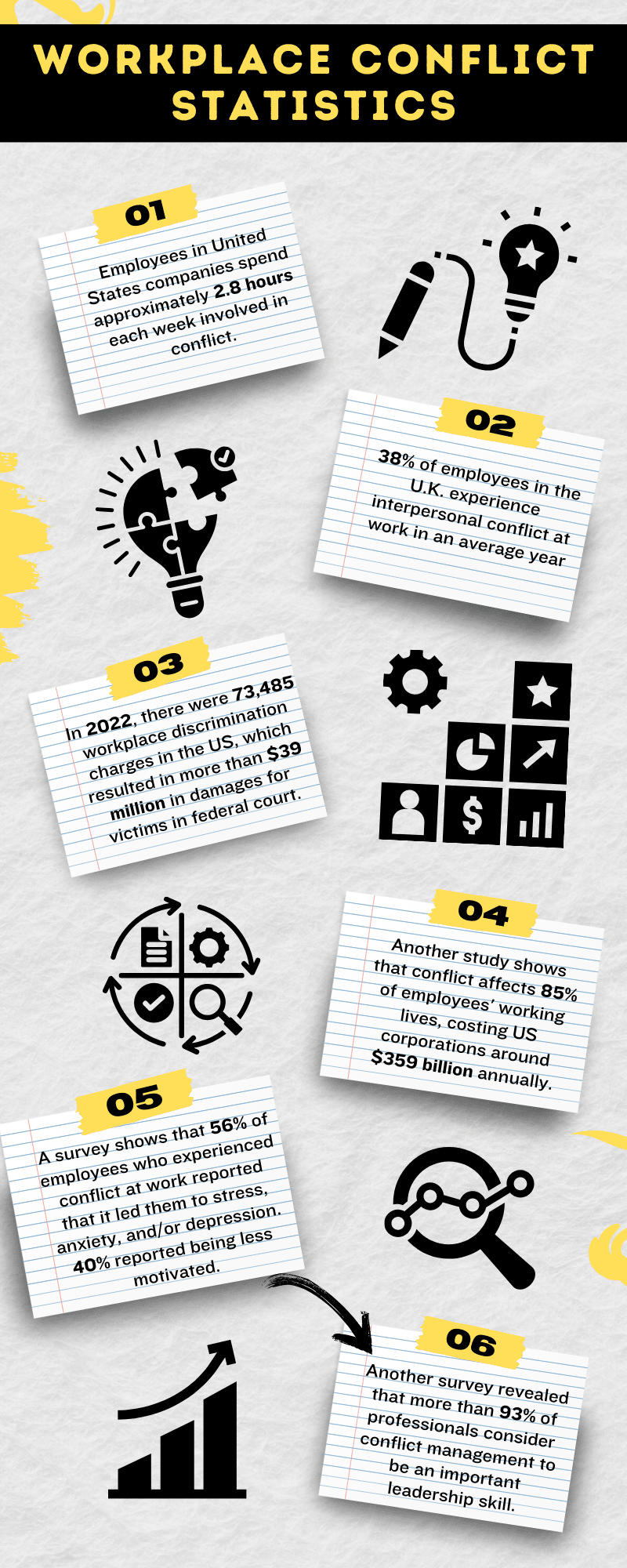
Another study shows that conflict affects 85% of employees’ working lives, costing US corporations around $359 billion annually.

HOW To Deal With A Conflict

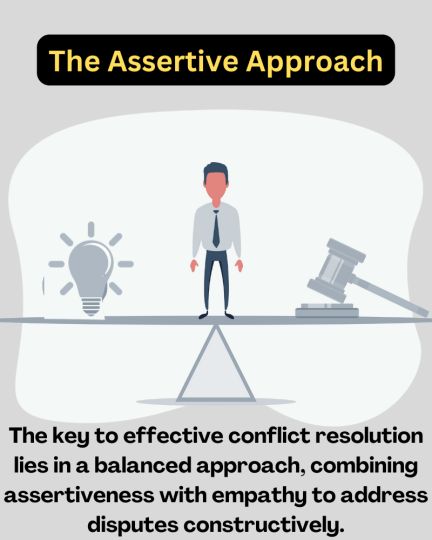
So, how do you learn to face conflict head-on and come out stronger on the other side? It’s not about becoming an aggressive negotiator or a timid wallflower. The secret to successfully dealing with conflict is finding the perfect balance – a way to assert yourself without steamrolling others. 

This post is your guide to finding that sweet spot. Let’s ditch those imaginary superhero suits and learn how to deal with a conflict in a way that makes you proud of the leader in the mirror.

The Ostrich vs. The Bulldozer

The Ostrich Approach: When Problems Magically Disappear (They Don’t)

Picture this: You’ve got a simmering conflict with a colleague. Your natural instinct is to do the corporate equivalent of sticking your head in the sand. Emails go unread, eye contact becomes an Olympic sport, and you secretly hope the whole issue will just…go away.

Unfortunately, conflicts don’t play by those rules. They’re more like toddlers throwing tantrums – the more you ignore them, the louder they get. Unresolved issues fester, stress levels skyrocket, and suddenly, that minor disagreement has become a full-blown crisis. It’s the reason projects get mysteriously delayed, teams become dysfunctional, and the office atmosphere feels about as pleasant as a root canal.

A study shows that 56% of employees who experienced conflict at work reported that it led them to stress, anxiety, and/or depression. 40% reported being less motivated.

The Bulldozer Method: Winning the Battle, Losing the War

HOW TO DEAL WITH A CONFLICT
Click on the image to see a full infographic (opens in new tab)

On the opposite end of the spectrum, we have the Bulldozer. This executive sees conflict as a personal challenge and responds with overwhelming force. Opinions are flattened, feelings are collateral damage, and the boardroom becomes less a place of collaboration and more a battlefield.

Sure, the bulldozer might get things done in the short term, but the aftermath is messy. Relationships are damaged, reputations are tarnished, and everyone starts tiptoeing around for fear of triggering the next outburst. This is the kind of environment where innovation dies, and employees start quietly updating their resumes.

An average of 485,800 employees resign each year due to conflict, and the cost of recruiting replacement employees amounts to £2.6 billion yearly.

So, what’s the alternative?

The truth is, successfully navigating conflict isn’t about burying your head or bulldozing your way through. It’s about finding that sweet spot between ostrich and bulldozer, a place where you can address issues head-on without sacrificing respect or relationships. Think of it as the “assertive ninja” approach – strategic, respectful, and focused on positive outcomes.

A survey revealed that more than 93%of professionals see conflict management as an important leadership skill. 

Key Takeaway: Avoiding a problem doesn’t make it go away, and aggression only creates new ones. But learning how to deal with a conflict effectively? That’s a leadership superpower.

Your Conflict Resolution Toolkit 

Talk Less, Understand More: The Superpower of Active Listening

HOW TO DEAL WITH A CONFLICT
Click on the image to see a full infographic (opens in new tab)

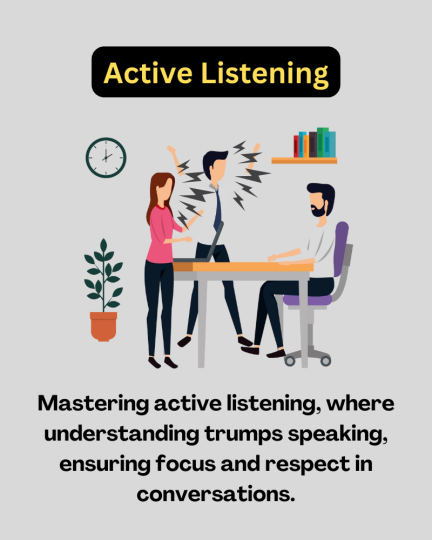
Forget flashy gadgets; your most potent conflict-buster is already inside your head: active listening. Think of yourself as Sherlock Holmes – every word, every pause, every frustrated sigh is a clue leading to the heart of the issue. Active listening means focusing less on crafting your clever comeback and more on truly understanding the other person.

How to turn into a listening ninja:

  • Paraphrase Power: Prove you’re paying attention by summarizing what you’ve heard. (“So, you feel like the project deadline is unrealistic…”)
  • Ask the Right Questions: Open-ended questions dig deeper than a simple “yes/no.” (“What would make this project timeline more manageable?”)
  • Eye Contact = Respect: Don’t let your gaze wander. This shows you’re engaged and value the other person’s thoughts.

The Mind Meld: Walking a Mile in Someone Else’s Shoes

HOW TO DEAL WITH A CONFLICT
Click on the image to see a full infographic (opens in new tab)

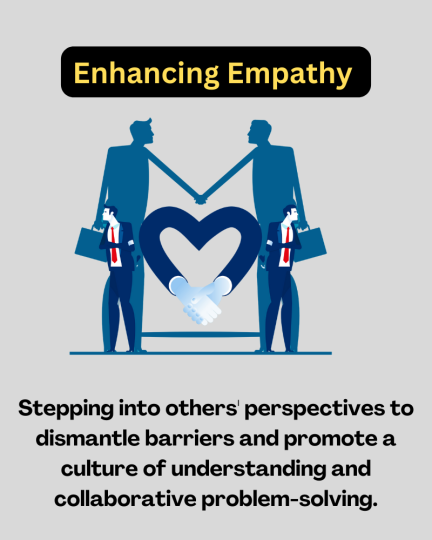
Sometimes, the best way to resolve a conflict is to temporarily ditch your own shoes. Empathy, the ability to feel with someone, helps you see things from their perspective. It might not change your opinion, but it does dissolve that stubborn “us vs. them” mentality that gets in the way of solutions. Think of yourself as a less pointy-eared Vulcan.

A post from Michigan State University emphasizes that by prioritizing empathy, active listening, and collaborative problem-solving, individuals can cultivate a culture of understanding and constructive conflict resolution.

How to boost your empathy skills:

  • Role Reversal Rumble: Argue the opposite side of what you believe. It forces you to consider different angles.
  • Empathy Map It Out: Draw a simple chart with quadrants labeled “Says,” “Does,” “Thinks,” and “Feels.” Fill it in as if you were the other person.

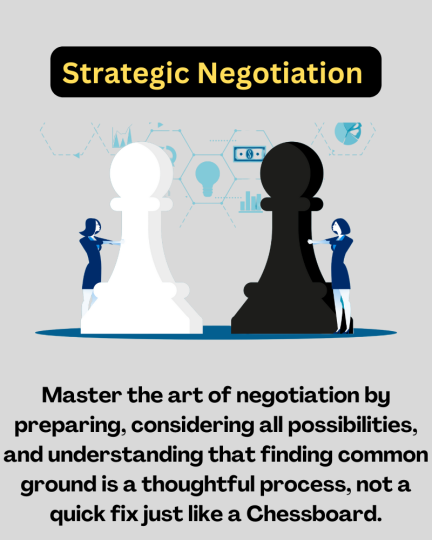
The Chess Game: Negotiate Your Way to Success

HOW TO DEAL WITH A CONFLICT
Click on the image to see a full infographic (opens in new tab)

Not every conflict is solved with a warm hug and a “let’s all agree” moment. Sometimes it takes careful negotiation to reach a win-win. Think less “checkmate!” and more “how does this benefit everyone?”.

Tips for mastering conflict chess:

  • Preparation is Key: Don’t just wing it. Know what you want and what you’re realistically willing to compromise on.
  • “What If…?” Wins: Brainstorm potential solutions before the meeting, even unlikely ones. It sparks creativity.
  • It’s a Process, Not a Race: Sometimes, you need several sessions to reach that sweet spot of agreement.

Key Takeaway: Dealing with a conflict isn’t always about being right. It’s about doing right by yourself, your team, and the company.

Leveling Up Your Conflict Toolkit (When Things Get Tricky)

Mindfulness: The Not-So-Secret Weapon

HOW TO DEAL WITH A CONFLICT
Click on the image to see a full infographic (opens in a new tab)

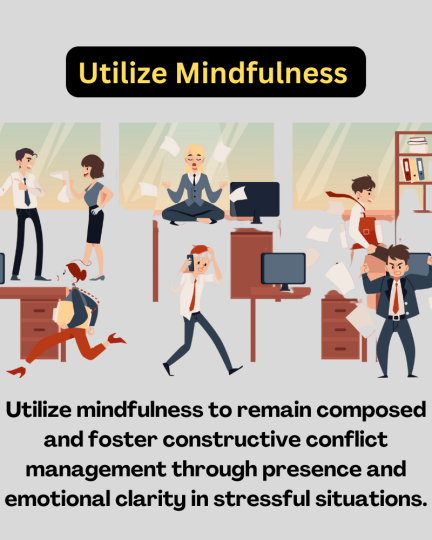
Imagine your typical conflict: raised voices, tense shoulders, and a general sense that everyone’s blood pressure is spiking. Now, picture yourself in the middle of it…but feeling remarkably calm. That’s the power of mindfulness.

According to a study, mindfulness can be an effective tool for promoting constructive conflict management in organizations by increasing collaboration and reducing conflict avoidance. 

Mindfulness isn’t about chanting mantras or levitating above your desk (though that’d be a cool boss move). It’s about being present in the moment, even when that moment is stressful. Think of it as creating a tiny gap between “thing happens” and “you blow your top.”

How mindfulness beats conflict:

  • Breathe In, Stress Out: Simple, focused breathing before a tough meeting keeps you centered.
  • The Mindful Stroll: Stuck? A quick walk around the block can clear your head like a power nap.
  • Anger Translator: Mindfulness helps you see your emotions, not be ruled by them.

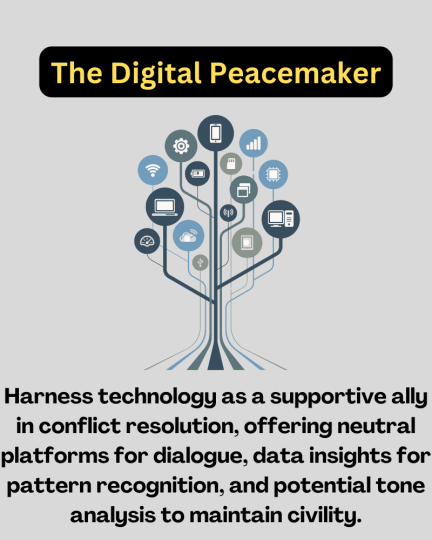
The Digital Peacemaker: When Tech Lends a Hand

HOW TO DEAL WITH A CONFLICT
Click on the image to see a full infographic (opens in new tab)

From AI-powered chatbots to fancy conflict resolution platforms, tech is stepping into the ring. These tools can be surprisingly helpful:

  • The Neutral Zone: Online platforms give everyone a safe space to air their grievances.
  • Data-Driven Diplomacy: Some tools track past conflicts, helping to spot patterns and prevent future ones
  • Emotion Detector 5000: OK, not yet, but some tech can analyze tone, reminding everyone to keep things civil.

Important Note: Tech is a sidekick, not a replacement for good human judgment!

The Global Diplomat: Building Bridges, Not Walls

HOW TO DEAL WITH A CONFLICT
Click on the image to see a full infographic (opens in new tab)

Today’s executives need to be a part business leaders part cultural anthropologists. Why? Because misunderstandings happen when different cultures collide, and that can create major conflict. The solution? Respect, curiosity, and a willingness to see things from a different angle.

According to oxford research, business anthropology helps leaders in a way of using ideas and ways of studying human societies to help understand and improve different parts of businesses, like how they organize, advertise, and design things, all while considering different cultures. It’s really useful because it helps businesses be more ethical (doing the right thing) and creative in how they work and solve problems.

Tips for navigating cultural complexities:

  • Do Your Homework: Learn about the cultural norms of the people you work with.
  • Communication is Key: Be clear and concise and double-check for understanding.
  • Seek the Common Ground: Focus on shared goals, even if the methods to reach them differ.

Key Takeaway: How to deal with a conflict at the office isn’t a one-size-fits-all answer. By mastering these extra skills, you’ll be ready for whatever twists and turns come your way.

Final Thoughts 

Let’s be honest; no one really enjoys conflict. But think of this whole guide as your transformation from someone who’d rather hide under a desk than face a disagreement to the kind of leader who tackles tension with confidence. 

It’s your key to becoming the person everyone else hopes is in the room when things get messy.

So, what’s the takeaway? Handling conflict well isn’t just about ending the argument; it’s about leveling up as a leader. It’s about becoming a better listener, a calmer negotiator, and a more empathetic problem-solver.

Here’s your action plan:

  • The Listening Challenge: Next time there’s a disagreement, truly listen. Summarize the other person’s points, ask questions…make it about them, not your counterargument.
  • Breathe Before You Burst: Feeling your temperature rising? A few deep breaths before a tough meeting can mean the difference between diplomacy and disaster.
  • See Conflict as Growth: This is hard, but try to view each tense situation as a chance to become a better version of yourself.

This stuff takes practice, and there will still be moments when you wish for that superhero cape. But remember, real power isn’t about steamrolling others. True power lies in handling the toughest situations with grace and respect.

Think of it this way: the next time a conflict emerges, you’re not facing a battle…you’re facing a boss-level challenge in the game of leadership. And with the tools we’ve covered, you’re well-equipped to beat it.

The Bottom Line

How to deal with conflict effectively is a skill that will benefit you far beyond the boardroom. It creates stronger teams and smoother processes, and most importantly, makes you the leader everyone admires (and maybe slightly fears in that good, respectful way). So go forth and conquer those conflicts!

Let’s see what you’ve got! Spend a few moments on this quiz to test your grasp of the material.

0

Deal With Conflict

Assess Your Approach to Handling Conflict

1 / 10

What is the Ostrich Approach to conflict?

2 / 10

What is the main drawback of the Bulldozer Method?

3 / 10

What is a key benefit of active listening in conflict resolution?

4 / 10

How can empathy help in resolving conflicts?

5 / 10

What should you do before a major decision to handle conflict effectively?

6 / 10

How can mindfulness help in conflict situations?

7 / 10

What is the benefit of using technology in conflict resolution?

8 / 10

How can cultural understanding help in conflict management?

9 / 10

What is a key strategy for navigating cultural complexities in conflicts?

10 / 10

What is the ultimate goal in conflict resolution according to the post?

Your score is

The average score is 0%

0%

How to Love Yourself: More Than Just a Buzzword for Business Leaders

Ah, the age-old adage: “How to love yourself.” It’s a phrase we’ve all come across in some form or another. And if you’re a business professional, you might just roll your eyes and say, “Not another soft skill talk!” But here’s the twist – it’s not just about soft skills. It’s about business resilience, leadership, and overcoming challenges in today’s ever-changing business landscape.

Common Misconceptions about Self-Love among Business Professionals

Let’s address the elephant in the room first. For many business professionals, there’s a misconception that self-love equates to being narcissistic or indulging oneself excessively. They might see it as the opposite of humility, or even as a sign of weakness. After all, isn’t business about being tough, making hard decisions, and sometimes sacrificing oneself for the greater good?

Here’s the catch. Self-love is none of that. It’s neither self-indulgence nor narcissism. In fact, real self-love means understanding and acknowledging your strengths and weaknesses, setting healthy boundaries, and nurturing personal growth. It’s the very foundation of genuine leadership.

Importance of Self-Love in Overcoming Business Challenges

The business can be volatile, uncertain, complex, and ambiguous. If you’ve heard of the VUCA world, you know what I’m talking about. It throws curveballs, and sometimes, those curveballs hit hard.

When faced with such challenges, a leader grounded in self-love is more resilient. They can bounce back from failures because they understand their self-worth isn’t tied to external validations or successes. They’re more creative, as they’re in touch with themselves, understanding their feelings and motivations better. This emotional intelligence, grounded in self-love, is a significant asset in the business world.

How Self-Love Transforms Both Professional and Personal Life

Professional life and personal life aren’t water-tight compartments. They spill over into each other. A leader who practices self-love can navigate this spill-over effectively. They become better listeners, communicate more empathetically, and handle conflicts with a balance of assertiveness and understanding. In personal relationships, this translates to more depth, trust, and mutual respect.

Moreover, embracing self-love means setting boundaries. This not only aids in achieving a healthier work-life balance but also prevents burnout. It makes you more present and engaged, both at work and at home.

Stories from the Hall of Fame: How to Love Yourself in Leadership

Let’s not just take my word for it. Here are some real-life stories that testify to the power of mindfulness and self-love in leadership:

  1. Arianna Huffington: After a burnout-induced collapse, the co-founder of The Huffington Post and founder of Thrive Global, made a drastic lifestyle change. She began practicing yoga, meditation, and maintaining a gratitude journal. Through this, she discovered a renewed sense of purpose, leading more effectively and championing the cause of self-care in the business world.
  2. Marc Benioff: Salesforce’s CEO has been an advocate of mindfulness for over a decade. He integrated it into Salesforce’s culture, creating mindfulness zones and hosting mindfulness events. This approach didn’t just benefit him personally but transformed the work culture, leading to a more engaged and holistic work environment.
  3. Padmasree Warrior: The ex-CEO of NIO U.S. and former CTO of Cisco embeds mindfulness in her daily routine. Starting her day with reading, exercise, and meditation, she emphasizes that self-care is essential for leadership, not a luxury.

The Consequences of Lack of Self-Love in Professional Context

It’s one thing to look at the benefits of self-love, but what happens when self-love is absent in your professional journey?

To start, let’s try this exercise. Imagine running on empty, trapped in a state of chronic exhaustion. This is burnout, a direct consequence of overworking yourself to prove your worth, without understanding how to truly love and value yourself. This cycle of exhaustion not only wears you down but also dims your productivity and heightens self-criticism.

Ever put in those long hours, only to feel like you’re achieving little? When self-love is lacking, it manifests as self-doubt. Every decision becomes a mountain of second-guessing and overthinking, stifling efficiency.

Your perception of yourself doesn’t stay self-contained; it radiates outward, influencing your interactions. Lacking self-love can lead to critical and dismissive behaviors, disrupting team dynamics and causing conflict. This absence also increases your susceptibility to chronic stress, driven by perfectionism and a desire to please. Moreover, without self-appreciation, motivation wanes, and decision-making becomes hindered, either by excessive caution or impulsivity.

In essence, understanding “how to love yourself” isn’t a mere feel-good mantra. It’s a bedrock for professional triumph and holistic well-being. With this foundation set, let’s now delve deeper into the nuances of genuine self-love and how it stands apart from self-indulgence and narcissism.

The Connection Between Mindfulness and Self-Love

Before we dive into some practical exercises, it’s necessary to understand how mindfulness and self-love are interconnected.

Mindfulness is the practice of paying attention to the present moment without judgment. It involves observing your thoughts, feelings, and sensations without getting caught up in them. This practice helps you develop self-awareness, which is the foundation of self-love. When you become more aware of your thoughts and feelings, you can start to question and change negative beliefs about yourself.

Self-love, on the other hand, involves treating yourself with kindness, compassion, and acceptance. It’s about acknowledging your worth and taking care of your physical and mental well-being. Mindfulness practices can help you cultivate self-love by:

  1. Increasing Self-Awareness: Mindfulness helps you become more aware of your thoughts, feelings, and bodily sensations. This awareness is the first step towards acknowledging and accepting yourself as you are.
  2. Reducing Self-Criticism: Mindfulness involves observing your thoughts and feelings without judgment. With practice, you can learn to treat yourself with the same kindness and compassion that you offer to others.
  3. Fostering Self-Compassion: Mindfulness practices encourage a kind and compassionate attitude towards yourself. This can help you to be more forgiving and understanding of your own mistakes and shortcomings.
  4. Improving Mental Well-being: Regular mindfulness practice has been shown to reduce stress, anxiety, and depression, all of which are obstacles to self-love.
  5. Enhancing Self-Regulation: Mindfulness helps you become more aware of your impulses and reactions, which can help you make more conscious choices and respond to challenges in a more balanced and controlled manner.

So, as you can see, mindfulness and self-love are closely related. Mindfulness practices can help you develop the self-awareness, self-compassion, and mental well-being that are essential for true self-love. Ready to put this into practice? Let’s dive into some mindfulness exercises in the next chapter.

Mindfulness Practices for Cultivating Self-Love

Now that we’ve covered off on the theory behind self-love, let’s explore some key mindfulness techniques that will guide you in mastering “how to love yourself” and elevate your leadership prowess.

  • Breathing Exercises: Start with the basics. Focusing on your breath can help calm your mind, reduce stress, and increase self-awareness. Try taking slow, deep breaths, inhaling for a count of four, holding for a count of four, and exhaling for a count of four. Practice this daily to enhance your self-love by being present and attuned to your needs.
  • Gratitude Journal: Take a few minutes each day to write down things you are grateful for, including positive qualities and accomplishments. This practice helps shift your focus from what you perceive as lacking or wrong to acknowledging and appreciating the good in your life and in yourself.
  • Self-Compassion Meditation: Practice speaking to yourself with kindness and compassion. Sit comfortably, close your eyes, and imagine a situation that causes you stress or discomfort. Offer yourself kind words and affirmations, just as you would to a friend. This practice helps you cultivate self-compassion, an essential component of self-love.
  • Body Scan Meditation: Pay attention to different parts of your body, from your toes to your head, noticing any sensations, tensions, or discomfort. This practice helps you become more aware of physical sensations and can lead to a deeper sense of self-care and self-love.
  • Mindful Walking: Take a walk outside and focus on the sensations of your feet touching the ground, the rhythm of your breath, and the sights and sounds around you. This practice helps you stay present and grounded, fostering a sense of connection with yourself and the world around you.
  • Positive Affirmations: Create a list of positive affirmations that resonate with you. Repeat them daily to reinforce positive beliefs and boost your self-esteem. Examples include “I am enough,” “I am resilient,” and “I am deserving of success and happiness.”
  • Setting Healthy Boundaries: Practice saying no when necessary and express your needs and desires assertively. This practice reinforces your self-worth and helps you cultivate healthier relationships with others.
  • Self-Reflection: Take time regularly to reflect on your actions, decisions, and feelings. Acknowledge your achievements and mistakes without judgment and consider how you can grow and improve. This practice helps you develop self-awareness and a growth mindset, key components of self-love.
  • Mindful Listening: Practice actively listening to others without interrupting or planning your response while they are speaking. This practice fosters empathy and strengthens your relationships with others, contributing to a sense of self-worth and connection.

Remember, the key to these practices is consistency. Incorporate them into your daily routine, and over time, you will notice a positive shift in your self-perception, resilience, and leadership skills.

How to Love Yourself With Practical Mindfulness Exercises

Additionally, here are some mindfulness exercises that are quick-wins and easy to adopt.

Breathing Exercises:

  • Instructions: Sit or lie down comfortably. Close your eyes and start to focus on your breath. Inhale deeply through your nose for a count of four, hold your breath for a count of four, and then exhale slowly through your mouth for a count of four. Repeat this cycle for 5-10 minutes.
  • Impact: This practice enhances your self-love by being present and attuned to your needs, reducing stress, and increasing self-awareness.

Mindful Walking:

  • Instructions: Find a quiet space where you can walk without distractions. Stand still for a moment and take a few deep breaths. Start walking at a slower pace than usual, focusing on the sensation of your feet lifting off, moving through the air, and making contact with the ground. Notice the rhythm of your breath and the sights and sounds around you. Practice for 10-15 minutes.
  • Impact: This practice helps you stay present and grounded, fostering a sense of connection with yourself and the world around you.

Mindful Listening:

  • Instructions: Find a partner for this exercise. Sit facing each other and decide who will speak first. The speaker will share something on their mind while the listener pays full attention without interrupting or planning a response. After a few minutes, switch roles.
  • Impact: This practice fosters empathy and strengthens your relationships with others, contributing to a sense of self-worth and connection.

Remember, the key to these practices is consistency. Incorporate them into your daily routine, and over time, you will notice a positive shift in your self-perception, resilience, and leadership skills.

Benefits Beyond the Boardroom

The power of self-love and mindfulness reverberates far beyond the confines of the boardroom. When you embrace self-love and weave mindfulness into your everyday actions, you trigger a cascade of positive shifts in all facets of your life.

By nurturing kindness and compassion towards yourself, you’ll naturally begin to treat those around you with the same kindness. This newfound demeanor makes you a more attuned listener, fosters empathy, and curtails impulsive reactions, fortifying and enriching your personal connections.

Additionally, true self-love guides you to establish firm boundaries and prioritize self-care. The result? A harmonious work-life equilibrium that shields against burnout, empowering you to immerse fully, both professionally and personally.

Mindfulness practices have been proven to reduce stress, anxiety, and depression, and improve mental well-being. A healthy mind also boosts physical health and overall outlook on life.

In essence, self-preservation isn’t an act of self-indulgence. By mastering “how to love yourself” and incorporating daily mindfulness exercises, you’re paving the way to a life that’s more joyous, wholesome, and harmonized.

How to Love Yourself: Taking the Leap of Self-Love in Business

Incorporating self-love and mindfulness isn’t about sitting cross-legged and humming mantras before a board meeting. It’s about tuning into oneself amidst the chaos, making decisions with clarity, and leading teams with empathy.

So, the next time someone mentions “how to love yourself”, remember it’s not a frivolous buzzword. It’s a game-changer in the business world.

To all the business professionals out there, here’s my advice: Dive deep into understanding self-love. Your professional trajectory, your teams, and most importantly, you, will thank you for it.

Mapping the Future: Where Do You See Yourself in Five Years?

Ever found yourself in the middle of a work meeting, thinking about where you might land professionally in the coming years? Or, have you had that tricky interview question thrown at you: “Where do you see yourself in 5 years?” Guess what? You’re in a sea of like-minded individuals! We all find ourselves grappling with these curious thoughts, figuring out the maze that is our future.

But planning our future isn’t just a fun daydream; it’s like a compass that helps us make important career decisions. Locke and Latham, renowned researchers in the field of goal theory, affirm that having clear and ambitious goals boosts our performance and motivation.

And achieving those goals brings immense happiness and drives us to do even better!

Now, let’s explore why we should ask ourselves, “Where do you see yourself in five years?” and how we can use it as a strong foundation for future success!

Decoding the concept behind the question: “Where do you see yourself in 5 years?”

Let’s begin by understanding the significance of the ‘five-year’ timeline in career planning.

Psychologists propose that this amount of time strikes the perfect balance between the immediate future and the more distant horizon, making it a sweet spot for goal-setting. It provides a realistic yet ambitious timeframe that allows for substantial growth and transformation.

Having a clear vision of our future selves empowers us to make informed decisions in the present, as supported by research by Dr. Tasha Eurich.

Professional Perspective: Charting Your Career in Five Years

Whether you are just starting your career, a mid-career professional, or a seasoned leader, the question of “Where do you see yourself in 5 years” is an important one. Let’s explore strategies tailored to each stage of your professional journey:

1. For Early Career Professionals

Just starting your career journey can be both exhilarating and overwhelming. As you embark on this path, the next five years are your chance to set a strong foundation for your professional development.

A research study by Callanan and Benzing suggests that one effective strategy is seeking mentorship within your organization or industry. They found that mentoring relationships can have a positive impact on career success. A mentor can provide guidance, support, and insights drawn from their own experiences.

2. For Mid-Career Professionals (1-5 Years Club)

At this stage, you likely have a better understanding of your strengths and areas for improvement.

Utilize Locke and Latham’s goal-setting theory to set clear and achievable career objectives. Setting career goals can serve as a roadmap for your professional development.

Regular feedback can also provide insights into your performance and how you’re perceived in your work environment.

3. For Seasoned Professionals (5+ Years Veterans)

With more than five years in your profession, you’ve probably established a solid skill set and started carving your niche. The key strategy at this stage is to stay updated.

An evidence-based review by Ng and Feldman emphasizes the importance of lifelong learning and skill development in career success and satisfaction. Consider pursuing advanced certifications or professional development courses to stay competitive.

4. For the Industry Shifters

Switching industries is a significant move that can unlock a world of new opportunities. Ensure you have a clear understanding of your target industry and identify transferable skills to leverage during this shift.

5. For the Senior Leaders

As a senior leader, your vision for the next five years isn’t only about personal growth. It’s about leading your team or organization towards a collective vision.

Executive leadership programs can provide you with the latest leadership strategies and a platform to exchange ideas with other leaders. Studies, such as the one by Leslie and Canwell, have shown that these programs can lead to increased leadership effectiveness and strategic decision-making.

Navigating Uncertainty: The Key to Resilient Planning

As meticulously as we may plan our future, life has a way of tossing in a few surprises. Personal circumstances, market shifts, global events – all of these can necessitate a revision of our five-year plans.

Adaptability in the face of change, as evidenced by clinical psychologist Bonanno’s research, is a key trait of resilience and leads to better outcomes. So, keep your plans flexible and be prepared to adjust as needed.

Conclusion: Envisioning Your Future Success

As we come to the end, remember, asking “Where do you see yourself in 5 years?” is not meant to box you into a rigid timeline. It’s a tool to envision your future, ignite your ambition, and inform your actions.

Regardless of your career stage, a well-crafted five-year plan can serve as your guiding star. Embrace uncertainty, remain adaptable, and stay focused on your goals. The uncertainties of life often lead to its most rewarding adventures.

So here’s to the next five years, to all the possibilities they hold, and to us, turning those possibilities into realities! Let’s get planning!

Executive Burnout: It’s Real! How to Spot It and Fix It Before It Becomes a Problem

Executive Burnout is a debilitating condition caused by unrelenting and excessive stress. It engulfs individuals when they feel swamped, emotionally spent, and unable to meet relentless demands.

In the corporate realm, burnout adds complexity when we consider executives—CEOs, CFOs, managers, and other decision-makers—who carry significant responsibilities and stress. They are particularly prone to feeling overwhelmed, which can lead to burnout. While ongoing stress can trigger a loss of motivation or interest, making it increasingly difficult for individuals to perform effectively in their job.

The consequences of executive burnout extend far beyond the individual, impacting the entire organization. It can contribute to decreased productivity, low job satisfaction, and higher turnover rates, with implications even for the company’s bottom line. Executive burnout isn’t a trivial matter—it’s a harsh reality that calls for proactive measures to prevent, identify, and mitigate it.

What is executive burnout?

Burnout is a state of emotional, physical, and mental exhaustion caused by excessive and prolonged stress. It occurs when you feel overwhelmed, emotionally drained, and unable to meet constant demands. As the pressure continues, you lose interest or motivation in things that once inspired you to reach higher.

While burnout has been an issue of growing concern in the corporate world, executive burnout specifically focuses on those individuals who hold leadership roles – CEOs, CFOs, managers, and others in decision-making positions. These individuals often shoulder significant stress and responsibility, which can lead to feeling overwhelmed and burnt out.

Who is at risk of executive burnout?

Recent research paints a concerning picture of executive burnout. It has become a global issue that affects leaders across various industries.

According to a study by Harvard Business Review in 2021, a staggering 96% of senior leaders reported feeling “burned out” to some degree, with one-third classifying their burnout as extreme. This prevalence of burnout among executives underscores the gravity of the situation, crossing borders and sectors.

Additional research from the World Health Organization (WHO) reiterates this concern. WHO included burnout in its International Classification of Diseases (ICD-11) in 2019, recognizing it as a legitimate syndrome resulting from unmanaged workplace stress. Global data from WHO suggest that work-related stress, contributing to burnout, costs the global economy an estimated trillion yearly in lost productivity.

There is an urgent need to address executive burnout, not only from a personal wellbeing perspective but also for the broader societal and economic implications.

Burnout strikes indiscriminately

One high-profile case of executive burnout comes from Arianna Huffington, the co-founder of The Huffington Post. In 2007, after working 18-hour days to build her online media empire, Huffington collapsed from exhaustion in her office, hitting her head on her desk and breaking her cheekbone. The incident was a stark wake-up call about her workaholic lifestyle’s toll on her health and wellbeing.

In an interview, Huffington stated, “I was working eighteen hours a day, seven days a week, trying to build a business, expand our coverage, and bring in investors. But my life, I realized, was out of control. In terms of the traditional measures of success, which focus on money and power, I was very successful. But I was not living a successful life by any sane definition of success. I knew something had to radically change. I could not go on that way.”

After her burnout experience, Huffington became a vocal advocate for the importance of self-care and work-life balance in the corporate world. She wrote a book called “Thrive” that delves into her journey of recovery and self-discovery, promoting a new definition of success that includes wellbeing, wisdom, wonder, and giving. In 2016, she stepped down from her position at The Huffington Post to launch Thrive Global, a start-up dedicated to addressing the stress and burnout epidemic among professionals. This high-profile example underlines the reality of executive burnout. It serves as a reminder of the importance of maintaining balance in our professional lives.

Spotting the symptoms of burnout

Burnout can manifest in various ways, and it’s critical to identify these symptoms as early as possible.

Some of the most common signs of burnout are:

  • Exhaustion: This is typically the first sign. The individual feels tired all the time, both physically and mentally, often feeling drained or having difficulty getting up in the morning.
  • Cynicism and Detachment: People may feel detached from their job or colleagues. They may lose their enthusiasm for their work, developing a sense of cynicism or negativity towards their job, tasks, or co-workers.
  • Feeling of Ineffectiveness and Lack of Accomplishment: Over time, executives experiencing burnout may feel like they’re not achieving anything worthwhile. Their productivity may decrease, and they might struggle to find satisfaction in their accomplishments.
  • Physical Symptoms: Burnout can also have physical manifestations, such as headaches, stomach-aches, and sleep disturbances.
  • Behavioral Changes: These can include changes in eating and sleeping habits, increased use of alcohol or drugs, or withdrawal from responsibilities.

Recognizing and addressing burnout before it’s too late

Recognizing and addressing executive burnout promptly is crucial, especially when prevention strategies have failed to deliver results. Early intervention can curb the destructive impact on the executive’s personal health and the organization’s overall wellbeing.

It’s important to underscore that burnout is more than a mere buzzword or an inevitable aspect of executive life. It’s a severe illness warranting immediate attention. By comprehending its triggers and symptoms, implementing preventive measures, and responding effectively when it does occur, the wellbeing of executives and the health of our organizations can be safeguarded.

The time is ripe for us to reject the notion of burnout as a necessary evil and instead see it for what it truly is – a challenge that can be overcome and demands our immediate attention.

Early intervention can prevent further harm to the executive’s health and the overall wellbeing of the organization. If prevention strategies fail, it’s crucial to recognize and address burnout as soon as possible. Here’s how:

Develop a Burnout Recovery Plan: When signs of burnout emerge, companies should work with the executive to develop a recovery plan. This could involve re-evaluating their workload, assigning some tasks to others, providing more resources, or suggesting a temporary leave of absence.

Professional Support: Therapists, coaches, and counselors can assist in addressing burnout. For example, Cognitive Behavioral Therapy (CBT) can help executives challenge and change thought patterns leading to burnout, promoting healthier behaviors and coping strategies.

Peer Support: Encouraging connection with colleagues can provide executives with a sense of camaraderie and shared understanding. Mentorship programs can also be valuable, allowing executives to learn from others who have successfully navigated similar challenges.

Encourage Regular Health Checkups: Regular health checkups can help detect early signs of burnout, including physical symptoms. Preventive care and early treatment can mitigate the adverse health effects of prolonged stress.

Burnout isn’t just a buzzword or an unavoidable part of executive life; it’s a serious issue that deserves serious attention. By understanding its causes and symptoms, taking steps to prevent it, and addressing it effectively when it occurs, we can protect our executives’ wellbeing and the health of our organizations. It’s high time we stop accepting burnout as a necessary evil and start recognizing it for what it is – a solvable problem requiring urgent attention.

How Individuals Can Avoid Burnout

Preventing executive burnout involves a multi-faceted approach that includes individual changes, organizational strategies, and possibly even societal shifts. Here are some practical steps to help mitigate burnout:

  • Self-Care: It may sound cliché, but self-care is essential. This includes maintaining a healthy diet, exercising regularly, ensuring sufficient sleep, and taking time off when needed.
  • Work-Life Balance: Ensure that there is a balance between work responsibilities and personal life. This could mean setting boundaries, such as not checking emails after certain hours or ensuring you have time for hobbies and activities outside of work.
  • Mindfulness and Stress Management: Techniques such as meditation, deep breathing, and yoga can be beneficial. Regular practice can help reduce stress levels and improve focus and productivity.
  • Professional Development: Continuous learning and skill development can keep work challenging and interesting, helping to prevent feelings of stagnation.
  • Supportive Work Environment: Companies should foster a positive, supportive culture where employees feel valued and appreciated. This could involve regular check-ins, feedback sessions, team-building activities, and recognition of accomplishments.
  • Seek Professional Help: If burnout symptoms persist, seeking professional help is important. This could involve talking to a therapist or counselor or considering a career coach or mentor.

Strategies for organizations to employ to prevent executive burnout

In the corporate setting, the risk of burnout can be minimized through various preventive strategies.

Fostering Open Communication: Promoting a culture of transparency can create an environment where executives feel comfortable discussing stress and burnout. Leaders should be encouraged to share their experiences and coping strategies, creating a sense of unity and support.

Provide Resources for Stress Management: Companies can invest in resources and training on stress management techniques, such as mindfulness and resilience-building. This can include workshops, seminars, and access to apps or platforms promoting wellbeing.

Promote Regular Breaks and Vacations: Encouraging executives to take regular breaks during the day and use their vacation time can prevent burnout. Regular downtime can help rejuvenate the mind, increase productivity, and enhance creativity.

Implement Flexible Work Policies: Flexible work arrangements, such as remote work or flexible hours, can help executives achieve a better work-life balance and reduce burnout.

Encourage and Facilitate Regular Physical Activity: Physical activity is a well-known stress reliever. Providing opportunities for exercise during work hours, such as on-site gyms, discounted gym memberships, or scheduled walk breaks, can contribute to improved mental health.

Conclusion

Burnout, a pervasive condition that stems from relentless stress, primarily targets those in high-stakes executive roles, burdening them with constant pressure and emotional exhaustion. These feelings subsequently diminish motivation, hampering their ability to fulfill their roles effectively.

The ramifications of executive burnout transcend personal health and wellbeing, with far-reaching effects on the operational and financial health of the organizations they lead. Reduced productivity, job dissatisfaction, and increased employee turnover are—still a few of the damaging outcomes impacting even the fiscal performance of companies.

In light of these considerations, it is imperative to underscore that executive burnout is not a peripheral issue to be dismissed lightly but a formidable challenge that demands strategic, proactive, and robust responses. Thus, the responsibility of confronting this issue lies not solely with the executives at risk but with the collective efforts of the entire corporate community.

Together, we can transform this harsh reality into a manageable issue, fostering a healthier, more sustainable environment for leaders to thrive. By prioritizing preventative measures, early identification, and effective intervention strategies, we can protect our leaders and the organizations they helm from the detrimental impacts of burnout.

Finding the right emotional balance: Balancing negative and positive emotions at work

Achieving an emotional balance between positive and negative emotions at work can be difficult. But did you know that by striking the right balance, you better position yourself for greater career success? 

It’s natural to experience both positive and negative emotions in the workplace. Both types of emotions play important roles in our professional lives. The challenge is understanding how they can interact with each other. And believe me; it can be incredibly complex. Neuroscientists are still trying to figure it all out!

We know that excessive negative emotions can lead to burnout and decreased work performance. But did you also know that an excessive focus on positive emotions can lead to a lack of productivity and an inability to cope with challenges? 

Even though we tend to think of positive emotions as desirable and negative emotions as undesirable, the reality is that it’s not always black and white when it comes to emotions.

Ultimately, it is the balance between positive and negative emotions that determines our ability to adapt and thrive in an ever-changing world. By cultivating awareness and acceptance of both, we can develop greater resilience, build stronger relationships, and lead more fulfilling lives.

Emotional balance: The complex interplay between negative and positive emotions

As noted, the interplay between positive and negative emotions is not always straightforward or predictable. 

Even though they’re at opposing ends of the scale, negative and positive emotions can work together in several ways. The outcome is not always as expected.

Research suggests that experiencing negative emotions such as anger or sadness is beneficial in certain situations. It can motivate you to take action and make changes in your life. At the same time, too many positive emotions can lead to risky or impulsive behavior.

Positive and negative emotions can also interact to create complex emotional experiences, such as mixed emotions or emotional ambivalence. For example, when a person experiences both positive and negative emotions simultaneously, it can result in feelings of conflict, uncertainty, and stress.

And finally, negative emotions can serve as a catalyst for positive emotions. For example, sadness or disappointment can lead to increased motivation and determination to do better in the future. 

The interplay between positive and negative emotions is complex and dynamic. Both emotions serve essential functions and can work together to shape our experiences and behavior. The goal is to find a healthy balance that allows you to experience a full range of emotions while maintaining overall well-being.

How to balance negative and positive emotions 

While we might not be able to predict how our emotions will interact, there are techniques we can employ to help keep them in check.

  • Mindfulness practices: Engage in mindfulness activities such as meditation, deep breathing, and yoga, which can help you stay in the present moment and reduce stress and negative emotions.
  • Gratitude: Cultivate gratitude by focusing on the positive things in your life, no matter how small they may seem. This can help shift your perspective and increase feelings of happiness and positivity.
  • Social support: Surround yourself with supportive and positive people who lift you and make you feel good about yourself. Spending time with loved ones and connecting with others can help to counterbalance negative emotions.
  • Exercise: Regular physical activity can help to release endorphins, which are natural mood boosters.
  • Self-care: Make time for self-care, such as taking a relaxing bath, reading a good book, or practicing self-compassion. Ellen DeGeneres, talk show host and comedian, has emphasized the importance of self-care and taking time for oneself to stay balanced and centered. It can help to soothe negative emotions and promote feelings of well-being.
  • Prayer: Setting spiritual goals and engaging in spiritual practices like prayer can help you find real meaning and fulfillment in your career. This can help ease negative feelings and boost spiritual energy.
  • Seek professional help: If negative emotions are overwhelming and interfere with your daily life, it may be helpful to seek the assistance of a mental health professional.

Striking emotional balance

Overall, the interplay between positive and negative emotions is complex and nuanced. While it’s clear that both types of emotions play important roles in our lives, it’s also clear that they can interact with each other in unexpected ways. If we can better understand these interactions, we can learn to regulate our emotions better. We will be better placed to achieve both our professional and personal goals.

Emotional energy: The secret to getting more? Happiness!

Emotional Energy? Really? Yes.

Not only does emotional energy exist, but it is also one of the most basic forms of human energy!

Generally, we think that energy is something physical. 

The world is full of mechanical or electrical energy devices like cars and PCs that source their energy from physical sources. It can make us think our body’s energy is also purely physical. While in fact, according to researchers like Mira Kirshenbaum, we actually source more energy from our emotions than physical sources. 

Hard to believe?

Read on to find out what emotional energy is and how your emotional energy makes you happier in life, more productive, and more successful at work.

What is emotional energy?

Emotional energy is the energy we source from our emotions. Actually, the word emotion originates from the Latin emovere, which means energy in motion. Different emotions vibrate at different frequencies and can negatively or positively affect our energy levels. 

By tapping into our emotions, we can increase or decrease our body’s energy level. Therefore, our emotions have the potential to boost our emotional energy or drain it.

To better understand it, let’s start with a short exercise:

Do you have days when you feel on top of the world? Or days when nothing goes right?
Think about your past experiences (jobs, relationships, etc.). Before, they likely felt more important. A matter of life and death. But from today’s perspective, perhaps they’re less important.

Do you remember what you were feeling at the time? What were the underlying emotions?

Do you remember the passion, power, and drive you felt on the happy days? Or the apathy, impotence, and laziness of the bad ones?

Undoubtedly, we are highly energetic on our happy days and fatigued on the bad ones. Some events have more potential to generate positive emotions, and some tend to cause negative thoughts.

If a relative dies, or you have been just fired, or you got divorced, it can be challenging to find positive feelings. In the same way, it is easy to be euphoric when you get promoted or have won the lottery.

As you can see, the events themselves have no energetic effect on us. Rather our energy increases or drains solely by the feelings and sensations we generate in our brains. Our energy, at the time, had nothing to do with our physical form.

The measurable energy of our emotions

Recent research into emotional energy actually proved that our emotions do have measurable energy. David Hawkins, MD, Ph.D., proved emotions can foster or negate cell life.

Dr. Hawkins’s work highlighted how a person’s energy increases as that person experiences more positive emotions. Similarly, it also showed that cells actually died when a person experienced negative emotions.

The first step is to understand our emotions, where they come from, and how they affect us, our work, physical health, and overall well-being.

What are the main emotions, and how do they affect emotional energy?

Do you still have doubts about how emotions affect our body engines? We have developed a simple framework to manage yourself in your own personal emotional jungle.

Manager Up’s emotional energy framework

Emotional energy framework

This framework considers the key emotions we experience daily and maps their potential influence on our emotional energy. 

What did I find? Generally, there are four possible results of our emotions.

Your energy will boost when you experience intense positive emotions like passion or enthusiasm. On the flip side, intense negative emotions (rage or grief) will drain your emotional powerhouse.

When your emotions are positive, but their intensity is low, you put your body into recharging mode. Negative emotions of low intensity cause an energetic shutdown, which leads to procrastination.

Your objective should be to generate positive emotions of different intensities.

Why is it important to master emotional energy?

How to boost emotional energy

It decides your (un)happiness!

Emotional energy decides if you feel happy or depressed.

Happiness or unhappiness is a subjective feeling that you generate in your brain. It has nothing to do with the position you have at your job or the amount of money in your bank account. It has nothing to do with the reality around you.

Have you ever heard the saying “poor people are happier than rich people”? Regardless of your money, you need to learn to control your emotions and emotional energy.

It makes you more productive and successful.

You can go the extra mile at work if your emotional energy level is high.

Do you remember the last time you were passionate about an important strategic project? You were happy to put in the extra time. You did not count the hours, and you delivered before the deadline.

Emotional energy is free!

It does not need any special diet or strenuous physical exercise. All you have to do is to connect to the right emotions.

Do you often feel tired without any physical reason? Maybe your subjective emotions are driving you down. All you have to do is to tap into the right part of your brain and access positivity instead. It is easier said than done, though. Later, I will explain why. 

Note: Feeling tired may have specific medical reasons; you should visit your physician if you always feel tired.

Is it easy to control your emotional energy?

It is anything but easy.

On the one hand, we often overestimate the importance of some events (both positive and negative) which happen around us.

Why can’t we see things in a cold, objective way?

Because the main factor that influences your perception of the world is YOU and YOUR EMOTIONS.

On the other hand, our bodies don’t allow us to be in high spirits for a long time. This is a physiological defect linked to our flight or fight instincts. Our brain scans the world continuously for threats. That’s why we feel negative emotions several times a day. And it can be very difficult to manage them. 

How to boost your emotional energy?

The most important thing you need to do is learn your triggers. Specifically triggers of negative emotions. When you completely understand the behaviors or events that cause your emotional motor to “stutter,” you can address the underlying cause. 

What does this mean? Since we know that our physical world has no energetic effect, we take charge of how we feel instead. Simply put, you draw your own emotional conclusion. That emotional conclusion will determine if your emotional energy soars or plunges.

Emotional energy triggers

Let’s look at some examples of emotional energy drainers and ways you can boost them.

Solve any unresolved issues!

Is there anything in your life that has been hanging over your head like a Damocles sword for a long time? 

Is there an important medical examination you are afraid of? Maybe there are some important financial issues you need to solve. Maybe there is something at work you need to confront? Or maybe there is a hidden emotional issue in your current relationship?

The list of potential unsolved issues is very long. Every time you think about these issues, your mood will go down. If you procrastinate, it will eat you up emotionally.

Solution: Take action and boost your emotional energy to be happier right now!

Refrain from dwelling on the past.

Do you still think about events from the past repeatedly?

How do you feel when you start thinking about past events?

Angry? Frustrated? Unhappy?

Stop! You’re committing emotional suicide by reliving this old pain repeatedly.

Solution: Talk to someone to ease the burden. Sometimes, it is enough to say, “Yesterday was yesterday, and today is today!” But in other cases, you may need help from a friend, a family member, or even a psychologist.

Mind the way you interreact with others

Do you think it is easier to catch someone’s emotions or their cold?

While there is probably no official study on that, my bet would be the former!

It is very easy to transfer our emotional energy to others, and others can easily transfer their emotional energy to us.

Do you remember the best motivational speech you have ever heard? Or maybe someone shared something extremely sad with you. Was their voice quivering, or were they crying?

Do you remember how you felt in both cases? You certainly were strongly influenced by the emotions of the person. Emotional energy is contagious, and it works both ways. You are influenced by another person, and another person is influenced by you.

A breakfast argument with a family member can limit your productivity for the day ahead. At the same time, a positive and happy conversation can do wonders for productivity.

Solution: Do you know which colleagues or family members can cause your energy to soar? Spend more time with them and boost your emotional energy!

Don’t worry about the future

Unfortunately, worrying is a part of human nature. It is most likely related to our survival instinct. 

But did you know that ALMOST ALL the things we worry about never happen?

Please read again: ALMOST ALL the things you worry about will never materialize.

You don’t believe me, do you?

Science has confirmed that more than 85% of the things we worry about will never happen.

Solution: Let go of your worries. Practice mindfulness and learn to acknowledge your worries and then let them go. Mindfulness is a powerful tool that teaches you to simply experience your emotions. You learn to accept them without associating any negative feelings with them.

Do not feel guilty about anything.

Do you work long hours and sacrifice your family life? When you come home, do you feel guilty?

As you can see in our emotional energy framework, the feeling of guilt can lead to energy drain or procrastination.

Solution: Establish rituals at work and at home. Let me give you an example.

Find time to have breakfast with your family to connect with them and discuss their plans for the day. It will make you feel good about being a good parent and closer to your family members.

If a joint breakfast is impossible, make sure you have dinner with them during 2-3 workdays.

Conclusion

If someone feels exhausted, I always recommend checking their emotional state first. You should do this before starting any diet or exercise program.

It’s true. Both diet and exercise can do wonders for your health and energy. However, you need to resolve underlying energy issues first to be able to reach your maximum energy potential.

Track your emotions daily. Be aware of how they influence your energy levels. You can use Manager Up’s Emotional Energy framework to learn how your emotions affect your productivity and success.

How to Control Your Emotions at Work and Recognize Your Triggers

Have you ever experienced rage in the workplace? Or maybe overwhelming anxiety? It’s natural to feel emotions in all facets of our lives. And the workplace is no different. After all, our feelings are what make us human. Experiencing negative emotions in the workplace can be concerning, especially when they become more intense and frequent. Learning how to control your emotions or emotional responses is a critical professional skill to develop.  

Understanding how to control your emotions and recognize what causes them

Our ideas and experiences frequently influence our emotions. Our brains produce them to provide meaning to physical sensations based on prior knowledge. That’s why one situation can cause completely different emotions in two people. For example, your coworker may have had a past negative experience while presenting in front of an audience. This can make them feel nervous when giving presentations. You, on the other hand, may have always given great presentations. When you’re in the same situation, you probably feel incredibly excited to present again. Our emotional response varies depending on previously stored information based on our unique experiences.

Additionally, our brains often misinterpret our emotions. You might believe you are angry, but you may just be irritated. Or you could even be both.

The biggest problem arises when you can’t correctly identify your emotions. You can’t manage your responses if you don’t understand how you’re feeling. Learning how to control your emotions in the workplace can only happen once you correctly identify the emotions you are dealing with. The following strategies can assist you with that:

Become more emotionally literate

Words have power. Take time to think of a name for your powerful emotion. Label it. Once you’ve found it, don’t stop there; attempt to think of two additional words to express your feelings. You can be taken aback by the range of your feelings or by the fact that you’ve discovered a more profound emotion buried underneath the more surface-level one.

Think about how strong the emotion is

Even when our sentiments are far less intense, we often use simple words like “mad” or “stressed” to describe how we feel. By doing so, you invite equally severe reactions.

Pause for a moment before reacting. Consider the actual intensity of your emotions. It can help you understand if your extreme reactions are warranted.

You could even take it a step further and rate your emotions on a scale of 1-10 to help you recognize them appropriately.

Put it in writing

Writing about emotionally charged events can significantly improve your physical and mental health. It helps you approach your feelings differently and better comprehend them and their effects. When you express your emotions in writing, over time, you start to understand the meaning or lack thereof of your emotions.

Recognizing your emotional triggers in the workplace

When reflecting upon your emotions, you may notice a pattern in your emotional responses or see how specific situations or times of the day affect how you feel. While some emotions may occur without reason, many result from varying triggers, either external or internal. It’s important to trace these triggers back to their root causes. Maybe failure caused you a significant loss in the past, so experiencing (or the thought of) it now results in intense infuriation. Whatever your respective triggers may be, identifying them can help you control your emotions in the workplace.

How to identify your emotions before they occur

Once you’ve begun internally reflecting on yourself and penning your emotions, you will become more emotionally aware of yourself. You now know your triggers and understand when and why you react the way you do. The next time you’re in a situation that can cause you to react without thinking, direct your attention to your feelings as they develop. Then, call the emotion by its name in your head so you recognize it. Finally, question its intensity, accept its existence, and wait for it to pass without reacting quickly. This way, you can identify your emotions before they fully surface, giving you an edge in controlling them in the workplace.

Managing emotions in the workplace

After successfully identifying your emotions and their origins, you can begin managing them. Here are some strategies to help control your emotions in the workplace:

Savoring

Inhibiting negative emotions through positive ones can help counter them. Savoring means looking for the good in a bad situation and your surroundings. Focus on emphasizing positive feelings and not being overwhelmed by negative ones. One way to practice this is by being grateful for the things that did go right and learning from those that didn’t. For example, if your future project fails, don’t sulk over failing. Instead, celebrate how your team came together as one and tried their best, despite the result. By creating such positive emotional energy, you uplift everyone’s mood.

Similarly, avoid being pessimistic. Focusing on your employee’s flaws can cause negative emotions to linger. Avoid diminishing and devaluing their contribution to your organization the next time they make a mistake.

Mindfulness

In the corporate world, failing and winning are constants. We can be hard on ourselves when we don’t meet the goals we set out to achieve. This can significantly contribute to your increasing negative emotions.

Mindfulness is the practice of quietly observing and accepting your feelings, thoughts, and physical sensations while maintaining awareness of the present moment.

To practice mindfulness:

  • Take a few minutes to process and identify the negative emotions you’re undergoing when they come your way.
  • Let them flow as they are without passing any judgments.
  • Accept that all feelings are transitory. They emerge, remain for a time, and then leave. Your only responsibility is to let them exist and watch patiently as they repeatedly change until they dissipate.
  • Once entirely calm, examine your feelings in detail to determine what causes them and makes you uncomfortable.

Specific cognitive patterns could be the culprit. You might be feeling anxious because you were excessively worried about something at work or someone at home. Whatever the reason, you are in a much better position to manage it in the future.

Praying

We all experience dread, despair, and humiliation, which can be difficult to face in a work environment. Praying can help you cope with unfavorable emotional states by reappraising unpleasant situations and presenting them as an aspect of a cosmic battle. The difficulties of life that bring out negative emotions begin to seem temporal when you recognize them as part of God’s divine plan, which you will eventually get through.

So, the next time you experience such emotions, take a minute to ask God for strength and ease the journey for you, putting your complete faith in Him.

Learning how to control your emotions in the workplace, final thoughts

Initially, learning how to control your emotions may seem like an overwhelming task. You’ve likely lived your whole life reacting without thinking about your emotions in the heat of the moment. Of course, getting used to this change in thinking will take time. But all it requires is consistency and some conscious effort to reach a place where emotional control starts coming to you naturally. Remember, your emotions don’t control you, but you control them! So, don’t let your emotions keep you from reaching your utmost potential, and don’t give up if you fail initially.

Emotions at work: Do you feel angry or happy at work?

We don’t often attribute our success to how we feel. In fact, we very rarely acknowledge our emotions at work at all. But we’re not computers. And whether we like it or not, we experience a range of emotions while working.

Until recently, it was common practice to suppress emotions in the workplace. There seemed to be an unspoken rule that one should check their feelings at the door and carry themselves in a professional manner without the hindrance of unnecessary emotions. It’s not as simple as that though. A recent study found that people experience at least one emotion 90% of the time. That’s a lot of emotions!

With emotions being experienced so frequently throughout the day, it is implausible to act as if they don’t exist.

On the contrary, to be successful in our professional lives we need to acknowledge our emotions and learn to manage them properly. So be happy, sad, frustrated or even angry at work, but learn to do so in a productive way.

Why are emotions at work important?

To disregard the way people feel is a fundamentally flawed concept unless you are working with robots. It is also wrong to assume that all emotions are bad or will adversely affect your working environment.

In fact, people experienced positive emotions 2.5 times more often than negative emotions, with the most frequent emotion being joy. That’s a lot of positive emotions that have the potential to be turned into a positive force.

Developing empathetic workplaces is crucial to organizational success, starting with making room for emotions. Here are five reasons why emotions at work are essential, even if you remain skeptical:

  1. A company’s emotional response to an event is a powerful source of data and intelligence about the system’s performance. Leaders can better shape their responses and actions by asking people how they feel about something and identifying dissonance or disruption in the system.
  2. We must be able to express emotions to succeed in the future. Unlike robots, humans are distinct from machines by their emotions. We can do things that robots cannot – such as make intuitive/non-linear connections and innovate through honoring and leveraging our emotions in the workplace. People must express their emotions in the workplace to remain relevant.
  3. Creativity is driven mainly by emotional expression. The workplace is no different from art, music, or writing…so why shouldn’t it be the same?
  4. Transformative power lies within emotions. Comparing the heart’s feelings with any amount of cognitive data is impossible. Think about a time you remember being satisfied by someone or something in your life. What was your feeling? Was it the facts or data surrounding the situation that you remembered, or simply your feelings about it?

What are emotions, and how can they affect the way you work

Our emotions are reactions to various stimuli, either internal or external. These reactions are subsequently used to guide our thoughts and behaviors.

Emotions play a huge role in our daily lives, including while we work. We make decisions based on how we feel. We choose to do things based on how they might make us feel.

While there is very little research into the number of emotions we can experience in any one day, there is a consensus that our emotions can fall into two categories: positive or negative.

It’s important to heed caution and not automatically associate positive emotions with positive outcomes or negative emotions with adverse effects. It is common for people to experience both positive and negative emotions simultaneously. Although, positive emotions are more prevalent than negative emotions.

Negative and positive emotions

In general, positive emotions are the emotions that make us feel happy, like joy, gratitude, or hope. In contrast, negative emotions are emotions that can make you feel sad, like anger, frustration, or fear. Negative emotions can reduce your confidence, self-esteem, and general life satisfaction. Again, I urge you not to consider emotions as simply black and white. Some emotions could evolve into negative emotions even if they did not start that way.

Factors triggering positive emotions at work

Different factors trigger positive emotions at work. The biggest trigger, however, is the behavior of other people. The positive attitude of others can significantly contribute to your own positive attitude at work.

Positive emotions can boost positive energy, make you more efficient and focused, and improve your physical and mental health.

Factors triggering negative emotions at work

Different kinds of stress or burdens can affect your focus, behavior, and emotions in the workplace. These stresses may be financial stress, health stress, or relationship stress. These can all impact your attitude and thus change the attitude of others towards you.

Negative behavior from your colleagues can stress you out and negatively impact your emotions at work. Negative emotions can affect you mentally, emotionally, and physically.

Examples of how emotions can influence the way you work

Emotions influence your communication

Happiness, gratitude, and other positive emotions can boost cooperation and teamwork. Alternatively, negative emotions can cause conflict and miscommunication.

The workplace is full of emotions, but they can also cause conflict. Emotions can even spark organizational change. Stressed or overworked employees may be more likely to speak up or take action. Knowing how your emotions affect your ability to communicate with others is important.

Emotions influence decision-making

Emotions in the workplace and moods can significantly influence decision-making. Employees who feel good take more risks and are more innovative. People tend to play it safe and follow established procedures when feeling negative.

Managers can create a positive work culture at a workplace with emotional intelligence. Encourage employees to express their feelings and promote emotional awareness to create a positive emotional culture. Managers can use emotional intelligence to identify different emotions at work. When employees are stressed or overwhelmed and support them from making bad decisions.

Workplace emotions: Are they good or bad?

The key to success at work is emotional intelligence. Successful professionals can understand and regulate their emotions, as well as the emotions of others.

However, it has been argued that certain enforced emotions at work may cause harm. Burnout can be caused by emotional labor – the effort required to control emotions to meet job demands.

Because of this, employers need to create an emotionally healthy and supportive environment.

Workplace Emotions vs. Moods: How Can You Tell the Difference?

In the workplace, it’s important to distinguish between emotions and moods, as they can impact productivity and morale.

Moods are more long-term, general states of mind, unlike emotions, which are short-lived, intense feelings triggered by specific events.

A person’s mood can influence their facial expressions and body language. A frown and tense body characterize a bad mood. While a positive mood is associated with smiles and relaxed bodies.

When it comes to emotions, however, they can be triggered by something as minor as a colleague saying something rude. By viewing emotions this way, we can see them as healthy fluctuations that we can train ourselves to manage. The causes of mood, however, can be rooted more deeply.

We should be aware of our own emotions and moods, as well as those of our colleagues. A person experiencing a bad mood may benefit from some space or support.

How to manage your emotions at work

Identify

Feelings can bubble up at any time. Don’t panic. Breathe deeply and acknowledge the emotion for what it is. Be patient, and don’t react right away. Instead, try to put a name to what you’re feeling. Determine when you first noticed the feeling and what triggered it. Be kind to yourself no matter how you feel.

Understand why

After you’ve named your emotions, consider why they happened. Investigate the origins of your emotions. By asking questions like: What made you upset? What made you feel that way? Where do your emotions come from? Are they internal or external?

Consider when you have felt this emotion in the past and how you responded. In what ways did things go well? What didn’t work? What would it be if you could do anything differently in this situation?

Take charge

After you’ve calmed down and reflected, you’re ready to manage the situation. You need to determine how you will respond, if at all. When responding to emotions, there are no hard and fast rules, but here are a few things you should consider:

Are you still concerned about the situation? Have you overreacted? Have you resolved any issues before moving forward? How will you address the problem? Who else might be involved? Are there any lessons you can apply to future situations like this one?

Tips for managing the emotions of others

Learn how you can deal with your employees’ emotions in the workplace and build a stronger culture by following these suggestions:

Leave room for mistakes

It is a simple fact that no one is perfect. Mistakes will inevitably be made, and while they shouldn’t simply be accepted, people shouldn’t necessarily be scolded. Employees may feel humiliated and hostile when they are reprimanded or punished.

A calm correction or apology can go a long way in building trust. Transparency, open communication, and authenticity can reduce negative emotions among your employees. However, if mistakes continue accumulating, you should schedule time for your employees to create a performance improvement plan. Through this plan, both parties will be on the same page and set clear expectations.

Create a trustworthy culture

One way to demonstrate vulnerability is by sharing uncomfortable emotions. We can’t be vulnerable if we don’t trust the people we share our stories with. In your organization, everyone should feel comfortable expressing their emotions.

To encourage employees to share their feelings, you must also be willing to lead by example. Observing a culture of honesty and compassion will enable employees to understand and adapt to others’ emotions.

Emotions have a role to play at work

A healthy workplace should create a safe culture where employees feel safe to share their emotions at work. We are not robots, and with the rate at which we experience emotions throughout the day, it is important to include and acknowledge emotions in the workplace. There is also substantial benefit from harnessing positive emotions and understanding and learning from negative emotions.

A prayer for work problems: Powerful and simple prayers to overcome your work problems

Having problems at work? Looking for a solution to manage the situation? Have you considered using prayer for your work problems?

Problems at work are inevitable. If we’re being honest, we know we are not perfect. Everybody: our bosses, our colleagues, even ourselves are imperfect.

Therefore, we make mistakes, disagreements occur, and words are misunderstood. Our clients impose unreasonable demands on us. You may even have the misfortune of having to deal with toxic colleagues, bosses who micromanage or do not appreciate you or team members who procrastinate.

In this article, I will provide you with a series of prayers for work problems, it’s not just one prayer either. It’s a series of prayers. Each on can help with specific problems. Use one or use a series of them joined together to resolve the different challenges you may face.

Can a prayer for work problems change problems situations at work?

I strongly believe it can!

It’s important to remember with prayer, the results may not be immediately apparent. The outcome you expect, may not be the outcome that you receive. Perhaps the situation you are seeking to resolve remains the same after prayer. Before you give up on prayer, remember there is a plan and your desired outcome may not be the intended path for you.

A change may be in effect even if you don’t notice it. Maybe the situation won’t change significantly, but prayer can change you. It can help you to adapt your reaction to negative occurrences in the workplace. When you make prayer for peace at work a priority, you will see a shift in the way you allow things to affect you. A prayer for work problems will calm you down. It strengthens and guides you.

Remember, prayer isn’t a one-time quick fix.  It is a daily act of intentionally giving yourself and problems to the one who can fix them all.  No matter your belief or background, use these prayers to help you through your work problems. Feel free to change the prayer to fit your religion and beliefs.

Without further ado, let us start with the first prayer for work problems.

A guide to prayer for work

Prayers for overcoming problems at work: including mistakes, difficult situations and other challenges

Prayers that are relevant for:

  • prayer points to overcome challenges
  • prayer when things go wrong
  • prayer for when things are going wrong
  • prayer for facing challenges
  • prayer for a toxic workplace
  • prayer for when you have messed up at work
  • how to pray for a difficult situation

Prayers for dealing with people problems in the workplace: toxic people, enemies, difficult or toxic boss

Prayers that are relevant for:

  • prayer for enemies to leave me alone
  • prayers to remove a toxic person from your life
  • prayer for an unfair boss
  • prayer for dealing with a difficult boss

Prayers to develop the right mindset at work: change a bad attitude, limit procrastination, control anger and improve communication

Prayers that are relevant for:

  • prayer for misunderstanding
  • prayer for bad attitude

Prayer for customer

Prayers that are relevant for:

  • Prayer for dealing professionally with a demanding client
  • Prayer for an impatient customer

Prayer to prevent being fired


Prayers for overcoming problems at work: including mistakes, difficult situations and other challenges

Have you recently made a mistake at work, or perhaps you’re just working through a difficult situation, if so take a look at the prayers below. They’re specially designed to help with:

  • overcome challenges,
  • bouncing back after things go wrong,
  • working in a toxic workplace, and
  • overcoming mistakes.

Prayer to overcome a professional challenge

Challenges at work can really slow you down. However, the best part about challenges is that they are valuable learning experiences. “What doesn’t kill you makes you stronger.” To help get you through the difficult time, prayer can be helpful.

“Lord, I do not know why I am constantly facing the same challenges at work. Always delivering projects late, always coming up against the same roadblocks. My boss is querying my work commitment and it is worrisome to realise that my boss feels I am not reliable.

I feel disappointed with myself every day and I get more frustrated every time I miss a goal. It is frustrating to see the wasted time and effort put into projects and not see results. I know I can do better in leading my team and achieving maximum success.

God, help me to see the way to lead my team to success. Help me to see that I possess the ability to set work goals and achieve them.

Help me to move forward no longer making the same mistakes, learning from challenges and obstacles and help me work towards foreseeing future roadblocks.”  

Prayer to bounce back after things go wrong

Knockbacks at work can send you spiralling. You can begin to doubt your own abilities and start to make more mistakes. You can use prayer to keep you on the right track and help you bounce back from difficult situations.

“Lord, I am frustrated, angry and insecure. God, I have tried and tried yet I keep hitting walls. I am angry that my efforts aren’t recognized, and I am not rewarded for them. I feel so insecure because I am not sure if I am in a space where I am appreciated, and my hard work will pay off (anytime soon). I feel so sad and my zeal for work reduces by the day.

God, I know that I have the awesome ability to set out ambitious goals and achieve them. For me, no goal is too big and no challenge too tough to be overcome. However, I realize I may sometimes be too demanding and overwhelming for my colleagues. Maybe sometimes I need to be more emotionally intelligent. I really need to upgrade myself in these two aspects.

Lord, I have a clear plan now. I will ensure to prepare my mind to do and put in whatever it takes to get the desired result. I will ensure also to start out immediately on seeking knowledge without backing out at any point.

Oh God, I am super sure it will be a bumpy ride, but I am convinced that You will accompany me in this journey. Please grant me the right mind, the best professional guide and the strength to run through.”

Prayer to keep calm when working in a toxic workplace

If you find yourself working in a toxic workplace with people that make it difficult to achieve your own goals take a look at the prayer below. It’s specially designed to help you manage yourself through a difficult situation.

Prayer:

“Lord, I am working in a toxic workplace, and it is impacting my professional. I feel dread when I have to go to work because toxic words hit so hard- complaint after complaint, queries, insults and verbal harassment of every form. For many long weeks, I swallowed and kept everything in until my mind threatened to explode, and I needed to seek professional help.

I have never felt so less of myself than I have in the last twenty-six months. Feelings of rejection, weakness, inadequacy, unfulfillment and inferiority tear my mind in shreds every day.

God, I want to work in a workplace where I am respected. I cannot bear resuming work each day to return home traumatized. I know I am good at accommodating the imperfections of other people. One unbeatable strength I possess is the ability to forgive very easily. However, I am weak at always letting the words of other people get to me and cut so deeply. I am not good when confronted by aggressive or unfair behavior. I often lack the courage to face the aggressor, especially if he is higher in the hierarchy than I am.

Lord, with You helping me, I will make a conscious effort to confront my problems. Lord, please help me select the correct words. Very importantly too, I will recite words of affirmation more often to strengthen my self-confidence, so it is never broken irrespective of what people say or do to me.

I am confident that You will help to make the right decision so that I can detoxify my workplace or find another professional opportunity and a respectful boss.”

Personal mistakes that harm your company

When you make a mistake that affects your company, it can leave you feeling bad about yourself. Don’t let your personal failure get you down. You can choose to turn what you consider a failure into a lesson. In times like this prayer for peace at work is what you need to move past your mistakes. Mistakes are something we all make and if you focus on them, they will only lead to more mistakes. Move on from your mistakes with this prayer.

“I have made a mistake that has the potential to impact others in a negative way.  I have not lived up to my role as I should have, and I need your help.  God, show me what to do and how to move forward in fixing what I have done.  Help others to view my mistake as nothing more and remind them of my hard work and dedication to the company.

Lord, allow this to be an opportunity for learning and growth and not one of embarrassment and shame.  Help me to spot the places that need improvement and the best way to make those changes.  Help me to be more aware of what I am doing and to take notice of when I could do something better.  Help me use the criticism I receive for my betterment and allow me to use it as a push towards better performance.

Help me to move forward no longer making the same mistake and working to prevent future mistakes.”  

Prayers for dealing with people problems in the workplace: toxic people, enemies, difficult or toxic boss

If you find yourself working in a difficult workplace with people that make it difficult to achieve your own goals take a look at the prayers below. They’re specially designed to help with:

  • toxic people,
  • enemies in the workplace and
  • unfair bosses.

Prayer to be appreciated by your boss

I know when you’re a hard worker, sometimes your efforts can go unnoticed. You may come in early or do more work than required. It doesn’t feel good to feel unappreciated. Say this prayer for peace at work when you’re feeling that way.

“Lord, I feel unappreciated.  I work hard and go over and beyond, and my boss doesn’t even seem to notice. 

Help me to remain confident in my hard work and ability, regardless of the validation that I may or may not receive from others. Help me to trust that if I continue to work hard that I will be recognized for the work that I have done. Let the opinion of others not be the source of my success, but instead trust that you see all I do and will cause me to succeed.”

Prayer for my boss to stop focusing on my weaknesses

 There are things that you are great at, and just like everyone else, there are places where you need to improve.  Most people are already aware of what their weaknesses are, but it makes it harder to change when that becomes the focus of your boss.  If your boss is focusing on your weaknesses instead of your strengths, say this prayer for peace at work.

“Lord, help my boss to shift his focus from my weaknesses to my strengths.  Help him to see the qualities I possess that are beneficial to this company.  Help me to work on my weaknesses in a way that my boss is able to see my progress and be confident in my ability.

Show me areas where I can use my strengths more and ways that I can become better in my areas of weakness.  May I be confident in you, knowing that I can do anything as long as you are here helping me.”

Prayer for my boss to stop micromanaging

There isn’t anything worse than your boss constantly looking over your shoulder when you are working. It can make you feel as if you are being treated like a schoolchild. If something goes wrong, your boss takes over the lead, not allowing you to do your own job. It causes frustration. Prayer for work problems is just what you need. Say this prayer to help your boss to trust your work.

“Lord, help my boss and me to establish a working relationship of trust.   Help him/her to see that I am responsible and able to handle tasks and complete assignments on my own. 

Give them confidence in my ability to do my job and follow directions. Show me ways that I can help to establish trust and confidence with my boss. Reveal to me how I can give assurance that I can do my job. 

Help my boss to deal with any pressure or insecurity that he/she may be receiving from his/her own boss that is causing the micromanagement of others.” 

Prayer for overcoming conflicts with toxic coworkers

Everyone has toxic colleagues who cause unnecessary drama on the job. You need prayer for peace at work when dealing with them. Don’t let their toxic ways impact your day; instead, say this prayer.

“Lord, there is a toxic coworker at my workplace who is sowing discord and strife amongst other workers.  Their actions are harmful and are affecting the team negatively. 

Open the eyes of this individual so that they may see the harm in their own ways. I ask that forgiveness may be in the hearts of those who were hurt by this person’s actions.

If need be, help us to address this issue with professionalism to find peace at work.  I ask that unity may be among us once again and that we begin to treat each other respectfully.”

Prayer for overcoming tensions with a competitive coworker

Competition at work is great if you’re a competitive person but can be annoying if you’re not. If you have a competitive coworker who is always trying to compete, say this prayer to end the competition.

“(Lord) Everything at work is a competition with one of my coworkers.  Although I can sometimes be competitive, the need to be competitive daily is draining. 

Help my coworker to see that although a competitive nature is healthy in the workplace, we are also a team that must work in harmony without the constant need for competition. Help them to channel their competitive energy in a positive way that does not affect others negatively. 

Help me to be patient, understanding that not everyone is like me. Help me to embrace their individuality and not let their competitive nature upset me. Show me a kind and professional way to express my disinterest in their constant competition.”

Prayer to cope properly with a lazy coworker

Some colleagues don’t sweat as much as you do. They come late and leave early. They surf the web for hours and take long lunch breaks. They always have a good excuse for why they didn’t deliver. Instead of getting frustrated when they try to pass their work off to others, say this prayer, and avoid problems at work.

“(Lord) I work with people who often put their work off on other people, and it is starting to frustrate me.  I am not sure if it is something they do intentionally or if they are not aware of it. 

Help them to see their gifts and talents and the desire to use them to fulfill the duties of their work.  Give them confidence in their own ability to complete their work and take pride in hard work rather than laziness. 

Give me the boldness to say no.  To no longer take on work that is not my responsibility and to explain why I refuse to do so, in a way that they understand without causing division.”

Prayers to develop the right mindset at work: change a bad attitude, limit procrastination, control anger and improve communication

If you’re looking to develop a better mindset in the workplace, take a look at the prayers below. They’re specially designed to help with:

  • workplace misunderstandings,
  • changing a bad attitude and
  • minimising procrastination.

Prayer to cope with workplace misunderstandings

Miscommunication is commonplace in the work environment. There is always a chance that there is misinterpretation with phone calls, conversations and emails. If you find yourself often being misunderstood, the prayer below will help.

“Lord, very often my words are misunderstood by my boss and my colleagues. From time to time, I battle with explaining to my colleagues what my words actually mean and my most used statement has become, “no, I really don’t mean that”.

These frequent misinterpretations of my words make me silence myself in meetings as I don’t want uncomfortable misinterpretations. This often frustrates me. I am also saddened when I am accused of saying things I didn’t mean.

I desire to talk very freely when I am with people and not fear my words will be misunderstood or misconstrued.

God, please help me find a speaking coach or a mindfulness coach or both. I need someone who can advise me on how to keep calm in stressful situations and choose adequate expressions. I will learn to think before speaking and ensure I can say what I mean. I will endeavour to politely explain what I mean if I am misunderstood. I trust in You my Lord that you will accompany me in this journey.”

Prayer to change a bad attitude

If you find yourself struggling with a bad attitude at work or suffering negative unproductive thoughts this prayer is for you.

“Lord, I love my job so much, but I have been having a hard time maintaining a positive attitude lately. The last weeks have been terrible for me, and I wish I didn’t have to work on this project.

These negative feelings leave me feeling drained and tired. Sleep has been far from me for many nights now as daily anxiety and mental stress take their toll on me. My brain, mind and body now suffer serious fatigue and I can feel it in other aspects of my life.

Oh, my Lord, please, teach me to handle my feelings and emotions in a productive way and allow myself to be free of any bad attitude.

God, I know You can help me overcome this and it is the reason I have brought it really. I will do my best but without your help, I cannot be successful. You are the Creator, please create whatever is lacking in me that would help me pass this phase. I trust in You.”

Prayer to eliminate the procrastination from your team

Procrastination always seems to creep in when you really need to get something done. It can be even more difficult when you are counting on others to deliver on time.  Don’t get upset with your colleagues, say this prayer instead, and find peace at work.

“Lord, I understand that everyone operates differently and at a different pace, but I ask that you help us to work in unity.  I believe that I can make clear, concise decisions, and I ask that you help others involved to recognize that.

Help me to explain my thoughts on the decision and how to do it professionally. Help us not to be overly cautious, but to be confident in our information and the decision we believe to be the right one. 

God, I ask that you take the lead and guide us to a well-informed and timely decision.”

Prayer for customer problems

If you’re facing problems managing your customers, take a look at the prayers below. They’re specially designed to help with:

  • dealing professionally with a demanding client, and
  • dealing with an impatient customer.

Prayer for dealing professionally with a demanding client

Demanding clients can be stressful and can cause you even to dread working with them. It is hard to provide good service to a demanding client. Say this prayer to help you next time you have to deal with a demanding client.

“Lord, help me to see the cause of difficulty with our client. Give me wisdom on how I can better resolve any issues that may be causing unhappiness on their end. Help us to reach a common understanding so there is no letdown from unrealistic expectations. 

Help me convey what we offer and how we offer it clearly to avoid unreasonable demands. Give me the grace, patience, and strength to communicate with those who have difficult personalities. 

Help my reactions to be professional and not emotional.  May I think first and have self-control when doing business with those who do not treat me or speak to me as they should.”

Prayer for an impatient customer

You have probably worked long enough to know that the customer isn’t always right, but you still have to treat them as if they are. That can be hard to do when you are dealing with an impatient customer. Say this prayer for peace at work to help you deal with even the hardest customers.

“I deal with several customers a day, and I understand that they will not all be in a good mood.

God help me to communicate with impatient customers with empathy and satisfaction. Help me to clearly understand what they need and address their concerns in a way that gives them ease.  Help me to have patience in the midst of their impatience.

Help me to control my tone, emotions, and facial expressions when communicating with them. Show me what I can say or do to help calm the customer down and understand that I am here to help.”

Prayer to prevent being fired

If you find yourself focused on the idea that you are going to lose your job, take a look at the prayer below. Even if you’re not, the prayer will help to put your mind at ease.

“I have made a mistake at work that has the potential to impact me in a negative way. I worry that I might lose my job. I feel I have not delivered in my role as I should have, and I need your help. God, show me what to do and how to move forward and undo any damage I have done. Help others to view my mistake as a one-off and remind them of my hard work and dedication to the company.

Lord, allow this to be an opportunity for learning and growth and not one of embarrassment and shame.  Help me to spot the places that need improvement and the best way to make those changes. Help me to be more aware of what I am doing and to take notice of when I could do something better. Help me use the criticism I receive for my betterment and allow me to use it as a push towards better performance.

Help me to move forward no longer making the same mistake and working to prevent future mistakes.”  

Conclusion

I hope that you have found all the prayers for work problems useful and inspirational.

If you are having problems in your workplace, we want to hear how these prayers have helped you to get through them. 

We encourage you to share your experience of prayer for work problems with us so that we can rejoice in the positive impact it has made in your life.