Transforming Stress into Success: 15 Simple Mindfulness Exercises for Busy Leaders

Picture this: you’re a busy leader juggling deadlines, managing teams, and making high-stakes decisions while your inbox explodes and your phone never stops buzzing. Welcome to the executive hot seat! Feeling stressed? Maybe a tad overwhelmed? Don’t worry, you’re not alone.

Between the relentless workload and those pesky things like “a personal life,” life as a leader can get downright chaotic. 

But what if, instead of letting the stress control you, you could harness it? Think of it as the spicy kick that actually makes your success taste a whole lot sweeter. That’s where mindfulness exercises come in. Think of them as little mental resets – simple, quick, and perfect for busy executives like you. 

They’ll help you find calm in those chaotic moments, sharpen that decision-making muscle, and maybe even rediscover that elusive thing called work-life balance.

Ready to upgrade your leadership toolkit? Let’s dive into some practical mindfulness exercises specifically designed to combat stress and boost success. Get ready to transform from a frenzied executive into a focused, empowered leader!

Mindfulness Exercises to Beat Workload Overload

Let’s be honest: sometimes, your to-do list looks like it was written by a particularly ambitious toddler with a grudge. But fear not, stressed executive! There are mindfulness tricks to make even the most monstrous workload seem slightly less intimidating.

Click on the image to see a full infographic (opens in new tab)

Exercise 1: Task Prioritization Meditation 

Think of this as sorting your mental inbox. Sit down, close those tired eyes, and visualize your to-do list. Now, mentally file those tasks into these oh-so-helpful categories: 

  1. Must do NOW
  2. Kinda important, but it can wait a bit and 
  3.  If I never do this, no one will probably die. 

Feel that weight lift just a bit? Nice!

Exercise 2: Single-Tasking Focus 

Multitasking is a myth, my friend. Turns out our brains are like squirrels trying to concentrate in a room full of shiny objects. An analysis of 49 studies found that multitasking negatively impacted cognitive outcomes. 

“Individuals are not adept at multitasking; they are deceiving themselves if they believe otherwise,” noted neuroscientist Earl Miller. He also mentioned, “The brain excels at convincing itself of falsehoods.”

This exercise is all about giving ONE task your full attention. Set a timer (20-30 minutes) and silence all distractions. You might be amazed at how much you accomplish.

Exercise 3: Mindful Breaks 

Remember when your mom forced you to take a break from playing outside? She was onto something! Short mindfulness breaks can help reset your overwhelmed brain. Try simple breathing exercises (breathe in, hold, breathe out – you get the idea) or even a quick walk around the block. The goal is to give your brain a micro-vacation.

A study shows the efficacy of micro-breaks for increasing both well-being and performance

Mindfulness Exercises to Combat Chronic Stress

Stress is a pesky little shadow most executives can’t seem to shake. According to the American Psychological Association, chronic stress can lead to a variety of health problems, including high blood pressure, heart disease, and anxiety disorders. The cost of mental health conditions and related consequences is projected to rise to $6 trillion globally by 2030, up from $2.5 trillion in 2010, according to a study published by the World Economic Forum. By 2030, the cost of poor mental health is expected to surpass that of cancer, diabetes, and respiratory ailments combined.
Let’s turn those stress hormones into chill vibes with a few targeted mindfulness exercises:

Click on the image to see a full infographic (opens in new tab)

Exercise 4: Deep Breathing Technique 

This one’s a classic for a reason. Sit down, breathe in through your nose like you’re smelling the most fantastic croissant ever made, and breathe out like you’re trying to fog up a mirror. Repeat until your inner monologue stops screaming and starts… well, maybe not singing, but humming contently?

A study published in the International Journal of Stress Management found that deep breathing exercises were effective in reducing stress and anxiety symptoms.

Exercise 5: Progressive Muscle Relaxation (PMR) 

Remember how good it felt to flop on the couch after a tough day in 3rd grade? That’s PMR! Tense muscle groups one by one, hold the tension, then BAM! Let it all go, focusing on the sweet release of tension. Work your way through your body, and prepare to feel surprisingly boneless (in a good way).

A study confirms the effectiveness of progressive muscle relaxation, deep breathing, and guided imagery in promoting both psychological and physiological relaxation states. 

Exercise 6: Gratitude Reflection 

Turns out forced positivity can actually work! Take a few minutes each night to write down 3 things you’re grateful for. It can be as simple as “didn’t spill coffee on my white pants today.” Focusing on the good stuff helps retrain your brain away from the stress spiral.

A study published in the journal Personality and Social Psychology Bulletin found that practicing gratitude can lead to increased happiness and well-being. 

Mindfulness Exercises to Outsmart Decision Fatigue

Executives make about a gazillion decisions a day: “Which tie will best assert my dominance? Paper or plastic? Email or text that passive-aggressive threat?” (Okay, maybe not that last one…) Decision fatigue is REAL, and it can make the smartest leader feel dumber than a bag of hammers. A Journal of Personality and Social Psychology shows that decision fatigue is a real phenomenon that can lead to poorer decision-making. Combat this with mindfulness:

Click on the image to see a full infographic (opens in new tab)

Exercise 7: Mindful Decision-Making Process 

Before making a big call, pause. Take a few breaths – no one expects you to have an epiphany in under 3 seconds. Then, mindfully assess the situation. Are you too stressed, tired, or hungry to think clearly? Address those needs FIRST, then make your decision.

A number of studies have shown that mindfulness can improve decision-making skills. 

Exercise 8: Visualization for Outcomes 

Picture your decision and its possible outcomes. Do any make you feel particularly stressed, excited, or just plain “hmm”? Let those feelings be your guide.

A study highlights the importance of considering motivational factors, such as achievement goals, in enhancing the effectiveness of imagery techniques for performance improvement. 

Exercise 9: Intention Setting 

Start your day by asking yourself, “What kind of leader do I want to be today?” Write down a few words to guide your decisions (patient? decisive? the boss who brings donuts?). This simple intention-setting practice can streamline your decision-making process like a hot knife through butter.

A research paper shows that implementation intentions, as if-then plans, facilitate behavior change by linking goal-directed actions to specific situational cues, thus enhancing goal achievement. 

Mindfulness Exercises to Reclaim Work-Life Balance

Oh, the elusive work-life balance. Most executives imagine it as a mythical unicorn, occasionally glimpsed in blurry photos but never in real life. Mindfulness can help you tame the imbalance, even if that unicorn remains out of reach.

Click on the image to see a full infographic (opens in new tab)

Exercise 10: Transition Meditation 

As you leave work, find a quiet corner and close your eyes. Focus on slow, deep breaths, and mentally say goodbye to work stress. A study shows that Daily deep breathing exercises can lead to beneficial physiological changes, and DBE is a feasible intervention option for improving health and productivity in the workplace. Visualize stepping into your home life fully present. Now, go be the best darn spouse/parent/dog-walker you can!

Exercise 11: Mindful Walking

Go for a walk on your break with zero purpose other than to, well, walk. Feel your feet on the ground, look at trees instead of your phone, breathe. That’s it! Surprisingly effective at separating work-you from awesome-home-you.

A study suggests that mindful walking may effectively reduce perceived psychological distress, offering a promising avenue for stress management with minimal cost and ease of implementation.

Exercise 12: Family or Personal Time Intentionality 

Schedule time for the people you love, LIKE your most important meeting. Turn off your phone. Resist the urge to answer “just one more email.” Be present. Be engaged. The emails can wait, but those precious moments with your people? Can’t get those back.

Time management specialist Laura Vanderkam advises that to ensure quality time with loved ones, it’s crucial to proactively plan and schedule these moments ahead of time.

Mindfulness Exercises to Resolve Interpersonal Conflicts

Disagreements in the workplace happen. But with a little mindfulness, you can avoid full-on gladiator mode and try something a bit more civilized – like an emotionally mature chat! The research on team mindfulness suggests its significant role in reducing team conflict and social undermining, thus highlighting its potential as an intervention for fostering positive team dynamics and improving overall team functioning.

Click on the image to see a full infographic (opens in new tab)

Check out these techniques:

Exercise 13: Empathetic Listening Practice 

Pay full attention to the other person. Don’t just wait for your turn to talk; really hear them out. Summarize what you understood to avoid misunderstandings. Basically, be the kind of person you’d actually WANT to talk to!

According to a journal, supervisors’ active, empathetic listening significantly contributes to employees’ work engagement, emphasizing its importance in promoting supportive leadership and enhancing organizational well-being.

Exercise 14: Response Pause Technique 

Feeling flustered? Take a breath before you say something you’ll regret. This simple pause gives you a chance to calm down and choose your words wisely, potentially saving you (and your colleague) from future HR meetings.

Based on the extensive research presented, it is evident that self-control plays a crucial role in organizational settings, affecting various aspects of behavior and performance. 

Exercise 15: Common Ground Meditation 

Remind yourself of the goals you shared with your colleague. Picture working together successfully towards that goal. According to research, participants who were encouraged to work collaboratively persisted with their tasks 64% longer than those working alone, reporting higher levels of engagement, less fatigue, and greater success rates. Additionally, these effects continued for several weeks.

Sometimes, just focusing on the “why” behind the work can help diminish that urge to go full-on WWE on them. Well, slightly diminish it, maybe.

Conclusion 

Think of these mindfulness exercises as power-ups for your executive brain. They won’t unlock a secret level where work magically disappears (sadly), but they CAN help you handle the relentless boss battles of leadership with more zen-like calm. Whether your nemesis is a never-ending to-do list, chronic stress, or that colleague who always “just wants to pick your brain” for an hour, these techniques offer an edge.

The best part? You don’t need to retreat to a mountaintop or wear anything resembling yoga pants to practice mindfulness. These exercises are designed for busy leaders like you. So experiment, find what works, and customize them to your own leadership style. Who knows, maybe you’ll discover your inner calm is surprisingly good at making tough decisions, calming chaotic meetings, or just getting through the day without wanting to scream into a pillow. That, my friend, is the ultimate executive success.

Let’s see how well you understand this post. Take a few minutes to attempt this quiz and evaluate your understanding.

 

0

Mindfulness Exercises

Check Your Understanding of Mindfulness Exercises

1 / 10

What is a key benefit of mindfulness for leaders?

2 / 10

Which exercise involves organizing tasks by priority?

3 / 10

What is a common misconception about multitasking?

4 / 10

Which exercise gives your brain a quick rest?

5 / 10

What is the purpose of the Mindful Decision-Making Process?

6 / 10

How does practicing gratitude benefit executives?

7 / 10

Which exercise helps you mentally leave work stress behind?

8 / 10

What is the goal of Common Ground Meditation?

9 / 10

Which method helps reclaim work-life balance?


10 / 10

How can leaders help reduce stress in the workplace?

Your score is

The average score is 0%

0%


“HOW To Deal With A Conflict?”- Finding the Perfect Balance Between Avoidance and Aggression

We’ve all been there. That moment, a disagreement ignites, transforming your sharp-suited colleagues into a feuding cast of reality TV stars… minus the cameras and potential endorsement deals. You know conflict is unavoidable in the business world, yet somehow, you always feel caught off guard, wishing for a rewind button or maybe a trapdoor for a quick exit. 

Do you know, according to a study, people with higher job positions often deal with conflict issues that can make them feel really stressed over time? 

Workplace conflict. It’s the awkward, tension-filled elephant in the room (sadly, not the kind that brings party favors). 

It makes your stomach churn, messes with your focus, and can turn a harmonious team into a cage match of competing agendas. And let’s be real, sometimes you just want to avoid the whole mess…or maybe unleash your inner Hulk. 

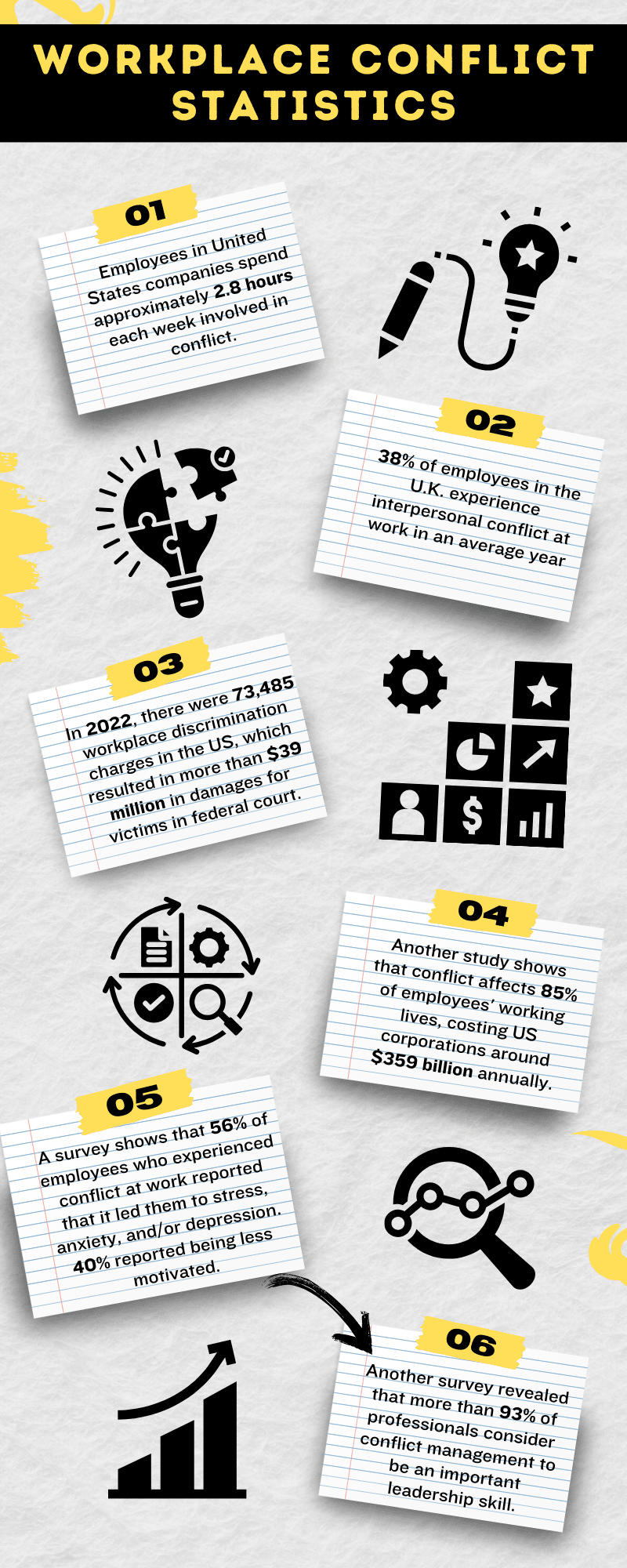
Another study shows that conflict affects 85% of employees’ working lives, costing US corporations around $359 billion annually.

HOW To Deal With A Conflict

So, how do you learn to face conflict head-on and come out stronger on the other side? It’s not about becoming an aggressive negotiator or a timid wallflower. The secret to successfully dealing with conflict is finding the perfect balance – a way to assert yourself without steamrolling others. 

This post is your guide to finding that sweet spot. Let’s ditch those imaginary superhero suits and learn how to deal with a conflict in a way that makes you proud of the leader in the mirror.

The Ostrich vs. The Bulldozer

The Ostrich Approach: When Problems Magically Disappear (They Don’t)

Picture this: You’ve got a simmering conflict with a colleague. Your natural instinct is to do the corporate equivalent of sticking your head in the sand. Emails go unread, eye contact becomes an Olympic sport, and you secretly hope the whole issue will just…go away.

Unfortunately, conflicts don’t play by those rules. They’re more like toddlers throwing tantrums – the more you ignore them, the louder they get. Unresolved issues fester, stress levels skyrocket, and suddenly, that minor disagreement has become a full-blown crisis. It’s the reason projects get mysteriously delayed, teams become dysfunctional, and the office atmosphere feels about as pleasant as a root canal.

A study shows that 56% of employees who experienced conflict at work reported that it led them to stress, anxiety, and/or depression. 40% reported being less motivated.

The Bulldozer Method: Winning the Battle, Losing the War

HOW TO DEAL WITH A CONFLICT
Click on the image to see a full infographic (opens in new tab)

On the opposite end of the spectrum, we have the Bulldozer. This executive sees conflict as a personal challenge and responds with overwhelming force. Opinions are flattened, feelings are collateral damage, and the boardroom becomes less a place of collaboration and more a battlefield.

Sure, the bulldozer might get things done in the short term, but the aftermath is messy. Relationships are damaged, reputations are tarnished, and everyone starts tiptoeing around for fear of triggering the next outburst. This is the kind of environment where innovation dies, and employees start quietly updating their resumes.

An average of 485,800 employees resign each year due to conflict, and the cost of recruiting replacement employees amounts to £2.6 billion yearly.

So, what’s the alternative?

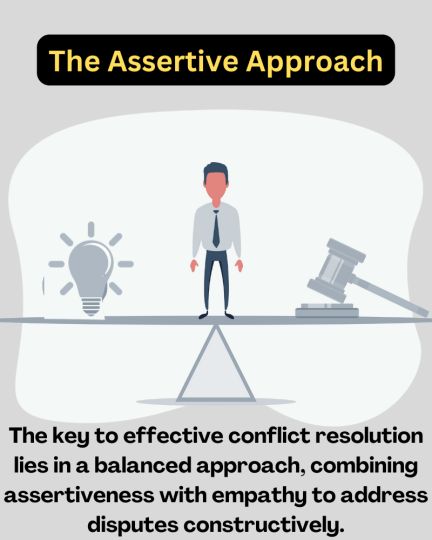
The truth is, successfully navigating conflict isn’t about burying your head or bulldozing your way through. It’s about finding that sweet spot between ostrich and bulldozer, a place where you can address issues head-on without sacrificing respect or relationships. Think of it as the “assertive ninja” approach – strategic, respectful, and focused on positive outcomes.

A survey revealed that more than 93%of professionals see conflict management as an important leadership skill. 

Key Takeaway: Avoiding a problem doesn’t make it go away, and aggression only creates new ones. But learning how to deal with a conflict effectively? That’s a leadership superpower.

Your Conflict Resolution Toolkit 

Talk Less, Understand More: The Superpower of Active Listening

HOW TO DEAL WITH A CONFLICT
Click on the image to see a full infographic (opens in new tab)

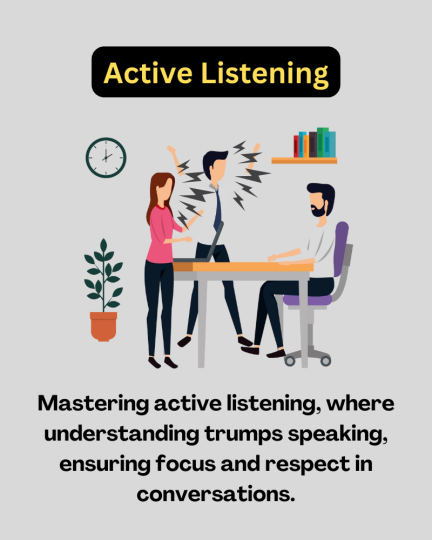
Forget flashy gadgets; your most potent conflict-buster is already inside your head: active listening. Think of yourself as Sherlock Holmes – every word, every pause, every frustrated sigh is a clue leading to the heart of the issue. Active listening means focusing less on crafting your clever comeback and more on truly understanding the other person.

How to turn into a listening ninja:

  • Paraphrase Power: Prove you’re paying attention by summarizing what you’ve heard. (“So, you feel like the project deadline is unrealistic…”)
  • Ask the Right Questions: Open-ended questions dig deeper than a simple “yes/no.” (“What would make this project timeline more manageable?”)
  • Eye Contact = Respect: Don’t let your gaze wander. This shows you’re engaged and value the other person’s thoughts.

The Mind Meld: Walking a Mile in Someone Else’s Shoes

HOW TO DEAL WITH A CONFLICT
Click on the image to see a full infographic (opens in new tab)

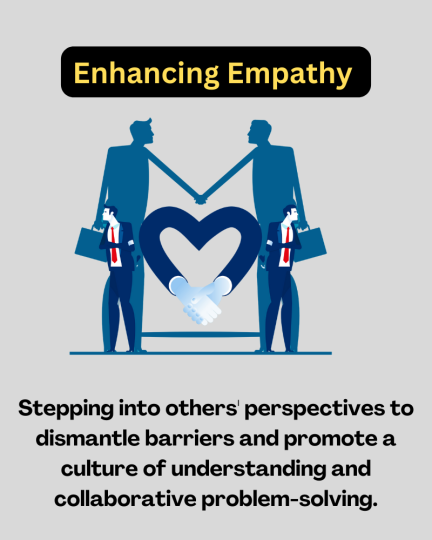
Sometimes, the best way to resolve a conflict is to temporarily ditch your own shoes. Empathy, the ability to feel with someone, helps you see things from their perspective. It might not change your opinion, but it does dissolve that stubborn “us vs. them” mentality that gets in the way of solutions. Think of yourself as a less pointy-eared Vulcan.

A post from Michigan State University emphasizes that by prioritizing empathy, active listening, and collaborative problem-solving, individuals can cultivate a culture of understanding and constructive conflict resolution.

How to boost your empathy skills:

  • Role Reversal Rumble: Argue the opposite side of what you believe. It forces you to consider different angles.
  • Empathy Map It Out: Draw a simple chart with quadrants labeled “Says,” “Does,” “Thinks,” and “Feels.” Fill it in as if you were the other person.

The Chess Game: Negotiate Your Way to Success

HOW TO DEAL WITH A CONFLICT
Click on the image to see a full infographic (opens in new tab)

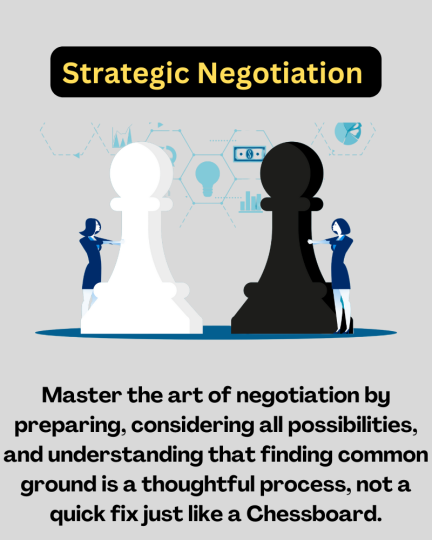
Not every conflict is solved with a warm hug and a “let’s all agree” moment. Sometimes it takes careful negotiation to reach a win-win. Think less “checkmate!” and more “how does this benefit everyone?”.

Tips for mastering conflict chess:

  • Preparation is Key: Don’t just wing it. Know what you want and what you’re realistically willing to compromise on.
  • “What If…?” Wins: Brainstorm potential solutions before the meeting, even unlikely ones. It sparks creativity.
  • It’s a Process, Not a Race: Sometimes, you need several sessions to reach that sweet spot of agreement.

Key Takeaway: Dealing with a conflict isn’t always about being right. It’s about doing right by yourself, your team, and the company.

Leveling Up Your Conflict Toolkit (When Things Get Tricky)

Mindfulness: The Not-So-Secret Weapon

HOW TO DEAL WITH A CONFLICT
Click on the image to see a full infographic (opens in a new tab)

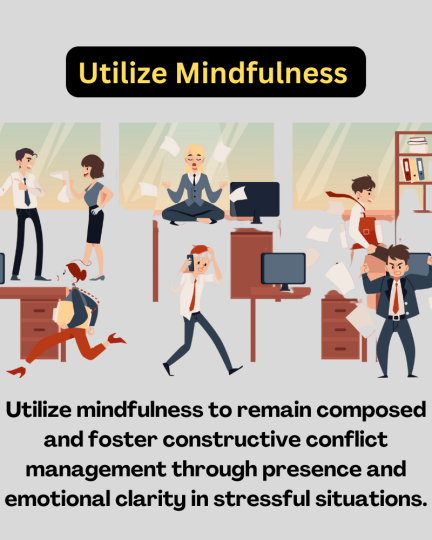
Imagine your typical conflict: raised voices, tense shoulders, and a general sense that everyone’s blood pressure is spiking. Now, picture yourself in the middle of it…but feeling remarkably calm. That’s the power of mindfulness.

According to a study, mindfulness can be an effective tool for promoting constructive conflict management in organizations by increasing collaboration and reducing conflict avoidance. 

Mindfulness isn’t about chanting mantras or levitating above your desk (though that’d be a cool boss move). It’s about being present in the moment, even when that moment is stressful. Think of it as creating a tiny gap between “thing happens” and “you blow your top.”

How mindfulness beats conflict:

  • Breathe In, Stress Out: Simple, focused breathing before a tough meeting keeps you centered.
  • The Mindful Stroll: Stuck? A quick walk around the block can clear your head like a power nap.
  • Anger Translator: Mindfulness helps you see your emotions, not be ruled by them.

The Digital Peacemaker: When Tech Lends a Hand

HOW TO DEAL WITH A CONFLICT
Click on the image to see a full infographic (opens in new tab)

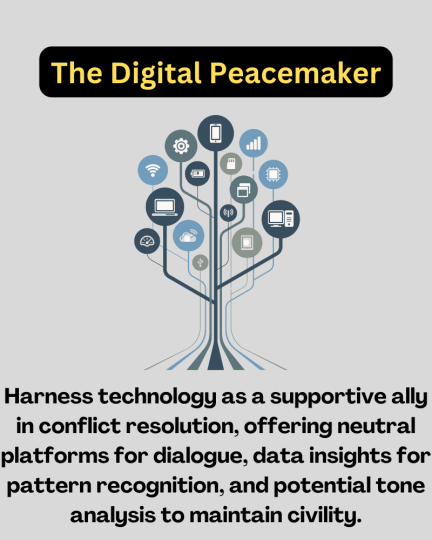
From AI-powered chatbots to fancy conflict resolution platforms, tech is stepping into the ring. These tools can be surprisingly helpful:

  • The Neutral Zone: Online platforms give everyone a safe space to air their grievances.
  • Data-Driven Diplomacy: Some tools track past conflicts, helping to spot patterns and prevent future ones
  • Emotion Detector 5000: OK, not yet, but some tech can analyze tone, reminding everyone to keep things civil.

Important Note: Tech is a sidekick, not a replacement for good human judgment!

The Global Diplomat: Building Bridges, Not Walls

HOW TO DEAL WITH A CONFLICT
Click on the image to see a full infographic (opens in new tab)

Today’s executives need to be a part business leaders part cultural anthropologists. Why? Because misunderstandings happen when different cultures collide, and that can create major conflict. The solution? Respect, curiosity, and a willingness to see things from a different angle.

According to oxford research, business anthropology helps leaders in a way of using ideas and ways of studying human societies to help understand and improve different parts of businesses, like how they organize, advertise, and design things, all while considering different cultures. It’s really useful because it helps businesses be more ethical (doing the right thing) and creative in how they work and solve problems.

Tips for navigating cultural complexities:

  • Do Your Homework: Learn about the cultural norms of the people you work with.
  • Communication is Key: Be clear and concise and double-check for understanding.

  • Seek the Common Ground: Focus on shared goals, even if the methods to reach them differ.

Key Takeaway: How to deal with a conflict at the office isn’t a one-size-fits-all answer. By mastering these extra skills, you’ll be ready for whatever twists and turns come your way.

Final Thoughts 

Let’s be honest; no one really enjoys conflict. But think of this whole guide as your transformation from someone who’d rather hide under a desk than face a disagreement to the kind of leader who tackles tension with confidence. 

It’s your key to becoming the person everyone else hopes is in the room when things get messy.

So, what’s the takeaway? Handling conflict well isn’t just about ending the argument; it’s about leveling up as a leader. It’s about becoming a better listener, a calmer negotiator, and a more empathetic problem-solver.

Here’s your action plan:

  • The Listening Challenge: Next time there’s a disagreement, truly listen. Summarize the other person’s points, ask questions…make it about them, not your counterargument.
  • Breathe Before You Burst: Feeling your temperature rising? A few deep breaths before a tough meeting can mean the difference between diplomacy and disaster.
  • See Conflict as Growth: This is hard, but try to view each tense situation as a chance to become a better version of yourself.

This stuff takes practice, and there will still be moments when you wish for that superhero cape. But remember, real power isn’t about steamrolling others. True power lies in handling the toughest situations with grace and respect.

Think of it this way: the next time a conflict emerges, you’re not facing a battle…you’re facing a boss-level challenge in the game of leadership. And with the tools we’ve covered, you’re well-equipped to beat it.

The Bottom Line

How to deal with conflict effectively is a skill that will benefit you far beyond the boardroom. It creates stronger teams and smoother processes, and most importantly, makes you the leader everyone admires (and maybe slightly fears in that good, respectful way). So go forth and conquer those conflicts!

Let’s see what you’ve got! Spend a few moments on this quiz to test your grasp of the material.

0

Deal With Conflict

Assess Your Approach to Handling Conflict

1 / 10

What is the Ostrich Approach to conflict?

2 / 10

What is the main drawback of the Bulldozer Method?

3 / 10

What is a key benefit of active listening in conflict resolution?

4 / 10

How can empathy help in resolving conflicts?

5 / 10

What should you do before a major decision to handle conflict effectively?

6 / 10

How can mindfulness help in conflict situations?

7 / 10

What is the benefit of using technology in conflict resolution?

8 / 10

How can cultural understanding help in conflict management?

9 / 10

What is a key strategy for navigating cultural complexities in conflicts?

10 / 10

What is the ultimate goal in conflict resolution according to the post?

Your score is

The average score is 0%

0%

How to Be Present in the Moment? 5 Minute Fixes With 5 Easy Strategies

Have you ever found yourself mindlessly waiting for your morning coffee, tapping away at your phone, only to realize you’ve scrolled through your entire day’s schedule without actually processing any of it? 

Welcome to the autopilot club, where we experience the waves but are not living in the present moment.

It’s a common problem, especially in the life of executives—our lives are overscheduled, and we’re constantly bombarded with distractions. Finding a few moments of peace and presence can feel impossible. 

But what if you could learn how to be present in the moment, even amid chaos? 

It could make you calmer, more productive, and better able to enjoy your life. And the good news is it doesn’t take a ton of time – just five minutes is a great place to start. That’s less time than it takes to get your morning coffee ready!

Let’s explore further into the essence of being present, offering practical, manageable strategies to weave mindfulness into the fabric of our daily routines, no matter how packed our schedules might seem. 

“Being Present” What Does it Actually Mean?

Being present, or mindful, involves a conscious focus on the here and now—acknowledging and accepting one’s feelings, thoughts, and bodily sensations in a non-judgmental way. It’s about letting go of the past, not worrying about the future, and simply being in the moment. This practice has roots in various meditation traditions, but its applicability goes far beyond.

The science behind mindfulness is robust, with studies highlighting its benefits for brain health, stress reduction, and overall happiness. Neuroscientists have found that regular mindfulness practices can alter the structure and function of the brain in ways that promote greater attention, clarity, and emotional regulation

However, without mindfulness, individuals may find themselves on a different path, leading to increased stress and, ultimately, burnout. This connection is not only intuitive but is also supported by a growing body of research. Let’s review some studies showing that burnout is real, and you’re not alone. 

Scientific Studies Showing Increasing Rate of Burnout

According to Harvard studies, about 47 % of people zone out of their present moment.  The scientist found it very distressing because a wandering mind is not a happy mind; it affects your mental and physical health and eventually leads to burnout. 

A recent study by Slack revealed a concerning rise in global burnout, with the United States experiencing the most significant impact. Middle managers reported the highest burnout rate among American workers, exceeding all other surveyed groups at a staggering  43%.

Another study revealed that a significant portion (74%) of leaders reported experiencing burnout. Furthermore, 93% of these executives believe burnout is negatively impacting their organizations. 

The statistics underscore a widespread issue affecting individuals at all levels within organizations, highlighting an urgent need for effective solutions. Rather than dwelling on these concerning figures, let’s pivot towards our 5-minute fixes.

As we face these challenges, it becomes imperative to seek innovative strategies that can mitigate the effects of burnout and promote well-being. Technology, often blamed for increasing our stress and detachment, surprisingly holds the key to unlocking greater mindfulness and presence. Let’s see how. 

First Strategy –  Technology as a Path to Presence

How to Be Present in the Moment
Click on the image to see a full infographic (opens in new tab)

It seems counterintuitive, but our tech-obsessed world can actually offer a gateway to mindfulness and being present at the moment. Mindfulness apps transform our devices from sources of distraction into tools for personal peace.

Harnessing Mindfulness Apps

A wealth of mindfulness and meditation apps can help you find calm and focus:

  • Headspace: Beginner-friendly guided meditations in a variety of focus areas make it easy to learn how to be present in the moment.
  • Calm: Soothing visuals and soundscapes provide a multisensory experience for mindfulness. Consider their sleep stories and masterclasses for extra support.
  • Insight Timer: This app offers a vast free meditation library, including quick five-minute sessions on topics like stress relief, perfect for squeezing some mindfulness into a busy day.

How to Leverage Technology for Mindfulness?

The key is integrating short meditations into your routine. A five-minute session between meetings can shift your entire mindset. It’s your on-demand tool for bringing yourself back to the present whenever you need it.

The Impact

Integrating mindfulness can sharpen your focus, ease stress, and boost your overall mental well-being, offering a path to a calmer and clearer mind.

Second Strategy – Creating Your Personalized Presence Practice

How to Be Present in the Moment
Click on the image to see a full infographic (opens in new tab)

Mindfulness isn’t one-size-fits-all. The best way to learn how to be present in the moment is to find techniques that work for you. Consider this section a guide to building your own custom “mindfulness mixtape” filled with quick, impactful practices.

Tailoring Your Breathing Exercise

Breathing is the ultimate tool for bringing yourself back to the present moment.

Here’s how to make this simple practice your own:

  • Find Your Natural Rhythm: Don’t try to change your breath; just notice the rise and fall of your chest. This awareness is the first step toward being present.
  • Gently Deepen: Slowly begin to lengthen your inhales and exhales. Find a count that’s comfortable, whether that’s a 4-count, 6-count, or something else entirely.
  • Make It Personal: Focus on the sensation of the breath, visualize calming scenery, or repeat a mantra like “peace” or “calm.”

These exercises are perfect for a mid-day reset when you need to find your center and release tension quickly. 

The Power of Gratitude

Gratitude shifts our focus to the positive. Here’s how to harness it to be present in the moment:

  • Three Things: Each day, take two minutes to identify three things you’re grateful for. Big or small, everything counts!
  • Go Deeper: Reflect on why those things matter. This strengthens the feeling of gratitude.
  • Seek Variety: Challenge yourself not to repeat items. It trains your brain to find the good even in ordinary moments.

Sensory Focus Exercise

Our senses ground us in the present. Here’s how to use them for a mindfulness boost:

  • Choose Your Sense: Pick one sense (sight, sound, etc.) to focus on for a full minute.
  • Observe Without Judgment: Notice details of the sounds you hear or the textures you feel. Don’t label them; just experience them, bringing your mind into the “now.”
  • Rotate: Change your focus each time. This keeps the exercise fresh and helps you notice different aspects of your environment.

How to Put it Together

These are just a few ideas. Experiment until you find a few practices that help you find presence and calm. You might use one technique daily or rotate between them depending on your needs. It’s about discovering what helps you connect to the present moment in the way that’s best for you.

The Impact

By making these practices a habit, you’ll improve your mental well-being and focus while also training your mind to find joy in the simple moments that make up your day.

Third Strategy – The Decision-Makers Detox – Finding Focus & Clarity

How to Be Present in the Moment
Click on the image to see a full infographic (opens in new tab)

Decision-making is an executive’s lifeline, but it’s also a major source of stress. 

According to a famous CEO and founder, Bryan Adams, societal expectations often place work challenges above personal well-being for CEOs, leaving many feeling overwhelmed. 

Leaders are increasingly expected to cultivate empathy, compassion, and kindness to be effective. However, achieving this balance between emotional intelligence and maintaining performance standards can be challenging for many.

To combat decision fatigue and ensure clear, focused choices, mindful pauses are crucial. Here’s how to use five-minute mindfulness practices to make better decisions.

Embracing Mindfulness Before Decisions

Before tackling a major choice, take a strategic pause. Consider:

  • Five-Minute Pre-Decision Meditation: Choose a technique that works for you – breathwork, a body scan, or simply observing your thoughts without judgment. This brings you to the present.
  • Setting Intentions: What principles are most important to this decision? What’s the desired outcome? Focus cuts through mental clutter.
  • Visualize the Outcomes: Not to predict the future, but to get grounded in the potential consequences of your choices.

Practical Tips for Integrating 5-Minute Fixes in Your Daily Routine 

  • Schedule It: Block out time for mindfulness, just like any meeting. Even five minutes marked on your calendar helps build the habit.
  • Reminder Notes: Prompts like “Pause, Breathe, Decide” on your desk or phone keep mindfulness top-of-mind.
  • Mindfulness Bell: Apps with occasional chimes remind you to refocus, especially when you anticipate a big decision.

The Impact

Mindful decision-making isn’t just about you. It creates a culture of thoughtful choices, prioritizing clarity over-reactivity.

By taking five minutes to practice how to be present in the moment, you’re not just making a decision; you’re cultivating a leadership style built on mindful success.

Fourth Strategy – Quick Strategies for Staying Present

How to Be Present in the Moment
Click on the image to see a full infographic (opens in new tab)

We’ve learned how to use tech, personalization, and decision-making pauses to be present in the moment. Now, let’s explore three simple techniques to help you stay grounded throughout your busy day.

Box Breathing: Calm Before the Inbox Storm

Box breathing balances your nervous system for better focus. Here’s how to do it:

  • The Technique: Inhale (count of 4), hold (count of 4), exhale (count of 4), hold (count of 4). Repeat.
  • When to Use It: Do a few rounds before checking your email. This centers you for whatever awaits.
  • The Effect: Box breathing reduces stress and helps you respond to your inbox with clarity, not reactivity.

Nature at Your Desk: A 2-Minute Window Recharge

Can’t escape to the woods? Bring the outdoors to you:

  • The Practice: Look out your window for two minutes. Focus on trees, the sky, and anything natural you can see. No window? A nature photo or screensaver works, too!
  • Mindful Observation: Notice colors, textures, and how things move. This brief dose of nature helps you find calm and focus.
  • The Benefits: Studies show even small glimpses of nature reduce stress and boost your mood, making you more productive!

Rituals for Resetting: Create Mindful Touchpoints

Simple rituals act as personal “pause” buttons throughout your day. Here’s how:

  • Crafting Your Ritual: Pick something simple – brewing tea, a quick stretch, or lighting a non-scented candle (be mindful of office safety!). Consistency is key.
  • Integration: Do your ritual at specific times – like before starting a new task. This marks a mental shift.
  • The Outcome: Rituals give you anchors of presence. They break up your day in healthy ways and improve focus.

How to Put It Together?

To integrate these strategies into your daily routine, consider their purpose and effect on your well-being.

  • Scheduling: Allocate specific times in your calendar for these practices, treating them with the same importance as meetings or deadlines.
  • Adaptability: Be open to adapting these strategies to fit your personal needs and the demands of your day. Flexibility is key to maintaining consistency in your mindfulness practice.
  • Reflection: Regularly reflect on the effectiveness of each strategy in helping you stay present. Adjust as necessary to find the right mix that keeps you centered, focused, and fully engaged at the moment.

The Impact

Reduced stress, better mood, and improved productivity. Rituals and nature engagement offer quick, effective ways to refocus and stay grounded.

Fifth Strategy – Energizing Your Day with Micro-Movements

How to Be Present in the Moment
Click on the image to see a full infographic (opens in new tab)

In a world where being constantly mentally engaged is the norm, micro-movements offer a refreshing path to mindfulness and presence. This approach involves integrating brief, straightforward physical activities into your daily routine, designed to be executed anywhere, anytime, within minutes. 

The essence of micro-movements lies in their simplicity and the immediate connection they foster between mind and body, steering your focus away from distractions towards the physical sensations of the moment.

Activating Body Awareness Through Stretching

  • Simple Stretches: Initiate with soft stretches that target various body parts. Extend your arms, elongate your legs, or gently rotate your torso. Pay close attention to the sensation each stretch evokes, especially the easing of tension.

Synchronized Breath and Movement

  • Breathing Exercises: Combine deep, deliberate breaths with straightforward movements such as raising your arms or rolling your shoulders. Inhale while lifting, exhale on lowering. This harmony of breath with motion significantly bolsters concentration and presence.

Facial Engagement for Mindfulness

  • Express Yourself: Work your facial muscles by adopting different expressions—smile, scowl, lift your eyebrows. Feel the effects of these movements across your face, a unique method for snapping back to the present.

Hand and Finger Movements

  • Fine Motor Skills: Engage in minor actions like finger tapping, hand squeezing, or wrist rotating. These are especially beneficial for those who type or write frequently, grounding you effectively.

Posture for Presence

  • Adjust Your Stance: Make it a point to enhance your posture periodically. Straighten up, broaden your chest, and take a deep inhalation. Proper posture instantly heightens alertness and connection with your environment.

Integration into Daily Life

  • Desk Breaks: Integrate these micro-movements into your breaks when working at a desk. They can serve as a physical and mental reset.
  • Morning Routine: Incorporate a series of micro-movements into your morning routine to awaken your body and mind.
  • Stress Relief: Use these movements as a quick stress-relief tool, especially in high-tension moments.

Making It a Habit

Set regular intervals throughout your day for micro-movement breaks. These can be brief pauses between tasks, serving as both a physical exercise and a mindfulness practice. Over time, you’ll notice an enhanced ability to stay present, grounded, and physically energized.

These strategies take mere minutes yet powerfully increase mindfulness. Think of them as tools to combat stress, make better decisions, and simply enjoy the present moment more, even in the most hectic workday.

The Benefits

This strategy not only helps reduce physical tension and improve circulation but also significantly boosts mental clarity by breaking the cycle of continuous thought and bringing attention to the present. It’s an excellent way to invigorate your body and refresh your mind, making it easier to focus on the here and now.

Final Thoughts: Mindfulness for the Busy Professional

We’ve seen that learning how to be present in the moment doesn’t require hours of meditation. Small, strategic practices can transform even the most hectic workday.

Mindfulness is about being fully here, now, without judgment. Busy professionals need this! It brings calm and clarity and helps you bounce back from stress faster. 

The strategies we discussed – using tech wisely, personalizing your practice, and those pre-decision pauses – make mindfulness accessible even when life feels like a whirlwind.

The Ripple Effect

These five-minute fixes aren’t just about you. Mindful leaders create mindful workplaces that are more focused, empathetic, and resilient. Think of how pausing to breathe together before a major meeting changes the entire energy of the room!

Mindfulness is a journey. It takes consistent practice to train your brain to truly be present in the moment. Those five-minute fixes are your training wheels. And don’t be afraid of a little humor along the way! 

When your coworkers see you taking a deep whiff of your coffee before a meeting, it might raise a smile. Explain what you’re doing – they might want to join in.

Your Next Steps

Every moment is a chance to practice how to be present in the moment – even while checking emails or just walking down the hall. Mindfulness can be playful!

It’s about finding what works for you. Keep trying different things until you have a set of quick mindful practices that help you refocus and de-stress.

Embracing mindfulness isn’t just about surviving your busy schedule; it’s about thriving in it. You can use mindfulness to navigate work’s challenges with clarity, calm, and even a bit of humor.

Time to test your knowledge! Take a few minutes to tackle this quiz and discover how well you’ve mastered the concepts from this article.

0

Being Present

Test your Knowledge of How to Be Present in the Moment.

1 / 10

What does being present mean?

2 / 10

How can mindfulness apps help you?

3 / 10

What is the first step in personalizing your breathing exercise?

4 / 10

What is a simple gratitude practice mentioned in the post?

5 / 10

Which sensory focus exercise is recommended?

6 / 10

What should you do before making a big decision?

7 / 10

How can box breathing help you?

8 / 10

What is a quick way to engage with nature?

9 / 10

How can simple daily rituals help you stay present?

10 / 10

What is the benefit of micro-movements?

Your score is

The average score is 0%

0%

Psychology of color: Decoding the impact and influence of color

Color is incredibly influential in our lives, shaping our perceptions, moods, and even decision-making processes. This remarkable psychological power of color often goes unnoticed because it operates subconsciously, subtly, yet significantly impacting our everyday lives. This article will delve into the fascinating world of the psychology of color, exploring how colors can affect our decisions and how we can use this knowledge to our advantage in various aspects of life. And perhaps most importantly, teach you how to use the power of color to your advantage.

Understanding the psychology of color

Color psychology is a field of study that examines how color influences human behavior and decision-making. It explores how different colors can evoke emotional and psychological responses in individuals. It is an interdisciplinary field, drawing on principles from psychology, neuroscience, design, and even business. 

Colors can influence human perception, behavior, and emotions, making them a significant factor in various aspects of the business world. Understanding the psychology of color can be beneficial for executives in several ways. First, color choice in branding and marketing materials can impact how customers perceive a company or product. Different colors evoke different emotions and associations, and strategic use of color can help convey desired brand values, evoke positive emotions, and attract target audiences.

Color schemes in office spaces can impact mood, productivity, and overall well-being. For example, blue is often associated with calmness and focus, making it suitable for areas that require concentration. At the same time, yellow is linked to energy and creativity, making it ideal for spaces that encourage innovation. Additionally, the psychology of color can play a role in creating a conducive work environment for employees.

And finally, there is also a personal element that individuals can employ to promote themselves within the workplace; that is how they choose to dress and convey their own individual brand.

The science behind the psychology of color

The psychology of color explores how colors can impact human emotions, perceptions, and behaviors. It is a field that combines elements of psychology, neuroscience, and cultural studies to understand the psychological and physiological responses to different colors.

Color can influence emotions and moods through a combination of physiological and psychological mechanisms. Certain colors have been found to stimulate specific physiological responses, such as changes in heart rate, blood pressure, and brain activity. For example, warm colors like red and orange tend to increase arousal. They can evoke feelings of excitement or energy. At the same time, cool colors like blue and green have a calming effect. They can evoke feelings of relaxation or tranquility.

Additionally, colors can evoke psychological associations and cultural meanings, contributing to their impact. Personal experiences, cultural upbringing, and societal norms influence these associations. For example, red is often associated with passion, power, or danger in many Western cultures. At the same time, it may symbolize luck or celebration in some Eastern cultures.

It is important to note that while the psychology of color provides valuable insights, individual preferences and cultural contexts should be considered when applying these findings. The impact of color is subjective and can vary among individuals, so it is crucial to consider individual differences and cultural diversity when using color in different contexts.

Using color to your advantage

Once you understand the basics behind the psychological impact of color, you realize how it can provide a strategic advantage in various aspects of life, from personal style to professional endeavors. Here’s how:

In Personal Style: The colors you wear can convey particular impressions and influence how others perceive you. For example, wearing a red dress or a tie can make you appear confident and powerful. Similarly, a “power suit” in navy blue or charcoal grey can exude professionalism and authority.

In-Home Decor: Choosing the right colors for your home can create the desired mood and atmosphere. Warm tones like reds, yellows, and oranges can create a cozy, inviting feel, while cool tones like blues and greens can create a calm, relaxed ambiance.

In Business and Branding: Companies strategically use color to evoke specific emotions that align with their brand message. Understanding color psychology can help entrepreneurs choose the right colors for their logo, website, and other branding materials.

The impact of color

Personal style, industry norms, and individual preferences should also be considered when determining the appropriate use of color in creating a better work appearance. In general, color psychology has been found to have an effect in the following circumstances:

  • Impact on Perception: Studies suggest that color can influence how others perceive individuals in the workplace. For example, a study published in the Journal of Fashion Marketing and Management found that individuals wearing warm colors such as red and yellow were perceived as more competent, dominant, and confident compared to those wearing cool colors like blue or green.
  • Symbolism and Associations: Different colors have symbolic meanings and associations that can impact perceptions. For instance, a study published in the journal Color Research & Application showed that individuals wearing black were perceived as more authoritative and powerful. In contrast, those wearing blue were seen as more trustworthy and dependable.
  • Color and Emotions: Colors can elicit emotional responses, which in turn can influence how others perceive an individual. Research has shown that warm colors like red and orange can evoke feelings of energy, excitement, and enthusiasm, which can create a positive impression. On the other hand, cool colors like blue and green are associated with calmness, reliability, and stability, conveying a sense of professionalism.
  • Cultural Considerations: The impact of color can also be influenced by cultural factors. Colors can have different meanings and associations across various cultures, so it is important to consider cultural norms and sensitivities when choosing work attire colors in diverse environments.

Psychology of color and your work wardrobe

As mentioned, the psychology of color also extends to work attire. The colors we choose to wear can influence how others perceive us and can even affect our confidence and workplace performance.

Different colors evoke specific emotions and associations, which can play a role in professional settings. For example, black is often associated with power, professionalism, and authority, making it a popular choice for business suits and formal attire. It can create a sense of seriousness and formality, which can be advantageous in certain professional contexts.

On the other hand, colors like blue and gray are often associated with reliability, trustworthiness, and competence. These colors can create a sense of calmness and stability, which can be beneficial for roles that require building trust with clients or colleagues.

Colors such as red and orange can evoke feelings of energy, excitement, and assertiveness. These colors can be attention-grabbing and convey a sense of confidence and boldness. However, using these colors in moderation is important, as they can be perceived as too intense or aggressive in certain work environments.

Ultimately, the psychology of color in work attire highlights the importance of selecting colors that align with the desired professional image, industry norms, and personal style. Understanding the impact of color can help executives and employees make intentional choices that convey professionalism, confidence, and suitability for their roles. However, it’s essential to recognize that while color can influence, it is not the sole determinant of one’s capabilities or professional success.

Steve Jobs: The ubiquitous black turtleneck

To see how this plays out, let’s take a look at Steve Jobs, the co-founder of Apple Inc. and a renowned technology visionary. Throughout his career, Jobs became known for his signature attire of a black turtleneck, blue jeans, and sneakers. This iconic outfit reflected his deliberate understanding of the psychology of color and its impact on personal branding and perception.

Jobs believed that his attire played a crucial role in how colleagues and the public perceived him. He consistently wore his black turtleneck and projected an image of simplicity, focus, and innovation. The black color symbolized power, elegance, and sophistication, creating a sense of authority and professionalism.

Moreover, Jobs intentionally chose to wear jeans and sneakers instead of traditional business attire. This choice conveyed a sense of informality and approachability, aligning with his vision of technology as a tool for the masses rather than an exclusive domain of the elite. The blue color of his jeans represented trust, reliability, and intelligence, contributing to his overall image as a relatable and intelligent leader.

Through his distinct and carefully curated wardrobe, Jobs used the psychology of color to shape his personal brand and influence how others perceived him. His attire became synonymous with his visionary leadership and innovation in the technology industry. It exemplified his commitment to simplicity, elegance, and the disruption of conventional norms.

This anecdote illustrates how color can be a powerful tool in shaping personal perception and branding. Steve Jobs’ intentional use of color in his attire showcases the impact it can have in creating a consistent and memorable image. It serves as a reminder of the significance of understanding the psychology of color and leveraging it strategically to make a lasting impression in the business world.

Harnessing the power of color in your professional life

Here are some practical ways to harness the power of color in everyday life:

Enhance Productivity: Use cool colors like blue and green in your workspace to promote calm, focus, and productivity. Alternatively, if you’re in a creative field, splashes of brighter colors like red or yellow can stimulate energy and creativity.

Improve Mood: If you’re feeling stressed or anxious, spending time in a blue or green room can help foster tranquility. On the other hand, if you’re feeling lethargic or down, spending time in a room with warm colors can help uplift your mood.

Influence Perceptions: If you want to command authority and respect in a professional setting, consider wearing a “power suit” in darker hues. For a job interview, a blue outfit can convey trustworthiness and reliability. In contrast, a red outfit can grab attention and project confidence for a presentation.

Promote Health and Well-being: Color can also play a role in health and well-being. Green spaces can foster relaxation and reduce stress. At the same time, certain colors like blue and pink can suppress appetite, aiding in weight loss efforts.

Conclusion: Psychology of Color

The psychology of color is a fascinating and complex field that can significantly impact our decisions, emotions, and behaviors. By understanding how color influences us and being mindful of its use in our everyday lives, we can harness its power to our advantage. Whether choosing the perfect outfit for a crucial meeting or selecting the right colors for a brand, understanding color psychology offers valuable insights. It gives us a strategic edge in various aspects of our lives.

Maximize Your Productivity and Well-Being with Mindful Eating at Work

Healthy eating at work can be challenging. It’s difficult to make good food choices when unhealthy options are so easily accessible. Many professionals struggle with low energy levels throughout the day, often resorting to quick, unhealthy fixes that only provide temporary relief and can lead to energy crashes. This cycle not only affects productivity but also overall well-being.

Instead of resorting to quick fixes, try focusing on mindful eating. With the power of mindfulness and eating combined, you can unlock the full potential of your meals.

You will have higher energy; and higher productivity, and you’ll even look better – because you will be healthier. 

You will learn to avoid cravings and stress eating and develop a healthy relationship with your food. This approach not only supports better physical health but also reduces stress, leading to a more balanced and satisfying work life.

How Mindful Eating Can Help Executives and Managers Reach Peak Performance?

Managers and executives, are you ready to take your productivity and energy levels to the next level? 

Say hello to mindful eating! By approaching how you eat in a more mindful way, you enable yourself to unlock your true potential as well as the wholesome benefits of the food you eat. Mindful eating helps you develop a positive relationship with food and your body. 

Research has shown that mindful eating can lead to greater psychological well-being, increased pleasure, and increased body satisfaction. Not to mention a reduction in stress, improved self-esteem, and a greater sense of empowerment.

It will help you make the right food choices to fuel your body and mind for maximum productivity and energy. Imagine feeling energized and focused all day long. Able to tackle any task easily and achieve success in your business and personal life.

Mindful eating is the smart way to elevate your game and be successful and happy.

Mindfulness vs. mindful eating

But what exactly do we mean by mindful eating? First, let’s take a quick look at what mindfulness is. 

Mindfulness is the practice of being present and fully engaged in the current moment. Free of any judgment or preconceived ideas. Similarly, mindful eating is the practice of paying attention to the food you’re consuming, particularly how it makes you feel. 

With mindful eating, you take the time to savor each bite. You respond to your body’s signals of hunger and fullness. And finally, it also means being mindful of the foods you choose. Understanding how they nourish your body and help keep you balanced.

It is complete awareness of what you eat, why you eat, and how it serves your body. By eating mindfully, you learn to avoid responding to cravings and stress eating and, in general, make healthier food choices. Food choices that will truly benefit your body in the long run versus an immediate emotional fix.

Understanding the Psychology of Eating

By understanding how our brains influence our food choices, we can make more conscious decisions about what we eat. We can work on replacing problem eating with healthier eating habits. But first, we must recognize any problem eating and coping mechanisms. 

The Hunger Games: Understanding the psychology behind our cravings.

We’ve all been there: it’s 3 PM, the afternoon slump hits, and suddenly, that chocolate bar in the office vending machine is calling your name.

But have you ever stopped to wonder why certain foods hold such a powerful pull over us? It all comes down to the psychology of eating. It is a complex and fascinating subject that can shed light on why we make our food choices.

When it comes to cravings, it’s essential to understand that they are not simply a matter of willpower. A complex interplay of hormones, emotions, and past experiences drives our cravings. 

Initially, the hormone ghrelin, also known as the “hunger hormone,” triggers feelings of hunger in the body. Then, certain emotions, such as stress or boredom, can lead to cravings for comfort foods. And finally, past experiences with certain foods can be the ultimate influence to fuel our cravings. 

For example, suppose you associate ice cream with happy memories from childhood. In that case, you may find yourself craving it during times of stress as an adult.

How do You Recognize Problem Eating?

For some people, eating can become a coping mechanism for dealing with emotions such as stress, anxiety, or sadness. Problem eating can manifest in various ways, such as overeating, undereating, or binging. 

If you rely on food to cope with emotions, it’s important to recognize this as a problem and seek help.

The Importance of Taking Time to Eat

In today’s fast-paced society, it’s easy to eat on the run or multitask while eating. But it’s important to remember that sitting down and enjoying your food can ultimately impact your overall well-being. 

By taking the time to eat, you’ll be more aware of the food and nutrition you’re consuming. And you’ll also be more likely to feel satisfied and full after a meal.

To help you integrate this practice into your routine, here are some best practices for mindful eating. 

Best practices for mindful eating

Focus on mindful eating best practices and be more aware of your food choices and how they make you feel. Some of these include:

  1. Eating without distractions: Avoid eating while doing other activities, such as watching TV or working on the computer. It will help you pay more attention to your food and how you’re feeling while eating.
  2. Chewing thoroughly: Take the time to chew your food, which will help you savor each bite and aid digestion.
  3. Paying attention to hunger and fullness: Listen to your body’s signals of hunger and fullness. Only eat when you’re truly hungry, and stop eating when you’re full.
  4. Eating slowly: Eating slowly can help you become more aware of your food and how it makes you feel. It will also help make you feel more satisfied with your meal.
  5. Be mindful of your choices: Be mindful of the foods you choose. Avoid eating mindlessly and try to make conscious choices about what you eat.
  6. Avoiding emotional eating: Identify the emotions that lead you to eat and find alternative ways to cope.
  7. Eating with gratitude: Take a moment before eating to express gratitude for the food and the people who made it possible.
  8. Take pleasure in eating: Eating should be a pleasure, not a chore. Enjoy the flavors, textures, and smells of the food you consume.

By incorporating these best practices into your daily routine, you can become more mindful of your food choices. Subsequently, you will also learn how to make healthier and more satisfying choices.

Bottom line

Who says eating has to be boring? Mindful eating is the ultimate way to elevate your food game and get the most out of every meal. Not only does it lead to greater psychological well-being, but it also makes eating more enjoyable and satisfying. 

With mindful eating, you’ll be able to make healthier choices, reduce your risk of chronic diseases, and promote a healthy body. It’s a win-win situation!

Mindfulness techniques and how to use them in the workplace

Feeling stressed in the office? Are you searching for a solution to help manage your work-related stress levels? Mindfulness techniques or Mindfulness-Based Interventions (MBIs) might be the answer. 

These stress reduction techniques improve psychological well-being, cognition, physiology, and brain health. And let’s be honest, these benefits can be a blessing in the workplace! 

What are Mindfulness-Based Interventions (MBIs)?

Mindfulness-based interventions (MBIs) are essentially mindfulness-based stress reduction techniques. You can use these practices to both prevent or combat stress. These MBIs can help you cope with the various challenges you face at work and in your personal life. 

Specifically, MBIs can help you manage depression, anxiety, and stress in the workplace while being more effective in your position. 

First and foremost, MBIs teach you to be aware, non-judgmental, and present in the moment. You will learn to be more aware of your thoughts and better equipped to make better decisions. Lastly, you’re taught to avoid multi-tasking, which can exacerbate stress levels. 

Gaining traction over recent decades, these techniques have been found to have promising effects. 

What are the common mindfulness techniques?

There are four common mindfulness techniques that can be helpful in the workplace. Remember, these mindfulness techniques were formed with personality traits in mind. Understandably then, the efficacy of the MBIs will be determined by your own personality traits and processing style. Make sure you choose accordingly.

Focused attention

With this mindfulness technique, you need to reduce distractions and maintain focus. With focused attention, you act with awareness. Awareness teaches you to tend to present activities rather than automatically respond. If you’re diligent, persistent, and able to use self-control, this technique will suit you.

Open monitoring

This technique engages the meta-awareness of upcoming and passing stimuli. Being open to experience is ideal for those with a sense of curiosity and attentiveness to their inner feelings while being fully in the present moment

Loving-kindness

When you foster loving and kindness towards yourself and others, everyone can benefit. It starts with cultivating kindness to oneself first, then progressing it outward towards loved ones, someone who you may dislike, and then beyond to all people. This MBI technique is one that people with friendliness and warmth tend to gravitate towards. 

Body scan

Body scan involves observing the physical sensation of your body from top to bottom and shifting the focus from one part to the next. It involves directing and turning attention and awareness around, which avoids unintentionally focusing on other objects. If you have high sensory processing sensitivity, this MBI is not for you. However, this technique can be quite helpful for those that can maintain and disengage to shift focus. 

How these mindfulness techniques can be used in the working environment

Mindfulness techniques can help you be more successful in your job and advance your career. Your team can benefit too. Workers that you manage will feel more productive and effective when you lead by way of this example. 

Tips on MBIs in the workplace

In order to manage stress, you need to think about your own personality traits and apply them to your mindfulness techniques. What works for a focused person may be less beneficial to someone who is more of a feeling person.

With this in mind, here are a few tips on how to include these techniques in your daily routine.

Focused attention: Pay attention

It can be hard to stop and smell the roses in a busy work environment. But challenge yourself to engage every sense in your workplace. The sounds, sights, smells, touches, and, if applicable, tastes. Let each of these things keep you firmly grounded right in the moment to battle stress and make your best decisions. 

Open monitoring: Live in the moment

If you relate to being more curious and open-minded, challenge yourself to live in each moment. Be intentional and bring an accepting yet discerning form of attention to everything you do. Whether it is interacting with fellow coworkers who fill your cup or taking pride in a project you oversee. And while you’re at it, find the joy in the simple pleasures of your day. 

Loving-kindness: Accept yourself as you are 

Start treating yourself the way you would treat someone you care deeply about. By giving yourself this kind of love and kindness, you open your mind to consider all facets of your work and career.

If you have loving-kindness in your heart, when you struggle with others in the workplace, it will be easier to work with them. Which is conducive to a professional and fair working environment.

Body scan: Focus on breathing

When those negative thoughts dare to thwart you from your work, sit down and take a deep breath with your eyes closed. Focus on that breath as you draw it in and release it. Being aware of every part of your body and letting the air you breathe flow in and out. It can help you manage yourself through the stress and be ready to tackle any situation. 

Why use MBIs in the workplace?

One key theme to all four of these mindfulness-based techniques is to focus on the present moment. 

Try thinking of mindfulness as a way of directing your attention. Since everyone thinks differently and has their own personality traits, being mindful can come in many forms. Tuning into it in a way you can relate to is the most important step.

You can use mindfulness techniques to be more clear-thinking and confident while on the job. Focus on the present rather than dwelling on past mistakes or worrying about the future. When you do this, you will be aware of the present moment and be able to respond better and get the job done. 

Why practice mindfulness at work? Simple, reduce your risk of heart and brain disease

Mindfulness is the practice of teaching your mind to be fully conscious. To be aware of your surroundings, yourself and your responses. But today we’re not asking what mindfulness is, but rather why practice mindfulness? And why you should start practicing it at work.

It’s simple really. Mindfulness doesn’t just make you more aware of yourself and your environment, but it also provides various other health benefits too.

Why is mindfulness important for executives? It helps them combat the negative effects of stress and anxiety on the body. Not only is stress taxing, but it also increases inflammation and can lead to chronic diseases of the brain and heart.

Countless people practice mindfulness to relieve stress and anxiety and enhance mental focus. Not to mention, mindfulness can help you cultivate positive habits and emotions, such as a positive frame of mind and perspective, self-consciousness, healthy sleep cycles, and sometimes even enhanced pain thresholds.

All these are incredibly valuable traits for anybody working in a busy modern-day office.

Why practice mindfulness at work

Most of us know firsthand that anxiety and worry can substantially impact the brain and body. Excess stress increases the body’s inflammatory responses and can lead to chronic cardiovascular and brain diseases.

Studies at firms such as Google, Aetna, and Intel have demonstrated that increasing mindfulness in the organization can reduce stress. And beyond that, it can also aid in boosting focus, attentiveness, decision-making skills, and overall health.

The science behind how mindfulness affects the body

Why practice mindfulness at work?

Practicing mindfulness at work can induce a relaxation response that activates the parasympathetic nervous system. It reduces heart and breathing rates, cardiac output, and muscle spasms. Which returns the body to a normal state following a stressful reaction.

Signs and symptoms of chronic stress are linked to an increased likelihood of grave disorders such as high blood pressure, heart abnormalities, trouble sleeping, fibromyalgia, gastrointestinal problems, mental illnesses, reduced reproductive capacity, and insulin resistance.

Studies show that mindfulness acts on different physiological markers related to anxiety and stress by reducing C-reactive polypeptides, interleukin six, and corticosterone.

The brain

Mindfulness meditation can induce neurocognitive changes in the activity and structure of the human brain.

Using Magnetic Resonance Imaging (MRI), researchers and experts have been investigating the physiological impacts of mindfulness and meditation.

They have discovered that the nervous system is capable of modifications throughout the adult years, even into old age. New connections can be formulated, and nerve cells develop whenever anyone discovers a new skill, challenges themselves intellectually, or simply workout.

This emerging view, that the brain is capable of being consistently molded through perspective, has overtaken the long-held belief that the brain’s biological path was essentially one of decline after the initial years of existence. This process has been dubbed neural plasticity.

On top of this, research on the brain indicates that mindfulness training may cause neuroplastic changes in the mind’s structure and operation

Studies using MRI revealed that mindfulness meditation stimulates a system of brain areas, including the insula (linked with kindness, compassion, and personality), the putamen (knowledge), and segments of the anterior cingulate cortex (which manages blood pressure, pulse rate, and other autonomic functions) and the cerebral cortex (the regulator of complex thinking skills such as executing, analyzing and managing social behavior).

The heart

Mindfulness can benefit physical health by lowering heart strain. Increased blood pressure provokes the heart to beat faster and pump more blood. This can lead to poor cardiovascular function as time passes.

Hypertension – or high blood pressure – caused by stress contributes significantly to coronary artery disease, or artery shrinking, which can result in a stroke or a cardiovascular event.

According to one study, different types of mindfulness meditation produced comparable blood pressure modifications. Mindfulness appears to reduce blood pressure in portions by soothing neural pathways that synchronize the cardiovascular system, vasculature tension, and the “fight-or-flight” response, which increases alertness during extreme events.

In a meta-analysis of 12 studies involving nearly 1000 participants, researchers observed mindfulness to reduce blood pressure. This method was more productive in elderly volunteer groups and individuals who were already patients with high blood pressure.

Other benefits of practicing mindfulness for executives

On top of the health benefits for your body, mindfulness also packs quite the punch when it comes to your mental health and well-being.

Mindfulness has been linked to improved cognition. Reducing the instances of forgetfulness, confusion, and mistakes. It may even contribute to enhanced team effectiveness and fewer errors because of this. Intensifying mindfulness in the office can result in increased commitment and involvement.

Not to mention, supporting the mental well-being of your employees can be an effective recruiting tool. Which would you prefer: a corporation that invests in its staff’s well-being or a firm that does not?

Intensifying mindfulness in the office can result in increased commitment and involvement. Which can reduce the costs associated with staff turnover.

Not to mention, supporting the mental well-being of your employees can be an effective recruiting tool. Which would you prefer: a corporation that invests in its staff’s well-being or a firm that does not?

Mindfulness case study

To see this in action, let’s look at a specific case study.

John, a leading software sector executive, had started working for a startup company. The pressure of the job led him to suffer from long-standing worries, irrational work habits, and intense health concerns.

Mindfulness helped change his perspective. It helped him focus on the exciting challenges and opportunities around him rather than the issues and obstacles impeding his achievements.

Through a combination of executive coaching sessions, meditation and yoga practices, his ability to reframe self-perceived issues as possibilities have grown.

Companies that implement mindfulness

Google

Google is, without a doubt, among the most innovative corporations on the planet. They are at the forefront of technological development. From their cutting-edge optimization technique to their sleek hardware implementation.

However, you may not be aware that Google is also at the forefront of an emerging psychological motion known as positive psychology.

Google has invested a lot of time, energy, and funds in positive psychology. They offer courses and training programs to employees to keep them focused and alert.

The results are unquestionable: more conscious employees are more efficient and innovative. It’s reassuring for both the individual and the corporation.

General Mills

General Mills suggests employees practice mindfulness exercises at work as a core component of the organization’s mission to foster a balanced work environment.

The company offers numerous programs to help employees develop mindfulness habits, including an on-site mindfulness room and quarterly lunchtime presentations.

Intel

Intel has adopted a mindfulness program which they hope will establish a more welcoming and productive workplace community. As an added bonus, it is expected to boost productivity, increase efficiency and lower medical costs.

Employees who were part of the mindfulness program reported increased creativity. Many employees even find that it assists them to be more prevalent and concentrated at work, while also being able to cope more effectively with work-related anxiety.

The bottom line

Mindfulness allows employees to reflect and be observant. This encourages mental acuity, adaptability, and self-awareness. Furthermore, mindfulness can help you learn how to cope with stressful situations, reducing the negative effects that stress can have on the body.

In short, if you came into this article asking, “why practice Mindfulness at work?” then we hope you’re coming out satisfied. Why not start practicing mindfulness at work today?

Now let’s test how well you understood this post:
1
Created on By concordsoft

Test Your Knowledge on "Why Practice Mindfulness?

Welcome to the quiz.

1 / 10

What is mindfulness?

2 / 10

How can practicing mindfulness impact relationships?

3 / 10

What is the main point of the blog post "Why Practice Mindfulness?"

4 / 10

How does mindfulness impact the default mode network?

5 / 10

What is the "default mode network"?

6 / 10

What is the difference between mindfulness and meditation?

7 / 10

How can mindfulness be incorporated into daily life?

8 / 10

How does mindfulness improve focus and productivity?

9 / 10

How can mindfulness benefit leadership skills?

10 / 10

What are the benefits of practicing mindfulness?

Your score is

The average score is 80%

0%

Mindfulness Meditation – How to Be a Better Leader by Building Emotional Intelligence?

Do you find yourself having trouble focusing on the present moment? Do you find that your mind centers on past events or ideas for the future? Or perhaps you focus on random ideas, tales, or narratives that are not relevant to the current situation. It’s common to find yourself struggling with a full mind. As busy executives, the key is in how you handle this scenario. Mindfulness meditation is a proven technique that can help you change your full state of mind into one of mindfulness.

The good news is you can change your state of mind into a mindful one by taking the time and space to breathe, disconnect from your worries, and simply focus on the present.

Today, many influential leaders meditate to reap its various benefits. When you are mindful, you are conscious of your surroundings and how you influence others. You can be present in each moment as an observer and a participant while also understanding how your choices will affect others.

One key takeaway from practicing mindfulness meditation is better emotional intelligence and regulation skills. You will also be less inclined to respond rashly in the face of upsetting or emotionally intense circumstances leading to more rational decision-making and composure.

What is mindfulness meditation?

The practice of mindfulness can help to gradually rewire your mind which will enable you to be more present-focused. Being focused on the present moment helps to prevent you from reacting inappropriately or feeling overburdened in stressful circumstances.

Mindfulness meditation, which combines mindfulness with meditation, is a practice that entails being totally present in the here and now, in order to accept, understand, and appreciate your inner thoughts, feelings, and sensations without condemnation. The combination teaches you how to quiet your body and mind down, release any negativity, and fight brain fog.

In contrast to many other forms of meditation, mindfulness meditation does not require you to sit down and make time to practice it. You can include it in your daily activities like jogging, eating, or cooking. For instance, if you eat your food mindfully, you are concentrating all your attention on the sensations you feel during it. Moreover, you focus on the thoughts that enter your mind, as they are, without judging, controlling, or connecting with them.

How mindfulness meditation affects the mind and leadership mindset

Work can be demanding in today’s fast-paced and chaotic corporate world. You may have various business, personal, or spiritual goals to meet; insufficient time to complete work; and difficult individuals to interact with. As a result, your performance, relationships, and well-being may suffer. Hence, leaders must take care of themselves and learn how to concentrate on the right things.

Including mindful meditation in your lifestyle will help you feel less stressed, make better decisions, be more creative, and be emotionally prepared to cope with change. Not to mention, it can also physically alter the structure of your brain, improving the four competencies of emotional intelligence and making your brain stronger.

It teaches you to be mindful of the current moment while acknowledging and controlling your feelings and emotions, especially amid highly stressful events. As a result, you become better at displaying effective leadership by cultivating compassion for others, being more accepting of them, and fostering harmonious work situations.

Powerful Examples of Leadership Transformation in Executives

The outcomes of mindfulness meditation can vary from person to person. Therefore, it’s crucial to understand that mindfulness meditation is not a one-size-fits-all solution, but rather a tool that can be used in different ways based on individual needs and circumstances.

Please have a look at these 5 examples:

1) Decision-Making Skills: A CEO of a startup company begins practicing mindfulness meditation daily. After several weeks, he notices a significant improvement in his decision-making skills. He attributes this to a clearer mind and an enhanced ability to focus, which allow him to analyze situations more effectively and make informed decisions quickly.

2) Emotional Intelligence: A team manager with a history of struggling with employee relationships incorporates mindfulness meditation into her routine. Over time, she notices an increase in her emotional intelligence, leading to better understanding and management of her team’s feelings and emotions. This results in improved team collaboration and morale.

3) Conflict Resolution: A department head in a large corporation starts to practice mindfulness meditation regularly. Over a period of several months, he finds he’s become more adept at conflict resolution. He attributes this to the improved ability to remain calm and composed, and to approach conflicts with a balanced and open mind.

4) Increased Empathy: A school principal, feeling overwhelmed with her responsibilities, begins mindfulness meditation. She experiences an increase in empathy over time, which improves her relationships with both students and staff. She becomes more effective in her role as she is able to understand and respond to the needs of her community better.

5) Resilience and Stress Management: A project manager, constantly facing high-pressure deadlines and stressed teams, starts practicing mindfulness meditation. She notices that not only has her own stress level decreased, but she also bounces back from setbacks more effectively. Her resilience inspires her team and creates a more positive work environment.

Mindfulness meditation at and outside of work

You may have procrastinated meditating due to a shortage of time or a lack of a peaceful atmosphere at work. However, you can easily achieve mindfulness meditation by following these simple steps.

5 minutes a morning

Does your mind start racing with thoughts regarding the worries of the upcoming day as soon as you wake up? Don’t rush yourself to begin the day; it will not help. Instead, take some time to yourself in bed and perform this technique to meditate mindfully:

Close your eyes, inhale deeply, and unwind. Feel your stomach growing and shrinking as well as your chest rising and falling. Be aware of the warmth leaving as the coolness enters with each breath. Follow the breath’s natural flow rather than try to regulate it. Shrug away everything that distracts you, but don’t be judgmental about it. Counting your breath can help you stay focused.

Switch yourself off

You might spend hours at work, but your productivity levels remain low throughout the day. Every time you sit down to work on an important task, your brain wanders off to think about the argument your employees just had. It’s impossible to give your best when you’re not focused.

When you experience that, switch yourself off for as short or long as possible.

Sit down and take a deep breath. Begin by focusing on your breathing pattern. Every time your mind gets distracted, bring it back to yourself. Enjoy this experience; don’t just do it for the sake of it. Consider this your “me time” during work. Don’t let anybody, not even yourself, snatch it away from you.

Practicing mindfulness at work will help you put your worries aside by calming down the fight-or-flight response and activating your brain’s executive function, which assists in rebalancing your nervous system and enables you to think through decisions rather than simply reacting to circumstances.

Think before you act

Another way to live in the moment is to break the patterns your brain is already wired to follow. For example, every time your phone rings, you quickly grab it to go through your newest notifications. That’s your brain’s immediate response to the situation.

At work or elsewhere, the next time your phone rings, stop yourself from unconsciously reaching out for it. Take a minute to bring your attention back to what you were doing before you heard the buzz. This will not only make you more mindful of your reactions, but it will also teach your brain to prioritize the task in the present without letting external distractions break your flow.

Practice acceptance

When facing a situation that has already happened, instead of acting aggressively, pause and try to accept it instead. Mindfulness meditation can help you recollect your thoughts before you lash out at an employee or feel frustrated with yourself. Rather, accepting the moment as it is can help you process your emotions better and analyze your mistakes well to avoid them in the future.

Final thoughts on mindfulness meditation in the workplace

Start adding one – or all – of these simple techniques into your daily work routine. With these simple mindfulness meditation practices, you’ll be well on your way to becoming a more mindful leader. You’ll be able to manage your own emotional responses and guide your employees in a more calm and measured manner too.

References:

  1. Brown, K. W., & Ryan, R. M. (2003). The benefits of being present: mindfulness and its role in psychological well-being. Journal of personality and social psychology, 84(4), 822.
  2. Roeser, R. W., Schonert-Reichl, K. A., Jha, A., Cullen, M., Wallace, L., Wilensky, R., … & Harrison, J. (2013). Mindfulness training and reductions in teacher stress and burnout: Results from two randomized, waitlist-control field trials. Journal of educational psychology, 105(3), 787.
  3. Reb, J., Narayanan, J., & Ho, Z. W. (2015). Mindfulness at work: Antecedents and consequences of employee awareness and absent-mindedness. Mindfulness, 6(1), 111-122.
  4. Khoury, B., Sharma, M., Rush, S. E., & Fournier, C. (2015). Mindfulness-based stress reduction for healthy individuals: A meta-analysis. Journal of psychosomatic research, 78(6), 519-528.
  5. Tang, Y. Y., Hölzel, B. K., & Posner, M. I. (2015). The neuroscience of mindfulness meditation.Nature Reviews Neuroscience, 16(4), 213-225.
  6. Kabat-Zinn, J. (2003). Mindfulness‐Based Interventions in Context: Past, Present, and Future. Clinical psychology: Science and practice, 10(2), 144-156.

Benefits of mindfulness: see the genuine science-backed results

Perhaps it’s time to pay your mind a little attention in the way of mindfulness. In recent years, mindfulness meditation has become a hot topic, especially in the corporate world. There’s a good reason for it too. Research proves again and again that the benefits of mindfulness are undeniable. Especially when it comes to your career and stress reduction in the workplace.

Mindfulness is instrumental in the treatment of anxiety, depression, pain, and stress while also having the ability to improve cognitive ability. And whilst improved cognition is obviously beneficial for executives, the real value is in being able to manage yourself through the stress and anxiety of your hectic business life.

Benefits of midfulness

What science says about the benefits of mindfulness

Several studies have found that mindfulness affects many aspects of our psychological well-being—improved moodincreased positive feelings, and decreased anxiety. JAMA Internal Medicine analyzed 47 randomized clinical trials featuring active controls and found that mindfulness helps with anxiety, depression, pain, and stress.

While science is fluid and ever-changing, these findings indicate that with mindfulness, you can take charge of your own career destiny.  

Mindfulness reduces anxiety

A major study by Massachusetts General Hospital observed 93 people with generalized anxiety disorder. Participants in the group that practiced mindfulness-based reduction had a significant reduction in anxiety when compared to the control group.

It may prevent and treat depression

In the working world, it’s easy to get stuck in a rut. Feeling as if you have nothing to look forward to can send you on a downward spiral into depression. By utilizing mindfulness practices, you can climb out of that pit of negativity. Mindfulness-based cognitive therapy (MBCT) helps to prevent the recurrence of depression as effectively as medications but in a natural way.

Meditation of mindfulness improves cognition

For corporate executives, time is already spread too thin. However, you don’t need to spend tons of time doing mindfulness training to get positive results, especially with improving cognitive ability. A recent study found participants in mindfulness meditation training not only had an improved mood but also had reduced anxiety and fatigue while showing an increase in mindfulness when compared to the control group.

It helps reduce distractions

The world is always spinning around us, and for executives, it seems to be churning ever faster with every turn. Thus, it can be difficult to focus when your mind is being pulled in many different directions all at once. A Harvard study reported that after participants underwent an eight-week mindfulness training program, they were able to make faster and more attention-based decisions than the participants in the control group.

Alleviate anxiety in the workplace

Even when you bring your whole self to work each day, anxiety has a way of popping up. Those looming deadlines, big client meetings, trying to keep to a budget, and managing a team all weigh heavily on your mind. It’s natural for anxiety to crop up here and there, but letting it overwhelm you can affect your performance.

By engaging in mindfulness, you can recenter yourself and your energy levels. It will improve the way you work as well as your personal life. Even if you have minimal time to spare, by investing in yourself through mindfulness at work, you can achieve greater things and feel more like yourself again.

Why is mindfulness instrumental in business leadership?

Mindfulness is all about being fully aware and engaged in the present moment. It’s a skill you’ll want to cultivate in the corporate world because you can take that moment to breathe and shine in your leadership.

It is, in essence, a tool for becoming a more calm and clear role model and leader. Meditation helps you to train your attention, and in doing so, it allows you to become a better listener, solve problems with creativity, and bring a positive influence to your corporate culture.

In choosing mindfulness, you become that calm within the storm. Remember, there are always bumps in the road ahead in business. How you solve those problems and navigate these roads is what matters, and with mindfulness, you can train your brain to think rationally about these things.

Mindfulness exercises

Final thoughts on the benefits of mindfulness in the office

Mindfulness is a fantastic tool for managing anxiety and stress in the workplace. It can also help you think more clearly, allowing you to make better decisions that can improve your standing in the office.

Just like other good habits such as eating healthy and exercising, mindfulness takes practice. Each day, commit to just a few short minutes. Gradually, you can extend the time you take to practice. And remember, there is no one way to be mindful. Some people like to lie down while others prefer sitting. Some like to be mindful with music while others prefer silence. Doing what works for you is the way to realise the benefits of mindfulness in your workplace, and in your life.

How to Change Your Mind Through Mindfulness? Can it Really be Done?

Wondering how to change your mind through mindfulness? It is an interesting concept for those striving to lead their team effectively by being mindful.

The answer can be as simple as reducing your brain’s “me center” activity. Sounds easy, right? But in reality, is it really that straightforward? The good news is mindfulness and meditation have been proven to reduce your brain’s “me center” activity. And as an added bonus, it also initiates brain activity changes that will make you a better leader.

Mindfulness and Effective Leadership are Interconnected

How to Change Your Mind Through Mindfulness
Click on the image to see a full infographic (opens in new tab)

A mindful leader is both effective and inspiring. They’re acutely aware of their surroundings and the feelings of people around them. They’re capable of keeping their emotions and anxiety levels in check and are often more motivating for their employees.

Ready to be a more mindful leader? Some people find it helpful to set aside time each day to practice mindful behavior, but mindfulness can also be practiced at the moment, such as when taking a walk or eating a meal.

Mindfulness Benefits Leaders by Changing Their Perspective

How to Change Your Mind Through Mindfulness
Click on the image to see a full infographic (opens in new tab)

Leaders can benefit from changing their thinking by looking at problems from different angles and making better decisions.

Mindfulness helps you keep calm while sailing through the sea of problem-solving. Still thinking about how to change your mind through mindfulness? Keep reading to find out how.

The world of work can be a fast-paced environment, but it’s important to take time for yourself and set your priorities. If you can slow it down and stay present, you’ll be able to make better decisions by being mindful.

Know the Science Behind Being Mindful and its Impact On the Brain

How to Change Your Mind Through Mindfulness
Click on the image to see a full infographic (opens in new tab)

We all know meditation benefits our mental and physical well-being, but do you know what meditation does to the brain?

Researchers have discovered that people who meditate regularly have thicker cortexes in their brains, which are associated with attention and mental processing.

In other words, you might find that practicing meditation helps you concentrate better. But it can also assist in mind-calming and relaxation. So, give meditation a try if you want to improve your focus, mindful behavior, and concentration or reduce stress and anxiety. You’ll be amazed at how it can impact your brain.

Mindfulness Changes the Behavior of Executives and Professionals

Mindfulness can help leaders, executives, and professionals be more focused and productive and create a positive work environment.

Ready to find out how to change your mind through mindfulness? Here’s a list of mindful behaviors to help you make better decisions.

Be aware of your own biases

How to Change Your Mind Through Mindfulness
Click on the image to see a full infographic (opens in new tab)

Mindfulness can help you to be more aware of your own biases. By being aware of your biases you can ensure that they do not interfere with how you view people, situations, or decisions.

It gives you an advantage when making crucial bias-free business decisions.

Understand the impact of your decisions

How to Change Your Mind Through Mindfulness
Click on the image to see a full infographic (opens in new tab)

When making decisions in the business world, it’s essential to consider the immediate impact of your decision and the long-term ramifications. You can’t be sure of the consequences if you don’t think through your decisions in detail.

Respect the perspectives of others

How to Change Your Mind Through Mindfulness
Click on the image to see a full infographic (opens in new tab)

It’s easy to get caught up in your point of view and fail to see things from the perspective of others. But when making decisions in the business world, it’s important to consider the perspectives of those who will be affected by your decisions.

If you’re not mindful of other people’s points of view, you could make a decision that doesn’t make sense for everyone involved. So, if you’re a leader, executive, or manager looking to make better decisions, mindfulness is worth a try! There’s nothing to lose anyway!

The Final Verdict

As a leader, sometimes you might wonder how to calm down in difficult situations. And while it’s hard to change how you think about things, it’s even harder to change the way you see the world. But it is possible with mindfulness.

Want to know how to change your mind through mindfulness and see things from a different perspective? Use mindfulness practices when making decisions throughout your workday. Apply the principles of mindfulness whenever you can and be present in every moment and every decision.

You can relax, pay attention in your meetings, and devise problem-solving solutions with simple mindfulness exercises. Mindfulness helps you change your mind and see the world differently.

Let’s put your memory to work! Answer these questions to check your recall.

0

Change Your Mind Through Mindfulness

Test if you know How to Change Your Mind Through Mindfulness.

1 / 10

What is the primary benefit of mindfulness for leaders?

2 / 10

How does mindfulness help in reducing the brain's "me center" activity?

3 / 10

Which part of the brain thickens as a result of regular meditation?

4 / 10

How does mindfulness benefit leaders during meetings?

5 / 10

What is the impact of mindfulness on biases?

6 / 10

How can mindfulness improve communication skills in leaders?

7 / 10

What role does self-reflection play in mindful leadership?

8 / 10

How often should leaders practice mindfulness to see benefits?

9 / 10

What is a key characteristic of a mindful leader?

10 / 10

Why is it important for leaders to slow down and stay present?

Your score is

The average score is 0%

0%