70+ Powerful and Simple Healthy Living Tips for Busy People

Is healthy living difficult for you? For many of us, it is. How many times did you start a super diet or a fitness program in a gym and failed after a few days, weeks or months?

The issue is here is that your lifestyle changes were probably too drastic. You wanted to change your life too quickly, but healthy living does not mean changing your life drastically.

In actuality, changing one’s life is damn difficult. Only few people can do it successfully. It is especially hard for a busy professional with a sedentary job, who works long hours, travels a lot on business, has a jam-packed schedule and no time for family obligations.

Is that you? For people like you, including effective health, fitness or diet routine into one’s busy schedule seems to be mission impossible, especially if you do not want to harm your work-life balance.

What is the solution? Never ever try to change your life drastically. The trick is to modify your lifestyle in small steps, with habits that will make your life a bit healthier. Often, these small habits have huge implications.

Are you looking for some good healthy living tips? If so, this is the place. We have prepared for you dozens of ideas for small changes in the form of healthy living tips.

It is much easier to stay healthy than you think!

In this post, you will find more than 70 pieces of advice on health, fitness, dieting, achieving a work-life balance and stress management for busy people.

These healthy living tips are useful for everyone: those who do not exercise at all and those who exercise regularly but are looking for ideas to bring their fitness and health status to a higher level.


Exercise


We all know the many benefits of exercise:

– Improving cognitive skills:daily exercise could prevent cognitive decline, while at the same time sharpening memory and enhancing learning.

– Alleviating stress and anxiety

– Losing weightand building fitness

– Less need for medical treatment: you are less likely to get sick or experience heart problems with the multiple benefits of exercise.

-Boosting mood and happiness: this will inevitably lower depression levels.

-Improving the quality of your sleep


Do you have to go to a gym for physical exercise? Absolutely not! The good news is that the gym is not the only place to be active. Sometimes, all you need to do is think outside the box and be creative to keep fit.

We have prepared several exercise ideas for you below. Pick at least one right now and start your path to being healthy and more productive. Maybe you go to the gym regularly but are still not happy with the results.

In this section, you will find ideas to maximize your gym time and advice on how to continue your health routine outside the fitness facility.


1. Start Exercising Today; Stop Wishing and Start Doing


DIFFICULTY: Low

EFFECTIVENESS: High

Run away from procrastination. Start small and build on that.  Indeed, training for as little as 5 minutes can do wonders for your body, especially if done regularly. You will not want to miss a session once your body gets used to your routine.


2. Walk Before Breakfast


DIFFICULTY: Low

EFFECTIVENESS: Moderate

Morning exercise will help you be more active all day long. This is true even when you do something as simple as walking. After waking up, just put on your sneakers and stroll.

This will activate you for the long work day in the office and reduce morning fatigue. According to a study published in the journal Psychotherapy and Psychosomatics, “Low-intensity exercise reduces fatigue symptoms by 65 percent”. Plus, you’ll feel more confident and be in a better mood overall.

And since the environment is usually serene at this hour, it could be a good moment to plan your day too.  When you walk, your blood flow increases in the brain, which leads to better focus and enhanced creativity. Take advantage of it!


3. A Cardio Workout in the Morning Starts Your Workday with Energy


DIFFICULTY: Moderate

EFFECTIVENESS: High

According to research, exercise revs up your energy level. When fatigued, the last thing people want to do is exercise; but those who are physically inactive and fatigued find that more being active helps.

Start with just 10 minutes of cardio workout in the morning to reduce fatigue, increase energy and reduce fat.

This article will help if you’re wanting to embark on a fitness regime at home.


4. Do 10-15 Minutes of Body Workout at Home Three Times Per Week


DIFFICULTY: Moderate

EFFECTIVENESS: High

You may not have time for a full gym session. However, it should be possible to squeeze a 10- minute workout into your schedule. You just need to wake up 10 minutes earlier than usual or exercise after work.

Doable? Yes.

Sitting long hours in the office (a sedentary lifestyle) makes you lose out physically (for example, you may suffer weakened muscle strength) besides exposing you to ailments like obesity. According to a recent study, executives who are perceived as obese or overweight are also perceived as less effective in the workplace. A heavy manager is deemed less competent because of the known negative effects of weight on health and stamina. 

And because workouts help build body strength and promote weight loss, we recommend that you regularly sweat it out.

And since getting time to visit a gym is often an uphill task, we have compiled  a comprehensive list of easy exercises to do at home for busy executives.


5. Do Light Cardio Exercise When Watching TV or Listening to Audiobooks


DIFFICULTY: Low

EFFECTIVENESS: High

When you come home, do you often watch TV to relax and cool down after a stressful office day?

You can still do it without converting yourself into a couch potato.

For example, you can use a desk station bike while watching your favorite TV program or listening to an audiobook. This will help you burn calories, enhance your muscle strength and reduce your stress level after a long hectic day at the office.


6. Do Yoga Before or After Work


DIFFICULTY: Moderate

EFFECTIVENESS: High

Have you realized how beneficial yoga can be for your wholesome wellness? We encourage you to practice yoga both ahead of work and after closing the workday.

Doing yoga before breakfast will provide you with energy, focus and creativity for your busy day while yoga after work will reduce your stress and calm you down.

Deal? Let’s move on.


7. Shopping on Your Bike


DIFFICULTY: Moderate

EFFECTIVENESS: High

Some people have smartly picked up the habit of shopping by bike. Driving your car less means logging miles of exercise.

The benefits are widespread. It is an aerobic activity that tones muscles and builds strength in the thighs, hips and rear end, just the right places for most of us. If you find the pounds piling on, get a bike and stay trim.

It helps to have a few accessories for shopping trips like a front basket, a rear rack, or both for storage. Big sprees require a trailer or side car for kids and pets.

You might want to think in advance about the types of purchases you will be making. Don’t go for those big boxes and containers as they eat up your limited space. Forget breakables like eggs.


8. Play Sports with the Family


DIFFICULTY: Low

EFFECTIVENESS: High

This is one of my favorite healthy living tips! On one hand, you want to exercise after work, but on the other hand, you don’t want to sacrifice precious family time.

The good news: You can choose both!

Exercising with the family will keep you fit and allow you to spend more quality with your loved ones. Some parents enjoy basketball or softball with their kids, or they choose to go jogging. The possibilities are endless.

Can you see why we insist that you improve your health and work-life balance despite a jam-packed schedule?


9. Go for a Family Hike


DIFFICULTY: Low

EFFECTIVENESS: High

This is another great healthy living tip! What a wonderful way to spend family time. Everyone will be calm and happy, not to mention you when back at the office.

Hiking is the best way to enjoy nature and breathe in some fresh air. If you are lucky, everyone can hear the birds. It is a low-impact type of exercise amid the green glory of Mother Nature. People say it is refreshing and restores a peaceful state of mind.


10. Exercise with Friends


DIFFICULTY: Moderate

EFFECTIVENESS: High

Most of the time, we know we should do more sports, but we lack the necessary discipline and inspiration.  The results?  We end up on the sofa watching TV or surfing the internet.

Instead of hanging out with friends in a bar training your beer-belly muscle, maybe you should exercise with them instead.

Dragging your like-minded friends into exercising will give you accountability partners and force you to attend sessions even when your soul screams NOOOO!

After all, what are friends for?


11. Walk to the Office


DIFFICULTY: Moderate

EFFECTIVENESS: High

Fitness experts say that you should take 10,000 steps every day. This can be very hard for many of us. But let’s be honest. Even if you are not able to reach the 10,000 target, any increase in your daily walking activity is important for your health.

Tomorrow, leave home early enough and just walk to the office. Google maps can help you calculate the distance. This healthy living tip is doable if you work within a 20-minute walking distance from your place of residence.

During the first days, you can walk to the office, but take a bus back home. When you become more fit, you can also return home on foot.

Important: check the weather forecast and don’t walk on cold, rainy or super-hot days.  Make sure that your walking pace is low. You do not want to arrive sweaty.


12. Bike to Work


DIFFICULTY: Moderate

EFFECTIVENESS: High

Biking to work is actually a workout without the gym.  You can eliminate the cost and time if you cycle to and from work? It makes scheduling your life that much easier. It will no longer be a question of motivation, but routine.

Biking is known to be a fitness booster and helps the rider lose weight. In fact, commuters lose on average 13 pounds their first year. They report the benefits of cardiac aerobics and better joint health. Those overweight or out of shape should adopt this habit asap.

Cycling quickly impacts health. You feel young and ready to start the day. Don’t forget your helmet, of course.


13. Park Far from Your Office


DIFFICULTY: Low

EFFECTIVENESS: Moderate

If the previous two ideas are difficult to execute if you live too far to walk, then you can simply park at a reasonable distance away from the office, forcing you to walk some extra steps in the morning and as you leave work.

The only challenge can be finding a parking lot, especially if your office is located in a city center.

According to a study done by the Norwegian University of Science and Technology, exercise has a tremendous preventative effect on morbidity and premature death.  It is therefore safe to conclude that exercise can increase one’s lifespan!


14. Get off Your Train/Metro One or Two Stations Before


DIFFICULTY: Low

EFFECTIVENESS Moderate

Going to work by train or metro means independence from driving. You will soon forget the stress from traffic.

Metro, in particular, is an affordable and safe means of travel. Commuting time on the train or metro is great for reading or listening to your favorite music. For a bit of walking exercise (about fifteen minutes on average), we propose getting off one or two stations ahead of your usual stop.

This form of exercise can work into any schedule.


15. Move Your Home Closer to the Office


DIFFICULTY: High

EFFECTIVENESS: High

How much time do you spend driving to your office during one year? Some people need to drive at least one hour to get to the office and another to return home.

That adds up to 2 hours a day and more than 400 hours per year. It means you sit in your car commuting for more than 2 weeks per year. Sounds incredible, doesn’t it?

What about moving your home closer to the office? A shorter commuting time will reduce your sitting time and have huge positive implications on your health.

By the way, if you live closer to the office, you can normally sleep longer in the morning, too.


 16. Workout at Your Desk


DIFFICULTY: Low

EFFECTIVENESS: Moderate

You don’t have to leave your desk; just use your office desk or chair to exercise. You can also use some exclusive exercise devices designed for busy people who often sit the whole day long.

Exercise Discretely While Sitting at Work!


17. Take the Stairs


DIFFICULTY: Low

EFFECTIVENESS: Moderate

Another way to keep fit is to utilize any available window at work to exercise. For instance, walking is hugely beneficial, and you can further benefit by using the stairs instead of the elevator whenever practically possible.

Similarly, you can be performing simple calf raises while queuing at the copy machine.

Read: 11 ideas to work out at work and be more active in the office

Our next tips will explain more.


18. Do Yoga at the Office


DIFFICULTY: Moderate

EFFECTIVENESS: High

Practicing yoga at work strengthens many of the personal qualities needed to excel in business:  focus, creativity and energy. It might also diminish your stress levels.

Indeed, for executives, yoga is a godsend.

Check Our Yoga at Work Guide to Learn More Benefits of Yoga


19. Consider a Standing Desk While Checking Emails or Social Media


DIFFICULTY: Low

EFFECTIVENESS: High

Managers who make it a habit to spend time at the office or home from a standing desk harvest immense health benefits, including reduced back pain, enhanced weight loss, better mental health, and lower cholesterol and blood sugar. They expect to lead a happier, longer life.

Even better, you don’t have to stand the whole afternoon. A professor at the University of Waterloo found that as little as 30 minutes are sufficient to garner all these benefits.

Increase Movement and Boost Your Energy Levels Today!


20. Join a Gym


DIFFICULTY: LOW-HIGH (depending on your agenda)

EFFECTIVENESS: High

Although you can stay fit without a gym membership, the gym remains a good option for anybody who wants to be strong and healthy.

First of all, it pushes you to become consistent. And like in everything else, consistency and persistence pay in the long run.

Start by checking out nearby gyms and see what they offer.


21. Engage in Whole Body Moves to Optimize Your Time (and Money) at the Gym


DIFFICULTY: Moderate

EFFECTIVENESS: High

It is difficult enough to squeeze a gym visit into your busy schedule. You should therefore make sure that each of your gym minutes is invested most effectively during visits.

One way of doing this is by taking part in full body workouts. You can request your instructor to recommend the best for you to achieve extreme fitness.


22. Do Interval Training


DIFFICULTY: High

EFFECTIVENESS: High

A study has indicated that physical activity, such as interval training (in which you alternate between different activities with varying intensities, degrees of efforts, etc.) results in the release of chemicals called endorphins, which reduce anxiety and stress.

Furthermore, the interval training is the best way to burn your body fat as it increases your metabolism many hours after the exercise.

You can actually convert any exercise into interval training by setting the amount of time or distance you work out and a suitable time and distance for recovery.

You are then going to be alternating between the two.


23. Sign Yourself up for Gym Classes


DIFFICULTY: Low

EFFECTIVENESS: High

Because you have company and your fitness instructor to inspire you, chances are that you’ll achieve more by signing up for gym sessions than struggling in loneliness.

If you’re committed, it will be easier to achieve your fitness goals.

What’s more, you’ll enjoy helpful, professional advice to maximize your gym visits and get fitter and healthier. 


24. Use a Fashionable Fitness Tracker to Improve Your Overall State of Wellness


DIFFICULTY: Low

EFFECTIVENESS: Moderate

I cannot imagine how humankind has survived all these years without fitness trackers. Mine counts steps and advises me when to stand up and/or walk. It also monitors my pulse during my daily workout sessions as well as provides myriad reports.

It’s all in the name of keeping fit and looking after my well-being.

What’s more? Some fitness trackers go as far as helping you sleep better. As a bonus, you look stylish and fashionable when wearing one. Have a look at these awesome trackers to get a feel of how they work.

Compatibilize Your Exercise With Your Busy Schedule!


Stress


While the nature of work means that you cannot completely banish stress from your life, excessive stress levels could harm your overall health condition and your life as a whole.

Stress affects the body, mind, mood and behavior. For instance, you may have headaches, stomach upset, muscle tension, pain, irritability, anxiety, depression, experience overeating, tobacco use…

It is common knowledge that a healthy person does not have high levels of stress at home or on the job. Stressors come from constant demands and hostile working relationships. Conflicts exacerbate them and disrupt a normal work-life balance. It is vital to ban turmoil in your professional or personal life.

If you want to enjoy healthy living, you’re obligated to do all within your power to reduce any issues that cause stress.

Below are some healthy living tips that can help you fight stress in your life.


25. Find a Quiet Place to Relax


DIFFICULTY: Low

EFFECTIVENESS: High

 One of the best healthy living tips for executives to reduce stress lies in the power of calmness.

 Sometimes, you only need to find a quiet place (just for yourself) to release any mental tension within minutes.

Be sure your special place is free from distractions and interruptions.

It could be a favorite room at home such as your home office, an outdoor garden, or your favorite park nearby.

Resting the body and mind to achieve a state of quiet is the best way to open the senses to peace.


26. Expose Yourself to Aromatherapy


DIFFICULTY: Low

EFFECTIVENESS: Moderate

Natural therapies, particularly aromatherapy, have a long history, for hundreds of years, and more recently, they are enjoying a big comeback.

According to Science, essential oils provide substantial therapeutic effects and enhance the body’s natural stress relief.

Business executives are recommended to buy an essential oil diffuser for the home or in the home for daily use. For a small fee, they make your home or office an abode of serenity.

Find Out More Effective Natural Remedies to Keep Stress Under Control


27. Stretches Reduce Stress


DIFFICULTY: Low

EFFECTIVENESS: Moderate

As mentioned in the previous section, exercise is not only good for your body and health, but also for stress and anxiety.

If you don’t have time for intensive exercise, simple stretches can do wonders. Stretches help open your chest and relax the body, leading to better breathing and reduced your stress levels.

Experts say that daily stretching improves elasticity and mobility, resulting in relaxed movement and less tension. It should be done head to toe from your fingers, arms, wrists, ankles, legs and toes, to the waist, neck and spine.


28. Reduce Caffeine Intake to the Minimum


DIFFICULTY: Moderate

EFFECTIVENESS: High

While caffeine improves cognitive performance momentarily, it sadly increases cholesterol levels, blood pressure, and stress.

You may experience headaches, anxiety, insomnia, heart disease, and strokes as a result.

Here we lay bare the reasons why caffeine and stress are a dangerous workplace combination.


29. Drink Green Tea


DIFFICULTY: Low

EFFECTIVENESS: Low

Many times, even small things can have a huge impact. Even if you experience crushing stress, the solution may be simple and easy.

Have you thought of sipping a relaxing cup of herbal tea to reduce stress?

 Green tea also increases focus and memory. On the same token, it gives you a brain boost and helps improve your work performance. It also boosts metabolism.


30. Accept Things You Cannot Change to Avoid Anxiety


DIFFICULTY: Low

EFFECTIVENESS: Moderate

The emotional state of anxiety follows from a perceived and imminent danger. Fear and apprehension are the chief characteristic that cause a person to become defensive.

To reduce continuous worrying, create a tradition of accepting a certain state of affairs and don’t fight battles you’ll never win.

Can you really change how a mischievous family member views you? Can you change the attitude of malicious colleagues at work?

There is a lot you cannot change. It’s nature! So, why waste your energy in vain efforts? Just accept life calmly and move on. You will love the peace of mind.

We encourage you to read our article on How to Deal with Anxiety at Work for more tips.


31. Enjoy Peace at Home


DIFFICULTY: Low

EFFECTIVENESS: High

One of the simplest healthy living tips is to redecorate your home to make you feel calm and happy.

For instance, the National Center for Biotechnology Information (NCBI) has found that certain house plants like anthurium bust stress.

Why not introduce your favorite pictures or nature-themed decorations to your home if it will help you feel better. You can do this in places where you rest, exercise, do yoga, mediate, or just like to spend some quiet time after work.

Also, make sure that there is plenty of light at home to improve your mood and create a sense of calm.


32. Add Magnesium-Rich Foods to Your Diet


DIFFICULTY: Low

EFFECTIVENESS: Moderate

Start eating super-foods rich in magnesium to reduce the stress in your life. Your brain and nervous system need this mineral to stay calm and avoid irritation.

Eat kelp, almonds, parsley, soybeans, avocado and leafy greens. They have it in plenty supply!

Discover More Natural Foods that Best Fight Stress


33. Start Meditating


DIFFICULTY: Moderate

EFFECTIVENESS: High

Listen to the research. It shows that meditation is powerful medicine, physiologically and psychologically. We found one study that suggests that mindfulness meditation can dramatically uplift one’s mental wellness.

The multiple benefits go beyond stress reduction. Practicing meditation reduces depression and anxiety, the banes of modern man’s existence.

Do you know how to start meditating?

Read: A Step-by-Step Approach to Begin Meditation for Busy People


34. Use a Mantra


DIFFICULTY: Low

EFFECTIVENESS: Moderate

Meditators know that a mantra is a simple word, sound or phrase that gets them into the proper state of mind. It is the key to focus. It is a form of chanting that starts your spiritual journey to calmness.

study in Brain and Behavior finds that silently repeating a single word to yourself quiets the mind and eliminates wandering. It is all about slowing down thoughts.

 Know How to Use Mantras to Reduce Stress in Your Daily Life


35. Turning Spiritual Could Land the Knockout Blow to Stress


DIFFICULTY: Low

EFFECTIVENESS: Moderate

Faith in something greater than man can move the gigantic mountain named stress.

In one study, a sociologist at the University of Wisconsin-Madison learned that more Americans are turning to prayer to deal with difficult situations and emotions, including sadness, anger, and trauma.

It also seems that you can even bank on your heavenly connections to extend your life expectancy.

But what does science says about using prayer for stress? Well, this post has all your answers.


36. Plan Well Your Trips to Reduce Traveling Stress


DIFFICULTY: Moderate

EFFECTIVENESS: High

One of the surest ways to rediscover the joy of work or vacation-related traveling is to be well prepared to reduce stress.

Take charge and always do research about your next stop in advance. Book flights and hotel rooms early, carry aids to help you catch a nap while on the plane and factor in jet lag remedies.

And a big one, pack everything ahead of time.

Listening to music/podcasts or reading a motivational book can also help you counter the traveling blues.


37. Notice If You Experience Angry Outbursts Very Often, a Feeling of Dread or Panic Attacks


DIFFICULTY: Low

EFFECTIVENESS: High

Because of the persistent pressure of your job and family obligations, you may not be far from anxiety and stress.

If you suffer random panic attacks or snap at your boss, colleagues, or relatives at the slightest provocation, then you may be struggling with an anxiety disorder, and you should seek professional advice.

You should also act before disaster strikes if you feel sudden hate for certain tasks. Insomnia and loss of sexual drive are some of the warning signs that signal the need for assistance.

Find Out If You Have an Anxiety Disorder


38. Simplify Your Life!


DIFFICULTY: Moderate

EFFECTIVENESS: High

 Find the things you need and identify those that add little to your life. Keep the former while you discard the latter.

Start a clear-out operation with one segment of your life; for instance, your wardrobe. Exactly how many pair of shoes do you actually need? And how many suits? If there’s something in the closet you haven’t worn for years, get rid of it.

Surrounding yourself with fewer material items like fashion, stationery and even equipment could help you get more from life. Save space, reorganize your home and gain calmness.

That done, move on to the next part of your life. Remember that minimalizing is about more than “stuff”. Limit your commitments to gain the time to focus on what’s most important.


39. Find a Job That Makes You Happy


DIFFICULTY: High

EFFECTIVENESS: High

Being happy in your job is the most powerful weapon to overcome stress and stay full of life after work. In short, forget about ever being happy if you’re stuck in a job that doesn’t inspire you.

Think about it: you get up in the morning to go to a place you would rather not be. You take tasks that are not emotionally satisfying.

The results? You soon start to feel like you are not making the kind of contribution you would like to be making.

If this is the case, you will only become genuinely happy by changing jobs, so get moving.


Sleep


Denied sleep may mean poor work quality and more sick days and can lead to many illnesses, not to mention that you become irritable and a source of stress. Sure, you could be a workhorse like Winston Churchill and need just a couple of rest minutes each night. But you have to accept that in the long run, the painful effects of fighting shuteye will catch up with you, with terrible consequences.

The consequences of not having enough sleep include:


– Wild mood swings (irritability, anger)

– Anxiety and related health issues (heart disease, diabetes and depression)

– Slackened overall performance in your workplace

– Poor memory

– Lost problem-solving skills due to reduced creativity, illogical reasoning and skewed decision-making

– Lack of energy, focus, and concentration


In short, proper sleep habits should be at the top of your healthy living practices.


40. Get Enough Sleep (on average 7-8 hours)


DIFFICULTY: Low

EFFECTIVENESS: High

It is clear that one of the best healthy living tips is to get enough sleep. Otherwise, you may suffer from debilitating issues.

The American Academy of Sleep Medicine and the Sleep Research Society both recommend that adults aged 18–60 years try to get 7 to 9 hours of sleep each night for optimal well-being.

Statistics from The American Sleep Association indicate that 35.3% adults report less than 7 hours of sleep in an average 24-hour period. Similar data comes from the Centers for Disease Control and Prevention’s (CDC). More than a third of American adults are not getting enough regular sleep.

Find out more about the effects of sleep deprivation on your work.


41. Keep Your Bedroom Dark


DIFFICULTY: Low

EFFECTIVENESS: Moderate

Have you ever asked yourself why we are active during the day and sleep at night?  This is a hormonal process. The sleeping hormone, melatonin, is released when it gets dark. When the sun comes up, its concentration in the blood decreases significantly, so you feel awake.

Note: exposure to blue light diminishes melatonin production, but artificial light before bed is just as bad.

For this reason, always check that your bedroom is pitch dark and restful. Switch off all lamps as soon as you get into bed and invest in curtains that do not permit the entry of intrusive outside light.


42. Turn the Tech Off!

                                                                                                                                            DIFFICULTY: Low 

EFFECTIVENESS: Moderate                                                                                                                                                                                                                                  It is not only white light that disturbs our sleep. According to studies, blue light is even more disastrous for a good night`s rest. The problem is that too many of us take mobile phones or tablets into our beds, unaware of the serious consequences on the quality of our sleep.

This is what happens: the blue light in your device activates your brain (as you scroll your screen) and, as a result, you stay awake long after you have put your cell phone away. To avoid this, disconnect yourself from any tech devices at least one hour before bedtime.

This post tackles the issue of blue light and its impact on sleep. Please, read it.


43. Transform Your Bedroom to Rest Well


DIFFICULTY: Low

EFFECTIVENESS: Moderate

For bedroom decor, consider soothing colors such as muted blues, pastels and light green for a night of peace and calm.

The proper mattress and bedding will make a big difference in the quality of your sleep.


44. Meditate Before Bed to Calm Your Mind


DIFFICULTY: Low

EFFECTIVENESS: High

 It is extremely difficult to sleep well if your mind is full of thoughts and the day’s problems, or tomorrow´s challenges.

You will sleep like a baby only if you unplug and switch your brain into quiet mode.  One of the most effective ways to do this is practicing meditation before bedtime.

Get More Tips to Sleep Like a Baby!


45. Go Natural and Enjoy Sound Sleep


DIFFICULTY: Low

EFFECTIVENESS: Moderate

Forget the sleeping pills. Natural sleep aids are just as effective and don’t have side effects such as developing a dependency.

Milk, magnesium and valerian root are just some of the amazing natural sleep aids that are helping busy executives enjoy a more restful sleep.

And don’t forget that the most effective path to serene shuteye after an exhausting day at the office is to develop good sleep habits. 

Here are examples of other wonderful natural sleep aids to help you sleep better going forward.


46. Consider Using Melatonin to Get Sound Sleep


DIFFICULTY: Low

EFFECTIVENESS: Moderate

 Falling asleep is a reaction of the body to hormonal secretions. In short, we get sleepy when melatonin (the sleeping hormone) is released into the bloodstream.

However, the stress we experience during the day at work or home may block melatonin release. It makes us stay awake in bed for several minutes or sometimes for hours. The solution may be melatonin supplements.

Please remember to consult a healthcare professional before starting any supplement program.

Our Ultimate Melatonin for Sleep Guide will help you learn how to take advantage of this amazing sleep aid.


47. Don’t Neglect Your Snoring Problem


DIFFICULTY: Low

EFFECTIVENESS: Moderate

Does your partner complain about your snoring? In fact, loud snoring could mark the onset of a serious sleep disorder called sleep apnea, known to lead to disastrous conditions like high blood pressure and obesity.

In this regard, according to the Natural Sleep Foundation, more than 18 million American adults suffer from sleep apnea. Watch for signs like pauses in your breathing, choking or gasping for air, headaches upon waking, daytime sleepiness during your work routine.


48. Prevent Sleep Apnea


DIFFICULTY: Low

EFFECTIVENESS: Moderate

Sleep apnea contributes to a lack of sound sleep, making you less productive and alert during work hours. A natural remedy for sleep apnea is honey.

The Jundishapur Journal of Natural Pharmaceutical Products contains an article explaining how honey produces a natural anti-inflammatory effect. A tablespoon in a glass of warm water can also reduce swelling in the throat. Make it a bedtime ritual.

Read: Effective and Natural Ways to Avoid Sleep Apnea


49. If You Are a Frequent Traveler, Learn to Fight Jet Lag


DIFFICULTY: High

EFFECTIVENESS: High

 If business travel makes up a significant part of your routine, you need to take steps to prevent it from messing up your healthy lifestyle.

Because the stress associated with long-haul flights increases significantly for executives who fly more than six times a year, it’s essential that you adopt successful strategies to fight jet lag.

Your sleeping schedule, overall wellness and health can take a hit from frequent bopping around.

Read our definitive Jet lag Guide to understand all the tricks.


Diet

Your busy lifestyle means that you rarely have time to fix healthy meals. Yet, good nutrition is absolutely crucial for healthy living and wellness.

Also, be aware that if you adopt unhealthy eating habits, gym visits will not compensate. 

A balanced diet is so fundamental that you may not realize much improvement if you implement all our other healthy living tips but ignore healthy eating.

We recommend the following:


50. Learn How to Eat Healthy Right Now!


DIFFICULTY: Moderate

EFFECTIVENESS: High

You are what you eat, and you must train to eat healthy. (This is not negotiable under any circumstances.)

All meals should include portions of fruits, vegetables and whole grains. We recommend chicken or fish with brown rice at any time—never fried foods. Your cooking methods should be roasting and baking to eliminate fat.

If it’s not possible to eat healthy weekdays, compensate during your off days and weekends by savoring nourishing diets.

These books will teach you how to adopt more healthy eating habits.


51. Eat Meals, Don’t Snack


DIFFICULTY: Low

EFFECTIVENESS: Moderate

 Mini meals are far better than high-caloric snacks. Try to choose nutrient-rich foods rather than processed items that are loaded with fat, sugar and salt. Vegetables, whole grains and some fruits are low in calories. Never reach for cookies, candy, chips or even those deceptive energy bars.

Go for 3-ingredient meals with the requisite nutritional value. You will feel more energetic throughout the work week.


52. Eat Real Fruit. Limit Juice.


DIFFICULTY: Low

EFFECTIVENESS: Moderate

 All the necessary vitamins and minerals are in fruit. Plus, you get the fiber you need to perform at your best. Several studies in the Journal of Nutrition show that a daily serving of fruit reduces the risk of heart disease, even by as much as 7%. There is a similar study on the effects of eating fruit on the metabolism that reports that bad LDL cholesterol dropped by 38 points.

Juicing removes the beneficial fiber and other health-promoting substances from fruit. This is why we endorse whole fruits over juicing for the ever-busy executive.


53. Bring Your Own Lunch to Work


DIFFICULTY: Moderate

EFFECTIVENESS: Moderate

Bringing your own lunch to the office has loads of advantages. A balanced diet prepared at home is a surefire way to boost your health.

Healthy eating helps you beat back the usual 3 pm slump. Plus, bringing in lunch is good for your financial health: no more swiping your credit card at the local food court. You’ll appreciate the extra savings.

Additionally, it economizes your time, because it’s ready to eat (you’ll be back to your desk shortly).

We propose you try these easy office recipes for healthy living.


54. Increase Your Intake of Fiber to Prevent Constipation


DIFFICULTY: Low

EFFECTIVENESS: Moderate

According to a survey done by the National Institute of Diabetes and Digestive and Kidney Diseases, 42 million people in the United States suffer from constipation. Unhealthy dieting, stress and sedentary habits induce chronic constipation, so you’d better shun them.

A powerful helper for all types of constipation is fiber, found in large quantities in fresh vegetables and low carb fruits.

Try These Foods That Relieve Constipation Naturally


55. Reduce or Avoid Alcohol Intake


DIFFICULTY: Low

EFFECTIVENESS: High

One of the best healthy living tips is to reduce alcohol intake. Alcohol can be highly disruptive of your sleep-wake cycle. 

Not only are alcoholic drinks overflowing with empty calories, but you also have zero nutritional value. They are also bad news for the waistline. Plus, alcohol is associated with many diseases such as pancreatitis, liver disease, cancer, diabetes and heart disease.

The solution: Cut down on alcohol, and if you can, do not touch it at all.


56. Include Vegetables in Every Meal


DIFFICULTY: Low

EFFECTIVENESS: High

Veggies supply some of the most crucial nutrients, including fiber, potassium, folate (folic acid), plus vitamins A, E and C to your body, and are, therefore, indispensable.

Without potassium, which plays a crucial role in maintaining healthy blood pressure and dietary fiber (also helpful in lowering blood cholesterol levels), your body is at risk for dreadful ailments like heart disease.

Of course, vitamins help shore up the immune system. 

It may seem odd, but carrots, asparagus, cherry tomatoes and cauliflower in a smoothie or quiche (with quinoa) is a great breakfast. Then choose a preferred veggie at lunch and even more at dinner. Most people enjoy onions peppers broccoli and spinach.


57. Eat Salads


DIFFICULTY: Low

EFFECTIVENESS: High

Salads are simple and quick to put together and bring to work. Also, they are healthy and light to help you concentrate while at the office after lunch.

Indulge in salads to the fullest at every opportunity.

Get 260 Salad Recipes for all Workdays!


58. Have Healthy Snacks at Hand


DIFFICULTY: Low

EFFECTIVENESS: Moderate

 Having the right snack on hand can help you avoid the temptation of high-sugar stuff such as muffins, doughnuts, cakes or pastries.

Healthy snacks will keep you focused and energized throughout the day. Cheese and crackers, popcorn or roasted seaweed are good options.

Get 50 Snack Ideas for Wherever Your Day Takes You


59. Always Eat Mindfully


DIFFICULTY: Low

EFFECTIVENESS: Moderate

As an executive, you likely have a frenzied day. Despite it all, you need to pause when eating. We call it mindful eating. It means go slow and chew well to avoid digestive repercussions. The body has to catch up to your brain!

Make sure you feel full to prevent afternoon snacking, a dangerous habit. Never interrupt your meal with a call or email.


60. Use Home Delivery Services (high-quality)


DIFFICULTY: Low

EFFECTIVENESS: High

 This is one of those healthy living tips you shouldn’t ignore! Since you’re juggling a lot — work, gym, social life, and family —  consider using top-notch home delivery services.

Needless to say, their carefully-curated meal plans, mouth-watering chef-designed recipes and perfectly pre-portioned ingredients reduce prep work and the time it takes to cook a nutrient-rich meal.

Delivery services will take care of your eating headaches even when you’re into gluten-free, the trending ketogenic diet, wholesome Paleo foods and other unique dishes.


61. Use a Crock-Pot and Prepare Food Rich in Nutrients on Weekends


DIFFICULTY: High

EFFECTIVENESS: High

Take advantage of the weekend to replenish your body by adopting cooking practices that preserve nutrients such as crock-pot preparation.

It will take your sweet time, but the tasty end product and awesome nutritional value make the slow process very worthwhile.

You can even set aside spare time for this sort of meal preparation on your off days. 


62. In Restaurants, Always Choose Veggie-Based and Lean Protein Foods


DIFFICULTY: Low

EFFECTIVENESS: High

With a hectic schedule, you must keep the body fresh and bubbling with energy, so visits to restaurants are inevitable.

What you need is to do is eat smart. For instance, order veggies to keep your numerous body systems running like a well-oiled machine.

Also, select lean proteins such as eggs, fish, nuts, etc. They condition your cells without sneaking in excess calories (and potential weight problems).


General Health

Now, I want us to discuss other healthy living habits that can help you prevent serious health issues, such as cardiovascular diseases, body tension, depression, or even cancer.  

We will also cover several practical tips to help you battle weight issues, back pain and improve your overall wellbeing.

Let’s dive right in.


63. Drink a Lot of Water


DIFFICULTY: Low

EFFECTIVENESS: High

Drinking water is one of the best healthy living tips of all! Water helps the brain perform at its peak, eliminating groggy brain fog. Hydrating the body also helps energize it to excel at the day’s tasks.

Adequate water intake will improve your overall wellbeing as well as your attention span and prevent mental wandering during meetings or presentations. Drinking water can aid in weight loss and promotes healthful living.

Want to learn more? Read our incisive article on why you should make a bottle of water your friend.


64. Spot Depression Signs Early


DIFFICULTY: Moderate

EFFECTIVENESS: High

Notice if you feel tired all the time, isolated, sad, empty and unhappy or have started unhealthy habits like smoking: you could be in trouble. These emotions can be signs of depression and you need to confront it early on.

You may start becoming uninterested in your favorite activities or hobbies. Any onset of fatigue, agitation or suicidal thoughts require therapy and perhaps medication.

So, how can you cope with depression? Check out our expert answers here.


DIFFICULTY: Low

EFFECTIVENESS: High

This is one of those healthy living tips you shouldn’t ignore.

If you own a car, you probably take care to bring it in for oil changes and other routine maintenance. By doing so, you are protecting your investment and ensuring that it runs properly for as long as possible.

The same applies when it comes to caring for your body.

Schedule and attend comprehensive body checkups at least once annually. You can increase the frequency of health screening as you age.

Recommended posts:

12 Super-Important Health Tests for Male Executives.

12 Fundamental Health Tests for Female Executives


66. Keep Your Waistline in Check (Regularly!)


DIFFICULTY: Moderate

EFFECTIVENESS: High

Many people check regularly their weight, but weight is not a good indicator of obesity. Very fit individuals weigh a lot because they have increased their muscle mass and muscles weigh a lot.

Measuring your waist circumference is a better strategy.  Your waistline measure indicates clearly if you are obese or not.

Chronic stress, a sedentary lifestyle and lack of time for exercise may make you develop belly fat. The more belly fat, you have the bigger is your waist circumference and the risk of developing a serious disease increases.

Belly fat is associated with the majority of obesity-related health conditions. Also, extra fat around your midsection makes you feel older and look unattractive.

What you need to do is come out all guns blazing and commit to burning the surplus calories (and fat). Cut back on sugar and carbs. They are stored by the body and converted into fat. 

Find Out More Things You Can Do To Burn Belly Fat


67. Use a Smart Scale


DIFFICULTY: Low

EFFECTIVENESS: Moderate

Don’t just focus on weight… assess other pivotal elements of your health by stepping on modern-day smart scales occasionally.

These scales provide instrumental details on body age, bone mass, muscle, water, fat, protein, protein, visceral fat, BMI and BMR.

Keeping tabs on the figures gives you an up-to-date comprehensive outlook of your health to help you make healthy decisions.

Start Managing Your Overall Health Now!


68. Use a Posture Coach to Improve Your Back Health and Confidence


DIFFICULTY: Low

EFFECTIVENESS: Moderate

 The “posture coach” is a small, lightweight and wearable device worn near your collarbone to help you sit straighter and stand taller. You thus appear, and more importantly, become more confident.

We have reviewed the wildly famous Lumo Fit Posture Coach here to help you understand how these inventions work.


69. Build Your Confidence to Achieve Your Goals in Life


DIFFICULTY: Moderate

EFFECTIVENESS: High

 Even the strongest leader, no matter how competent, can be plagued by momentary bouts of self-doubt and low self-esteem.

Work on your confidence and self-esteem as you chase your life goals by taking concrete steps, including being well-groomed, thinking positively and getting active.

These books can help you build confidence and change your approach to life.


 70. Quit Smoking


DIFFICULTY: High

EFFECTIVENESS: High

 As you are surely aware, cigarettes will, in the long run, ruin your heart as well as your blood circulation.

Smoking raises your risk of chronic sicknesses like lung cancer, heart attack, coronary heart disease and peripheral vascular illness (damaged blood vessels). 

It also induces anxiety and irritability, unhealthy teeth and gums, future vision problems and yellow fingers, among other esthetic consequences.


71. Have Essential Oils at Hand to Improve your Life


DIFFICULTY: Low

EFFECTIVENESS: Moderate

 Essential oils may help cope with depression and insomnia. They might also boost productivity, ease your nerves, and quell anxiety during stressful scenarios, besides increasing your focus and energy levels during the afternoon hours when executives traditionally feel sluggish.

They also promote relaxation and better sleep at night. The best bit? They are readily available.

Have a look at these three options:

Energize your day naturally

Improve your focus and concentration

Mist away stress and anxiety


72. Promote Wholesome Healing Through Massaging your Body’s Pressure Points


DIFFICULTY: Low

EFFECTIVENESS: High

Another one of the best healthy living tips for busy executives is to try acupressure.

It is an alternative medicine concept based on the life energy that flows through the body’s “meridians.”  A trained practitioner applies pressure to body points in order to clear blockages.

Acupressure relieves tension and stress. It may also alleviate pain in the back, hips and joints as well as the shoulders and neck. The practice improves the essential body systems, including digestion, circulation and the natural sleep-wake system.

By stimulating your pressure points, acupressure also promotes relaxation and a better mood. In other words, you could be missing out if you have not been engaging in acupressure.

No time for an acupressure appointment? No problem! You can use this Acupressure Mat-Pillow set to stimulate a  better state of wellness.


73. Use Reflexology


DIFFICULTY: Medium

EFFECTIVENESS: High

Reflexology is a long-standing technique that entails the application of pressure to affected points, including the feet, hands and ears. Each reflex point corresponds to a part or organ of the body such that pressure relieves many ailments and promotes overall health.

Reflexology helps control blood pressure and improves nerve sensitivity besides boosting your energy level. It additionally improves your blood circulation and liver functioning.

Furthermore, it helps you sleep better and treats migraines and headaches.  You can try it by using readily available devices.

Decrease Your Pain Levels Starting at Your Feet!


74. Massage Away Your Body Tension and Pain


DIFFICULTY: Low

EFFECTIVENESS: High

 A massage removes muscle tension and pain. A full body massager such as this Mat is a brilliant way to enjoy a relaxing experience without abandoning the comfort of your home.

You can conveniently do it from your sofa or bed, saving you time and money.

On the same note, download and use one of the many professional massager hook-up apps to connect to the best professional massager near you, whenever your schedule allows.


75. Bio Hack Your Body


DIFFICULTY: High

EFFECTIVENESS: High

Biohacking is something new that helps make lifestyle changes by “hacking” the body’s systems to feel better. It is simply the process of taking small, incremental steps to improve your diet and overall health.

Part of biohacking is neurofeedback or using the brain’s “plasticity” by retraining it to respond in new ways to typical emotions.

You will be more energized, appreciative of work, greatly productive and generally a changed individual.

Start by using meditation designed to make changes in the brain using the body’s natural relaxation response.

Bio Hack Your Mind Now!


76. Avoid Sitting for a Long on the Airplane While Traveling


DIFFICULTY: Low

EFFECTIVENESS: Moderate

 So many times, we experience discomfort, swelling in the feet and joint stiffness during or after a flight. This is because blood flow is reduced, especially in the legs, while we are seated continuously for a long time.

Stand up and move during the flight.

Also, implement our bonus 23 Tips To Stay Healthy on the Business Flight.
 

Effects of Blue Light: Should Executives Be Worried?

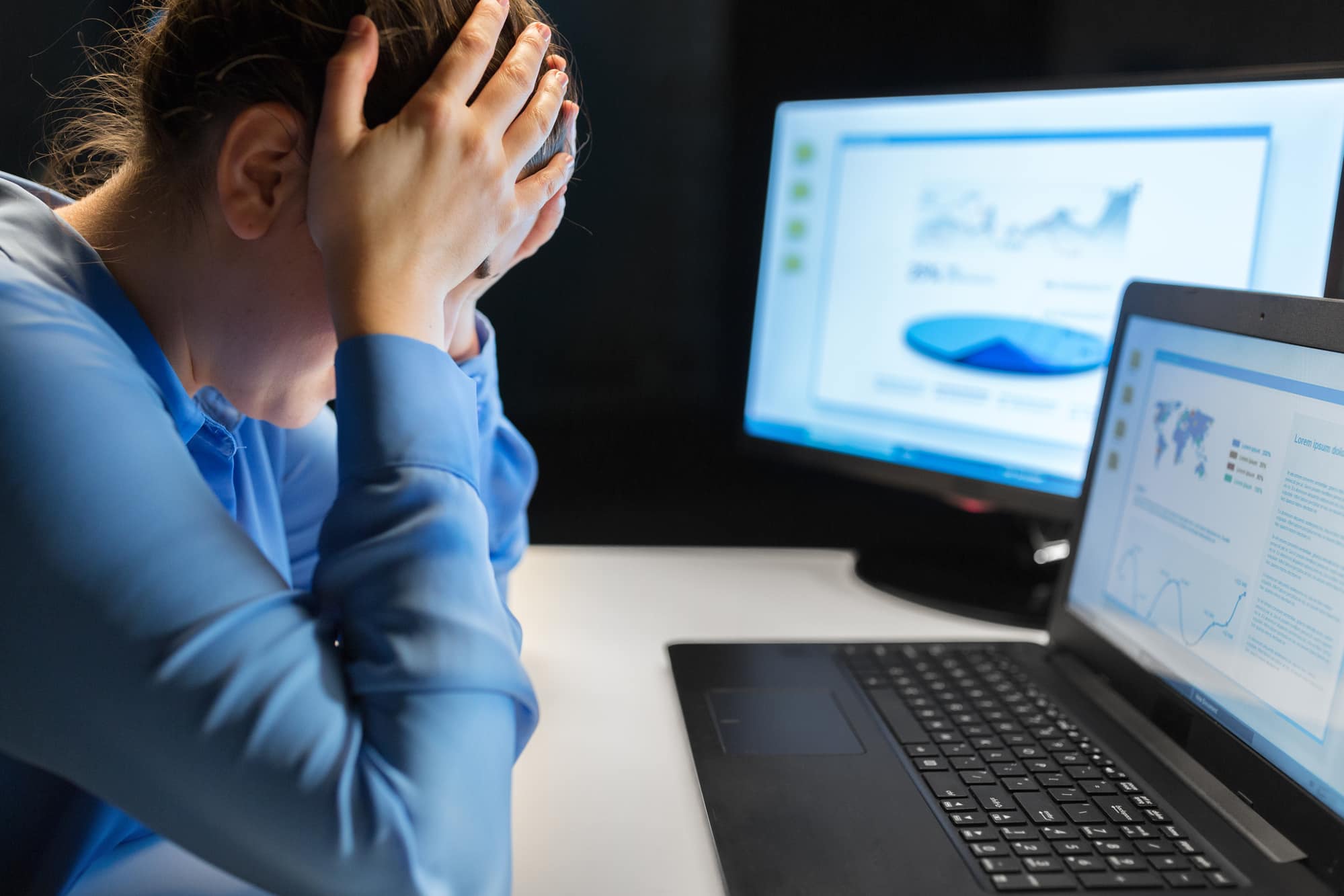
There is a lot of information out there about the harmful effects of blue light.  Let me clarify something here. Blue light from sunlight is pure and very valuable to man. Daily exposure to blue light can do your health immense good. The problem is blue light from your digital devices.

Excessive exposure to our digital screens and other installations using blue light can be detrimental to your wellbeing.

Myriad studies suggest that about 60% of human beings spend 6+ hours daily in front of digital devices. Needless to say, most of us, executives are right in this mix, spending a majority of our working time staring at screens. The best news is that there are ways to protect from harmful effects of blue light.

Let me take you through some of these beneficial and harmful effects of blue light.

Beneficial Effects of Blue Light on Health

Blue light is literary all around us. Its main source is the sun but you can find artificial blue light in dozens of your home and office devices.

Find Out More About What Blue Light Is

Exposing your body to blue light daily can help various aspects of your health.

Here are the many benefits:

1. Effects of Blue Light on Alertness

According to Harvard Medical School, you’re likely to remain highly alert during the day when you interact with blue light wavelengths from electronics or overhead lights early in the morning.

This can be hugely beneficial especially during days where you’re handling tasks that require utmost alertness.

Basking in sunlight can also produce the same effect.

2. Effects of Blue Light on Reaction

In the meantime, perhaps because it activates your noradrenergic system (a system of brain neurons that helps the release of essential chemicals), blue light as well helps you react faster to various stimuli.

For instance, you may be able to offer a fast and appropriate comment during an important business meeting.

3. Effects of Blue Light on Cognitive Function

Research has indicated that blue light exposure can enhance cognitive functioning such as boosting your remembrance.

That’s because it causes brain changes in the prefrontal brain section associated with optimal functioning in sensitive settings. This includes roles where memory and quicker decision-making are crucial, like during an important meeting with your team or clients.

4. Effects of Blue Light on Mood

Some studies have suggested that blue light has a clear positive impact on one’s mood. That’s because contact with projected blue light induces the release of your happy hormones such as endorphins by your brain.

This helps regulate mood disorders.

You may hence experience a positive mood even after a terrible event such as after a failed project at work or after arguments with colleagues.

5. Effects of Blue Light on Body Clock

In yet another study, scholars found blue light helpful in regulating your circadian rhythm, the 24-hour biological cycle that controls many of our internal functions. This is because some photoreceptor cells in our eyes respond to such wavelengths. For this reason, you can potentially shift your circadian clock by scheduling an exposure.

For example, you can re-align your circadian clocks and hence eliminate jet lag by exposing yourself to artificial blue light sources such as therapy lamps. You can again ease jet lag by relaxing in warm sunshine for at least one hour as soon as you land.

Learn More Ways To Beat Jet Lag

6. Effects of Blue Light on Blood Pressure

Exposure to blue light might also lower your blood pressure and thus your probability of developing heart disease. In their widely covered research, the University of Surrey proposes a whole body exposure for patients with high blood pressure.

Since your job as an executive involves long hours sitting in the office, this can help keep you safe from blood pressure issues.


7. Other Beneficial Effects of Blue Light

Various experts contend that you can also use blue light therapy to tackle several other conditions, including depression, eating disorders, and even age-related dementia.


Harmful effects of blue light

Despite all its goodness, blue light from digital devices has its weaknesses.

While our eyes effectively block UV rays from penetrating to and damaging the retina, they’re not as successful at blocking blue light.

It’s even worse for our children.  This is because a kid’s crystalline lens is more permeating for short wavelengths – like blue light – than in adults, making children more susceptible to blue light effects.

In the end, nearly all visible blue light bypasses everything and reaches our retina.

This causes you to gradually encounter some of the blue light’s damaging effects as you accumulate exposure hours.

Here are some of the harmful effects of blue light:

1. Digital Eye Strain

This is the temporary eye discomfort that you sometimes feel after using a digital device for two hours going upwards.

And while you can face this challenge due to other problems, blue light is a common trigger due to its wavelength.

Get More Information About Eye Strain Problems for Managers

2. Macular degeneration

Because it penetrates through to your retina (hurting the cells in there), acute exposure to blue light may also lead to the age-related macular degeneration. Scaringly, it might cause you to lose vision permanently.

3. Difficulty Falling Asleep

In as much as it can help regularize your circadian rhythm, night exposure to blue light, for example, from your phone, can lower the excretion of melatonin.

As a result, you may extremely struggle to find sleep.

Find Out More About How Blue Light is Ruining Your Sleep

4. Accelerates Blindness

By killing cells in your eye’s retina, blue light speeds up blindness, according to scholars at the University of Toledo.

5. Other Harmful Effects of Blue Light

Some experts have linked your exposure to high-energy lights such as blue light to difficult-to-treat ailments like breast and prostate cancers.


Why Are Executives Especially Affected by the Harmful Effects of Blue Light?

As I mentioned, executives spend the majority of their working time staring at screens. But there are other reasons to consider.

To begin with, many executives prioritize their jobs and career success over their health. Sometimes you even feel helpless considering the persistent performance pressure at work, tough deadlines, make-or-break presentations, and more.

Some of us go as far as carrying work home!

At the same time, hitting your targets and meeting other job expectations becomes a tall order.

In the end, you ail from deteriorating vision, dried eyes, disturbed (or lack) sleep, and constant headaches.

Sadly, a majority of us don’t take these symptoms seriously, and we choose to look the other way instead of acting to lessen your discomfort.

To illustrate, the vision council found that almost 70% of adult users of digital media devices showed symptoms of digital eye strain but made no attempt to reduce their suffering.

The best news is that these are challenges you can defeat.  And that’s what we are looking at next.

How To Protect From the Effects of Blue Light of Your Devices?

Since, as I mentioned, our eyes are poor at blocking blue light, you must help them protect you from the various harmful effects of blue light.

The question is:

How can you shield your eyes and your health from the worrying consequences?

Well, you can try the following:

1. Limit Your Exposure Time As Much As Possible

This requires that you spend just your regular working time in front of digital devices. Then, try your best not to take work home. And train to always unplug from your digital devices once home.

To distract from your phone, engage in useful activities like making a small talk with your partner or kids.

Perhaps you can use the 20-20-20-20 rule which recommends that you blink 20 times (in a row) after every 20 minutes.

In addition, look away from your screen for 20 seconds every 20 minutes and at an item, 20 feet away.

This helps you ease macular degeneration and eye strain too.

I personally have attached a note on my laptop screen that says “Blink” and I religiously obey it!

Check Our Detailed Posts on How To Protect Your Eyes From Computer To Learn More

3. Avoid Looking at Digital Screens Ahead of Bedtime

Sleeping for at least the recommended 8 hours can dramatically uplift your mood and general wellness. To help the release of melatonin, don’t look at bright screens at least 2-3 hours before bedtime to normalize your sleep.

Moreover, since we are usually tempted to turn our gadgets back on at night, create a habit of charging them in another room.

 Understand the Close Connection Between Sleep and Blue Light

4. Use Specially-Designed Light Blocking Glasses

Since your eyes aren’t that good at blocking invasive light, give them a helping hand by wearing light blocking glasses.

In an experiment, the University of Toronto discovered that those who typically wear glasses with blue light wavelengths blocking technology during night shifts had more melatonin than participants who didn’t.

Other studies have realized that short wavelengths subdue delta brainwaves, thus stimulating sleep, and invigorate alpha wavelengths, which swell your alertness.

Use Computer Glasses To Protect From Blue Light Today!

5. Activate Blue Light Filtering of Your Digital Devices

Most of the smart devices manufacturers are these days including a handy blue light filtering option.

They coin distinctive names so you might have to visit your device maker’s website for confirmation and activation steps.

You can always use a third-party app if you’re unlucky to own a smartphone without the tool or you find the installed one limited.

Recap

The blue light lighting technology has essentially brought a mixed bag of results to humankind.

On one side, you can find artificial blue light in dozens of your home and office devices. Blue light is also hugely beneficial as far as mood disorders, mental alertness, and memory sharpness is concerned.

But excessive exposure to our digital screens and other installations using blue light can be detrimental to your wellbeing.

Luckily,  there are solutions to help you benefit while remaining safe abound.

As we saw,  avoid your digital screens just before sleep time and use aids such as light blocking glasses.

Furthermore, follow the 20-20-20-20 blinking rule at work and activate the blue light filtering tool on your devices.


Warning: You May Suffer from Computer Vision Syndrome

Are you suffering from eye fatigue, blurred vision or headaches? You may experience computer vision syndrome.

According to some statistics, as much as 59% of Americans suffer computer vision syndrome, also called eye strain symptoms, mainly blamed on the increased digitization of work.

You spend long hours trying to make sense of the spreadsheets, preparing presentations, analyzing Gantt charts, and more. These super busy schedules mean that you rarely take a break from your screens.

Executives suffering from computer vision syndrome can’t reach expected performance. Fortunately, this is a health problem you can easily overcome with home remedies.

Go through the following list of eye strain symptoms. Any of these symptoms may indicate that you suffer from computer vision syndrome. And if you have five or more symptoms the probability that you are already a victim of computer vision syndrome is very high. If so, read on our list of home-based self-care remedies for it.

Are you suffering from computer vision syndrome? Go through this list and find it out! CLICK TO TWEET 

Computer Vision Syndrome or Eye Strain Symptoms

1. Dry/Watery Eyes

This is one of the most common eye strain symptoms.

Tears are extremely important in maintaining the eye’s good health and providing clear vision. However, computer eye vision may lead to excessive tearing (watery eyes) or conversely, reduced excretion of tears (dry eye).

Either way, your performance at work may drastically diminish because you’ll be finding it difficult to attain full concentration.

2. Burning/Tired Eyes

A number of studies have shown that you normally blink less frequently when looking at your computer or other digital tools.

Digital tasks also increase ocular surface exposure considering the horizontal viewing of screens accompanying modern-day work.

This sometimes results in eye strain symptoms: your eyes feeling tired, itchy, dry, or as if they are burning.

3. Redness or irritation

Eye redness or blood-shot eyes come about when the sensitive vessels in our eyes become irritated or swollen.

Though there are other triggers like glaucoma, this can be because of eye strain-related symptoms such as those we have mentioned above: eye fatigue, overhearing, or dry eyes.

4. Double/Blurred Vision

Managers may feel that they can no longer see clearly after a visually taxing task like reading some fine print on a screen.

Besides the blurred vision, executives also suffer from double vision, for example, after working on the iPad for hours on end.

5. Pain in Areas Surrounding the Eyes, Shoulders, or Back

Pain and eye discomfort becomes frequent in and around the eyes, shoulders, and even on the back after spending time on digital screens.

6. Sore neck

Depending on the seriousness of your computer vision syndrome, you may sense soreness around the neck. This could be as a result of the strain that one applies to the area when trying to train the eyes better on the screen.

7. Sensitivity to Light (Photophobia)

Photophobia involves being hypersensitivity to light and it’s not an eye disease but a symptom of various conditions including eye strain that that can potentially irritate your eyes.

This puts a real strain on the eyes and makes you shy away from your computer despite its importance in your work.

8. Difficulties Keeping One’s Eyes Open

At times, keeping your eyes open becomes a massive fight as long as you’re interacting with your devices in the course of duty.

9. Vertigo

Anything that needs the various eye muscles to tighten up in order to precisely aim at an item on the screen can usher in dizziness.

In severe cases and especially during busy work periods, you may endure severe vertigo lasting for up to several minutes.

Prevention of Computer Vision Syndrome

Computer usage triggered eye strain causes headaches, eye fatigue, neck soreness, and such agonies ensure you no longer enjoy your work.

Because you are unable to focus and concentrate, computer vision syndrome may adversely impact your overall productivity.

Adapting your daily habits and the environment could be all it may take to prevent this vision syndrome.

Let us delve a bit deeper into this:

1. Adopt Eye-Friendly Habits

Preventing eye strain demands that managers develop eye friendly habits. You should blink more often to keep the eyes lubricated or wear the correct glasses, including computer glasses.

Find Out More About Computer Glasses and How You Can Combat Eye Strain

2. Upgrade the Working Environment

Tweaking the outlook of the office will also benefit you, particularly where sight issues are connected to environmental issues like sub-standard lighting.

Focus should be on modifying the whole setting so we advise you to pursue additional actions such as upgrading the air quality in your rooms.

Try to use humidifiers, set the thermostat right, and commit to such other necessary acts.

Read about all the eye-friendly norms in our article on how to protect eyes from the computer.

Home Remedies for Computer Vision Syndrome

Countless home-based self-care remedies are very helpful whenever you are suffering from eye strain.

Not only are most of these treatments straightforward but they are also inexpensive.

Crucially, you will see change not long after commencing them if you do everything right.

Let’s now focus on some of the most impactful:

1. Sunning

Strongly advocated for by Dr. William Bates, one of the pioneer Ophthalmologists, sunning involves directly gazing at the sun.

Affected officials are to expose their closed eyes to bare sunlight for a minimum of three minutes a day.

When starting, begin by practicing sunning exercises early in the mornings or near dusk. You can then gradually change to other hours when the sun is stronger.

You can even engage in sunning exercises during your lunch break so long as there is enough sun.

2. Use Artificial Tears

Artificial tears are excellent for preventing and relieving computer vision syndrome due to dry eyes. They not only keep the eyes well-lubricated but also averts a recurrence of related eye strain issues.

You can take some lubricant eye drops with you as you leave home and apply them during daytime as may be necessary.

3. Palming

The second of Dr. Bates suggested eye-relaxing remedies, palming uses one’s palms to ease the eyes.

In short, the palms are usually placed over the victims closed eyelids first. You should then visualize the black color while taking deep slow breaths.

Once you do this repeatedly and gently, the straining will lower and go off completely eventually.

4. Eye Massage

Doing a self-massage on tired eyes helps offset computer vision syndrome by boosting blood circulation to the eye area in addition to releasing eye muscle tension.

Use your middle finger, thumb, and index fingers depending on the part of the eye to massage.

5. Rosewater

Rosewater is a naturally relaxing for your tired eyes and helps to refresh them and beat fatigue.

It’s also packed full of nutrients that soothe the delicate skin around your eyes making it a useful weapon when battling computer vision syndrome.

You just soak two cotton balls/pad in the rosewater then place them strategically over your eyes for some minutes in a relaxed position.

Similarly, placing beauty regimens like cucumber slices or tea bags can help soothe your eyes.

6. Swinging

You execute this technique by standing upright, then making large 180° turns towards the right and the left in alternating turns.

As you do this, visualize the motions your eyes as they try to recognize the environment.

7. Natural Products

Some natural products are also possible remedies though studies have not been conclusive. You can start off with great examples such as omega-3 fatty acids as well as bilberry extracts.

8. Get Some Shut-Eye

Sleeping will relax your eyes tremendously. If you don’t have time, close your eyes and rest them for about five minutes.

9. Splash Your Face

Try splashing your face with ice-cold water if you can tolerate it. Do the same to the back of the neck for about three to seven minutes.

10. Do a Facial With a Steaming Towel (Warm Compress)

A ‘facial’ with a steaming towel can also allay computer vision syndrome.

If you can, prepare the towel with eucalyptus oil. It will be so refreshing and fast-acting.

You soak the cloth/towel in warm water, wringing out excess water, then, place the wet cloth on top of your eyes.

Get More Tips to Avoid Computer Vision Syndrome

Chronic Stress at Work. Can It Cause Depression?

Stress is an inevitable part of your professional life. However, that doesn’t mean you accept it or ignore its implications. According to a survey conducted by the Health And Safety Executives, UK, more than 5 lac workers are suffering from work-related stress and depression resulting in a loss of 12.5 million working days in just the last 2 years.

These findings are as disturbing for you as they are for your employer. Depression arising out of stress at the workplace can not just affect your own productivity, but also hamper the performance of your organization. Hence, it is highly important to manage stress before it worsens and leads to serious depression. Here’s how stress and depression in the workplace are linked.

Depression is the obvious consequence of improperly managed stress. If ignored, job-related stress can increase your risk of depression substantially. CLICK TO TWEET

Executive Summary:

stress and depression

1. Affects Your Moods

The first effect of stress is evident in your moods. According to research conducted at the Psychoneuroendocrinology, a possible mechanism for how stress and depression are linked is the improper biological response of the body to stress.

Stress disrupts the functioning of the glands that regulate the production and release of hormones in the body. This results in the excess synthesis of cortisol. Cortisol causes mood disturbances and paves way for negative emotions such as anger, frustration, agitation, and restlessness.

Over a period of time, these symptoms worsen resulting in extreme irritability, loss of appetite, and sleep disruption. These symptoms mark the beginning of a mild depression.

Stress can also result in cognitive changes and affect your intellectual abilities thus causing impaired memory, focus, and concentration. These effects of stress can hamper your performance at work resulting in a low appraisal rating or even a loss of job thus allowing serious depression to take hold.

2. Disrupts Healthy Coping Strategies

According to the research published in the Medical Science Monitor, the risk of stress-induced depression can be reduced considerably by adopting strategies such as focusing on emotions, planning, and seeking social support.

However, busy executives may not be able to adopt and stick to these coping strategies due to their hectic lifestyle. Hence, they are more likely to experience chronic stress and depression.

Working for extra hours every day and even on weekends is common in executives due to strict deadlines, and job insecurity. When you have to work for extra hours, you are more likely to skip healthy coping strategies such as practicing yoga and meditation. This can prevent you from avoiding the effect of stress and worsen your risk of depression.

3. Adopting Unhealthy Coping Strategies

Chronic stress and depression have one thing in common and that’s alcohol consumption. Constant work pressure, job insecurity, failure to achieve success and lack of work-life balance may force you to adopt unhealthy coping strategies such as excessive alcohol consumption and the use of recreational drugs. This tendency is more common in the executives who do not have strong support from family, or friends.

These strategies may provide an instant feeling of gratification. But, they are nonetheless dangerous for your health. According to a study conducted by the Canadian Journal of Psychiatry, alcohol consumption can increase your risk of major depression.

Recreational drugs produce a sense of euphoria that lasts only for a short duration. Alcohol and recreational drugs result in addictions or dependence. These consequences can affect your mental as well as physical health and even lead to the loss of job. These factors can worse your risk of depression significantly.

4. Strained Professional Relations

Research published in the International Journal of Disability Human Development, the overall atmosphere and relations with colleagues can impact your mood and job performance. Excessive work pressure can make your irritable resulting in angry outbursts.

However, this can lead to strained relations with your colleagues and create a hostile atmosphere at your workplace. As a result, your colleagues and subordinates may not cooperate with you or give you a cold shoulder.

Recurrent episodes of angry outbursts can also result in social isolation at your workplace. This can add to your existing stress and over a period of time, lead to depression.

5. Induces Inflammation

Research published in the Psychology Bulletin has indicated that stress and depression are linked to each other through inflammatory processes of the body. Work stressors in executives such as the inability to cope with higher expectations from the employers, poor performance appraisal ratings can disrupt the neural, and molecular mechanisms of the body. This can drive the pathogenesis of depression.

Executives who experience chronic stress have a high risk of depression due to the involvement of the immune system cells. Stress results in the production of certain chemicals that promote inflammation and cause damage to healthy organs. These chemicals can also elicit a profound change in your behavior. This can trigger the symptoms of major depression such as persistent sad mood, psychomotor retardation, fatigue, and social-behavioral withdrawal.

Stress may be good for you if it keeps you motivated, and alert. However, too much stress over a prolonged duration due to work pressure can increase your risk of depression through various mechanisms. Depression, in turn, can have a huge negative influence on your career, personal life as well as physical and psychological health. Hence, you must never ignore the consequential relationship between stress and depression and take steps to avoid them.

Find Out 7 Easy Ways To Cope With Depression at Work

If you have experienced stress linked depression, please leave a comment below to share your story.

Tips And Tricks For Battling Belly Fat

The long hours, lunches on the run, lack of time for exercise, and chronic stress associated with leading a business or organization are just a few of the reasons why so many managers and executives find themselves accumulating extra fat around their midsection. Unfortunately, it is this type of fat that is associated with the majority of obesity-related health conditions. While genetics plays a large role in determining whether you gain weight around your belly like an apple or around your thighs like a pear, it is possible to implement a few simple lifestyle changes to help you keep your waistline in check. The following are the most effective methods that we have found to lose belly fat.

You do not have to spend hours in the gym or go on overly restrictive diets in order to lose belly fat. The following are five effective techniques for avoiding the dreaded managerial spread that are easy to incorporate into even the busiest lifestyle.

Executive Summary:

lose belly fat

1. Lose Belly Fat by Doing Interval Training

While any type of exercise will provide health benefits, not all exercises are created equal when it comes to altering body composition.  A study published in the Journal of Obesity found that high-intensity intermittent exercise, also known and HIIE, was more effective in targeting subcutaneous fat than other forms of exercise. HIIE uses short bursts of intense exercise targeting multiple muscle groups followed by short recovery periods. HIIE takes less time out of your busy day than a traditional workout and helps rev up your metabolism so that you more calories and fat even when you are back at your desk.

2. Getting Enough Sleep Can Help You Lose Belly Fat

Long hours at the office and constant deadlines crying for attention make managers and executives especially susceptible to chronic sleep deprivation. According to a survey sponsored by pharmaceutical company Sanofi-Aventis, only 45 percent of the more than 4,000 workers surveyed described themselves as good sleepers. The remaining 55 percent reported having trouble sleeping or chronic insomnia. Setting a goal of getting 7 to 9 hours of quality sleep each night can help reduce sugar and fat cravings, reduce cortisol levels, and improve insulin sensitivity, which can help you lose belly fat and feel better mentally and physically at work.

3. Lose Belly Fat by Cutting Sugar

Sugar is calorie-dense and nutrient-poor. Sugar and other simple carbs are also stored by the body in the form of fat. Even if you are careful to avoid the doughnuts and cookies in the office break room, you may still be getting too much added sugar in the form of supposedly healthy foods, such as fruit juice concentrates or “raw” sugar. According to the American Heart Association, added sugars should make up no more than half of your daily discretionary calories. The difference between the amount of calories that your body needs to simply function and the number of calories that you burn through physical activity is considered discretionary calories. As a general rule, women should have no more than 100 calories per day of added sugar and men should have no more than 150 calories per day. To put that in perspective, one soda has approximately 8 teaspoons of sugar totaling 130 calories.

4. Eating Fat Can Help You Lose Belly Fat

Contrary to what some diet gurus would have you believe, fat is not a dirty word. In fact, fats are necessary for energy, the processing of nutrients, and even proper cellular function. Fat also helps the body burn excess fat. Of course, this does not mean that all fat is created equal. Saturated fats, such as those found in fried and process foods, are associated with weight gain, increased cholesterol levels, and other health concerns. Instead, you should focus on monounsaturated and polyunsaturated fats, such as those found in nuts, fish, and olive oil.

5. Lose Belly Fat by Reducing Stress

The fact that you work in a fast-paced, high-stress environment may predispose you to develop excess abdominal fat. Chronic stress causes the body to release more cortisol, which is commonly known as the stress hormone. Over time, high levels of cortisol alter metabolism and can increase cravings for fats and sugars, which can promote belly fat. Although it will not give you six-pack abs, implementing stress reduction techniques into your daily routine may help you lose belly fat. Consider signing up for a yoga class or practicing meditation. According to Psychology Today by becoming more mindful of your thoughts and emotions, you may be able to avoid the triggers that lead to poor food choices.

We would love to hear about your favorite ways to beat belly fat. Join the conversation by leaving a comment below.

Is Your Work Fatigue a Serious Disease?

Do you feel as if your sleep has not been adequate enough to help you stay fresh throughout the day? Are work fatigue and tiredness affecting your productivity during the daytime?

If yes, you are not alone. According to a poll conducted by the YouGov, about 45 percent of the Americans have reported feeling fatigued or tired up to three times a week even after sleeping for 7 to 8 hours. This trend is alarming!

If you are not experiencing the benefits of sleep and suffering from work fatigue, you might be suffering from a disorder that must be identified. Here is a list of diseases that can cause work fatigue in executives and other working professionals.

Work fatigue can be the result of an underlying disorder that must be identified in order to feel energetic and improve your productivity at the workplace. CLICK TO TWEET

Executive Summary:

work fatigue

1. Diabetes

Yes, diabetes! You might be thinking how diabetes can cause work fatigue. After all, this disease occurs due to the high blood sugar levels and so, this excess sugar should be able to serve as fuel to help you feel energetic.

Isn’t it?  You are right, but only partially. Diabetes presents itself with high blood sugar levels. However, it doesn’t improve your energy levels, but actually decreases it. According to a study published in the Journal of Psychosomatic Research, high blood glucose levels cause due to diabetes can trigger inflammation in the blood vessels. As a result, immune cells such as monocytes enter the brain resulting in work fatigue.

High blood sugar can also make the blood sticky, thus preventing it from flowing easily through the capillaries. As a result, these capillaries do not bring enough oxygen to the cells making you feel tired.

Additionally, mental stress caused while trying to cope with diabetes could wear out your mind and cause stress. This can affect your sleep due to which you wake up feeling unrefreshed.

Also, keeping diabetes in control can be more difficult for busy executives due to their irregular meal times, thanks to the changing schedules of their meetings and client interactions.

As a result, you might develop severe fatigue and tiredness along with the common symptoms of diabetes such as increased thirst, a frequent urge to pass urine and delayed wound healing.

Controlling diabetes by using your antidiabetic medications regularly, following a healthy diet, and exercising regularly are advised to reduce your blood sugar levels and avoid work fatigue.

LEARN MORE ABOUT SIMPLE HEALTHY DIETS FOR EXECUTIVES NOW!

2. Sleep Apnea

If you usually wake up feeling as if you haven’t slept at all, you might be suffering from sleep apnea. According to a study published in the Journal of Clinical Endocrinology and Metabolism, sleep apnea is commonly associated with work fatigue and daytime sleepiness.

Executives are more prone to develop sleep apnea due to their higher risk of associated disorders such as obesity. Obesity is common in managers due to their sedentary habits or lack of physical activities.

Sleep apnea can affect the quality of your sleep by causing frequent disruptions in the sleep. Frequent awakening can prevent you from entering the deep restorative stage of sleep thus negating the benefits of sound sleep.

Use of CPAP devices or simple recommendations such as changing your sleeping position to sides can help you to minimize the symptoms of this disease.  This will help you to sleep well and avoid work fatigue.

3. Hypothyroidism

Hypothyroidism, a condition caused due to an underactive thyroid gland, is another common cause of work fatigue in working professionals.

Your body needs certain hormones including thyroid hormones for the production of energy. A drop in the levels of these hormones, as what occurs in hypothyroidism, can result in lower energy levels. This can make you feel weak and exhausted even after sleeping well or eating a wholesome meal. You may also develop other symptoms of hypothyroidism such as weight gain, hair loss, constipation, brittle nails, and dry skin.

You can check your thyroid hormone levels for the diagnosis of this disease. Regular use of thyroid medications can restore the balance of hormones in your body and minimize work fatigue. It will help to restore the balance of hormones in your body and allow you to meet your professional commitments with ease.

4. Depression

Depression and work fatigue have an unfortunate connection. Depression is not a stranger to executives. Constant work pressure, higher expectations from superiors, strict deadlines to meet, and job insecurity can cause severe stress in managers and make them prone to depression.

It can make you feel less interested in doing any task, and even affect your focus and concentration at work. Some other symptoms of depression include lack of interest in daily activities, loss of appetite, and explained weight loss. Depression can also cause insomnia, thus worsening fatigue and weakness during the daytime.

Practicing effective stress-relieving techniques such as yoga and meditation can help you to control stress and depression. This will also allow you to work with a positive attitude and help you feel energetic.

There are other techniques that you can use to regain control so that you can get back to your work as quickly as possible.

FIND OUT 7 EASY WAYS TO COPE WITH DEPRESSION AT WORK NOW!

5. Fibromyalgia

Fibromyalgia is one of the lesser known causes of work fatigue in managers. Fibromyalgia is characterized by pain and tenderness in multiple points along with stiffness. These symptoms make it obvious why a person with fibromyalgia could suffer from work fatigue.

Fibromyalgia can cause severe restriction of movements and even prevent you from sleeping well due to the pain and discomfort in the joints. These symptoms can make you feel tired all the time.

These symptoms are worse in executives as they have to sit at one place for prolonged hours without much physical movements. This can worsen the stiffness in the joints.

You can use the pain-relieving medications and practice aerobic exercises like walking or cycling to obtain relief from the symptoms of this disease and avoid work fatigue.

Conclusion

Ignoring the root cause of work fatigue can not just lead to a delay in the diagnosis of the underlying disorder, but also worsen your career prospects. If you want to stay fully dedicated towards attaining your professional aspirations, you must avoid work fatigue. This will help you carry out your duties and responsibilities to the best of your abilities and take your career several notches higher. However, this journey can begin only if you make an effort to find why you are experiencing tiredness at the workplace.

If you agree with this, please leave a comment below to let us know your thoughts.

Have You Tried These Foods That Relieve Constipation Naturally?

According to the survey conducted by the National Institute of Diabetes and Digestive and Kidney Diseases, difficulty in passing stools or constipation is a common gastrointestinal problem affecting approximately 42 million people in the United States alone. A large chunk of it is busy executives, especially women, who develop acute, and then, chronic constipation due to their unhealthy dietary and sedentary habits. Frequent traveling and the resulting changes in their daily schedule are also the common causes of constipation in them.

But using laxatives is not an option, at least not a healthy option. Laxatives do not offer a permanent solution to your problem and can cause side effects. Over a period of time, your body adapts to the continued presence of the laxative drug and stops responding to it as expected thus reducing its effectiveness.

Hence, it is advisable to try the foods that relieve constipation mentioned beneath to ease the discomfort without any side effects or dependency.

Change your diet and include the foods that relieve constipation to ease your discomfort and prevent complications. CLICK TO TWEET

Executive Summary:

Foods that relieve constipation

1. High Fiber Foods

A study conducted by The Nature to evaluate the effect of a high-fiber diet on the colon health has proved that it can increase the stool output, and prevent constipation. A high-fiber diet supports the movements of the undigested foods through the gut. It also eases constipation by holding more water within its cellular structure.

Some of the foods that relieve constipation with their high-fiber content include fruits like citrus fruits, papayas, banana, and berries and fresh vegetables like broccoli, peas, and beans. Whole grains also offer a rich source of fibers. Make sure you include these foods in your regular diet for a long-lasting relief from constipation. Replace white bread with brown bread to give your gut the benefits of whole grains and ease the digestive movements.

If your job demands frequent traveling, you can always rely on bananas to ensure your body gets its supply of fibers to beat constipation.

FIND OUT MORE ABOUT HEALTHY TRAVELING SNACKS READING THIS POST

2. Oatmeal

A research published in the British Journal of Nutrition has proved the natural laxative properties of oatmeal. Oats are full of soluble fibers that quickly dissolve in water, and soften the stools. It also contains insoluble fibers, which increase the stool bulk thus easing the passage.

Oatmeal is considered one of the best foods that relieve constipation for another reason. It can also reduce the risk of colorectal cancer and inflammatory bowel diseases, which are the common complications associated with chronic constipation.

But, what makes oatmeal a practical option for you is you can prepare it in just a few minutes. So, how much ever busy you may be, taking out a few minutes to prepare healthy oatmeal won’t be a difficult task for you!

3. Eat yogurt

If you like yogurt, you are at an advantage because it has been proven to ease constipation. It is one of the best foods that relieve constipation. A study published in the American Journal of Clinical Nutrition has proved that eating probiotic foods like yogurt can offer encouraging results for patients with functional constipation.

Probiotics can improve the whole gut transit time and the stool frequency. Yogurt can also soften the stool consistency and prevent the discomfort caused due to constipation. So, the next time you reach out for a dessert after dinner, take a healthy turn and eat a bowl of yogurt instead.

4. Prunes

What are the things you never forget to take while leaving the home? I am sure they must include your wallet and cellphone. But, if you are suffering from constipation, I will advise you to add prunes to this list.

A research published in the Alimentary Pharmacology and Therapeutics has indicated the laxative effect of prunes. Prunes or dried plums promote healthy movements of the digestive tract and ease constipation. Prunes can also improve the stool consistency and prevent the pain and discomfort that you experience due to constipation. And it doesn’t even need any preparation or cooking. The all you need to do is put your hand in a jar and take out a handful of prunes to munch on as and when you feel like.

5. Extra tip: Drink Plenty Of Water

Drinking water is perhaps the easiest natural way to overcome constipation. The main benefits of drinking water come from its ability to boost the digestion. Drinking water, especially warm water, the first thing in the morning, is also a perfect remedy to flush out all the toxins from your digestive system and keep your body hydrated. You may squeeze half a lemon to the warm water for an added flavor.

It will enhance the digestive functions of your body and ease the symptoms of digestive troubles like constipation, bloating, and nausea.

It won’t be difficult at all to carry a bottle of water with you while traveling or leaving for office. Keep sipping water throughout the day to avoid constipation.

Want to get simple tips that even the busiest executive can incorporate into their day to ensure that they stay hydrated at work?

READ MORE TIPS TO STAY HYDRATED AT WORK NOW!

Conclusion

Chronic constipation can increase your risk of several diseases including hemorrhoids, ulcerative colitis, and colorectal cancer. Start eating the foods that relieve constipation before your digestive problem invites more complications. It will also protect you against the side effects and dependency associated with the long-term use of laxatives.

If you have suggestions about any other foods that relieve constipation, leave a comment to share them with us.

Health Over 60…What a Busy Executive Needs to Know

With so much on your plate, basking in the glory of a long and illustrious career, it is seemingly impossible to find any spare time to integrate healthy habits into your busy schedule.

Health over 60 looks quite different than it did when you were in your 40s or 50s. Your body is trying to slow down, but your lifestyle will not allow it. As a senior executive, you’ve got deadlines that will not go away. People are counting on you. There is no time to back down.

This is the moment to race head first toward the finish line of excellent health over 60. Learn what happens to your executive body when you turn 60 and stay at the top of your game.

1. Battle of the Bulge

Your cells and organs are aging. As the metabolism slows, it becomes increasingly difficult to battle the bulge. Muscle mass decreases and bone density declines. But you can reverse these trends.

Your bones, joints, and muscles don’t move with the agility you possessed in your youth. This is why it is critical to keep them strong with resistance training and cardiovascular exercise. Nothing will age you faster than a sedentary lifestyle.

FIND OUT HOW TO BE FIT OVER 60 IF YOU ARE A BUSY EXECUTIVE


2. Bladder Bailout

Men and women in their 60s often experience various urinary issues, including benign prostatic hyperplasia (BPH)interstitial cystitis syndrome and urinary incontinence. Each of these conditions is directly connected to your hormones. Regardless of the severity of your issues, frequent bathroom breaks are a disruption to your day and productivity .

Urinary incontinence, in particular, is quite embarrassing and affects your body image, sexual life, and overall emotional state. Cutting back on coffee can help with this to a degree since it is a known diuretic.


3. Brain Boosters

Memory loss is a common symptom of age, and let’s be honest, you have far too much on your plate to let things slip.

Though you’ve mastered your executive status, you may notice that reasoning skills, overall attentiveness, multitasking, speed of processing new information and reaction time, in general, are negatively affected as you age. In fact, your brain actually shrinks with age, specifically the prefrontal cortex and hippocampus.

Neurogenesis, which is the growth of new brain cells, continues well into your 60s. You’ve heard that if you don’t use it you lose it. The same applies to your mind. Your brain needs exercise just like your body. This far along in your career, it would be easy and tempting to slide in autopilot mode and simply coast through each day. Seek out and take hold of new challenges both in and out of the workplace.

Complete mental puzzles, such as Sudoku or crosswords, to your day to keep your mind sharp.

Take advantage of technology by playing mentally challenging games with friends or even coworkers. Join a local chess club or sign up for language classes. Broaden your horizons by reading books outside of your typical genres of interest.

HAVE A LOOK AT OUR LIST OF BOOKS EXCLUSIVELY SELECTED FOR EXECUTIVES


4. Sensory Shift

Your vision and hearing will most likely suffer during this sixth decade of life. The rate of cellular turnover declines. Health concerns that you’ve never dealt with began to spring up all of the sudden. Consider hearing aids or altering the lighting in your office to boost productivity and maintain your professionalism.

Follow your doctor’s recommendations, and keep current with all prescribed age-appropriate tests for men and women. Inform your doctor of any noticeable changes in your health immediately. Embrace a teamwork mentality as you collaborate with your doctor to develop a plan to get and keep you on the path to your best health over 60.


5. Achy, Breaky Joints

You’ve earned your big office, but sitting for extended periods of time has detrimental effects on your health over 60. Cartilage begins to wear down, you lose lubricating joint fluid and your muscles become weaker and shorter with inactivity.

Keep moving to stave off the aches and pains that plague so many senior executives and get a desk exercise bike or a bike station desk. Practice yoga or Pilates. Add supplementation using collagen, glucosamine, MSM, and chondroitin.

Schedule regular chiropractic care and therapeutic massage, or even better, get an acupressure mat or a full body massager and minimize stress and the pain associated with it after a long day at the office without having to leave your home.

Age is merely a number, just a state of mind. How you think of yourself and perceive your abilities determines how your fare on your journey to great health over 60. Check your executive health and find out your gap to success now!


Share the wisdom you have gained with age and experience by leaving a comment on how you are taking hold of your health over 60.

Health over 50. What Successful Business Executives Need to Know

As a busy executive, you are constantly on the go, both physically and mentally, but something is different. Once you hit 50, the changes that you had previously heard of and hopefully prepared for are no longer on the horizon. They have arrived.

For better or worse, these changes affect both your mind and your body. Here’s a look at what to expect during this banner decade. Take heart, it’s not all bad. You are in the driver’s seat when it comes to achieving your best health over 50.

health over 50

1. Major Changes Ahead

Signs of aging include positive notes, such as gaining wisdom and life experience. Negative age-related changes for busy executives are most often seen as the skeletal system breaks down, muscle mass decreases, vision and hearing loss occur, the metabolism slows and the immune system weakens. The organs and systems of the body decline at a greater rate as you enter your 50s.

Your heart slows down and weakens with age. The arteries become stiffer, putting you at higher risk for cardiopulmonary disease. Blood flow, muscle mass, organ function and the immune system all experience decline. Your heart is working hard around the clock to keep you going. Fast food lunches and a sedentary lifestyle are not doing your ticker any favors.

2. Nodding Off

In a business setting, a body that is slowing down can result in severe consequences, including reduced productivity. And while it is never easy to admit that you can’t do what you once did when you first joined the executive world, it is vital to be aware of the ensuing changes and inevitable transformations as you enter a new realm of health over 50.

When you aren’t getting enough quality rest, cognitive function declines. This applies to both the mind and body. Quantity and quality of sleep suffer if not properly addressed during this phase of life. Sleep might not seem like an integral part of being a top performer in the executive realm. But the reality is that getting quality sleep is essential to proper cognitive function, disease prevention and increase your overall energy and productivity levels.

If you feel that you don’t have time to sleep, you will end up losing countless hours of productivity to exhaustion, illness, and lack of mental clarity instead. Logging adequate hours of sleep (at least six to seven hours per night) and sleeping well are essential to maintaining great health over 50.

Here you have some tips:

– Leave work at work, and let your home be the place you relax and unwind.

– Dim the lights and cool the temperature about an hour before your intended bedtime. Use a sleep mask to wake up energized and refreshed.

– The office emails can wait; eliminate screen time from phones, tablets, TVs and other backlit devices at least two hours before you plan to sleep.

– Diffuse relaxing essential oils, such as lavender, to signal the body that it is time to unwind.

3. Inconveniently Embarrassing

Men are likely to battle erectile dysfunction, which can be paralyzing beyond the bedroom. Women can feel the effects of menopause, including hot flashes, stress, nausea and weight gain. Urinary incontinence is a pervasive problem for older executives regardless of gender. Yet, many busy executives fail to heed these realities and never make the appropriate changes to their lifestyle. Denying the existence of the issues only makes them worse. 

4. Cluttered Schedule Equals Cluttered Mind

In your 50s, keeping a schedule that is jam-packed from morning to evening with stressful activities can lead to serious health problems and mental as well as physical fatigue.

Here you have some tips:

– Cut out those working lunches and take time for yourself during your lunch break.

– Leave time between meetings for reflection and stress-relieving techniques or exercise. Start unplugging to get more things done now!

– Make sure that you are keeping a pace that will keep you from burnout and away from the hospital.

– Build relaxing times of enjoyable activities or hobbies into your schedule.

Conclusion:

No matter where you are on your journey to better health over 50, you will no doubt notice changes in your body as you age. Some might be barely perceptible while others may seem quite dramatic. The rate at which these changes occur as well as the damage they inflict is due in part to hormonal changes as well as genetics.

However, you can take an active role in determining how you will look and feel as you enter your 50s. Just because you have a family history of diabetes or heart disease does not mean that your fate is sealed. Step up, own your health over 50.

Feel free to ask questions or leave comments to encourage others on their journey to achieving their best health over 50.

Health Over 40…What a Busy Executive Needs to Know

Maybe your colleagues made “over the hill” jokes at your 40th birthday party, and while you plastered on a smile, pretending to enjoy the laughs at your expense, you started to wonder if you’d already reached the pinnacle of your success. Truth be told, real aging starts at age 35, but the changes do not manifest themselves until after age 40. Your 40s usher in a period when the risk for a multitude of health conditions increases.

Fear not, friend; this is not the end.

You are at a crossroads, facing a critical decision: will you hold on and merely survive or will you thrive as a business executive, embracing your good health over 40? Simple changes will alter the way you function in your job, boosting your performance and sharpening your mental skills.

The choice is yours. Will you take charge of your health after 40?

1. Changes Ahead

Hormonal fluctuations coupled with genetics set your body up for some gradual but significant changes in your forties. These shifts can affect your performance as an executive. You might notice that you do not have the unlimited energy of your youth. Afternoons used to mean entering meetings in your power suit; now all you want after lunch is a power nap.


2. The Metabolic Crawl

Not to be confused with a hip dance move, the metabolic crawl is when your metabolism slows down. It does so by roughly two percent each decade, which means that health over 40 can seem like an uphill battle.

If you don’t address your slowing metabolism, it might eventually betray you, crawling along, burning the bare minimum to get you through your day.

Your metabolism affects your energy levels, which in turn correlate to your job performance. And you guessed it: a sedentary desk job makes it even harder to fight this slump.

Here are some metabolic booster tips:

– Commit to not sit for more than 30 minutes at a time.

– Set a timer on your phone if needed to remind you to stroll around the office and get the blood flowing.

– Take the stairs instead of the elevator.

– Park farther away from your office.


3. Lean Strength

Lean muscle mass decreases by about a pound each year. Muscle burns more calories than fat and is necessary for supporting your joints and posture, which is critical to support good health over 40.

Inactive muscles are prone to injury from everyday activities, such as lifting, bending and twisting.

Try to integrate strength training into your weekly schedule especially if you sit at your desk for extended periods of time.

11 IDEAS TO GET STARTED AND BE MORE ACTIVE IN THE OFFICE 


4. The Density Drop

Overall bone density drops by one percent each year, which could mean trouble for the future of your career. Osteoporosis may result in severe injuries that could prevent you from working and this can compromise your health. Your executive status might equal success in your career, but a sedentary lifestyle will result in the demise of your health.

Tight hips and lower back problems can cause pain that could decrease your productivity and can have you at the chiropractor more times than you’ll be at your desk.


5. Drive Dive

Libido diminishes during times of stress. And trouble at home will eventually manifest itself at the office. Take time for your most intimate relationships in order to safeguard your sexual and emotional health over 40.

GET SOME POWERFUL STRATEGIES TO BOOST YOUR SEX LIFE! 


6. A Mess of Stress

You might not be able to perceive elevated levels of stress, but as a busy executive, you are always on. Decisions and deadlines don’t bend at your convenience. High-stress levels lead to excess cortisol production. It produces belly fat and can increase the risk of depression.

Health over 40 is a multi-faceted issue that must be addressed from all directions. The time to act is now. CLICK TO TWEET


7. Medical Musts

The following exams should be on your calendar and given as much priority as the most important business meeting of the year.

– Eye exam every two to four years

– Blood pressure levels every two years

– Thyroid levels every five years

– Skin examination every year

– Blood glucose every three years after the age of 45

– Pap smear and pelvic exam every one to three years

– Mammogram every one to two years after the age of 45

– Prostate exam

– Testosterone levels

This list includes only the basic, bare minimum panel of tests.

Individual testing needs may vary depending on your unique family history. Some tests are gender specific. Consult your doctor during your yearly physical, and follow his or her recommendations. An hour with your doctor could amount to years of added productivity and enjoyment in your life.

12 IMPORTANT HEALTH TESTS FOR EVERY FEMALE EXECUTIVE

MEN’S HEALTH CHECK-UP. THIS IS WHAT MEN SHOULD KNOW


Conclusion:

A change in priorities could be all it takes to get you back on your game and feeling better than ever. Take a moment to stop the pace of your frantic executive life, and focus on your health over 40. Start your journey now; you don’t have a moment to lose.

Your health over 40 is in your hands. Now is the time to set yourself up with good sustainable habits. CLICK TO TWEET

Take time to assess, prepare and move forward into your best possible self with excellent health over 40.

YOUR BODY IS YOUR BIGGEST ASSET. FIND OUT HOW TO BE FIT OVER 40 


Leave a comment describing the steps you’ve taken to reclaim your health over 40.