How Being Patient Can Help You To Become A Better Leader?

In our world of fast results and instant answers, patience can seem old-fashioned. We’re used to getting what we want right away. This need for speed can be tough for managers and executives, who have to think about both short-term successes and long-term goals. Many executives are trained to focus too much on quick results to cope with the speedy world around them. This can lead to hasty choices that seem good at the time but can really hurt the company later on.

In fact, most executives say that the pressure to get fast results makes it hard for them to plan for the long term. A study shows that patience plays a crucial role in leadership decision-making. It offers a framework for effective organizational outcomes.

So being patient is one of the most important things for executives to learn and make it part of their planning. Let’s find out how being patient is helpful for better leadership.

The Power of Being Patient in Leadership

Patience is key to successful leadership. When leaders are patient, they make smarter choices that benefit the company in the long run. They also handle stress better, which keeps them healthy and leads to a happier team. Impatience can cause poor decisions, more stress, and harm the company.

Here’s why patience is important for leaders:

  • Better Decisions: Patient leaders take time to think through their choices, which often leads to better results for the company.
  • Less Stress: Making decisions under pressure is stressful. Patience helps leaders manage this stress, keeping them healthy and able to lead effectively.
  • Happier Teams: Patient leaders listen to their team members and take their opinions seriously. This creates a positive workplace where everyone feels valued.

In short, patient leaders are more successful because they make smarter choices, handle stress better, and create a positive work environment.

Being Patient

How Can You Be More Patient?

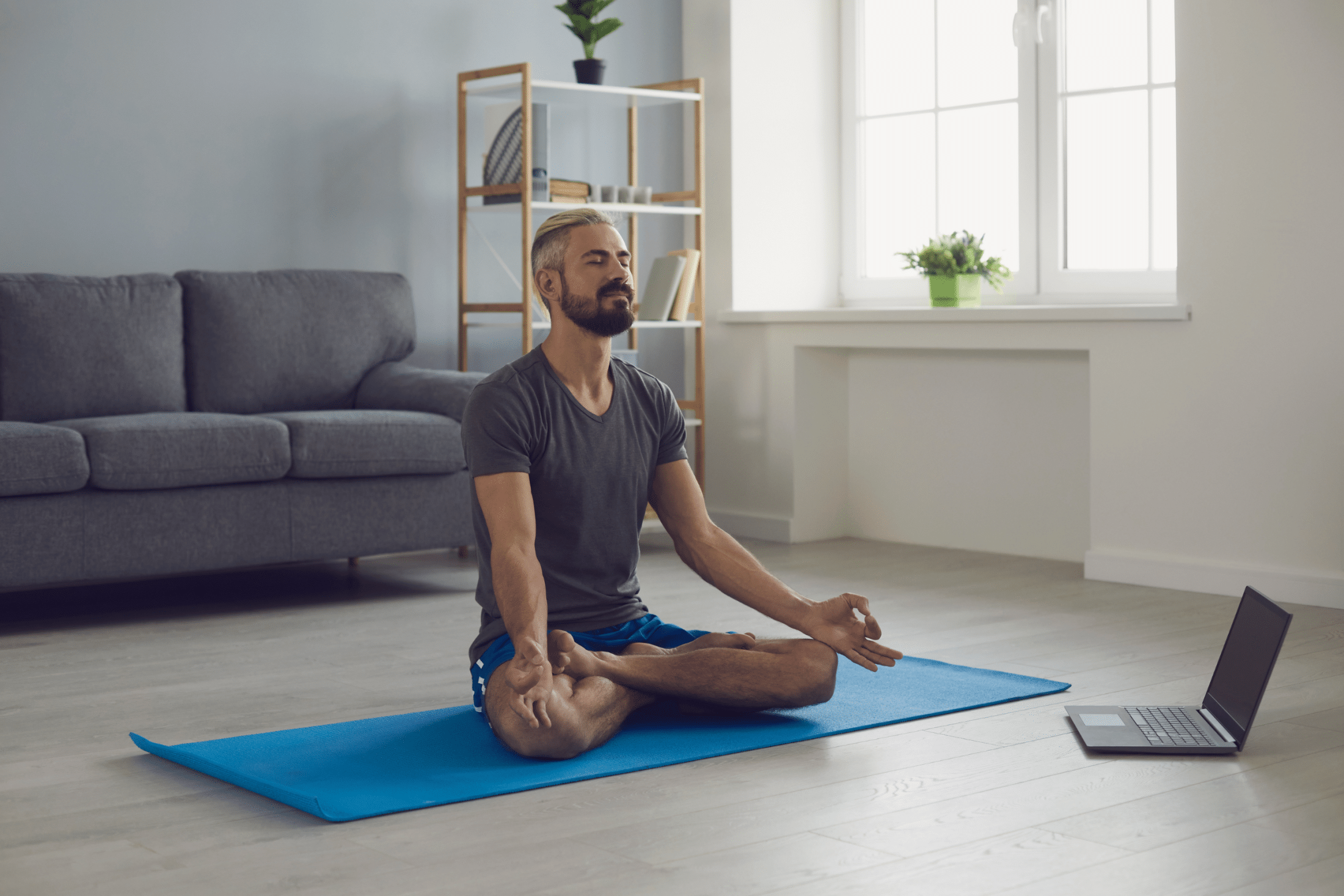
Practice Mindfulness Meditation

Being Patient
Click on the image to see a full infographic (opens in new tab)

In the fast-paced business world, patience and clarity are vital for effective leadership. Mindfulness meditation, a simple yet powerful practice, can help leaders cultivate these essential qualities. It involves paying full attention to the present moment without judgment. By focusing on their breath and observing their thoughts, leaders can train their minds to remain calm and centered, even under pressure.

How to Practice:

  1. Dedicate 10-15 minutes daily.
  2. Find a quiet space.
  3. Focus on your breath.
  4. Observe thoughts without judgment.

By integrating mindfulness meditation into their daily routines, leaders can build the patience needed to navigate complex situations with composure and clarity. This not only enhances personal well-being but also positively impacts team dynamics and organizational outcomes.

Practice Deep Breathing

Being Patient
Click on the image to see a full infographic (opens in new tab)

In high-pressure situations, leaders can utilize deep breathing exercises to regain composure and cultivate patience. This simple technique offers a quick and effective way to calm the mind and body.

How to Practice:

  1. Pause: Take a moment to focus on your breath.
  2. Inhale Deeply: Breathe in slowly through your nose, filling your abdomen.
  3. Hold: Hold your breath for a few seconds.
  4. Exhale Slowly: Release the breath slowly through your mouth.
  5. Repeat: 3-5 times or until you feel calmer.

By incorporating deep breathing exercises into their routine, leaders can manage stress more effectively, maintain a calm demeanor, and approach challenges with greater patience. This practice not only benefits their own well-being but also sets a positive example for their team, fostering a more composed and productive work environment.

Being Patient

Practice Active Listening

Being Patient
Click on the image to see a full infographic (opens in new tab)

In the fast-paced business world, patience and understanding are essential for effective leadership. Active listening, a simple yet powerful technique, can help leaders cultivate these essential qualities. It involves fully engaging with the speaker, understanding their message, and responding thoughtfully. 

How to Practice:

  1. Focus on the Speaker: Maintain eye contact and avoid distractions.
  2. Avoid Interrupting: Allow the speaker to finish their thoughts.
  3. Reflect and Clarify: Summarize what you heard and ask questions for clarification.
  4. Respond Thoughtfully: Take a moment to process information before responding.
  5. Show Empathy: Acknowledge the speaker’s feelings and viewpoints.

By practicing active listening, leaders can develop greater patience, improve relationships with team members, and make more informed decisions. This approach fosters a positive and productive work environment where everyone feels valued and heard.

Practice Visualization

Being Patient
Click on the image to see a full infographic (opens in new tab)

In the high-stakes world of leadership, unexpected challenges can arise at any moment. Visualization techniques offer a powerful tool for leaders to mentally prepare for these situations, cultivating patience and resilience.

It involves creating a mental picture of a desired outcome or scenario. 

How to Practice:

  1. Find a Quiet Spot: Choose a peaceful environment where you won’t be disturbed.
  2. Visualize Scenarios: Imagine yourself facing challenging situations that require patience.
  3. See Positive Outcomes: Picture yourself successfully navigating these scenarios with calmness and clarity.
  4. Focus on Details: Pay attention to your thoughts, emotions, and actions in these visualized scenarios.
  5. Practice Regularly: Incorporate visualization into your daily routine for maximum benefit.

By practicing visualization, leaders can mentally prepare for the unexpected, cultivate patience, and enhance their overall leadership effectiveness. This technique empowers leaders to approach challenges with confidence and composure, ultimately leading to better outcomes for themselves and their teams.

Being Patient

Set Realistic Expectations

Being Patient
Click on the image to see a full infographic (opens in new tab)

In the pursuit of ambitious goals, leaders often face pressure and unrealistic expectations. Setting realistic expectations for themselves and their teams is crucial for maintaining patience, reducing stress, and fostering a positive work environment.

Realistic expectations are achievable goals that align with available resources, time constraints, and potential obstacles. 

How to Set Realistic Expectations?

  1. Assess Goals: Evaluate your goals and timelines objectively, considering available resources and potential challenges.
  2. Communicate Clearly: Clearly communicate expectations and deadlines to your team, ensuring everyone is on the same page.
  3. Allow Flexibility: Be prepared to adjust deadlines and plans as needed to accommodate unforeseen circumstances.
  4. Celebrate Progress: Acknowledge and celebrate small wins along the way to maintain motivation and momentum.
  5. Review and Adjust: Regularly review goals and expectations, making adjustments as necessary to stay on track.

By setting realistic expectations, leaders can manage their own and their team’s workload more effectively, ensuring that everyone remains focused, motivated, and patient in pursuing their goals. This approach not only enhances individual well-being but also contributes to the overall success and stability of the organization.

Final Verdict

In the fast-paced world of leadership, patience is a virtue that can significantly impact decision-making, stress levels, and overall organizational success. Leaders who prioritize quick results often fall into the trap of hasty decisions, leading to negative consequences in the long run. 

However, by embracing mindfulness-based strategies such as meditation, deep breathing, active listening, visualization, and setting realistic expectations, leaders can cultivate patience and reap the rewards. These practices enable leaders to remain calm under pressure, make informed decisions, reduce stress, and foster a positive work environment. 

By consistently applying these techniques, leaders can transform their approach to challenges, leading to enhanced effectiveness and improved outcomes for both themselves and their organizations. 

Remember, patience is not just a virtue; it’s a leadership skill that can be learned and developed through mindful practices.

Show off your expertise! See how many quiz questions you can answer correctly.

0

Being Patient

Check if you know how you can get help from Patience. 

1 / 10

Why is patience important for leaders?

2 / 10

How does mindfulness meditation help leaders?

3 / 10

What is the first step in practicing deep breathing?

4 / 10

What should you do during active listening?

5 / 10

What is the benefit of visualization for leaders?

6 / 10

Why is it important to set realistic expectations?

7 / 10

What should leaders do to practice mindfulness meditation effectively?

8 / 10

What is the key aspect of active listening?

9 / 10

What should leaders visualize to improve patience?

10 / 10

How often should leaders review and adjust their expectations?

Your score is

The average score is 0%

0%

Self-Compassion: Your Unique Secret Weapon To Thrive Under Pressure

Do you set incredibly high standards for yourself, believing that’s the key to your success? While this drive can definitely lead to achievements, it also has downsides. The internal pressure of being a self-demanding perfectionist, combined with outside pressures, can eventually burn you out. 

Research shows that self-oriented, socially prescribed, and other-oriented perfectionism have all gone up in the last 27 years. But do you know according to Harvard Business Review being excessively hard on oneself to be a perfect one undermines motivation? It also decreases focus, and productivity, creating a cycle that is difficult to break.

Self-compassion might seem like a luxury, especially if you’re a perfectionist always striving for the best. But this could actually be your secret weapon that you can use as your power. Here you’ll find the techniques tailored for you to thrive under pressure while keeping your mental health and leadership strong.

The Hidden Cost of Perfection

Many successful people, especially leaders, hold themselves to sky-high standards. They strive for excellence in everything they do. While this ambition is admirable, it can also become a dangerous trap.

When you mix these unrealistic expectations with the daily stress of a demanding job, burnout often follows. You feel drained, cynical about your work, and doubt your own abilities.

But burnout isn’t the only problem. The constant pressure to be perfect can also kill your motivation. If you’re always reaching for impossible goals, you’re bound to fail sometimes. This can create a vicious cycle of self-doubt and `, leaving you feeling unmotivated and discouraged.

It’s hard to concentrate, make decisions, or get anything done efficiently. This is a big deal because, as a leader, your performance affects your entire team.

But you can break this cycle by being kind to yourself, accepting your flaws, and treating yourself with understanding. Self-compassion isn’t just about feeling good – it’s about unlocking your full potential as a leader. Continue reading to learn different self-compassion practices that will help you out.

self-compassion

Self-Compassion Strategies for Thriving Under Pressure

Here are five simple ways to be kind to yourself when things get tough.

Be Kind to Yourself

Self-Compassion
Click on the image to see a full infographic (opens in new tab)

Treat yourself like you would a friend. If you mess up, don’t be too hard on yourself. Instead of getting upset, try saying something like, “Everyone makes mistakes. I’m still learning.” This helps you stop being so critical of yourself and start being nicer to yourself.

How to Be Kind to Yourself?

  1. Listen to your thoughts. Pay attention to how you talk to yourself, especially when you make mistakes.
  2. Change negative thoughts. When you catch yourself being self-critical, think about what you’d say to a friend in the same situation. Replace negative thoughts with positive and supportive ones.
  3. Use encouraging words. Remind yourself of positive affirmations like “I am doing my best,” or “It’s okay to make mistakes.”
  4. Forgive yourself. Everyone makes mistakes. Don’t dwell on past errors; remind yourself that you are learning and growing.

By practicing self-kindness regularly, you can build a stronger, healthier relationship with yourself, which can lead to greater happiness and resilience in the face of life’s challenges.

Start Your Day with Kindness

Self-Compassion
Click on the image to see a full infographic (opens in new tab)

Begin your day with a short, calming routine. This could be a few minutes of easy stretches while repeating positive phrases like, “I am enough,” “I deserve kindness,” and “Today, I will be gentle with myself.” This helps you start your day feeling calm and positive.

Simple Steps to Try

  1. Make time. Set aside a few minutes each morning for your routine. Even 5 minutes can make a big difference.
  2. Find a calm space. Choose a quiet spot where you won’t be interrupted.
  3. Stretch gently. Do some easy stretches while focusing on your breathing and how your body feels.
  4. Repeat positive phrases. As you stretch, say kind things to yourself. Remember that you are worthy of love and kindness.
  5. Set good intentions. Take a moment to think about how you want to approach the day. Choose to be kind to yourself and others.

By starting your day with this kind of routine, you’ll feel more relaxed, positive, and ready to face whatever the day brings. Remember, taking care of yourself is important, and starting each day with kindness is a great way to do that.

Start a Kindness Journal – Your Safe Space

Self-Compassion
Click on the image to see a full infographic (opens in new tab)

Keep a journal where you write about times you felt like you messed up or faced difficulties. Look back on these moments with kindness and understanding. This helps you understand your feelings better and become more compassionate towards yourself.

How to Start?

  1. Choose a journal you like. It could be a notebook, an online journal, or an app on your phone.
  2. Make time to write regularly. It could be daily, weekly, or whenever you need it. The important thing is to make it a habit.
  3. Write about your challenges. When you face a setback or feel like you didn’t do well, write it down. Describe what happened, how you felt, and what you were thinking.
  4. Be kind to yourself. After writing about the challenge, look back on it with compassion. Ask yourself what you would say to a friend in the same situation. Accept your feelings without judgment and offer yourself words of kindness and support.
  5. Change negative thoughts into positive ones. If you wrote something like, “I’m a failure,” try changing it to, “I didn’t succeed this time, but I’m learning and getting stronger.”

By keeping a journal and practicing self-compassion, you’ll create a safe space for yourself to process emotions and build a kinder, more supportive relationship with yourself. This can lead to greater resilience and happiness in the face of life’s challenges.

Take Short Kindness Breaks

Self-Compassion
Click on the image to see a full infographic (opens in new tab)

Schedule short breaks throughout your day to practice self-compassion. During these breaks, acknowledge any stress or discomfort you’re feeling, remind yourself that everyone goes through difficult times, and offer yourself kind words of support. This helps you manage stress and feel better emotionally.

How to Take a Kindness Break?

  1. Schedule breaks. Plan short breaks throughout your day, about every 60-90 minutes.
  2. Find a calm space. Choose a quiet spot where you can relax without distractions.
  3. Breathe deeply. Take a few deep breaths to help you calm down and center yourself.
  4. Acknowledge your feelings. Pay attention to any stress or discomfort you’re feeling. Don’t judge yourself; just notice what’s going on inside.
  5. Remind yourself that you’re not alone. Everyone experiences tough times.
  6. Offer yourself kind words. Say positive things to yourself like, “I’m doing the best I can,” or “I deserve to take a break.”
  7. Relax and recharge. Enjoy your break and allow yourself to rest and recharge.

By taking short kindness breaks throughout your day, you can better manage stress, maintain emotional balance, and ultimately be more productive and happy. Remember, being kind to yourself is just as important as being kind to others.

Write a Letter to Yourself

Self-Compassion
Click on the image to see a full infographic (opens in new tab)

Write a letter to yourself as if you were writing to a close friend facing the same problems you are. Share words of encouragement, understanding, and compassion. This simple act can change how you see your situation and make you feel more compassionate towards yourself.

How to Write a Self-Compassionate Letter?

  1. Find a quiet place. Choose a peaceful spot where you won’t be interrupted.
  2. Identify your challenges. What are you struggling with? Be honest and specific about the difficulties you’re facing.
  3. Write as if to a friend. Imagine you’re writing to someone you care deeply about who is going through the same thing. Use kind and understanding words.
  4. Offer encouragement and support. Let yourself know it’s okay to feel the way you do. Remind yourself of your strengths and past successes. For example, you could write, “I know you’re feeling overwhelmed, but remember, you’ve handled tough situations before. You’re strong and capable.”
  5. End on a positive note. Finish your letter with a message of hope and encouragement. Remind yourself that you are worthy of love and kindness, especially from yourself.

By writing yourself a letter full of compassion and encouragement, you’ll create a powerful tool for self-care and emotional healing. Try this exercise regularly and see how it can improve your relationship with yourself and help you navigate life’s challenges with greater ease.

Final Thoughts

The relentless pursuit of perfection and the pressure to succeed can take a significant toll on executives. However, by embracing self-compassion, you can cultivate a healthier relationship with yourself, leading to increased resilience, improved mental well-being, and ultimately, greater success.

The journey towards self-compassion may not always be easy, but it is undoubtedly worthwhile. By incorporating the practices outlined in this article, you can transform your approach to leadership and life in general. Remember, self-compassion is not a sign of weakness but rather a powerful tool for personal and professional growth.

So, start small, be patient with yourself, and embrace the transformative power of self-compassion. You may be surprised at how much it can positively impact your life, both inside and outside the boardroom. After all, a compassionate leader is not only more effective but also happier and more fulfilled.

Curious about your comprehension? This quiz will reveal your understanding.

0

Self-Compassion

Check if you know the power of it. 

1 / 10

What is the main purpose of a gratitude journal?

2 / 10

How does reflecting on past gratitude journal entries help?

3 / 10

What should you do if you feel particularly stressed?

4 / 10

How can specific prompts enhance your gratitude journaling?

5 / 10

What are some good times to practice a gratitude ritual?

6 / 10

How can you create a gratitude ritual?

7 / 10

Why is reflecting on small wins beneficial in gratitude journaling?

8 / 10

What is a "Three-Minute Miracle" in gratitude journaling?

9 / 10

What percentage of executives are reported to experience work anxiety?

10 / 10

What is one of the most significant benefits of expressing gratitude?

Your score is

The average score is 0%

0%

Quick Morning Meditations To Energize Your Day Right

Do you wake up feeling exhausted and overwhelmed by the day’s challenges? Busy executives often find mornings to be a hectic rush, with back-to-back meetings, overflowing inboxes, and urgent matters to handle. This chaotic start can leave you feeling overwhelmed and stressed, affecting your productivity and mood for the rest of the day. According to a study, more than 300 successful people had one thing in common: they all valued having a flexible morning routine.

What could be easier to add to our busy routines than morning meditation to start the day with the right energy? It is a simple yet powerful way to transform your hectic mornings into calm and productive ones. By centering your mind and boosting your energy, you set a positive tone for the whole day. Ready to get started? Let’s get going to kickstart your day with the right energy and focus.

Why a Good Morning Routine Matters (Especially for Executives)

Not having a solid morning routine can seriously mess with your work and personal life. Here’s how:

  • More Stress: Rushing into your day makes you feel stressed all day long. Jumping straight into meetings or emails is overwhelming, and you may find it hard to stay calm and focused.
  • Less Productive: A chaotic morning makes it tough to get things done. You might not know where to start or what’s most important, which wastes time and can make you miss opportunities.
  • Burnout Risk: Always starting your day under pressure leads to exhaustion and burnout. This affects not only your work but also your happiness and health.
  • Mood Swings: When you don’t have a calm start, it’s harder to handle your emotions. You might overreact to stressful things, making things worse for everyone.
  • Bad Decisions: Rushing means you’re more likely to make quick, bad choices. Taking a few minutes to clear your head in the morning can help you think more clearly and make better decisions all day.

Skipping a morning routine can make you stressed, less productive, and even burn you out. A good routine, even with just a few minutes of mindful activities, can make a big difference in your work and personal life.

morning meditation

Quick Morning Meditation for a Boost of Energy

Mindful Breathing (5 Minutes)

morning meditation
Click on the image to see a full infographic (opens in new tab)

Why it Works: This simple practice calms you down, clears your head, and gives you more energy. It helps your body relax and get ready for the day. When you focus on your breath, you forget about the morning rush and feel more present. This lowers stress hormones and helps you start the day with a clear, focused mind.

How to Do It:

  1. Get comfy: Sit in a chair or on a cushion with a straight back. You can also lie down if that’s better.
  2. Close your eyes: This helps you focus on your breathing.
  3. Breathe deep: Inhale slowly through your nose, letting your belly expand. Exhale slowly through your mouth, letting your belly fall. Pay attention to how it feels as the air goes in and out.
  4. Stay focused: If your mind starts to wander, gently bring it back to your breath.
  5. Keep going for 5 minutes: Set a timer so you don’t have to think about it.

Just five minutes of this each morning can make you less stressed, more focused, and ready to take on your day!

Visualization (5 Minutes)

morning meditation
Click on the image to see a full infographic (opens in new tab)

Why it Works: Picturing your day going well helps you feel more confident and focused. It’s like a mental practice run, making you feel more prepared and less anxious. This mental rehearsal helps you feel more ready to tackle anything that comes your way.

How to Do It:

  1. Get comfy: Sit in a quiet place where you won’t be interrupted.
  2. Close your eyes and breathe: Take a few deep breaths to relax.
  3. Visualize your day:
    • Imagine yourself waking up feeling refreshed and ready to go.
    • See yourself easily completing your morning routine.
    • Picture yourself arriving at work or starting your tasks with confidence.
    • Imagine any challenges you might face and see yourself successfully handling them.
    • Picture positive interactions with the people you’ll see today.
    • Finally, imagine yourself ending the day feeling accomplished and happy.
  4. Feel the confidence: Spend a few moments really feeling those positive emotions. Notice how much more confident and ready you feel.
  5. Finish with deep breaths: Take a few more deep breaths and let that feeling of confidence fill you up. Open your eyes and carry that feeling with you into your day.

Just five minutes of this can make a big difference in how you approach your day. It can help you feel more confident, focused, and ready to succeed!

morning meditation

Gratitude Meditation (4 Minutes)

morning meditation
Click on the image to see a full infographic (opens in new tab)

Why it Works: Thinking about the things you’re grateful for is a mood booster. It makes you happier and more positive, giving you more energy and motivation to face the day. This positive energy also helps you handle stress better and see the good in things.

How to Do It:

  1. Get comfy: Sit in a chair or on a cushion with a straight back.
  2. Close your eyes and breathe: Take a few deep breaths to relax.
  3. Focus on gratitude:
    • Think of one thing you’re grateful for. It can be big or small, like a friend, a pet, your health, or a sunny day.
    • Picture it clearly in your mind. Think about why you’re grateful for it and how it makes your life better.
    • Repeat this with two more things you’re grateful for.
  4. Feel the gratitude: Spend a moment soaking in those feelings of gratitude. Notice how it makes you feel more positive and energized.
  5. Finish with deep breaths: Take a few more deep breaths and carry that good feeling with you into your day.

Just four minutes of this can put you in a better mood and make you feel more ready for whatever the day brings!

Body Scan (3 Minutes)

morning meditation
Click on the image to see a full infographic (opens in new tab)

Why it Works: A quick scan of your body helps you relax and feel more grounded. It gets rid of tension that builds up overnight or from worrying about the day ahead. This helps you feel less stressed and more energetic.

How to Do It:

  1. Get comfy: Sit or lie down in a way that feels good and allows you to stay still.
  2. Close your eyes and breathe: Take a few deep breaths to help you focus and relax.
  3. Start with your toes: Pay attention to how your toes feel. Are they warm, cold, tense, or relaxed? Breathe into them and let them relax.
  4. Move up your body: Slowly bring your attention to each part of your body, one at a time:
    • Feet
    • Ankles and calves
    • Knees and thighs
    • Hips and lower back
    • Belly and chest
    • Shoulders and arms
    • Neck and head
  5. Let go of tension: As you focus on each body part, notice any tightness or tension. Breathe into it and try to let it go.
  6. Scan back down (optional): If you have time, start at your head and move your attention back down to your toes, relaxing each part again.
  7. Finish with deep breaths: Take a few more deep breaths and feel how relaxed your whole body is.

Just three minutes of this can help you start your day feeling calm, refreshed, and ready to go!

morning meditation

Affirmations (2 Minutes)

morning meditation
Click on the image to see a full infographic (opens in new tab)

Why it Works: Saying positive things to yourself can make a big difference in how you feel. It trains your brain to think more positively, which can make you more confident, focused, and ready to tackle the day. It’s like giving yourself a pep talk every morning!

How to Do It:

  1. Get comfy: Sit somewhere quiet where you won’t be disturbed.
  2. Close your eyes and breathe: Take a few deep breaths to relax.
  3. Choose your affirmations: Pick a few positive statements that mean something to you. Here are some ideas:
    • “I am focused and energized.”
    • “I handle challenges with grace.”
    • “Today will be productive and successful.”
    • “I am confident in my abilities.”
    • “I bring positivity and energy to my work.”
  4. Repeat the affirmations: Close your eyes and say each one slowly and clearly. Really think about what the words mean and imagine yourself feeling that way.
  5. Feel the positive energy: As you repeat the affirmations, try to feel those good emotions. Imagine yourself feeling focused, energized, and confident.
  6. Finish with deep breaths: Take a few more deep breaths and open your eyes. You should feel refreshed and ready to start your day with a positive attitude.

Just two minutes of this can make a big difference in how you feel and perform throughout the day. Give it a try and see how it works for you!

Final Thoughts

Quick morning meditations can be a game-changer, transforming chaotic mornings into calm and focused ones. Whether you choose mindful breathing to reduce stress, a body scan to release tension, gratitude meditation to boost happiness, visualization to build confidence, or affirmations to set a positive tone, these practices offer powerful benefits in just a few minutes.

By incorporating them into your daily routine, you can improve your mental clarity, emotional well-being, and overall productivity. Start small, be consistent, and watch as these simple yet effective meditations make a positive impact on your mornings, leading to a more fulfilling and successful life.

Let’s see if you were paying attention! Take this quiz to find out.

0

Morning Meditations

Test if you know how morning meditation helps you energize your day.

1 / 10

How can you enhance the calming effect of a quick gratitude list?

2 / 10

What is the key benefit of repeating positive affirmations each morning?

3 / 10

What should you do at the end of a gratitude meditation?

4 / 10

What should you do if your mind starts to wander during mindful breathing?

5 / 10

How long should you spend on affirmations each morning?

6 / 10

What is the purpose of a body scan meditation?

7 / 10

How many things should you think about during a gratitude meditation?

8 / 10

What is the main benefit of visualization in your morning routine?

9 / 10

How long should you spend on mindful breathing each morning?

10 / 10

Why is having a good morning routine important for executives?

Your score is

The average score is 0%

0%

“How To Use Gratitude Journaling For Immediate Stress Release”

You have probably heard that expressing gratitude has many positive effects, haven’t you? One of the most significant benefits is stress reduction, as confirmed by scientific research. However, in your busy and stressful business life, with numerous priorities and short-term goals, there is hardly any space for something else. 

But what if I told you that many executives express gratitude effectively to combat their daily stress? Did I get your attention? One of the best ways to express gratitude is through gratitude journaling, which is the strategy I will present to you in this post.

The Hidden Risks of Neglecting Gratitude

In the relentless pursuit of success, many overlook a simple yet powerful tool: gratitude. The absence of gratitude, especially in high-stress environments, can lead to a cascade of problems particularly stress that affect every aspect of well-being.

Chronic stress, exacerbated by a lack of gratitude, impairs cognitive function. Executives may struggle with memory lapses, difficulty concentrating, and slower decision-making. This “brain fog” can be costly, leading to errors, missed opportunities, and reduced productivity.

Gratitude isn’t just about saying “thank you.” It’s a mindset that promotes positive emotions and combats anxiety and depression. So its very important to find time to perform this simple yet powerful practice. Here are some tips that will help you to use gratitude journaling for immediate stress relief. 

Gratitude Journaling

Tips To Use Gratitude Journaling For Immediate Stress Release

Make a Quick Gratitude List

Gratitude Journaling
Click on the image to see a full infographic (opens in new tab)

No time for lengthy journaling? No problem. A quick gratitude list can work wonders for your well-being. Here’s how:

  1. The Three-Minute Miracle: Take just 3 minutes each day to write down 3 things you’re grateful for. Do it first thing in the morning, during lunch, or before bed—whatever works best for you.
  2. Go Deeper: For each item, spend a minute reflecting on why you’re grateful. This mindful pause amplifies the positive emotions and strengthens the stress-relieving effects.
  3. Instant Relief: By consciously focusing on the positive, you’ll feel an immediate shift in your mood. Research shows that even brief moments of gratitude can reduce stress hormones and promote a sense of calm.

This simple practice is like a daily dose of emotional vitamins, building resilience against stress over time. Start today and experience the transformative power of gratitude!

Reflect on Small Wins

Gratitude Journaling
Click on the image to see a full infographic (opens in new tab)

Beyond just a list, gratitude journaling can be a celebration of your accomplishments, no matter how small. Here’s how to turn your small wins into major stress relief:

  1. Victory Log: In your journal, jot down recent successes or positive moments. Did you close a deal? Ace a presentation? Even a kind word from a colleague counts!
  2. Breathe Deep: As you write, practice mindful breathing. Slow, deep breaths enhance the calming effect and help you savor the positive emotions.
  3. Build Your Resilience: Focusing on your accomplishments shifts your perspective from what’s stressing you out to what’s going right. This builds a buffer against stress, boosting your happiness and making challenges feel more manageable.

This practice isn’t about bragging; it’s about recognizing your progress and acknowledging the positive impact you’re having. It’s a powerful way to cultivate gratitude, boost confidence, and reduce stress, all while celebrating your achievements.

Gratitude Journaling

Create a Gratitude Ritual

Gratitude Journaling
Click on the image to see a full infographic (opens in new tab)

Make gratitude a non-negotiable part of your day with a simple ritual. Here’s how to make it a habit:

  1. Carve Out 5 Minutes: Set aside 5 minutes each morning or evening for dedicated gratitude journaling. This consistency is crucial for building the habit and reaping the rewards.
  2. Choose Your Time: Morning gratitude can set a positive tone for the day, while evening reflection can help you unwind and appreciate the day’s blessings.
  3. Find Your Zen: Create a calming environment for your ritual. This could involve lighting a candle, playing soft music, or simply finding a quiet space.

This daily ritual becomes a reliable source of comfort and stress relief. It’s your moment to pause, reflect, and acknowledge the good in your life. Research confirms that regular gratitude practice leads to improved mental health, reduced stress, and a greater sense of overall well-being.

Make this simple ritual a cornerstone of your self-care routine. It’s a small investment of time that yields significant returns for your health, happiness, and success.

Use Specific Prompts

Gratitude Journaling
Click on the image to see a full infographic (opens in new tab)

Take your gratitude journaling to the next level with targeted prompts. Here’s how to unlock even more benefits:

  1. Choose Your Prompts: Select questions that resonate with your life. Some examples include:
    • “What made me smile today?”
    • “Who am I grateful for and why?”
    • “What small victory did I achieve?”
    • “What lesson did I learn today that I’m grateful for?”
  2. Write Mindfully: Slow down and savor each response. Reflect on the details of your experience and let the positive emotions wash over you.
  3. Deeper Dive into Gratitude: Prompts guide you beyond a simple list, encouraging you to explore the nuances of your feelings and the specific reasons for your thankfulness. This deepens the emotional impact and enhances stress relief.

This mindful approach to gratitude can significantly reduce stress, improve mood, and boost overall well-being. It’s a simple way to train your brain to focus on the positive and build resilience against daily challenges. So grab your journal and let the prompts lead you to a more grateful, peaceful state of mind.

Reflect on Past Entries

Gratitude Journaling
Click on the image to see a full infographic (opens in new tab)

When feeling particularly stressed, taking a moment to read through past journal entries can be incredibly soothing. When stress hits hard, your gratitude journal can be a lifeline. Here’s how to tap into its full potential:

  1. Time Travel: Set aside a few minutes to reread old entries in your gratitude journal. Relive those moments of joy, appreciation, and accomplishment.
  2. Breathe and Absorb: As you read, focus on your breath. Let the positive memories and emotions wash over you, allowing them to replace feelings of stress.
  3. Reap the Rewards: This simple act of revisiting past gratitude can be incredibly soothing. It reinforces positive emotions, reminds you of your resilience, and offers a powerful antidote to stress.

Reflecting positive experiences can significantly boost happiness and reduce stress. Your journal becomes a treasure trove of good feelings, ready to be accessed whenever you need a lift. Make it a habit to reflect on your gratitude vault regularly, and you’ll strengthen your ability to weather life’s storms with grace and optimism.

Gratitude Journaling

Final Thoughts

In the high-pressure world of executives, stress is an ever-present threat to health, happiness, and productivity. But as we’ve explored, the solution lies within reach: gratitude journaling.

This simple practice is more than a feel-good exercise; it’s a powerful antidote to the detrimental effects of chronic stress. By shifting your focus from worries to wins, gratitude can boost mental clarity, enhance decision-making, and even protect against stress-related illnesses.

Don’t underestimate the impact of a few minutes of gratitude each day. It’s a small investment with a big payoff, leading to a more resilient, positive, and ultimately, successful life. Start your gratitude journey today. Experience the transformative power of appreciation and unlock a happier, healthier, and more fulfilling future.

Let’s play a game of knowledge! Take this quiz to test your expertise.

0

Gratitude Journaling

Check if you know how to use gratitude journaling for immediate stress release.

1 / 10

How long should you spend each day writing a quick gratitude list?

2 / 10

What should you do for each item on your quick gratitude list?

3 / 10

What is the purpose of creating a gratitude ritual?

4 / 10

How can reflecting on small wins help with stress relief?

5 / 10

What is a good time to set aside for gratitude journaling?

6 / 10

Why is it helpful to use specific prompts in your gratitude journaling?

7 / 10

What should you do if you feel particularly stressed?

8 / 10

What is the benefit of reflecting on past entries in your gratitude journal?

9 / 10

What is one simple way to incorporate gratitude into a busy schedule?

10 / 10

Why is creating a calming environment important for your gratitude ritual?

Your score is

The average score is 0%

0%

Harnessing Mindfulness for Better Self-Control in Executives

Did you ever feel like snapping in the middle of an important meeting, because you don’t like your opponent’s views? You know, when you completely disagree with the other person, but losing your temper could cost you a major deal? Great leaders are known for staying calm under pressure, but in such a highly stressful environment, self-control can feel impossible.

As an executive, self-control is your superpower. You juggle different personalities and emotions every day. Research shows that self-control is key to effective leadership. But how do you master it? Mindfulness practices, when incorporated into your daily routine, can drastically improve your ability to stay calm and focused. Let’s see how mindfulness can help you level up your self-control game.

The Downside of Losing Control

Without self-control, executives can:

  • Make rash decisions: Impulsive choices lead to mistakes that can hurt the entire company.
  • Damage relationships: Emotional outbursts erode trust and create a toxic workplace.
  • Become less productive: It’s hard to focus and get things done when you can’t manage stress.
  • Harm their health: Chronic stress can lead to serious health problems like heart disease and depression.
  • Feel burned out: Overwhelmed and unhappy executives can’t inspire their teams.
Mindfulness for Better Self-Control

Harnessing Mindfulness for Better Self-Control 

Mindfulness is a simple but powerful way for executives to regain control, let find out how.

Mindful Breathing

Mindfulness for Better Self-Control
Click on the image to see a full infographic (opens in new tab)

Mindful breathing exercises are a quick and easy way for busy executives to take charge of their emotions and improve decision-making. The 4-7-8 breathing method is a great place to start.

How to Practice 4-7-8 Breathing:

  1. Inhale: Sit up straight, close your eyes, and breathe in slowly through your nose for a count of four.
  2. Hold: Keep your breath in for a count of seven.
  3. Exhale: Breathe out completely through your mouth with a “whoosh” sound for a count of eight.
  4. Repeat: Do this cycle 3-4 times or until you feel calm.

Why it Works:

  • Stress Relief: Slowing your breathing triggers your body’s relaxation response, lowering stress hormones and promoting calm.
  • Emotional Control: Regular practice helps you to regain control and respond more thoughtfully rather than react impulsively​.
  • Clear Thinking: A calm mind leads to better decision-making, especially under pressure.

Mindful Meditation

Mindfulness for Better Self-Control
Click on the image to see a full infographic (opens in new tab)

It is one of the most powerful mindfulness for better self-control in executives and mastering their emotions. By setting aside time for daily meditation, executives can train their minds to stay present and observe their thoughts and feelings without judgment.

How to Meditate Mindfully:

  1. Find a Quiet Space: Choose a peaceful spot where you won’t be interrupted. Sit comfortably with good posture.
  2. Focus on Your Breath: Close your eyes and pay attention to the sensation of your breath as it flows in and out.
  3. Observe Without Judgment: Thoughts and emotions will naturally arise. Notice them without trying to control or suppress them, and gently bring your focus back to your breath.
  4. Set a Timer: Start with a few minutes and gradually increase the time as you get more comfortable with the practice.

Why it Works:

  • Strengthens the Brain: Regular meditation enhances the prefrontal cortex activity, the part of the brain responsible for self-control, decision-making, and impulse regulation.
  • Sharpens Focus: Meditation improves your ability to concentrate and stay present, leading to better focus and clearer thinking even under stress.
  • Emotional Mastery: By observing emotions without judgment, you gain insight into your emotional patterns and learn to respond more calmly and thoughtfully.
Mindfulness for Better Self-Control

Reflective Journaling

Mindfulness for Better Self-Control
Click on the image to see a full infographic (opens in new tab)

Reflective journaling is a mindfulness for better self-control that allows executives to explore their inner world, gain valuable self-awareness, and better manage their emotions. By setting aside time each day to write down their experiences, thoughts, and feelings, executives can unlock powerful insights into their own behavior and decision-making processes.

How to Start a Reflective Journal:

  1. Make Time: Choose a consistent time each day, like before bed or first thing in the morning, to write in your journal.
  2. Find a Quiet Place: Create a comfortable and distraction-free space where you can focus on your writing.
  3. Write Freely: Don’t worry about grammar or structure. Just write down whatever is on your mind – your experiences, thoughts, and emotions.
  4. Look for Patterns: Review your journal entries periodically to identify recurring themes, stressors, and emotional triggers. Reflect on how these patterns impact your behavior and decisions.

Why It Works:

  • Metacognition: Journaling encourages you to think about your own thinking, helping you become more aware of your cognitive and emotional processes.
  • Trigger Identification: Regular journaling helps you pinpoint the specific events or situations that lead to stress and impulsive behavior.
  • Improved Emotional Regulation: Writing about your emotions helps you process and understand them better, leading to improved emotional control and more thoughtful responses to challenges.

Mindful Breaks

Mindfulness for Better Self-Control
Click on the image to see a full infographic (opens in new tab)

Taking short, mindful breaks throughout the workday is a simple yet powerful way for executives to recharge, reduce stress, and maintain peak performance. These breaks give your brain a chance to rest and reset, preventing burnout and improving your overall self-control.

How to Take a Mindful Break:

  • Schedule it: Set aside 5-10 minutes every hour for a break.
  • Stretch: Stand up and do some gentle stretches to release tension and improve blood flow.
  • Take a Walk: Get outside for a few minutes if possible. A change of scenery can do wonders for your mood and focus.
  • Breathe Deep: Practice a few deep breathing exercises to calm your mind and reduce stress.

Why it works?

  • Combat Mental Fatigue: Constant work can lead to mental exhaustion, making it hard to focus and gain self-control. Breaks help refresh your mind.
  • Maintain Focus: Regular breaks help you stay alert and engaged, preventing the mid-afternoon slump.
  • Enhance Self-Control: Mindful breaks help you manage stress and emotions, making it easier to stay calm and in control, even under pressure.
Mindfulness for Better Self-Control

Cultivating Gratitude

Mindfulness for Better Self-Control
Click on the image to see a full infographic (opens in new tab)

Practicing gratitude is a simple yet transformative way of mindfulness for better self-control for executives to boost their overall well-being and gain a greater sense of control over their emotions. By actively appreciating the positive aspects of life, executives can cultivate a more optimistic outlook, reduce stress, and enhance their emotional resilience.

Ways to Practice Gratitude:

  • Gratitude Journaling: Begin each day by writing down three things you’re grateful for. It could be anything from a supportive colleague to a delicious cup of coffee.
  • Expressing Gratitude to Others: Make a habit of thanking your colleagues and team members for their contributions. A little appreciation goes a long way in building strong relationships.
  • Gratitude Meditation: During your meditation practice, focus on the things you’re grateful for, allowing the positive emotions to wash over you.

Why it Works:

  • Positive Emotions: Gratitude practices have been shown to increase feelings of joy, enthusiasm, and optimism, which can help counterbalance stress and negativity leading to more self-control.
  • Reduced Stress: Gratitude can lower cortisol, the stress hormone, leading to greater relaxation and emotional stability.
  • Proactive Mindset: Focusing on the positive aspects of life can shift your mindset towards proactive problem-solving and decision-making, reducing impulsive reactions to stressful situations and better self-control.

Final Thoughts

Integrating mindfulness practices into the daily routines of executives can significantly enhance their self-control, leading to both personal and professional benefits. All the Techniques discussed above empower executives with greater self-awareness, emotional regulation, and stress management skills. 

These practices promote a positive outlook, reduce stress, and enhance emotional balance, ultimately leading to improved self-control, and overall well-being. The benefits extend to leadership effectiveness as well, resulting in more thoughtful decision-making, stronger relationships with colleagues, and a more supportive work environment. 

The key to maximizing these benefits lies in consistent practice. By prioritizing mindfulness, executives can not only improve their own well-being but also create a positive ripple effect throughout their organization, fostering a more productive, supportive, and thriving workplace.

Ready to see what you’ve learned? Take this quiz to find out!

0

Mindfulness for Better Self-Control

Test if you know how mindfulness practices can enhance self-control.

1 / 10

What does the 4-7-8 breathing method involve?

2 / 10

How does mindful meditation help executives?

3 / 10

What is one purpose of reflective journaling for executives?

4 / 10

How can reflective journaling improve emotional regulation?

5 / 10

Why are mindful breaks important during the workday?

6 / 10

What can you do during a mindful break to refresh your mind?

7 / 10

How does practicing gratitude benefit executives?

8 / 10

Which of the following is a way to practice gratitude?

9 / 10

Which of the following is a benefit of mindfulness meditation?

10 / 10

What should executives focus on during mindful meditation?

Your score is

The average score is 0%

0%

How Useful RAIN Mindfulness is to Manage Anxiety in High-Pressure Roles

There are a lot of strange feelings that you may experience before a big work moment. Your stomach is flipping, your heart is going thump-thump, and your brain is stuck on “what-ifs.” This anxiety can mess with your focus in the meeting and make it tough to chill afterward.

Data shows that work anxiety is a significant issue, with almost 4 out of 10 workers experiencing it at some point. While anxiety isn’t entirely useless—it can help you brainstorm solutions to tough problems—learning to manage it is crucial. Turning this powerful enemy into a partner can be transformative.

Practicing techniques like mindfulness can help manage anxiety, but making anxiety your strength is a different challenge. RAIN Mindfulness offers a toolbox with four basic parts that you can use to manage anxiety in high-pressure roles. 

The Importance of Addressing Anxiety

Feeling stressed and on edge at work is anxiety, that can become a major roadblock to your success and well-being. Anxiety can leave you so drained you can’t think clearly, leading to mistakes and bad decisions that hurt both you and your company. It can also make it tough to get along with colleagues, creating a tense work environment. On top of that, all that worry can even make you physically sick! It can lead to conditions such as high blood pressure, heart disease, and a weakened immune system. 

Ignoring anxiety is like letting a noisy intern run wild in the office – it only creates chaos. 

So addressing and managing anxiety is very important to succeed. With RAIN mindfulness you can easily control your anxiety, let’s see how. 

Rain mindfulness

Implement RAIN Mindfulness to Manage Anxiety

Here’s a powerful approach using RAIN mindfulness to manage anxiety in high-pressure roles.

1. Recognize: Identify Your Anxiety Triggers

Rain mindfulness
Click on the image to see a full infographic (opens in new tab)

The first step in RAIN is recognizing when you’re feeling anxious. This means becoming aware of your physical sensations, thoughts, and emotions as they happen. Recognizing anxiety early is crucial because it allows you to address it before it takes over.

In high-pressure situations, anxiety can show up in many ways, like a racing heart, shallow breathing, or a general sense of dread. By tuning into these signals, you can catch anxiety early and prevent it from spiraling.

For Example: Imagine preparing for a big meeting. You might notice physical signs like tense shoulders, a stomachache, or a fast heartbeat. Mentally, you might have anxious thoughts about the outcome, worry about how others will perceive you, or fear making a mistake.

By recognizing these signs, you take the first crucial step toward managing your anxiety. Simply acknowledging that you’re feeling anxious, without judgment, creates space to address it constructively. It’s not about suppressing or ignoring your anxiety, but about becoming aware of it so you can take action. This awareness allows you to move on to the next steps in RAIN, ultimately helping you manage your anxiety and perform better in high-pressure situations.

2. Allow: Accept Your Emotions Without Judgment

Rain mindfulness
Click on the image to see a full infographic (opens in new tab)

The second step, Allow, involves accepting your emotions without trying to fight them. This might sound counterintuitive, but it’s a powerful technique for managing anxiety. When you resist your emotions, you often amplify them, creating a cycle of increased stress.

For Example: Imagine a particularly stressful day with an upcoming presentation. Instead of criticizing yourself for feeling anxious, simply acknowledge it: “I am feeling anxious right now, and that’s okay.” This acceptance can be incredibly liberating. It removes the additional burden of self-judgment and allows you to focus on the present moment.

Allowing your emotions doesn’t mean giving in to them. It means acknowledging their presence and treating yourself with compassion. This acceptance fosters a more grounded and resilient mental state, making it easier to navigate high-pressure situations. By practicing acceptance regularly, you can develop a healthier relationship with your emotions, leading to improved mental well-being and better performance at work.

Rain mindfulness

3. Investigate: Explore Your Feelings with Kindness

Rain mindfulness
Click on the image to see a full infographic (opens in new tab)

The third step, Investigate, involves gently exploring the roots of your anxiety. Instead of reacting with frustration or avoidance, approach your anxious feelings with curiosity. This helps you uncover the underlying beliefs, fears, and thoughts that contribute to your anxiety.

For Example: During a stressful moment, take a beat and ask yourself questions like, “What am I truly afraid of?” or “How is this anxiety affecting my thoughts and behavior?” By doing this, you can gain insights into the specific triggers and patterns that exacerbate your anxiety.

Pay attention to how your anxiety manifests physically. You might notice a tightness in your chest, a churning in your stomach, or a persistent headache. Understanding these physical manifestations can provide valuable clues about the intensity and impact of your anxiety.

4. Nurture: Soothe Yourself with Compassion

Rain mindfulness
Click on the image to see a full infographic (opens in new tab)

The final step in RAIN is Nurture. This involves offering yourself the same kindness and understanding that you would extend to a close friend in distress. Nurturing yourself can help alleviate anxiety and foster a sense of safety and well-being.

For Example: Take a few deep breaths to calm your nervous system in stressful situations. Step outside for a short walk to clear your head. Replace negative self-talk with affirmations like “I am capable” or “I can handle this.” Do something you enjoy, like reading or taking a bath, to recharge. Finally, reach out to a supportive person to talk things through. 

When anxiety arises, it’s important to respond with self-compassion. This means acknowledging your struggle and treating yourself with care. By doing so, you can create a supportive inner environment where healing and growth can occur.

Rain mindfulness

Integrate RAIN into Your Daily Routine

To get the most out of it, make it a regular part of your life. Here’s how:

1. Choose a Time: Set aside a specific time each day to practice RAIN. This could be in the morning to start your day calmly or in the evening to relax after work.

2. Use it When Stressed: Before a big meeting or challenging situation, take a few minutes to do the RAIN practice. It can help you stay calm and focused.

3. Take Short RAIN Breaks: During your workday, take short breaks to practice RAIN. Even a few minutes can help you reset and manage stress.

4. Think About How it Helped: At the end of the day, think about how you used RAIN and what you learned. This will help you understand your emotions better.

5. Be Kind to Yourself: Some days will be easier than others. If you miss a practice or have trouble focusing, be kind to yourself. The goal is to make progress, not be perfect.

By making RAIN a habit, you’ll be better equipped to handle anxiety and stress, both at work and in your personal life.

Final Verdict

Using RAIN can help you understand your emotions better, feel less anxious, be kinder to yourself, and handle stress better. If you want to feel less stressed and more in control, try adding RAIN to your daily routine. Even a few minutes of practice can make a big difference in how you handle the challenges of a demanding job.

By making RAIN mindfulness a regular part of your life, you can not only manage anxiety more effectively but also enhance your leadership abilities and overall well-being in any high-pressure role. 

Ready to give RAIN a try? Start by setting aside a few minutes each day to practice. You might be surprised at how much it can improve your well-being. Take the first step today – your future self will thank you!

Let’s see what you remember! This quiz will put your knowledge to the test.

0

RAIN Mindfulness

How well can you implement RAIN mindfulness? Test Now!

1 / 10

When is the best time to practice RAIN mindfulness?


2 / 10

How can nurturing yourself help with anxiety?


3 / 10

What does the "N" in RAIN stand for?

4 / 10

What should you ask yourself during the "Investigate" step?

5 / 10

What is the purpose of investigating your feelings in the RAIN technique?

6 / 10

What does the "I" in RAIN stand for?

7 / 10

How can allowing your emotions help you manage anxiety?

8 / 10

What should you do in the "Allow" step of RAIN mindfulness?

9 / 10

Why is it important to recognize your anxiety triggers?

10 / 10

What does the "R" in RAIN stand for?

Your score is

The average score is 0%

0%

Experience Better And Peaceful Sleep With Mindfulness Meditation

Do you often wake up feeling tired, like you haven’t slept enough? It’s a common issue that many people experience, feeling groggy and finding it hard to start their day. The key to feeling rested isn’t just about the hours of sleep you get, but the quality of sleep. This can be particularly challenging for managers and executives.

Think about trying to lead a big meeting or make tough choices when all you can think about is sleep. A survey showed that 43% of leaders don’t get enough sleep. Stress, a busy mind, unpredictable work hours, and the pressure of making decisions can make it hard for leaders to sleep well. This lack of sleep can be very harmful to their health, happiness, and how well they do at work.

You may practice mindfulness in your daily routine to turn chaos into calmness, but have you ever tried it for sleep? Yes, it’s possible and you can too experience better and more peaceful sleep with mindfulness meditation. Read on to learn how mindfulness meditation can quiet your busy mind, release those nagging thoughts, and pave the way for a deep and rejuvenating sleep.

Poor Sleep Can Sabotage Your Success

Not getting enough sleep is not good, especially for managers and bosses. When you don’t sleep well, it’s harder to think clearly, you might feel grumpy, and your health can suffer. This can make you less productive at work, lead to bad decisions, and cause problems with people, both at the office and at home. Over time, not getting enough sleep can really hurt your career and personal life, so it’s important to find ways to sleep better.

Executives often have trouble sleeping in three ways:

  1. Trouble falling asleep: Stress and a busy mind make it hard to relax and fall asleep.
  2. Not sleeping deeply: Physical tension and a racing mind prevent deep, restful sleep.
  3. Waking up at night: Unusual work hours and the stress of decision-making disrupt sleep.

These problems make executives tired in the morning, and less productive, and can lead to health issues over time. Let’s find out how you can get quality sleep with mindfulness meditation. 

Sleep With Mindfulness Meditation

Mindfulness Meditation For Easily Falling Asleep

Sleep With Mindfulness Meditation
Click on the image to see a full infographic (opens in new tab)
  1. Focus on Your Breath: If falling asleep is hard, try focusing on your breath. Take slow, deep breaths and notice how the air feels as you breathe in and out. This simple practice helps calm your mind and body, preparing you for sleep. It also lowers stress and anxiety, which often makes it hard to fall asleep.
  2. Count Your Breaths: If your mind is racing, try counting your breaths. Slowly count each inhale and exhale as one cycle, up to ten. Then, start again. This helps to calm a busy mind and allows your body to relax, making it easier to fall asleep.
  3. Imagine Calming Scenes: If counting breaths isn’t enough, try visualizing a calming scene. Imagine yourself in a peaceful place, like a quiet beach or a serene forest. Engage all your senses – picture the sights, sounds, smells, and feelings associated with that place. This helps to distract your mind from stressful thoughts and creates a relaxed mental state that prepares you for sleep.
  4. Positive Imagery: If anxiety about the future is keeping you awake, try visualizing positive outcomes for upcoming events. This replaces anxiety with a feeling of calm and confidence, helping you relax and drift off to sleep.
Sleep With Mindfulness Meditation

Mindfulness Meditation For Sleeping Deeply

Sleep With Mindfulness Meditation
Click on the image to see a full infographic (opens in new tab)
  1. Progressive Muscle Relaxation: If physical tension is keeping you awake, try progressive muscle relaxation. Start at your toes and slowly work your way up your body. Tense each muscle group for a few seconds, then release and relax. This helps to release built-up tension throughout your body, making it easier to fall into a deep and restful sleep.
  2. Attention to Sensations: If you find yourself getting restless, try focusing on your body’s sensations. Pay attention to different parts of your body and notice any feelings or sensations you experience. Don’t try to change them, just observe. This heightened body awareness can help you release tension, and prevent discomfort and restlessness during sleep.
  3. Review Your Day: Spending a few minutes reflecting on the day’s events without judgment can help clear your mind and signal to your body that it’s time to wind down. This practice reduces the mental clutter that can keep you awake at night​.
  4. Gratitude Practice: Think of three things you are grateful for each day. This shifts focus away from stress and towards positive aspects of life, promoting a peaceful mindset before sleep. This can create a positive emotional state that is conducive to restful sleep. 
Sleep With Mindfulness Meditation

Mindfulness Meditation To Prevent Waking Up at Night

Sleep With Mindfulness Meditation
Click on the image to see a full infographic (opens in new tab)
  1. Digital Detox: If you find yourself waking up at night, consider a digital detox. Avoid screens, like phones and computers, at least an hour before bed. This reduces exposure to blue light, which can disrupt the production of melatonin, a hormone that helps regulate sleep. By limiting screen time before bed, you can help your body’s natural sleep-wake cycle, making it easier to fall asleep and stay asleep throughout the night.
  2. Mindful Reading or Journaling: If racing thoughts keep you from sleeping through the night, try mindful reading or journaling. Spending some time reading a calming book or writing down your thoughts can help your mind transition from the day’s activities to a more restful state. These activities can become a soothing ritual that signals to your body that it’s time to sleep.
  3. Regular Bedtime Routine: If you find yourself waking up during the night, try establishing a regular bedtime routine. Going to bed and waking up at the same time each day helps regulate your body’s internal clock. This consistent schedule can reduce the chances of you waking up in the middle of the night and improve your overall sleep quality.
  4. Create a Sleep-Conducive Environment: Ensure your sleeping environment is dark, quiet, and cool. Using blackout curtains, earplugs, or white noise machines can help create an optimal sleep environment, reducing the chances of waking up during the night.

Final Thoughts

Quality sleep is crucial for managers and executives to be at their best. If you struggle with falling asleep, staying asleep, or waking up feeling tired, mindfulness meditation can make a real difference.

The techniques we discussed above can help you fall asleep faster and sleep more deeply. Creating a relaxing bedtime routine, limiting screen time before bed, and sticking to a consistent sleep schedule can also improve your sleep quality.

By incorporating these mindfulness practices into your life, you can wake up feeling refreshed, energized, and ready to take on your day. Give them a try tonight and see how much better you feel! If you found these tips helpful, pass them along to colleagues and friends who might also need better sleep.

Time to flex your brainpower! Answer these quiz questions to see what you’ve absorbed.

0

Sleep With Mindfulness Meditation

Test how well you know about practicing mindfulness to get a quality sleep.

1 / 10

What is a common issue for many people that affects their sleep quality?

2 / 10

What is the first technique mentioned for falling asleep more easily?

3 / 10

How can counting your breaths help with sleep?

4 / 10

What is progressive muscle relaxation?

5 / 10

Why should you avoid screens before bed?

6 / 10

How can mindful journaling help improve sleep?

7 / 10

What is the purpose of a regular bedtime routine?

8 / 10

What is one benefit of practicing gratitude before bed?

9 / 10

How does a sleep-conducive environment help with sleep quality?

10 / 10

What is the effect of mindful breathing on sleep?

Your score is

The average score is 0%

0%

How to Manage Your Stress In a Short Time With Mindful Yoga?

Do you do yoga to stay healthy and reduce your stress? Perhaps you also practice mindfulness meditation from time to time. Ever thought about combining mindfulness with your yoga routine? A study demonstrated that a mindfulness-based yoga program significantly improved attention and focus in participants, showcasing its potential to transform stress into a source of enhanced productivity.

Yoga is mostly about physical postures and breathing exercises, aimed at making you healthier in body and mind. Mindfulness, on the other hand, is about training your mind to be calm and focused by paying close attention to your thoughts and feelings without judging them. Integrating mindfulness into yoga means paying close attention to your mind and body during each yoga pose, transforming the physical practice into a form of meditation.

Mindful yoga is a powerful tool to not only manage stress but to actually use it to your advantage. It combines physical and mental practices, amplifying their benefits through a shared focus on the present moment and a deeper mind-body connection. If you’re ready to turn stress into your ally, keep reading.

Quick Mindful Yoga Practices for Busy Executives

Easy Breathing Yoga

mindful yoga
Click on the image to see a full infographic (opens in new tab)

This type of yoga combines deep breathing with simple stretches. It helps to relax your mind, focus better, and lower stress. It’s great for beginners and doesn’t take a lot of time or space.

Try Seated Forward Bend with Deep Breathing

  1. Sit Comfortably: Find a comfy spot on the floor or a chair. Sit up straight with your legs stretched out.
  2. Reach Forward: Gently lean forward from your hips and reach for your feet. Don’t worry if you can’t touch them – just go as far as you can.
  3. Focus on Your Breath: Close your eyes and take a big breath through your nose. Fill up your lungs completely.
  4. Body Scan: As you exhale slowly through your nose, mentally scan your body from head to toe, noticing any tension or sensations without judgment. Relax into the stretch more with each breath out.
  5. Keep Going for a Few Minutes: Keep breathing deeply and holding the stretch. Focus on how your body feels and the way your breath moves.

You can do this whenever you need a quick break. Stretching and breathing help your body and mind to relax, making it easier to deal with stress and focus on what you need to do.

mindful yoga

Mindful Yoga Standing Up

mindful yoga
Click on the image to see a full infographic (opens in new tab)

This type of yoga combines standing poses with meditation. It helps you find your balance, stand taller, and feel more present. It’s perfect for busy people because you can do it anywhere, even at work, without any special equipment.

Try Mountain Pose with Mindful Breathing

  1. Stand Tall: Stand with your feet about hip-width apart. Press your feet firmly into the floor so you feel steady.
  2. Engage Your Core: Gently pull your belly button in towards your spine. This helps you stand up straight.
  3. Palms Together: Put your hands together in front of your chest, like you’re praying.
  4. Close Your Eyes: Take a deep breath through your nose, filling up your lungs.
  5. Loving-Kindness Meditation: As you breathe out slowly, silently repeat phrases like “May I be happy, may I be healthy, may I be at peace.” Gradually extend this wish to others, imagining loved ones, colleagues, and even difficult people, wishing them the same well-being.
  6. Stay Aware: Keep breathing mindfully for a few minutes, focusing on your breath and the loving-kindness phrases.

Mountain Pose with mindful breathing is a simple way to calm your mind and body. It helps you feel grounded and relaxed, making it easier to handle stress and stay focused all day. You can easily fit this practice into your routine as a quick way to refresh yourself.

Dynamic Yoga 

mindful yoga
Click on the image to see a full infographic (opens in new tab)

This type of yoga combines smooth movements with your breath. It helps to relax your mind while giving you a workout. The flowing movements improve flexibility and the focus on breathing helps you think clearly. It’s a good way for busy people to exercise both mind and body.

Try Sun Salutations

  1. Start in Mountain Pose: Stand tall with your feet together and arms by your sides. Take a deep breath in, bringing your hands together in front of your chest.
  2. Inhale and Raise Arms: As you breathe in, lift your arms up over your head, reaching towards the sky. Look up at your hands.
  3. Exhale and Forward Bend: Breathe out and bend forward from your hips, reaching your hands towards the floor. If you can’t reach the floor, just go as far as you can.
  4. Inhale to Halfway Lift: Breathe in and lift your chest halfway up, putting your hands on your shins or thighs. Keep your back flat and look straight ahead.
  5. Exhale to Plank Pose: Breathe out and step your feet back into a push-up position. Your body should be in a straight line from head to heels. Hold your breath for a moment.
  6. Lower Down: Bend your elbows and lower your body down to the floor. You can either lower your knees first or keep your body straight.
  7. Inhale to Upward Dog: Breathe in and press your hands into the floor, lifting your chest up. Keep your legs off the floor and look forward.
  8. Exhale to Downward Dog: Breathe out and lift your hips up and back, making an upside-down V shape with your body. Push your hands into the floor and stretch your back and legs.
  9. Inhale to Forward Bend: Breathe in and step your feet forward between your hands, coming back into a forward bend.
  10. Exhale and Rise: Breathe out and slowly stand back up, lifting your arms overhead again.
  11. Return to Mountain Pose: Bring your hands back to the starting position in front of your chest and take a moment to breathe.

Repeat these Sun Salutations a few times, trying to match each movement with your breath. As you flow through the sequence, pay attention to your thoughts and sensations in your body. Notice them without judgment, as if you’re a curious observer. If your mind wanders, gently guide it back to the present moment, to the sensations of your breath and body moving together.

Sun Salutations are a great way to combine mindfulness with exercise. They help to energize your body, improve your blood flow, and clear your mind. It’s a good practice for busy people who want a quick and effective way to reduce stress and feel more energetic.

mindful yoga

Mindful Yoga for Specific Situations

Quick Desk Yoga to Relieve Stress

Click on the image to see a full infographic (opens in new tab)

Desk yoga is a simple way to reduce stress at work. It involves easy stretches you can do right at your desk. It’s perfect for busy people who need a quick way to relax during the day.

Try Seated Cat-Cow Stretch

  1. Sit Comfortably: Sit on the edge of your chair with your feet flat on the floor. Put your hands on your knees.
  2. Inhale and Arch Back: As you breathe in, arch your back like a cat stretching, lifting your chin slightly. Feel the stretch in your back and chest.
  3. Exhale and Round Back: As you breathe out, round your back like a scared cat, tucking your chin to your chest. Feel the stretch in your upper back and shoulders.
  4. Breath Meditation: With each movement, focus your attention on your breath. As you inhale, imagine you’re breathing in calmness and peace. As you exhale, visualize yourself releasing tension and stress. When your mind wanders and you feel unpleasant emotions, gently bring your attention back to your breath without judgment.
  5. Repeat for a Few Minutes: Do this for a few minutes, focusing on your movement and breath. Notice how your body feels.

This stretch helps to ease tension in your back and shoulders. It improves flexibility, helps you sit up straighter, and can help you feel calm and relaxed.

Quick Yoga for Calming Pre-Meeting Jitters

mindful yoga
Click on the image to see a full infographic (opens in new tab)

Feeling nervous before a meeting is normal. A few quick yoga poses can help you relax, clear your head, and focus.

Try Standing Forward Fold

  1. Stand Tall: Stand with your feet hip-width apart and arms by your sides. Feel your feet on the floor.
  2. Inhale and Stretch Up: Take a deep breath in and reach your arms overhead, stretching your body tall.
  3. Exhale and Fold Forward: Breathe out and bend from your hips, reaching towards the floor.
  4. Mindful Awareness: Let your head hang heavy, relaxing your neck and shoulders. Focus on the sensations in your body and your breath.
  5. Breathe Deeply: Take slow, deep breaths through your nose. Focus on your breath and how your hamstrings and lower back are stretching.
  6. Hold the Pose: Stay here for a few breaths, letting your body relax more with each breath out. Imagine the tension leaving your body.
  7. Rise Slowly: Bend your knees and slowly roll back up to standing. Bring your head up last and take a deep breath.

This stretch helps to relieve tension and calm your mind. It’s a good way to relax before a meeting and feel more focused and present.

Relaxing Yoga to Wind Down Your Day

mindful yoga
Click on the image to see a full infographic (opens in new tab)

End-of-day yoga helps you relax and de-stress after work. Gentle stretches can help loosen up your body and prepare you for a good night’s sleep.

Try Legs-Up-The-Wall Pose

  1. Find a Wall Space: Find a clear spot against a wall where you can lie down.
  2. Sit Close to the Wall: Sit sideways with one hip touching the wall. Swing your legs up onto the wall as you lie down. Your body should look like an “L” shape.
  3. Adjust Your Position: Scoot your hips as close to the wall as possible. You can use a blanket or cushion under your hips if needed.
  4. Relax Your Arms: Let your arms rest out to your sides or on your belly.
  5. Body Scan: Close your eyes and take slow, deep breaths. Starting from your toes, gradually scan up your body, noticing any areas of tension or discomfort and allowing them to relax.
  6. Stay in the Pose: Relax in this pose for 5-10 minutes. Notice how your breath feels and the gentle stretch in your legs and lower back.
  7. Slowly Come Out: Bend your knees and gently roll to one side. Rest for a moment before slowly sitting up.

This pose is great for relaxation and reducing stress. It helps to improve blood flow, soothe tired legs, and calm your nervous system. Doing this pose at night can help you let go of the day’s stress and get ready for a good night’s sleep.

mindful yoga

Final Thoughts

Mindful yoga offers a transformative approach to managing stress and enhancing overall well-being. By combining the physical benefits of yoga with the mental clarity of mindfulness, you can experience a multitude of benefits.

You don’t need a lot of time or special equipment to integrate mindful yoga into your daily routine. The exercises shared in this post can be easily practiced at your desk, before a meeting, or at the end of a busy day.

Remember, this practice is not merely about coping with stress; it’s about harnessing it and transforming it into a source of productivity and clarity. Start practicing mindful yoga today and experience the positive changes it can bring to your professional and personal life. Embrace this practice, and even in the busiest of times, you’ll be able to maintain calmness, focus, and inner peace.

Let’s play a game of knowledge! Take this quiz to test your expertise.

0
Created on By concordsoft

MIndful Yoga

Do you know well how to practice mindful yoga to reduce stress? Test Here.

1 / 10

What is the primary focus of mindful yoga?

2 / 10

Which yoga pose is suggested for beginners to help relax and focus?

3 / 10

What should you focus on during mindful breathing in Mountain Pose?

4 / 10

How does dynamic yoga like Sun Salutations benefit you?

5 / 10

What is the main purpose of desk yoga?

6 / 10

Which mindful yoga pose is recommended to calm pre-meeting jitters?

7 / 10

What should you do during the body scan meditation in MBSR?

8 / 10

Which pose is recommended for relaxation at the end of the day?

9 / 10

What is the main focus during the Seated Cat-Cow Stretch?

10 / 10

How long should you stay in the Legs-Up-The-Wall Pose for relaxation?

Your score is

The average score is 0%

0%

How Helpful Is Mindfulness To Find Inner Peace For Career Success?

Have you ever paid attention to hows your inner peace? Take a moment and think about your level of inner peace. Inner peace is about finding balance and contentment in life. When you have it, you feel emotionally stable and calm, even during tough times. Your mind is clear, focused, and happy. You feel connected to the world around you and enjoy a sense of spiritual fulfillment.

Without inner peace, life can feel chaotic. You might be stressed, and anxious, and experience mood swings. Your mind races, and you feel unhappy and disconnected. It’s harder to handle challenges, and you may lack a sense of purpose. In short, inner peace is like a calm harbor, while its absence can feel like a storm at sea.

It’s normal for executives to feel stressed and exhausted by their demanding jobs. Mindfulness can help them find inner peace and grow spiritually. This peacefulness not only reduces stress but also helps them make better decisions, leading to a more balanced and successful life. Here, we’ll explore how mindfulness can improve your spiritual life and offer practical tips for finding peace and balance as a busy executive.

The High Cost of Inner Turmoil

Mindfulness To Find Inner Peace
Click on the image to see a full infographic (opens in new tab)

Imagine your life as a turbulent sea, with waves of stress and anxiety crashing relentlessly. Without inner peace, this is often the reality for executives facing high-pressure environments. Stress can make it hard to think clearly and worsens anxiety, leading to poor decisions with unexpected consequences. It’s like trying to steer a ship through a storm without any guidance.

Inner turmoil also harms your body, leading to health issues like high blood pressure and weakened immunity. It disrupts sleep, leaving you tired and less able to cope. Relationships suffer as irritability and withdrawal create distance from loved ones.

Finding inner peace is crucial. It’s like an anchor in rough waters, helping you bounce back from challenges and make better decisions. It allows you to balance work and personal life, leading to greater happiness and success.

Inner peace fosters connection, creating a supportive network. Ultimately, it’s the key to a fulfilling life where success isn’t just about reaching goals, but about feeling content and joyful along the way.

Mindfulness To Find Inner Peace

How Helpful Is Mindfulness To Find Inner Peace

Mindfulness practices are a gateway to inner peace, offering executives a reprieve from the relentless demands of their roles and a path toward a more balanced and fulfilling life.

Meditation: The Cornerstone of Inner Peace 

Mindfulness To Find Inner Peace
Click on the image to see a full infographic (opens in new tab)

Meditation is a powerful tool to combat stress and find inner peace. By setting aside a few minutes each day to meditate, you can develop a calmer and more focused mind.

There are various techniques to try:

  • Guided meditation: Ideal for beginners, this involves listening to a soothing voice that guides you through the process.
  • Breathing exercises: Focusing on your breath helps quiet the mind and reduce anxiety.
  • Body scan: This technique involves paying attention to any tension or discomfort in your body, allowing you to release it consciously.

By practicing these techniques regularly, you create a space to recharge, de-stress, and reconnect with yourself, ultimately resulting in inner peace. 

Mindfulness To Find Inner Peace

Mindful Breathing: Your Anchor to Serenity

Mindfulness To Find Inner Peace
Click on the image to see a full infographic (opens in new tab)

Your breath is a powerful tool for finding inner peace. By focusing on your breath, you can calm your mind and reduce stress even in the midst of chaos. This practice, called mindful breathing, involves simply paying attention to your breath without trying to change it. It helps quiet your mind and creates a sense of well-being, a valuable skill for busy executives.

Here are some techniques to try:

  • Deep Breathing Exercises: Taking slow, deep breaths activates your body’s relaxation response, lowering heart rate and blood pressure.
  • Counting Breaths: Focus on counting each inhale and exhale to anchor yourself in the present moment and reduce distractions.
  • Using Breath as an Anchor: When stressed, pause and focus on your breath to regain composure and respond more effectively to challenges.

By practicing these techniques, you create an inner haven of peace, allowing you to better manage stress, make better decisions, and navigate life’s challenges with greater ease.

Unlocking Inner Wisdom Through Mindful Journaling

Mindfulness To Find Inner Peace
Click on the image to see a full infographic (opens in new tab)

Mindful journaling is a powerful tool for self-reflection and emotional well-being. By writing down your thoughts and feelings, you can gain valuable insights, process emotions, and cultivate a greater sense of inner peace.

Here are some techniques to try:

  • Write about daily experiences: Reflect on both positive and negative events, describing what happened, how you felt, and any thoughts that arose.
  • Gratitude journaling: Write down a few things you’re grateful for each day to shift your focus to the positive.
  • Set positive intentions: Start your day by writing down a positive intention or affirmation to guide your actions and thoughts.

By practicing mindful journaling regularly, you can embark on a journey of self-discovery and emotional growth, leading to a more balanced and fulfilling life.

Mindful Walking: A Moving Meditation

Mindfulness To Find Inner Peace
Click on the image to see a full infographic (opens in new tab)

Mindful walking transforms your daily walks into opportunities for mindfulness, stress reduction, and inner peace. It involves bringing full attention to the present moment while you walk, engaging your senses, and immersing yourself in the experience.

Here are some techniques to try:

  • Pay attention to the sensations of walking: Focus on the physical feeling of each step, the ground beneath your feet, and the movement of your muscles.
  • Observe your surroundings: Notice the sights, sounds, and smells around you. Appreciate the details of your environment.
  • Practice gratitude: Reflect on the things you are grateful for, whether it’s the act of walking, the beauty of nature, or the people in your life.

By practicing mindful walking, you create a moving meditation that can be done anywhere, anytime. It’s a simple yet effective way to de-stress, recharge, and connect with the present moment, creating more satisfied feelings.

Mindfulness To Find Inner Peace

Mindful Eating: A Nourishing Practice

Mindfulness To Find Inner Peace
Click on the image to see a full infographic (opens in new tab)

Mindful eating transforms meals into opportunities for nourishment, enjoyment, and connection with your body. It involves engaging all your senses and paying attention to how your body feels as you eat, fostering healthier habits and better digestion.

Here’s how you can practice mindful eating:

  • Eat slowly: Savor each bite and chew thoroughly, allowing your body time to signal fullness.
  • Savor each bite: Pay attention to the taste, texture, and aroma of your food, transforming eating into a multisensory experience.
  • Pay attention to hunger and fullness cues: Assess your hunger level before eating and stop when you feel comfortably satisfied.

By practicing mindful eating, you develop a healthier relationship with food, leading to improved eating patterns, better digestion, and overall satisfaction.

Final Thoughts

Mindfulness, the practice of being fully present, can lead to inner peace and greater success in your career. By reducing stress and improving focus, mindfulness helps you make better decisions, handle challenges, and build stronger relationships. It also benefits your physical health and overall well-being.

You can easily incorporate mindfulness into your daily routine by starting with simple practices like meditation or mindful breathing. Experiment with different techniques like mindful journaling, walking, or eating to find what works best for you. The key is to be consistent with your practice.

Remember, mindfulness is a journey, not a destination. Each step you take toward greater awareness brings you closer to inner peace and well-being. Embrace mindfulness as a tool for personal and professional growth, and experience the transformative power it can have on your life.

Ready to embark on your mindfulness journey? Start today and discover the many benefits of inner peace.

Let’s see if you were paying attention! Take this quiz to find out.

0

Find Inner Peace

Find out if you know how to find inner peace with mindfulness.

You need to add questions

Your score is

The average score is 0%

0%

What is The Role of Mindfulness in Strategic Thinking?

In the fast-paced business world, executives and managers often find themselves overwhelmed by short-term goals and urgent tasks. This constant pressure leaves little time for strategic thinking, which is essential for long-term planning and innovation. 

However, there’s a solution: mindfulness. You might be thinking what is the role of mindfulness in strategic thinking?

Mindfulness offers a powerful solution to this challenge. By incorporating mindfulness practices into daily routines, executives can better manage their time, reduce stress, and create the mental space necessary for strategic thinking. This approach allows leaders to find a balance between urgent tasks and the critical need for long-term planning. Let’s see how. 

The Cost of Neglecting Strategic Thinking Due to Daily Tasks Overload

Role of Mindfulness in Strategic Thinking
Click on the image to see a full infographic (opens in new tab)

The consequences of neglecting strategic thinking due to daily task overload can be far-reaching and detrimental to an organization’s success. Leaders who are unable to dedicate time to strategic planning may find their companies missing out on valuable opportunities for growth and innovation.

Without strategic thinking, the organization lacks a clear, long-term vision. This can lead to reactive decision-making. In such cases, leaders constantly address immediate problems rather than proactively shaping the company’s future. Such a short-sighted approach can hinder the organization’s ability to adapt to changing market conditions.

In essence, the absence of strategic thinking can create a domino effect: missed opportunities, a lack of long-term direction, and a reactive operational mode. This ultimately stifles growth, innovation, and the organization’s overall progress and competitiveness.

Therefore, it’s crucial for executives and managers to find effective ways to incorporate strategic thinking into their daily routines. Let’s see the role of mindfulness in strategic thinking and how such practices can offer practical solutions to this challenge.

Role of Mindfulness in Strategic Thinking

Role of Mindfulness in Strategic Thinking

By incorporating mindfulness practices into your daily routine you can easily manage your time and focus on strategic thinking. Here’s how to get started:

1. Start with Mindful Planning

Role of Mindfulness in Strategic Thinking
Click on the image to see a full infographic (opens in new tab)

Begin each day with a few minutes of mindful planning. This simple practice can have a profound impact on your ability to prioritize tasks. It also ensures that the demands of daily operations do not overshadow strategic thinking.

Mindful planning goes beyond creating a to-do list. It involves taking a mindful pause to reflect on your priorities and align them with your long-term strategic goals.

To do this, find a quiet space, take a few deep breaths, and ask yourself these key questions:

  • What are the most crucial tasks I need to accomplish today?
  • How do these tasks contribute to my broader objectives and long-term vision?
  • What strategic activities can I realistically integrate into my schedule today?

By intentionally considering these questions, you can create a daily roadmap that includes dedicated time for strategic thinking. This approach helps you avoid feeling overwhelmed by daily tasks and ensures that you are consistently working towards your long-term vision.

Starting your day with mindful planning not only boosts focus and productivity but also establishes a habit of integrating strategic thinking into your daily routine. It’s a small change that can lead to significant improvements in how you manage your time and approach your work.

2. Schedule Mindfulness Breaks

Role of Mindfulness in Strategic Thinking
Click on the image to see a full infographic (opens in new tab)

The constant juggling of tasks and information can easily lead to mental fatigue and a scattered focus. To counteract this, incorporate short, regular mindfulness breaks into your day. These brief pauses act as mental refreshers, allowing you to step back, clear your head, and regain focus.

Mindfulness breaks can take many forms. 

  • You could practice mindful breathing, where you simply focus on your breath for a few minutes. You could engage in a short guided meditation.
  • Or even just take a walk and pay attention to your surroundings without judgment. 
  • The key is to disconnect from your work and allow your mind to reset.

Schedule these breaks throughout your day, perhaps every couple of hours. By doing so, you create a structured approach to maintaining mental clarity and preventing burnout. Regular mindfulness breaks can significantly reduce stress, improve concentration, and enhance your decision-making abilities.

Over time, they can lead to a more focused and productive mindset. It makes it easier to manage daily tasks and carve out time for strategic thinking. They help you stay present and engaged in your work, ultimately enhancing your effectiveness as a leader.

For example, even a five-minute mindful breathing session or a short walk focusing on the sights and sounds around you can work wonders. It clears your mind and recharges your mental energy. These seemingly small pauses can significantly impact your overall productivity. It also impacts your ability to think strategically amidst the daily demands of your role.

Role of Mindfulness in Strategic Thinking

3. Practice Single-Tasking

Role of Mindfulness in Strategic Thinking
Click on the image to see a full infographic (opens in new tab)

In the age of constant connectivity and information overload, multitasking has become a common practice. However, research suggests that multitasking can actually hinder productivity and decrease the quality of work. 

Mindfulness can help you shift from multitasking to single-tasking. It is a practice that fosters deeper focus and more efficient task completion.

Single-tasking involves dedicating your full attention to one task at a time. This means eliminating distractions, turning off notifications, and creating a quiet workspace where you can fully immerse yourself in the task at hand. Mindfulness techniques can be invaluable in maintaining this focus.

  • Start by choosing your most important task for the day.
  • Set a dedicated time block to work on it without interruptions.
  • If your mind begins to wander, gently bring it back to the present moment and the task at hand.
  • Mindful breathing exercises or a quick meditation can help you regain focus.

By practicing single-tasking, you’ll find that you complete tasks more efficiently, with fewer errors, and more quickly. This efficiency can free up significant amounts of time in your schedule. It provides you more time for strategic activities like planning, brainstorming, and creative problem-solving.

Moreover, single-tasking can reduce stress and improve the overall quality of your work. When you’re fully engaged in one task, you’re more likely to produce thoughtful and innovative results. This deeper level of focus can lead to better decision-making and more effective strategic planning.

4. Set Boundaries for Urgent Issues

Role of Mindfulness in Strategic Thinking
Click on the image to see a full infographic (opens in new tab)

During a busy workday, urgent issues can easily hijack your attention and derail your strategic planning time. With mindfulness, you can discern between what is truly urgent and what can be addressed later. By setting clear boundaries, you can maintain focus on your strategic priorities.

When an urgent issue arises, take a moment to pause and breathe. This simple act of mindfulness can help you gain perspective and assess the situation more objectively.

Ask yourself the following questions:

  • Is this issue critical to our long-term goals and objectives?
  • Can this task be delegated to someone else or postponed to a later time?
  • Will addressing this now significantly disrupt my planned strategic thinking time?

By thoughtfully evaluating the urgency and importance of each task, you can make informed decisions to allocate your time and resources. If an issue is genuinely urgent and crucial, dedicate a specific time to address it, but don’t allow it to consume your entire day. For less critical tasks, consider delegating them or scheduling them for later.

Communicate your boundaries to your team. Let them know when you’re available for urgent matters and when you’re focusing on strategic work. This transparency helps create a culture where strategic planning time is respected and interruptions are minimized.

Setting boundaries for urgent issues is about protecting your most valuable resource: your time. By doing so, you ensure that you have dedicated time for strategic thinking, which is essential for long-term success. It’s about finding the right balance between addressing immediate concerns and staying on track with your strategic vision.

5. Reflect and Adjust

Role of Mindfulness in Strategic Thinking
Click on the image to see a full infographic (opens in new tab)

Mindful reflection is the final piece of the puzzle. At the end of each day, take a few moments to review your accomplishments, challenges, and overall effectiveness. This practice allows you to learn from your experiences and identify areas for improvement. It refines your approach to time management and strategic thinking.

Find a quiet space, close your eyes, and reflect on your day. Consider these questions:

  • What tasks did I successfully complete today?
  • What obstacles did I encounter, and how did I address them?
  • How well did I balance urgent tasks with strategic thinking?
  • What could I have done differently to better manage my time and focus on long-term goals?

You can record your reflections in a journal to track your progress over time. This not only enhances self-awareness but also helps you identify patterns and areas where you can make adjustments. 

For example, you might discover that certain times of day are more conducive to strategic thinking. Or that particular types of tasks tend to disrupt your focus.

Regular reflection allows you to continuously improve your time management and strategic thinking processes. By learning from your experiences and making necessary adjustments, you can ensure that you’re consistently working towards your long-term goals. It will help you to become a more effective leader.

Role of Mindfulness in Strategic Thinking

Final Thoughts

Incorporating mindfulness into the daily routine of executives and managers is a game-changer. By implementing mindful practices, leaders can effectively manage their daily tasks while creating dedicated time for strategic thinking. This shift leads to a more innovative and forward-thinking approach to decision-making, ultimately benefiting the entire organization.

For a successful leader, balancing daily tasks with strategic thinking is essential for sustaining growth and maintaining a competitive edge. Mindfulness provides a practical and effective way to achieve this balance. It helps leaders to address immediate concerns while keeping their focus on long-term goals.

By embracing mindfulness, executives foster a culture of strategic innovation and resilience within their teams. This approach enables organizations to navigate the complexities of the modern business world with greater confidence and clarity.

So, take the first step today and incorporate mindfulness practices into your daily routine. It will unlock your full leadership potential and enhance your strategic thinking abilities.

Time to flex your brainpower! Answer these quiz questions to see what you’ve absorbed.

0

Mindfulness in Strategic Thinking

Evaluate how well you grasp the principles of mindfulness in strategic planning.

1 / 10

What is the first step in integrating mindfulness for better strategic thinking?

2 / 10

How does mindful planning help executives?

3 / 10

How do mindfulness breaks enhance strategic thinking?

4 / 10

How often should mindfulness breaks be scheduled?

5 / 10

What is the concept of single-tasking in mindfulness?

6 / 10

How can single-tasking improve strategic thinking?

7 / 10

What should leaders do when an urgent issue arises?

8 / 10

What should leaders reflect on at the end of each day?

9 / 10

What is a key question to ask yourself during mindful planning?

10 / 10

What is the impact of multitasking on productivity?

Your score is

The average score is 0%

0%